An unresolved model identity is a cost risk before it is a fabric question
Archived Wellknit wording describes a broad application range but does not identify one authoritative model or configuration. A defensible purchase starts by proving exactly what is being offered and pricing every unresolved item.
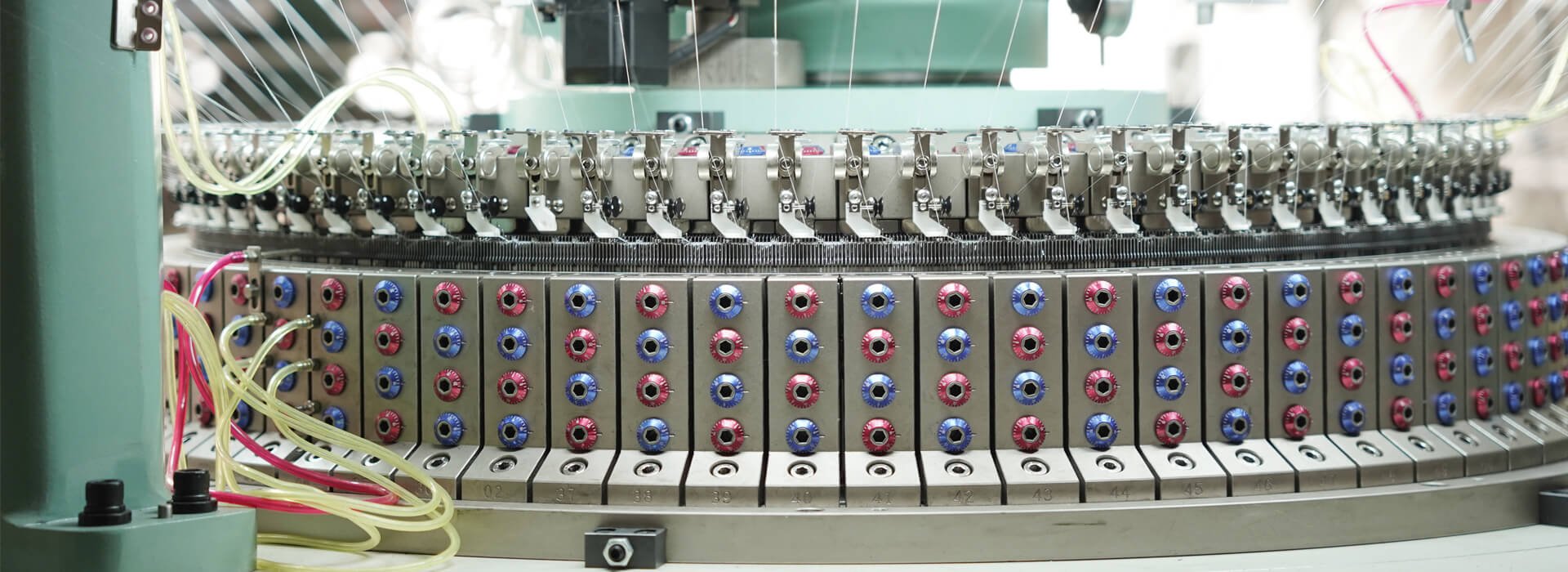
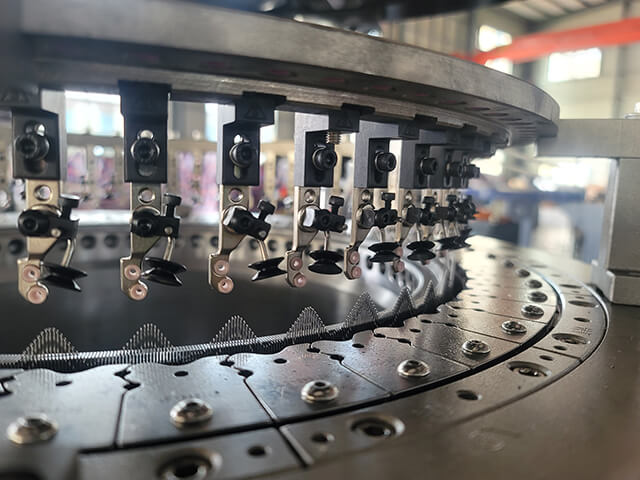
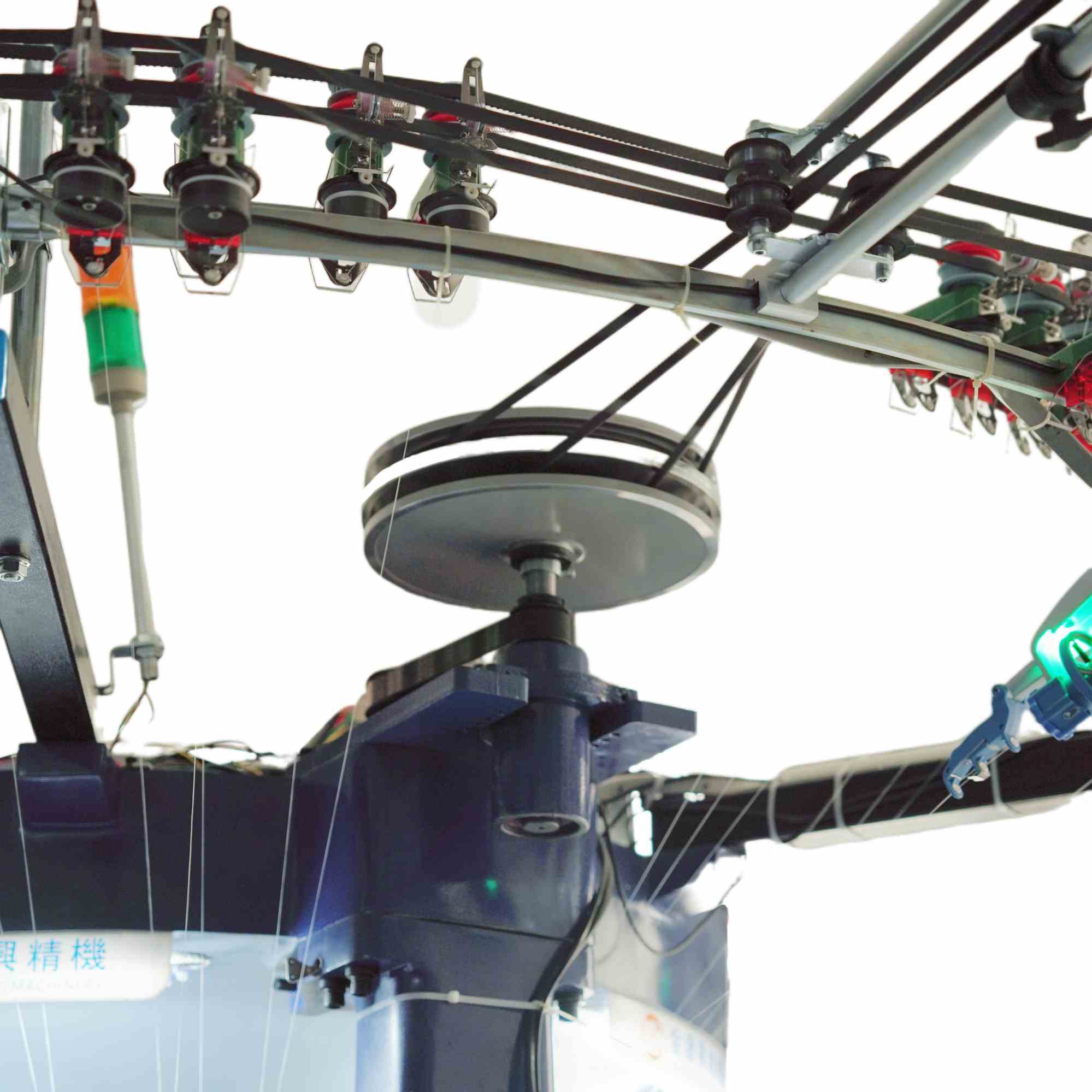
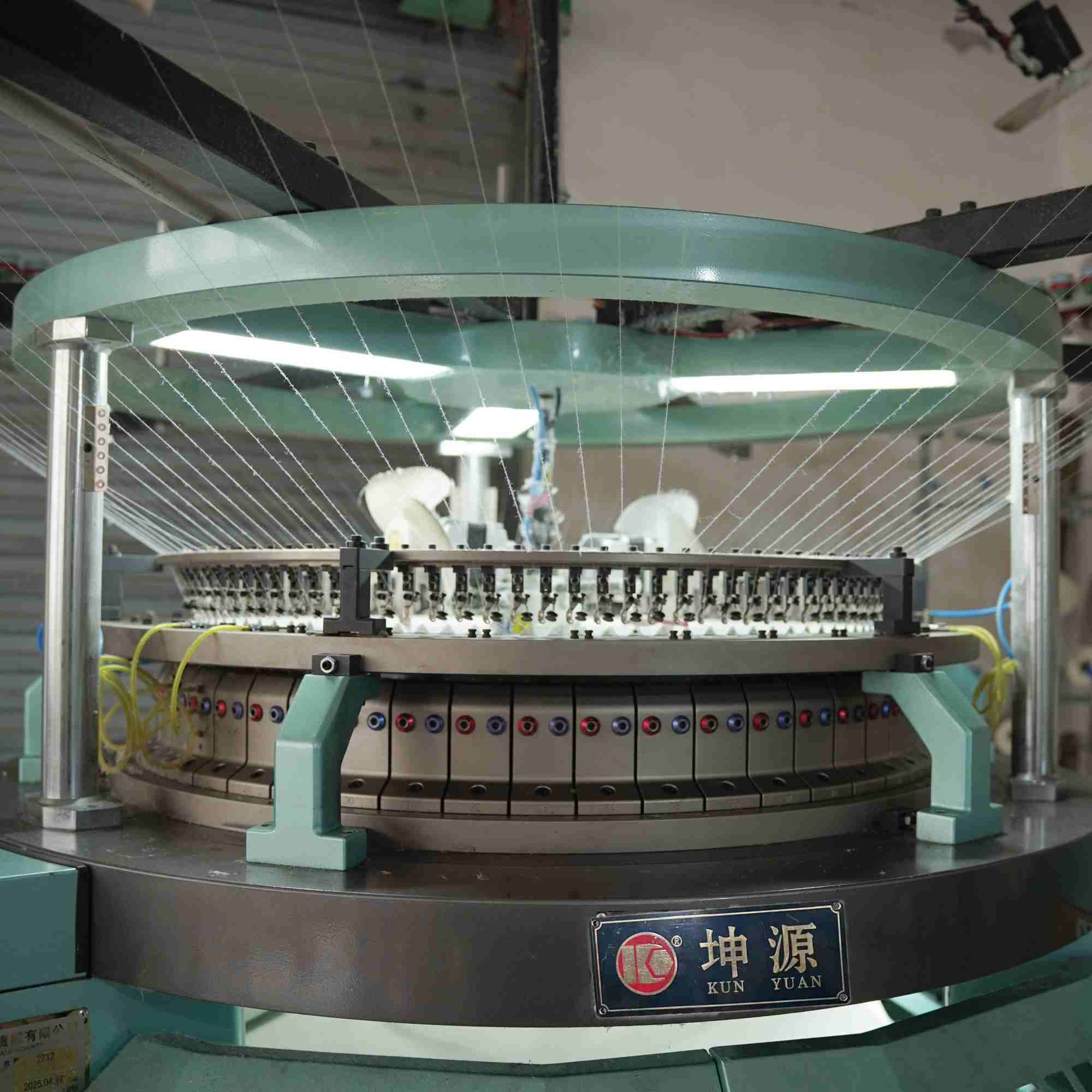
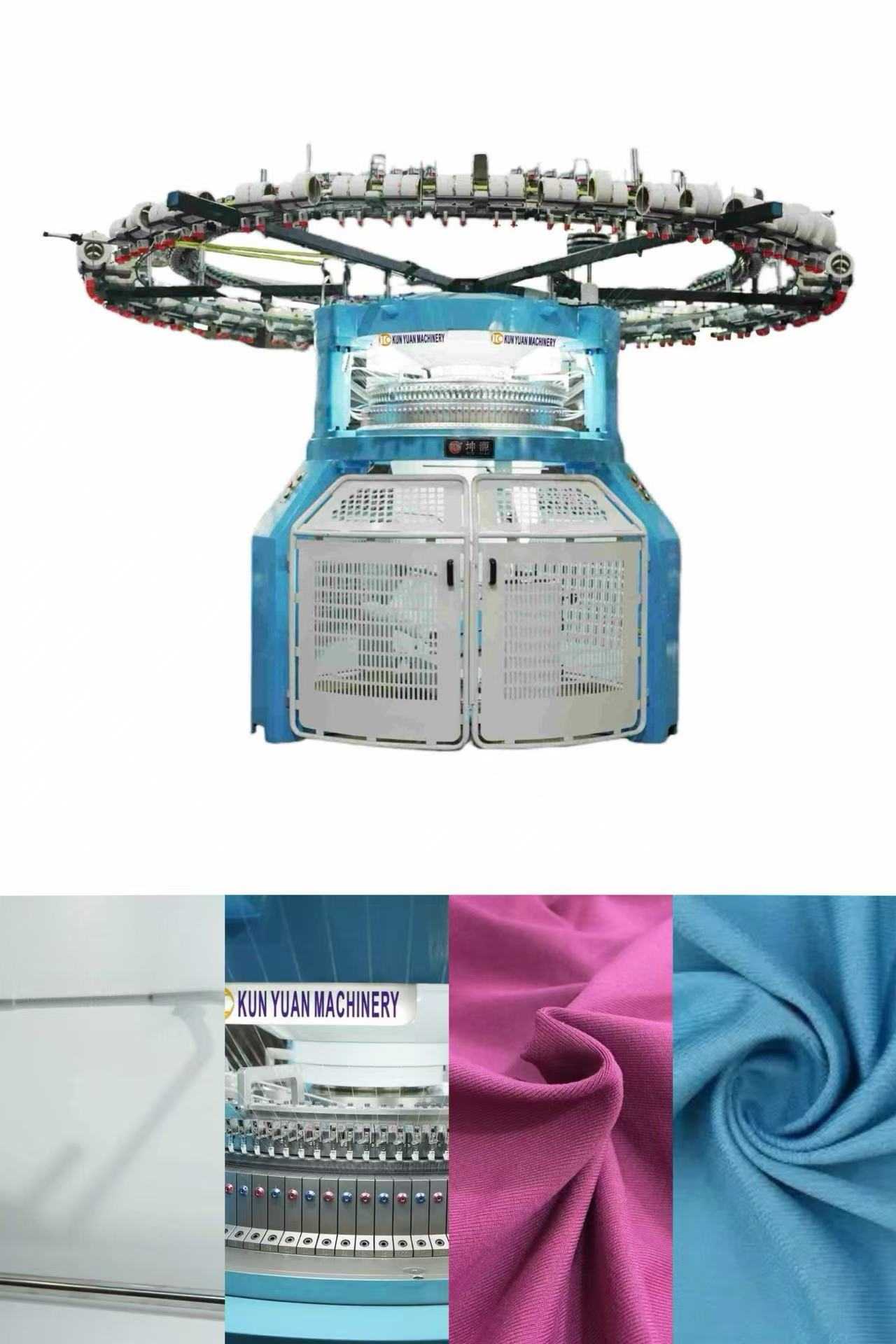
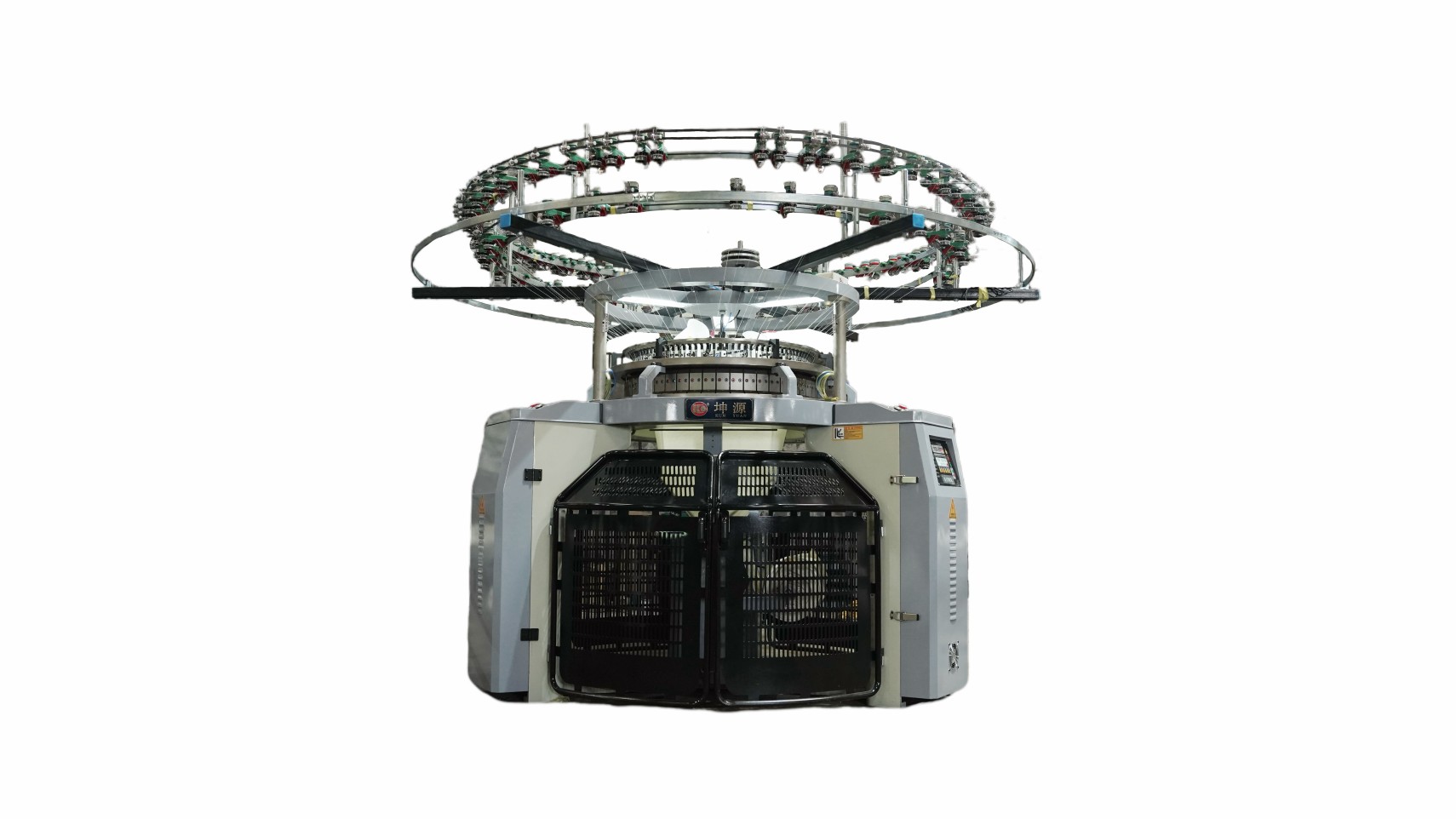
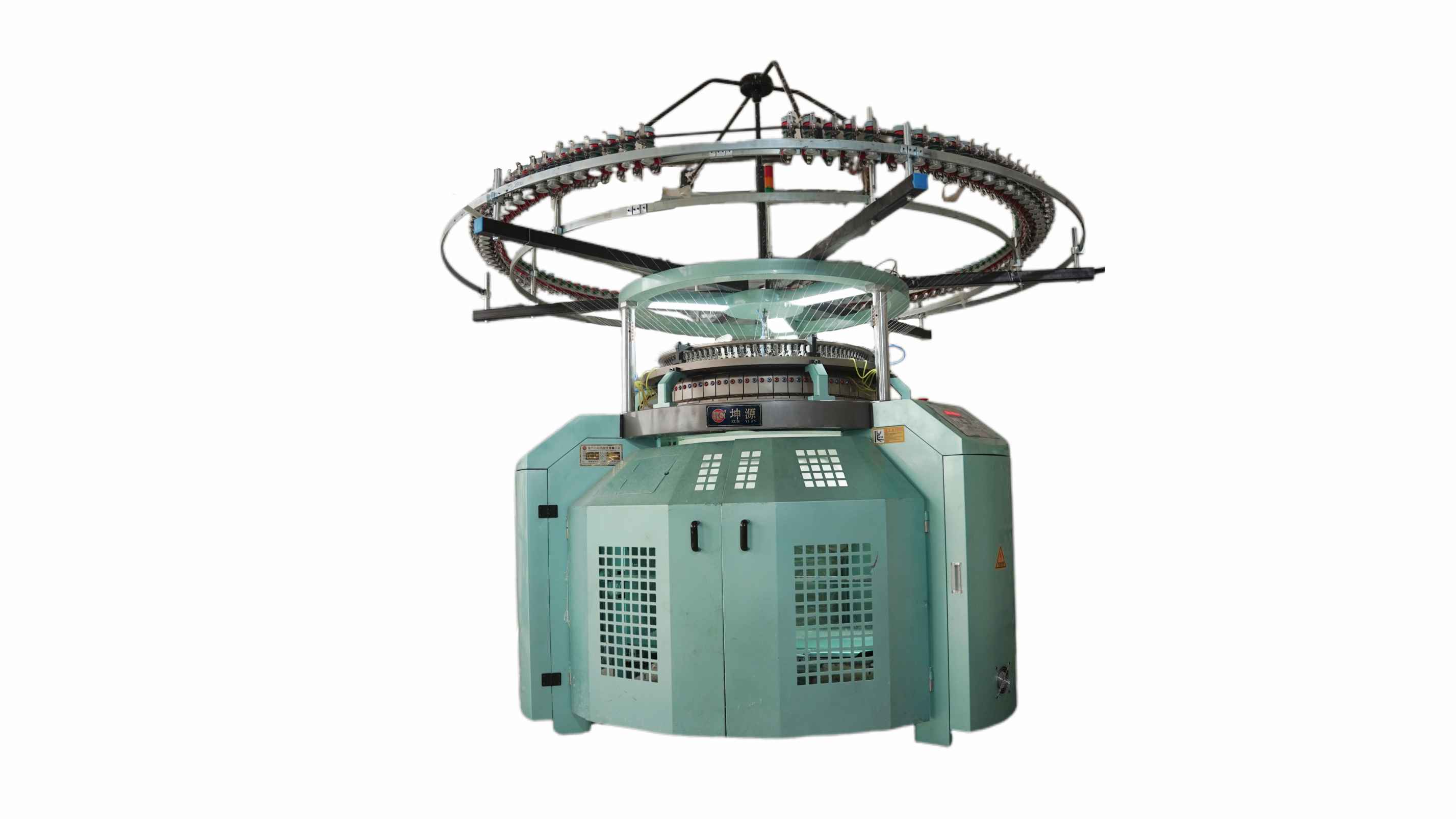
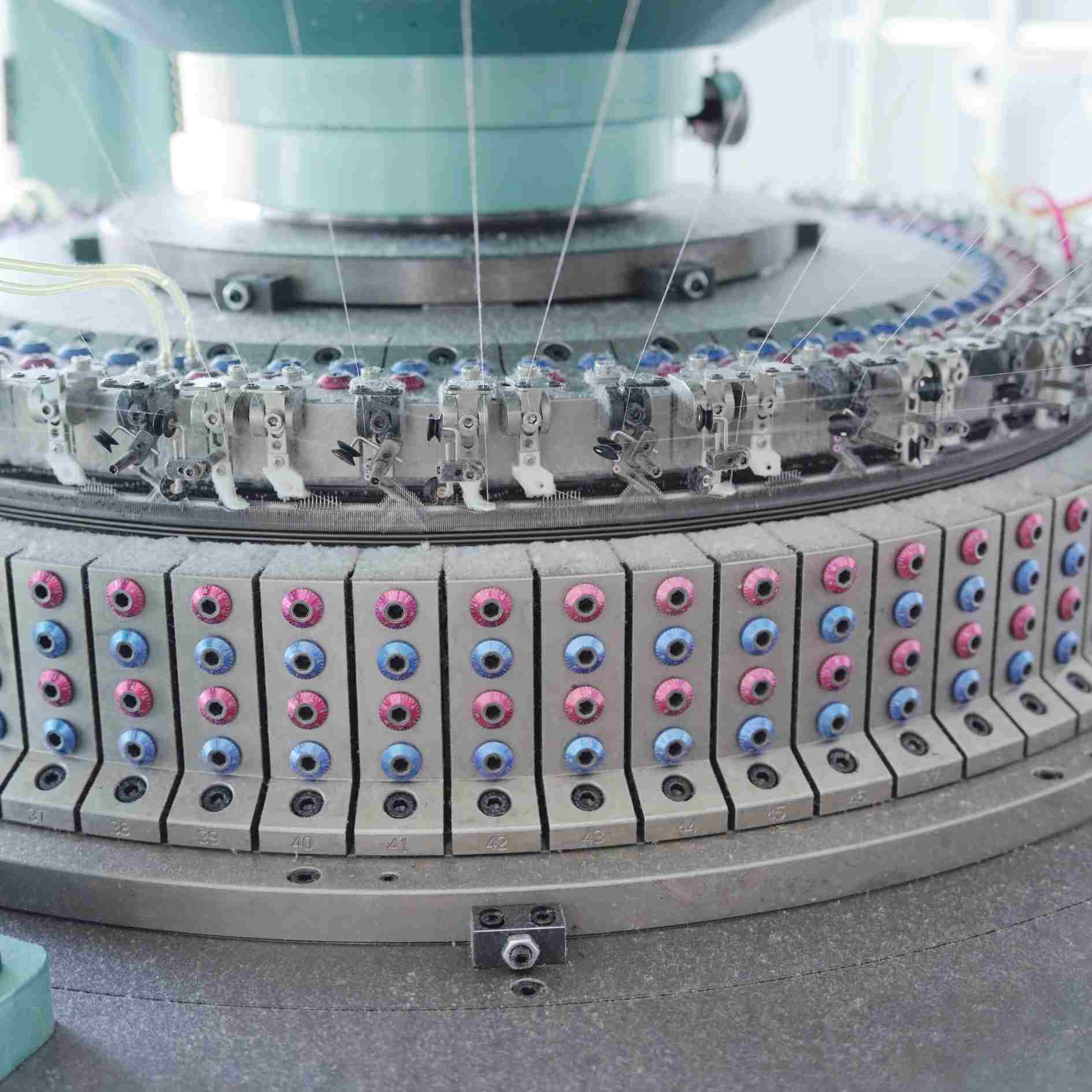
Request the original nameplate, complete model and suffix, serial or production reference, manuals, configuration list and recent maintenance record. Match these to photographs of the actual knitting head, cylinder and dial where fitted, feeders, controls, take-down and frame. If the seller cannot establish the manufacturer or model, record that as an open risk rather than repeating unsupported brand claims.
Use verified industrial circular-machine documentation to understand which fields normally define scope, but never substitute another maker's range for this machine. The offered machine must prove its own fabric through a buyer-yarn trial. Ask who currently owns the software, drawings and special tools as well as the steel. Missing access rights or service tooling can prevent a mechanically usable machine from returning to controlled production.
01
Price the work needed to establish machine identity
Include independent inspection, translation, missing manuals, electrical drawings, software backups and part-number reconciliation. A low asking price can conceal hours of engineering work before a correct spare or cylinder can even be ordered.
Set a hold point: no deposit against a generic listing if plate, ownership and physical configuration do not agree. Record photographs and document hashes in the purchase file.
02
Separate installed scope from promised conversion potential
List current diameter, gauge, beds, tracks, feeders, selection, yarn devices, take-down and collection. Then list each required fabric and the parts or services needed to reach it.
Do not treat a possible conversion as delivered capacity. Price cylinders, cams, needles, sinkers, electronics, labour, freight, downtime and a new trial, and confirm that documentation supports the conversion.
03
Convert wear and missing evidence into a budget reserve
Inspect lubrication, cams, tracks, needles, feeders, drives, guards, sensors and fabric handling under qualified procedures. Review maintenance records and retain oil, noise or fabric observations without dismantling unsafely.
Classify findings as verified serviceable, measurable repair, further diagnosis or unacceptable. Do not hide unknowns in a general refurbishment allowance.
04
Use accepted fabric and support readiness to close total cost
Run representative yarn long enough to include startup, package changes, stops and restart. Mark the roll and measure the finished fabric. Record rejected sections, manual intervention and stable accepted rate.
Add training, critical spares, technician access, controller recovery and lead times. The final budget should show the cost to reach repeatable production, not merely the cost to move the machine into the mill.
Establish identity before valuing the offer.Price installed scope and conversion separately.Close the budget with accepted finished fabric.
Wellknit purchase risk ledger
Cost band
Evidence required
Budget treatment
Release condition
Identity
Plate, model, manuals
Inspection/document allowance
Records reconcile
Compatibility
Installed parts and conversion list
Itemized parts and labour
Target fabric is supported
Condition
Inspection and maintenance history
Repair reserve by finding
Critical faults closed
Production
Buyer-yarn finished trial
Yield, training and spares
Accepted output repeats
Wellknit buying questions
Can the Wellknit name prove a model's capabilities?
No. Use the full plate, installed systems, controlled documents and a trial.
What if no authoritative model manual is supplied?
Keep identity and compatibility open, budget independent verification and do not infer specifications.
Should conversion potential increase the purchase value?
Only after the required parts, approval, cost and successful trial are documented.
How should an unknown condition be priced?
Use a specific inspection finding or hold; a vague contingency should not replace evidence.
What is the final cost basis?
Use delivered scope plus repair, conversion, commissioning, training, spares and losses until accepted output is stable.
Conclusion
The safe way to price a Wellknit listing is to make uncertainty visible. Verified identity, installed scope, condition and fabric evidence create the cost stack; unsupported reputation or application lists do not.
Use the same cost stack when benchmarking a verified new-build industrial circular knitting machine range so delivered scope, trials, documentation and support remain comparable line by line.




 Tel: +86-13859034518
 Email: info@kunyuanmachine.com
 MP/WhatsApp: +86-13859034518
 Manufacturer Address:Bacuo Village, Yonghe Town, Jinjiang City, Fujian Province