Clarify what the word sweater means in the production route
A buyer may use automatic sweater knitting machine for a body-size circular system, a seamless garment platform or a shaped-panel machine. Those routes use different programs, size logic and downstream work.
Define whether the required output is fabric for cut-and-sew sweaters, body-size tubes, separate knitted pieces or a more integrated garment. The machine discussion begins only after that route is fixed.
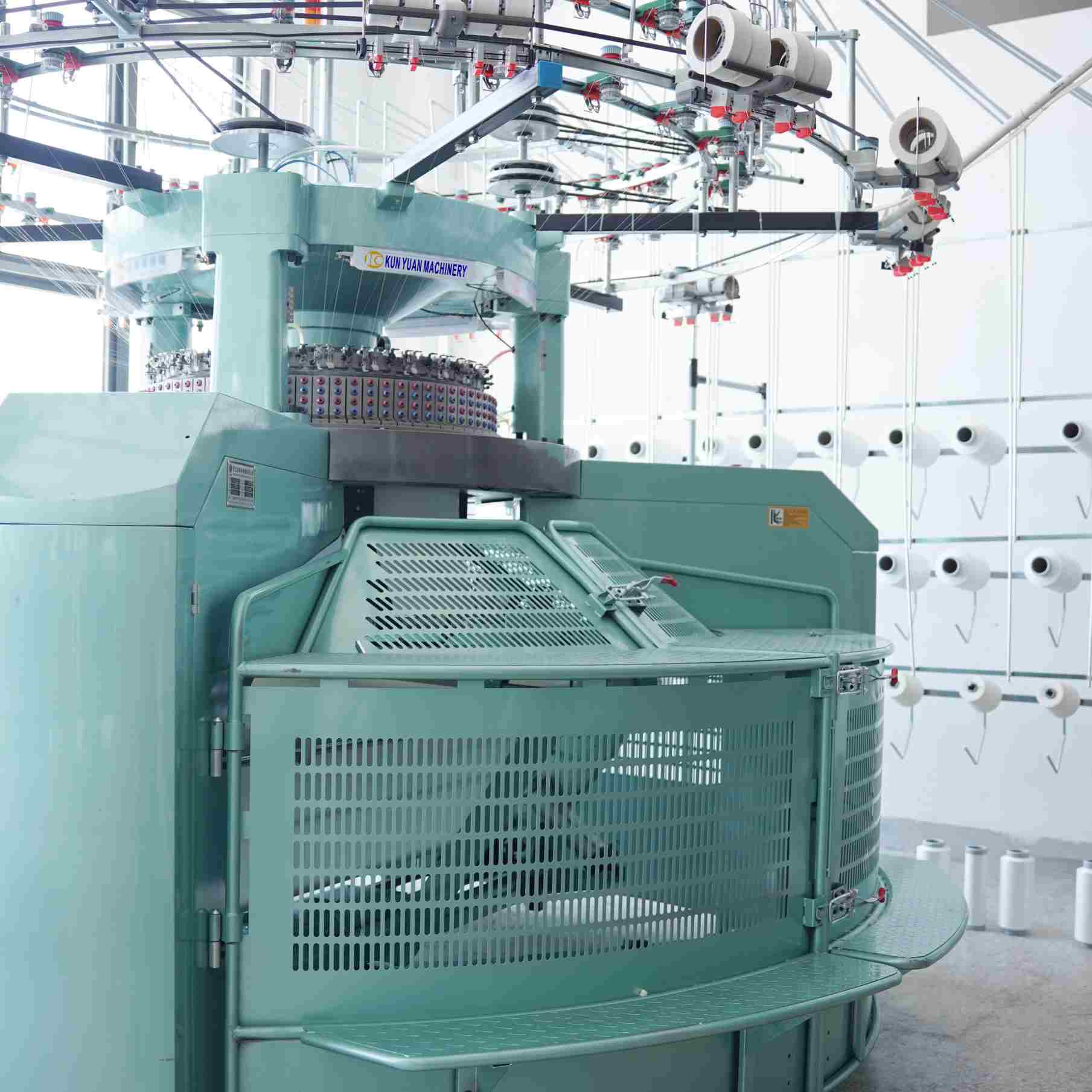
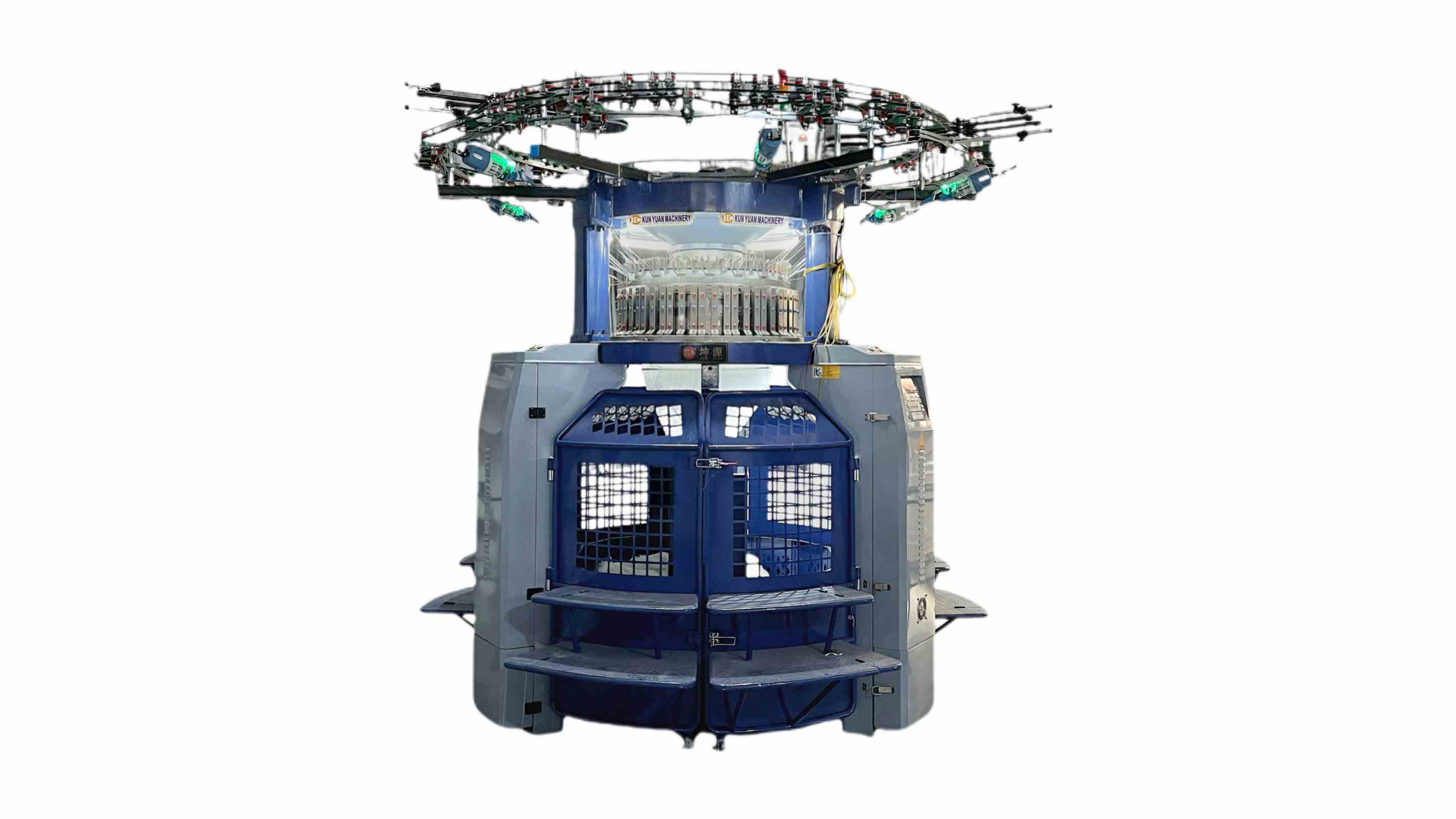
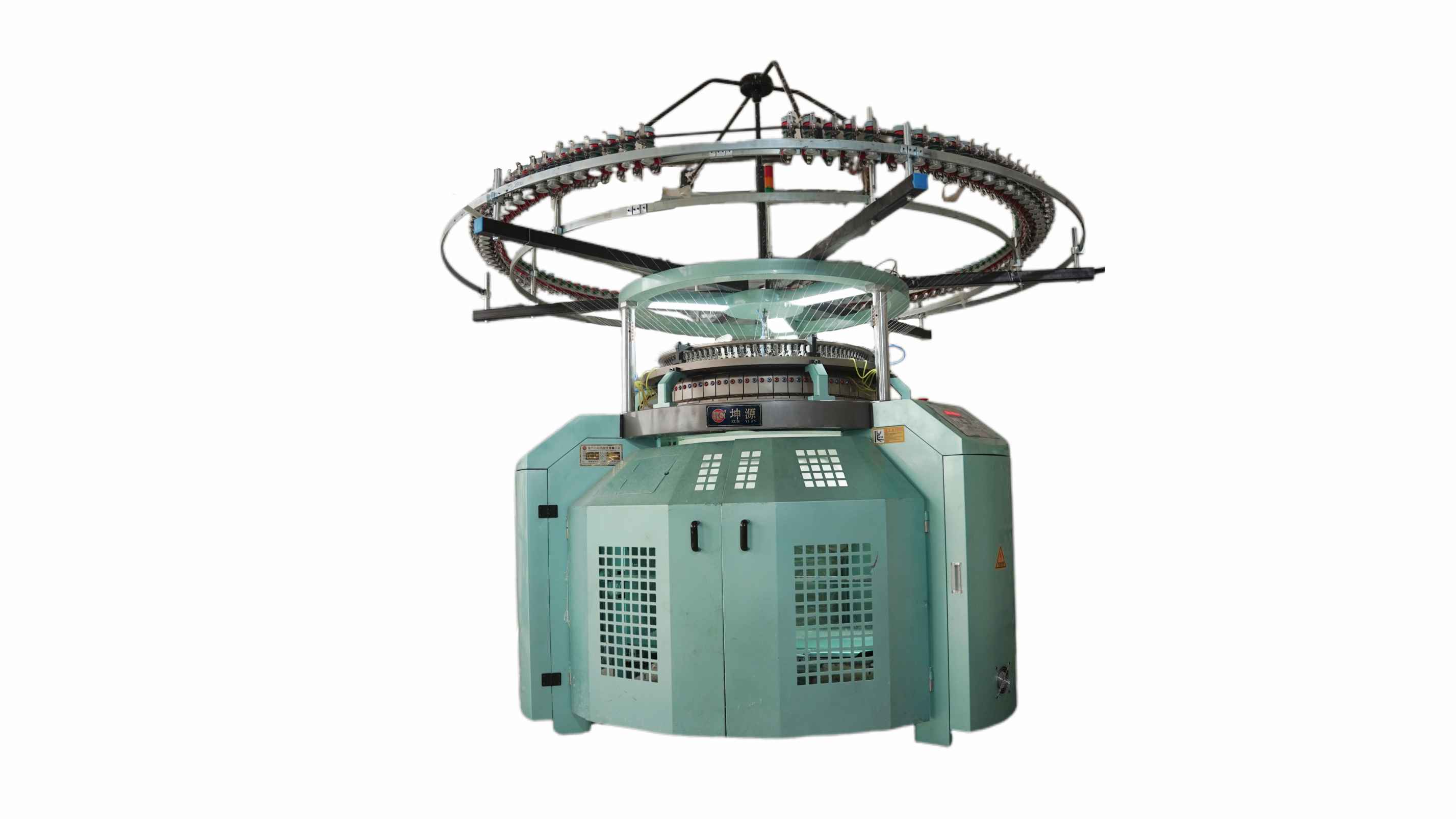
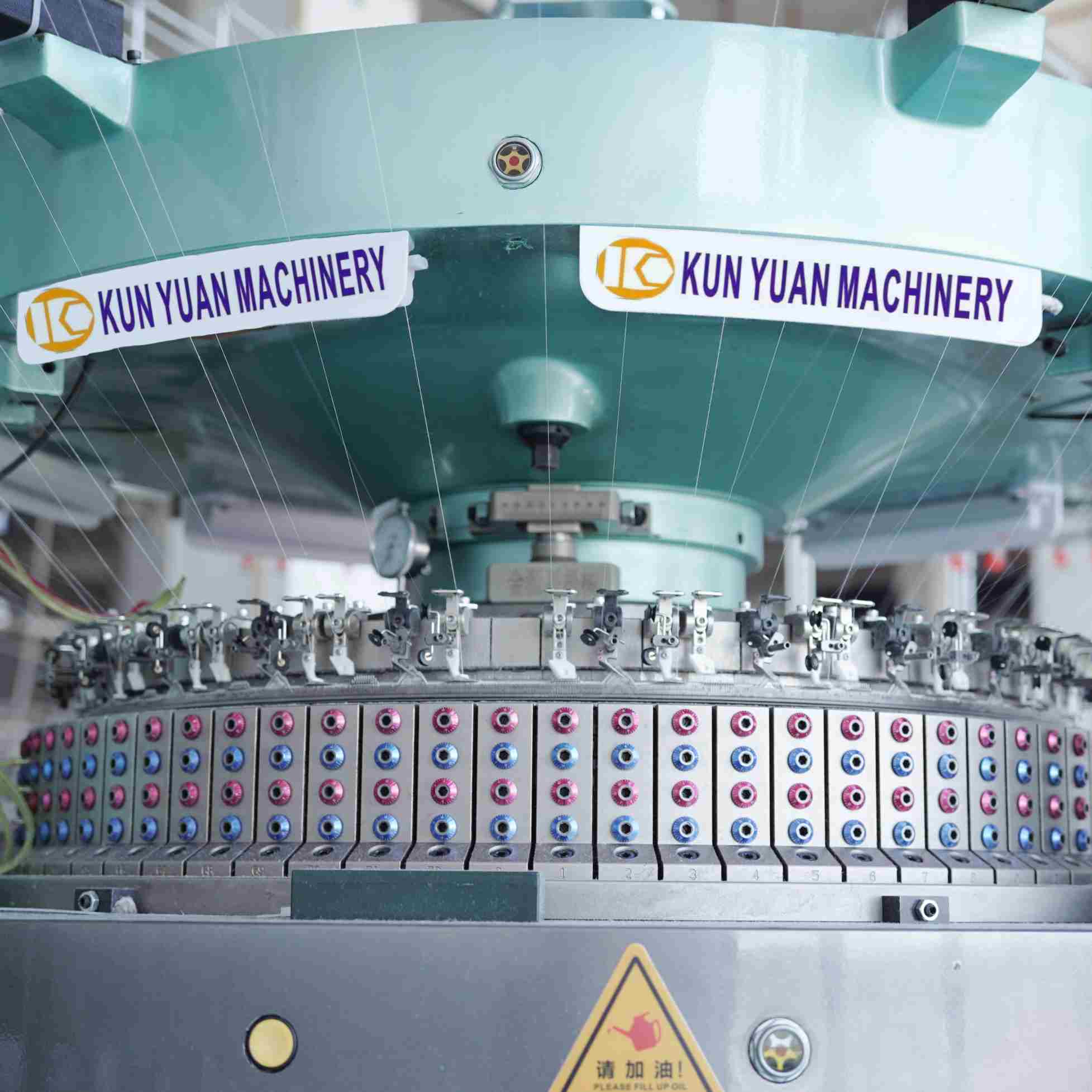
The current Kunyuan article is tied to a body-size circular product link. It should not imply flat-bed or complete-garment functions that the quoted circular model does not document.
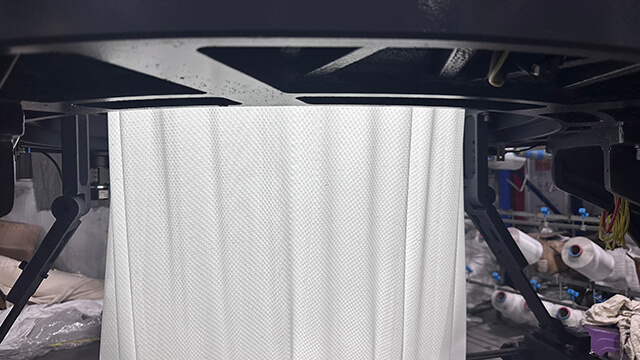
Route A: knit body-size tubes for later make-up
Specify tube circumference, structure, stripe or pattern, waste allowance and size-change method. Record which seams, shaping, cutting and finishing remain downstream.
The advantage is meaningful only when the tube dimensions match the marker and make-up route. Measure after relaxation rather than assuming the needle count equals finished girth.
Define tube and size chart
Program size/stripe sequence
Knit and mark lots
Cut, shape and assemble
Measure finished garment
Route B: use a documented seamless or shaped-garment platform
Where the selected technology creates garment zones or separate pieces, identify needle selection, transfer or separation functions on the exact model. Do not borrow functions from a different machine class.
Approve openings, zone position, stretch and make-up operations on the finished item. Program flexibility must be demonstrated with the buyer's style, not a generic factory sample.
Map garment zones
Assign yarn and selection
Knit boundary sizes
Complete remaining make-up
Wash, measure and wear-check
Identify the exact tube or garment output of the offered model.Keep size measurements with the program revision.Include downstream work in the accepted-output calculation.
Sweater route comparison
Question
Body-size tube
Integrated garment route
Release evidence
Machine output
Sized tubular fabric
Garment zones or pieces
Named construction
Remaining labour
Cutting/shaping/assembly
Openings and model-specific make-up
Line time study
Program duty
Size/stripe/structure
Zone/selection/shape
Controlled revision
Capacity
Accepted fabric or garments
Accepted garments
Same quality definition
Link every program to machine, size and yarn
Store program name, revision, controller/software version and the machine configuration used. Attach the yarn plan and size table.
A later edit should create a new controlled revision. Overwriting the accepted file makes it impossible to explain a fit or pattern change.
Calculate accepted garments, not theoretical cycles
Count finished units that meet size, appearance and construction limits. Deduct setup pieces, restarts and garments held after finishing.
Track output by route because a fast knitting cycle can transfer labour to cutting, linking or sewing. The commercial figure is accepted garments per scheduled hour across the whole line.
Prove the sizes and structures that define the boundary
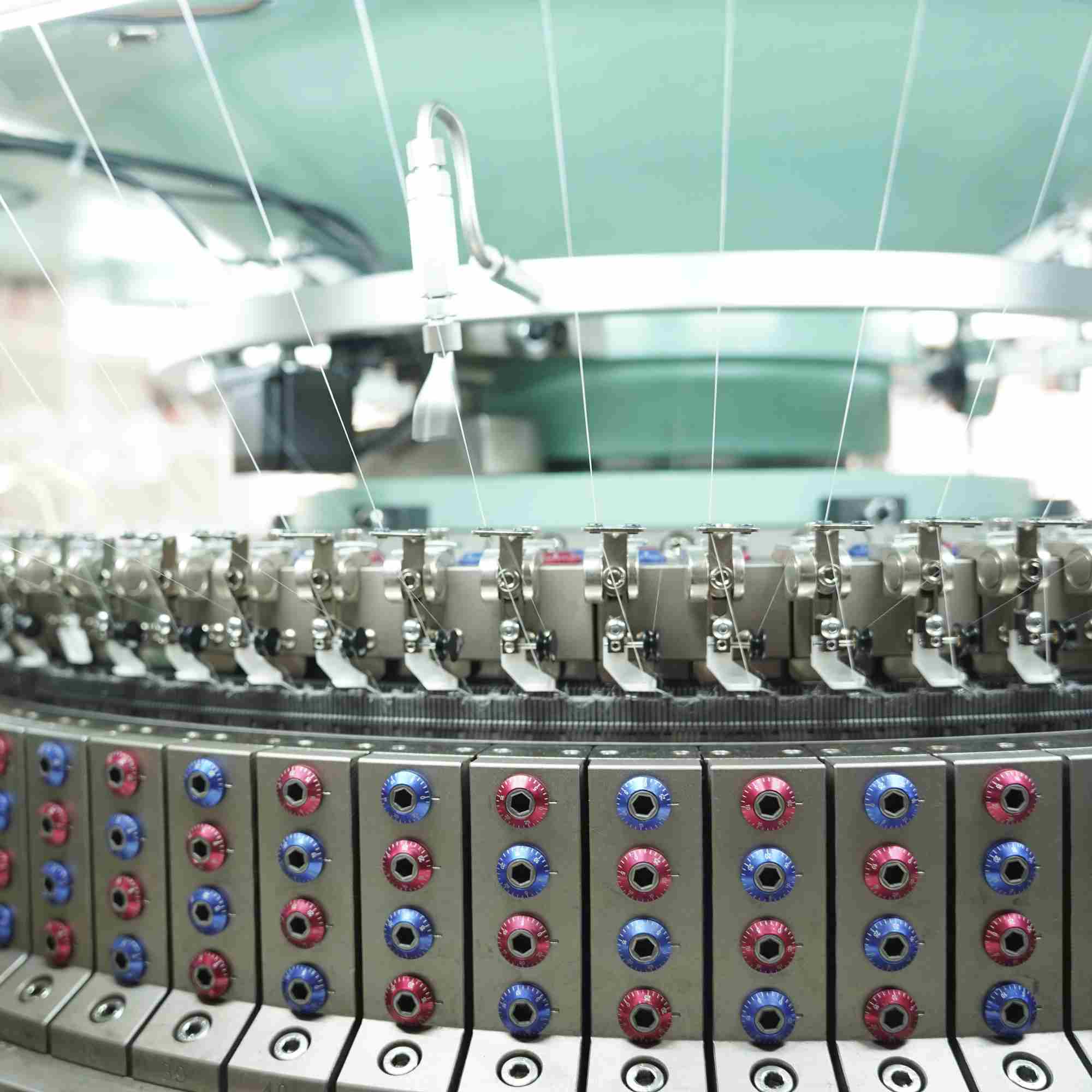
Run the smallest and largest sizes, a demanding yarn, a pattern transition and the style with the most downstream work. Record knitting and make-up time, stops, rework and finished measurements.
The final scope should identify demonstrated styles, extrapolated styles and excluded functions. That protects both buyer and supplier from an ambiguous sweater label.
Automatic sweater machine questions
Is a body-size circular machine the same as a flat knitting machine?
No. They are different production platforms. Define whether the output is a tube, panel, piece or garment and confirm functions on the exact model.
How should sweater sizes be approved?
Test representative boundary sizes, apply the intended relaxation or wash and record finished measurements with the program revision.
Can a program be transferred to another machine?
Only after machine, controller, needle count and option compatibility are confirmed and a new sample is approved.
What is the right output metric?
Use accepted garments or accepted fabric per scheduled hour, including the make-up work and quality holds belonging to the route.
What should be stated in the quotation?
State exact machine class, diameter/needle scope, program functions, yarn feeds, size range, downstream operations, training and the trial styles.
Conclusion
The useful sweater-machine decision is a route decision. When machine output, program version, size evidence and downstream work share one record, capacity and fit can be compared without borrowing features from another technology.
Clarify tube, shaped-piece and downstream make-up responsibilities before selecting from the body size circular knitting machine range; the program must represent the declared sweater route.




 Tel: +86-13859034518
 Email: info@kunyuanmachine.com
 MP/WhatsApp: +86-13859034518
 Manufacturer Address:Bacuo Village, Yonghe Town, Jinjiang City, Fujian Province