The installation bill ends when repeatable fleece leaves finishing
A three-thread fleece machine can be bolted down and powered while the mill is still far from commercial fabric. Face, tie and fleece yarn must form a stable construction that survives raising or brushing, so the useful start-up budget follows the material through that route.
Separate the project into four cost bands: delivered equipment, mechanical and electrical readiness, fabric development, and the losses incurred before the first repeatable roll. This prevents a low equipment price from absorbing unplanned technician days, yarn trials and finishing rework later.
Write one target construction before the machine arrives. Identify the face yarn, binding yarn and fleece yarn by count and lot; add greige weight, finished weight, width, back-loop character and the intended brushing or raising process. The supplier can then comment on the offered cam, feeder and take-down arrangement without promising that one generic setup suits every sweatshirt fabric.
01
Freeze the parts and work included in delivery
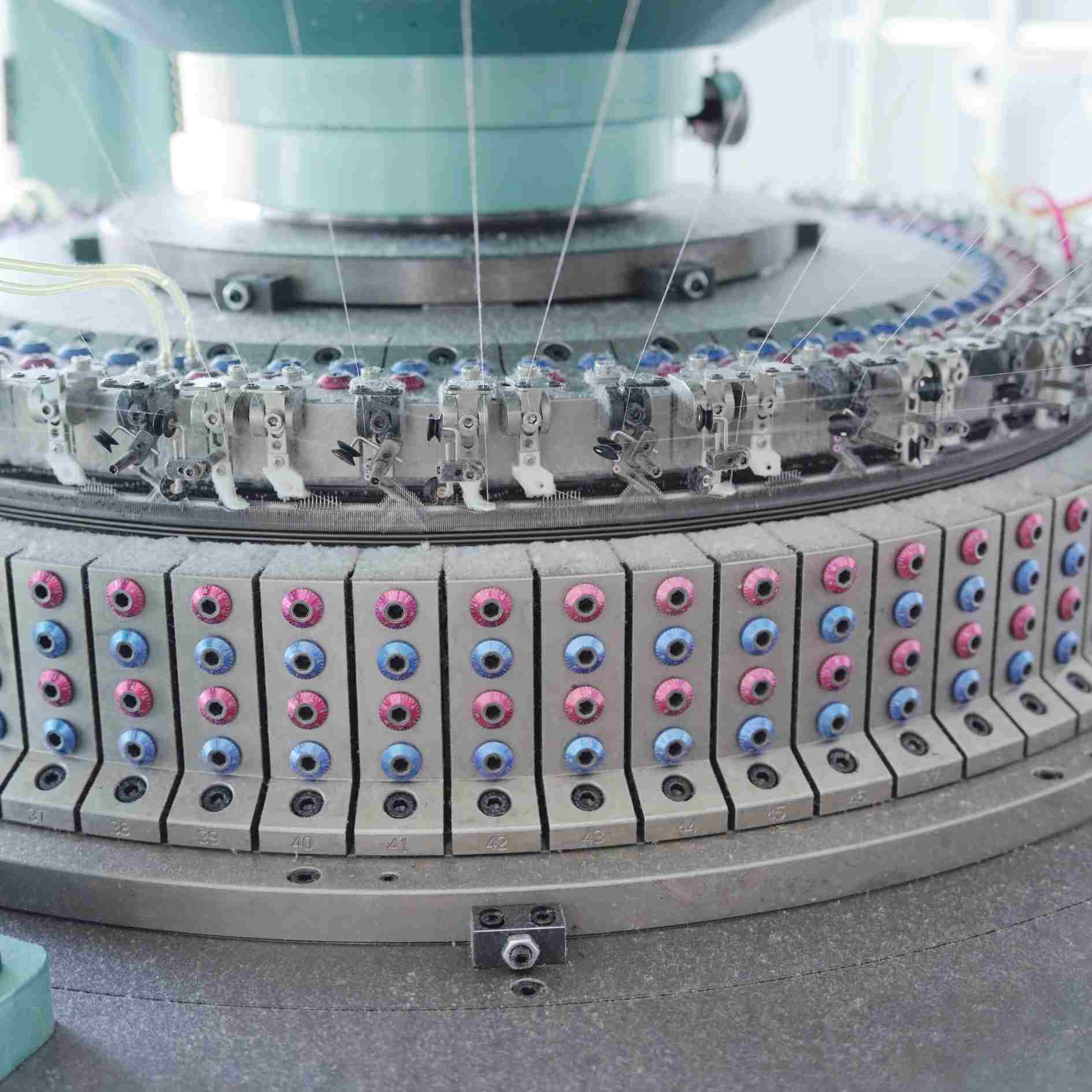
Match the packing list to the final order and installation drawing. Record cylinder and cam configuration, feeders, take-down and winding arrangement, yarn-control devices, guards, lubrication system, electrical cabinet, tools and initial spares. Mark each item as installed, loose, optional or supplied locally.
Give lifting, positioning, anchoring where specified, electrical connection and exhaust or compressed-air work an owner before unloading. The machine manual and approved site drawing govern the operation; a blog cannot supply lifting points, electrical ratings or alignment tolerances for an unknown build.
02
Budget development by yarn role, not by total cones
Trace face, tie and fleece yarn from package to knitting point with separate labels. Photograph the accepted route, record feeder assignment and preserve the settings used for each role. A back yarn that feeds calmly at low speed may still create uneven loops when package diameter or demand changes.
Plan enough production yarn for repeated trials, not one demonstration panel. Include package changes and a restart so the team sees whether loop length, tie-down and take-down return to the same condition. Keep experimental fabric segregated from saleable stock.
03
Make brushing or raising part of start-up acceptance
Cut marked samples from known roll positions and send them through the intended relaxation, dyeing and surface-development route. Inspect the face for lines and distortion, then examine the back for loop uniformity, exposed tie yarn, bare areas and overworked fibres. Record the machine settings against the finished sample, not only the greige roll.
If the finisher changes passes, wire condition, tension or heat, treat the result as a new trial. Otherwise a fabric improvement may be credited to the knitting setup when it actually came from a different finishing recipe.
04
Count stoppage, downgraded fabric and repeated technician work
Log every trial roll with running time, stop cause, kilograms produced, kilograms released and reason for rejection or downgrade. Add technician travel, operator overtime, cleaning, needle work and repeat finishing to the start-up ledger. These entries reveal whether the next investment should be training, yarn preparation or a configuration change.
Close the project only after a second run reproduces the approved construction. The first attractive swatch proves possibility; a repeat made from the controlled record proves that production can inherit the setup.
Match each delivered component to the ordered machine build.Label face, tie and fleece paths separately during development.Retain marked greige and finished samples from the same roll position.
First-saleable-roll cost ledger
Cost band
Evidence
Common hidden item
Close condition
Delivered scope
Order, packing list, identities
Local installation material
All boundaries signed
Yarn path
Feeder map and photos
Extra development packages
Restart repeats route
Finishing
Marked greige/finished samples
Repeat brushing or dyeing
Back and face pass
Production loss
Roll and stop ledger
Downgrade and technician time
Second run repeats
Fleece setup questions
Can installation be accepted before brushing?
Mechanical installation can be checked earlier, but commercial fleece quality should be judged after the agreed surface-development process.
Why separate three yarn roles?
Face, tie and fleece yarn perform different structural duties. Mixing their records makes a loop or binding problem hard to trace.
Is a clean greige face enough?
No. The back loops and tie-down must withstand the intended finishing route, and the finished face must also meet the buyer's standard.
What yarn should be used for commissioning?
Use documented production lots that represent the planned construction, with enough quantity for restarts and repeat trials.
When is the setup financially complete?
When delivered scope is closed and a recorded second run produces accepted fabric through the normal finishing route.
Conclusion
A sensible fleece installation budget follows the path to a repeatable finished roll. Freezing the delivered scope, recording three separate yarn paths and charging trial losses to visible lines produces a more honest project than treating power-on as completion.
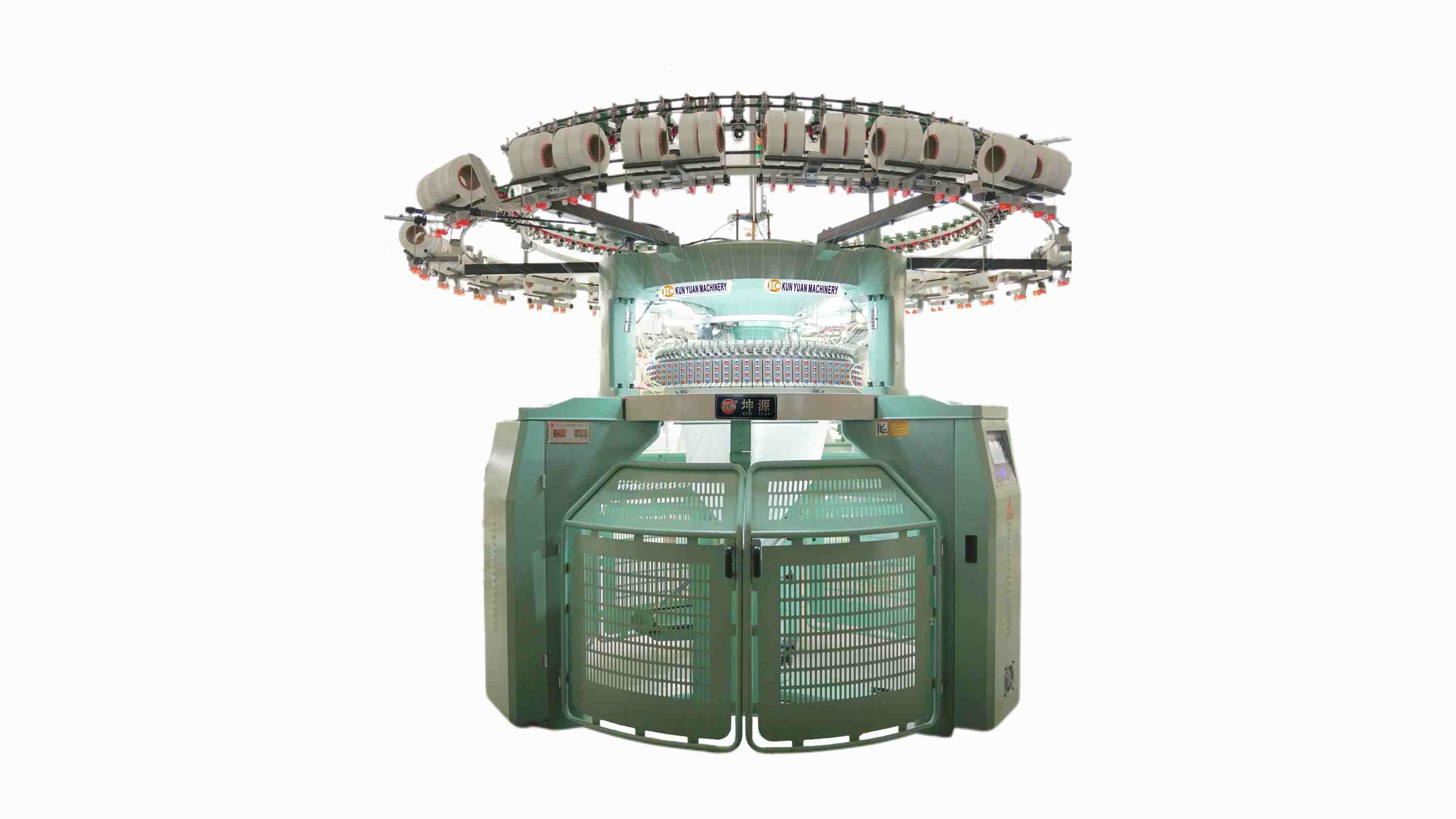
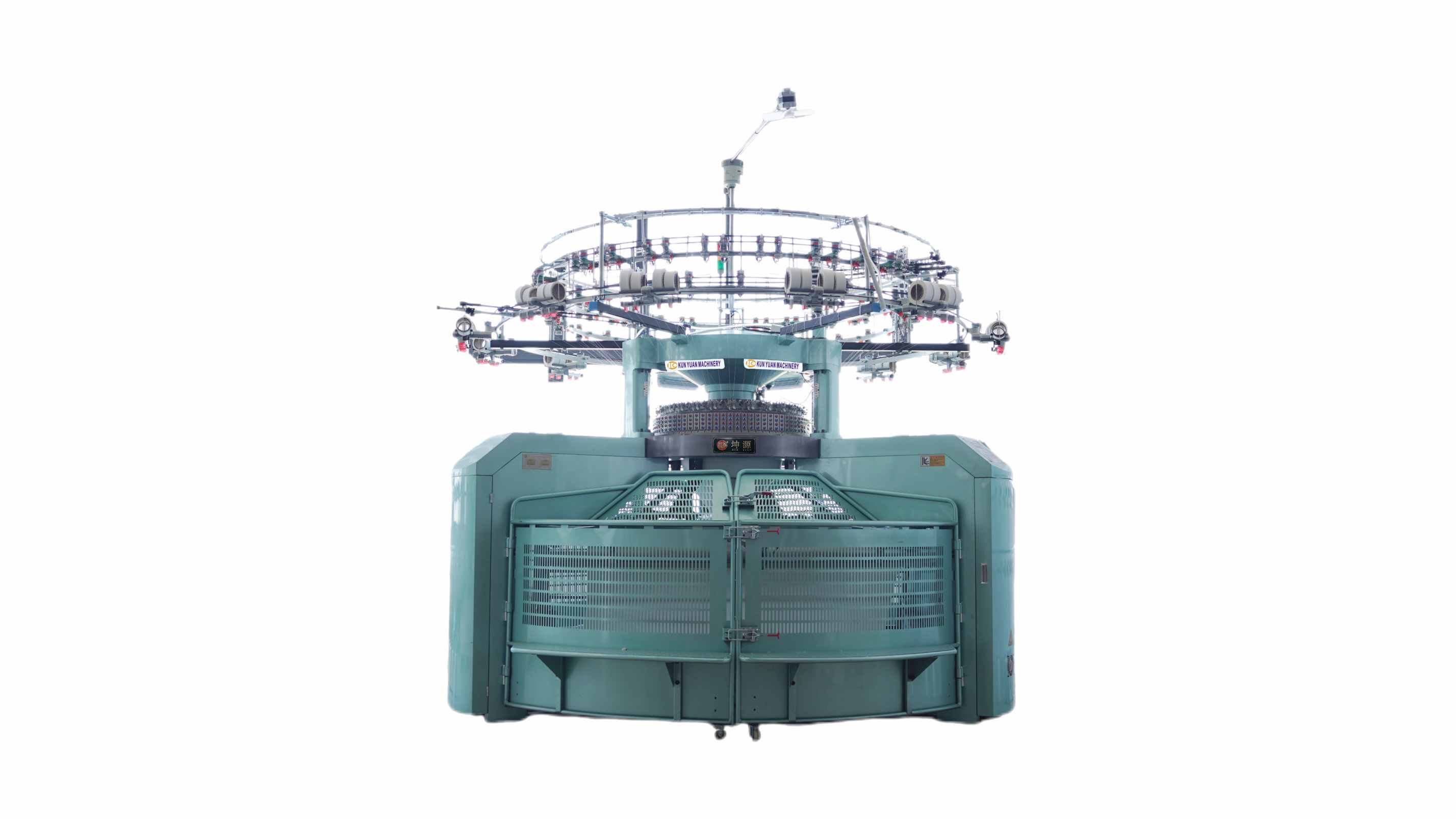
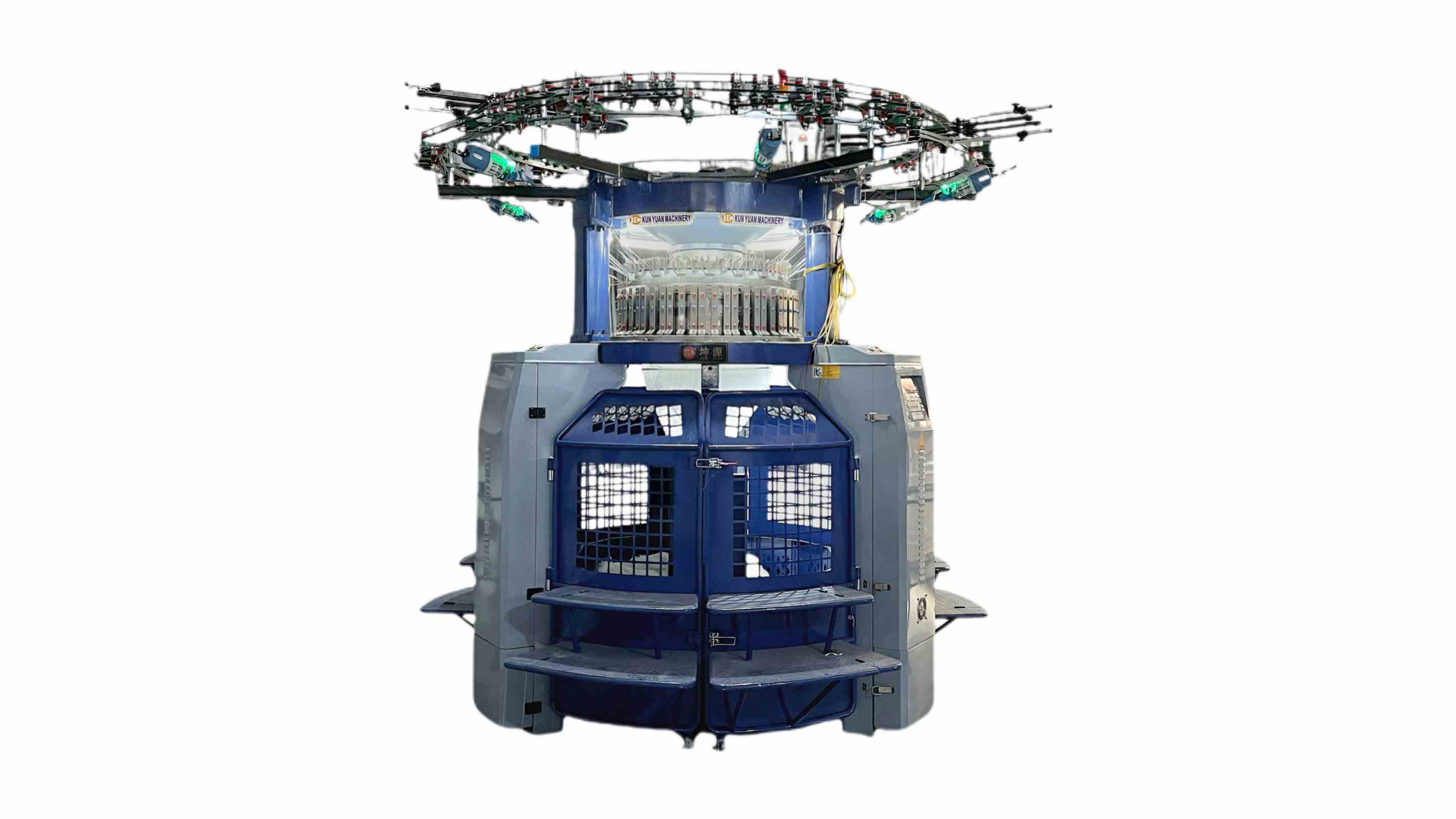
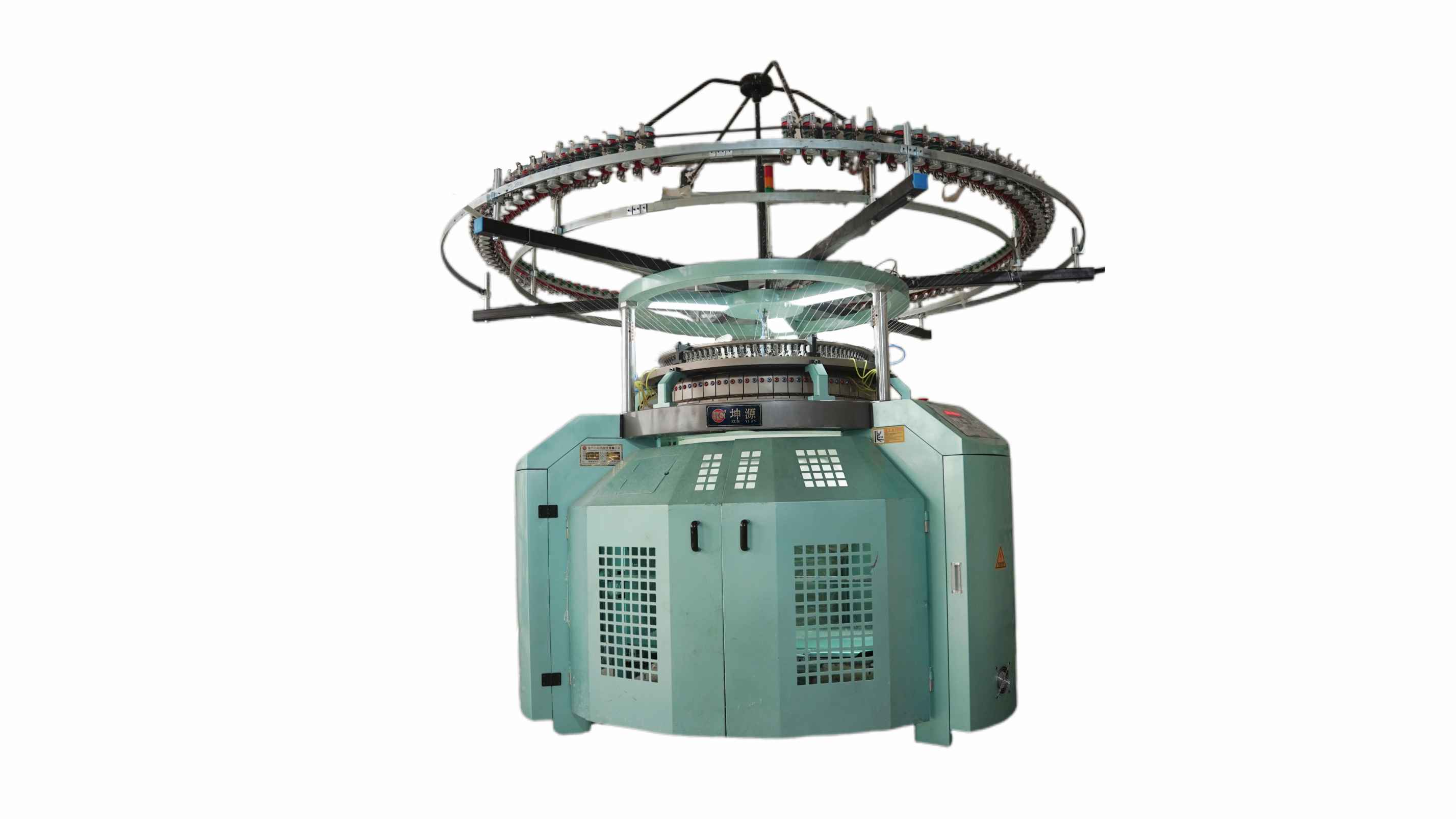
Use this cost ledger while reviewing the three-thread fleece circular knitting machine configuration so the quotation, yarn trial and finishing acceptance share the same construction record.




 Tel: +86-13859034518
 Email: info@kunyuanmachine.com
 MP/WhatsApp: +86-13859034518
 Manufacturer Address:Bacuo Village, Yonghe Town, Jinjiang City, Fujian Province