

Hot Keyword:
Author:KUNYUAN Machine Manufacturer TIME:2026-08-28
A rib machine can rotate quickly and still deliver disappointing saleable output if dial timing, yarn delivery or take-down begins to disturb the fabric. The useful production number is accepted fabric per scheduled hour under a named rib structure—not the highest RPM seen on the panel.
Start with one physical fabric target. Record rib ratio, yarns, gauge, finished weight and width, required stretch and recovery, and the finishing route. Those details define the work the machine is being asked to repeat. A speed comparison without that basis mixes different products and creates a false ranking.
Published machine data can screen possible configurations, but model ranges differ in diameter, gauge, cam tracks, feeders and permitted structures. Treat every brochure value as conditional until the offered build and buyer yarn have been run together.
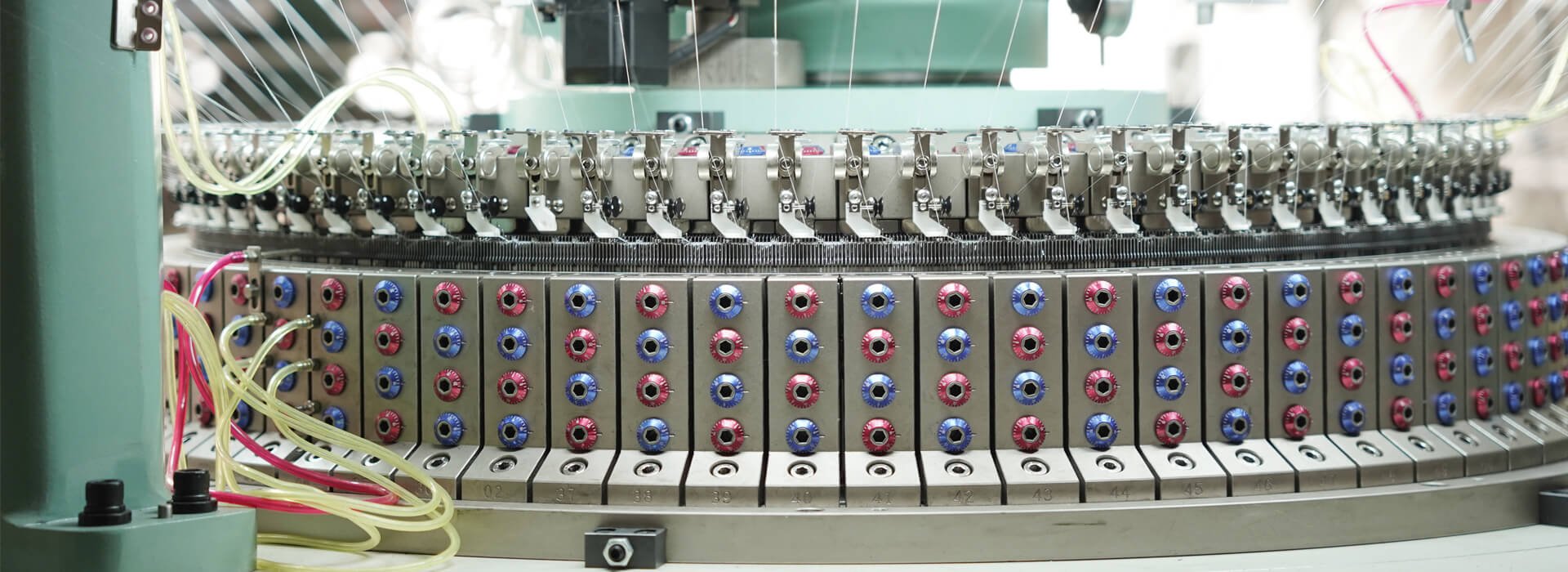
Identify the machine, cylinder and dial configuration, active feeders, needle set-out, yarn lot and stitch setting. Note whether the roll is measured greige, relaxed or finished. If a technician changes dial height, timing or take-down during the run, mark the roll and start a new line in the ledger.
This discipline keeps an attractive rate from being carried into a different rib structure. Fine rib, wider ribs, tuck effects and elastomer plating do not impose the same yarn demand or quality boundary, even when they are produced on the same machine family.
| Ledger line | Unit | Evidence | Do not combine with |
|---|---|---|---|
| Observed gross rate | kg/h or m/h | Timed, labelled roll interval | Catalogue example for another fabric |
| Operating availability | running min / scheduled min | Stop log with named causes | Rejected fabric percentage |
| Accepted yield | accepted / inspected output | Roll map and quality disposition | Uninspected greige weight |
| Saleable rate | accepted output / scheduled hour | All three records above | Panel RPM alone |
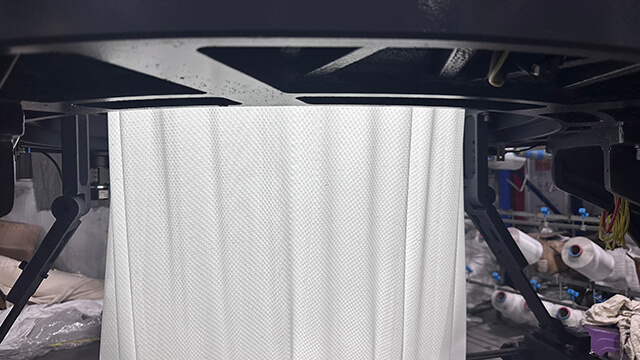
Rib is selected for elastic behaviour as much as for appearance. Measure width, weight and course or wale condition on a marked sample, then repeat the agreed stretch and recovery check after relaxation, dyeing or heat treatment. A roll that meets greige width but does not recover after finishing is not accepted output.
Map repeating lines to feeder or track position and keep random yarn faults separate. Do not average a bad band into a whole-roll number. The yield calculation should remove rejected sections using the customer's inspection rule, not a vague estimate chosen after the test.
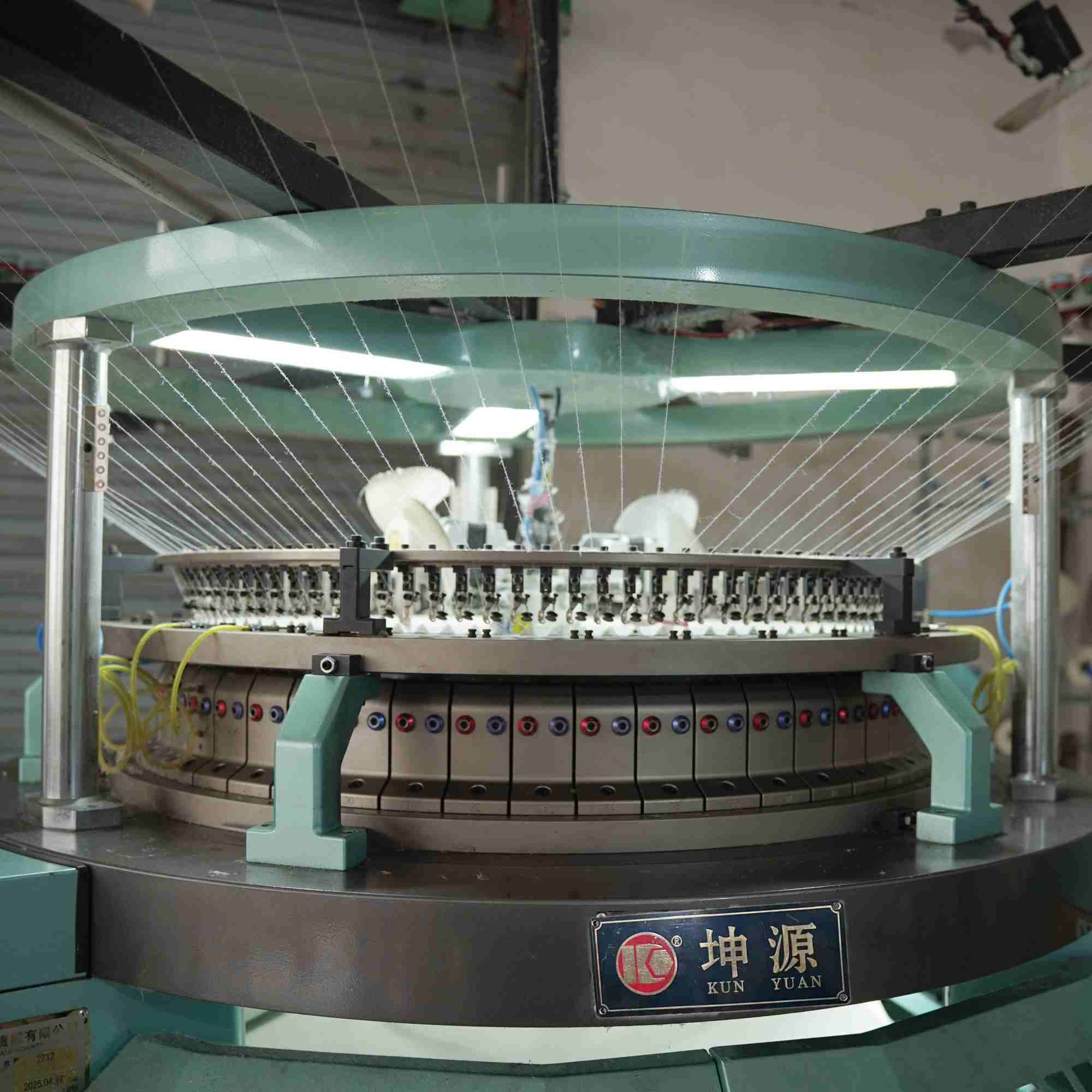
Increase speed in recorded steps, allowing the knitting head, yarn path and take-down to settle at each step. Watch yarn-break frequency, needle temperature, oil or lint pattern, roll build and recovery. Return to the last stable step when defects rise rather than compensating with several simultaneous setting changes.
The selected production speed should be one an operator can reload after a stop and maintain across a representative run. Preserve the accepted sample, setting sheet and stop history together so the next style or service action has a trustworthy baseline.
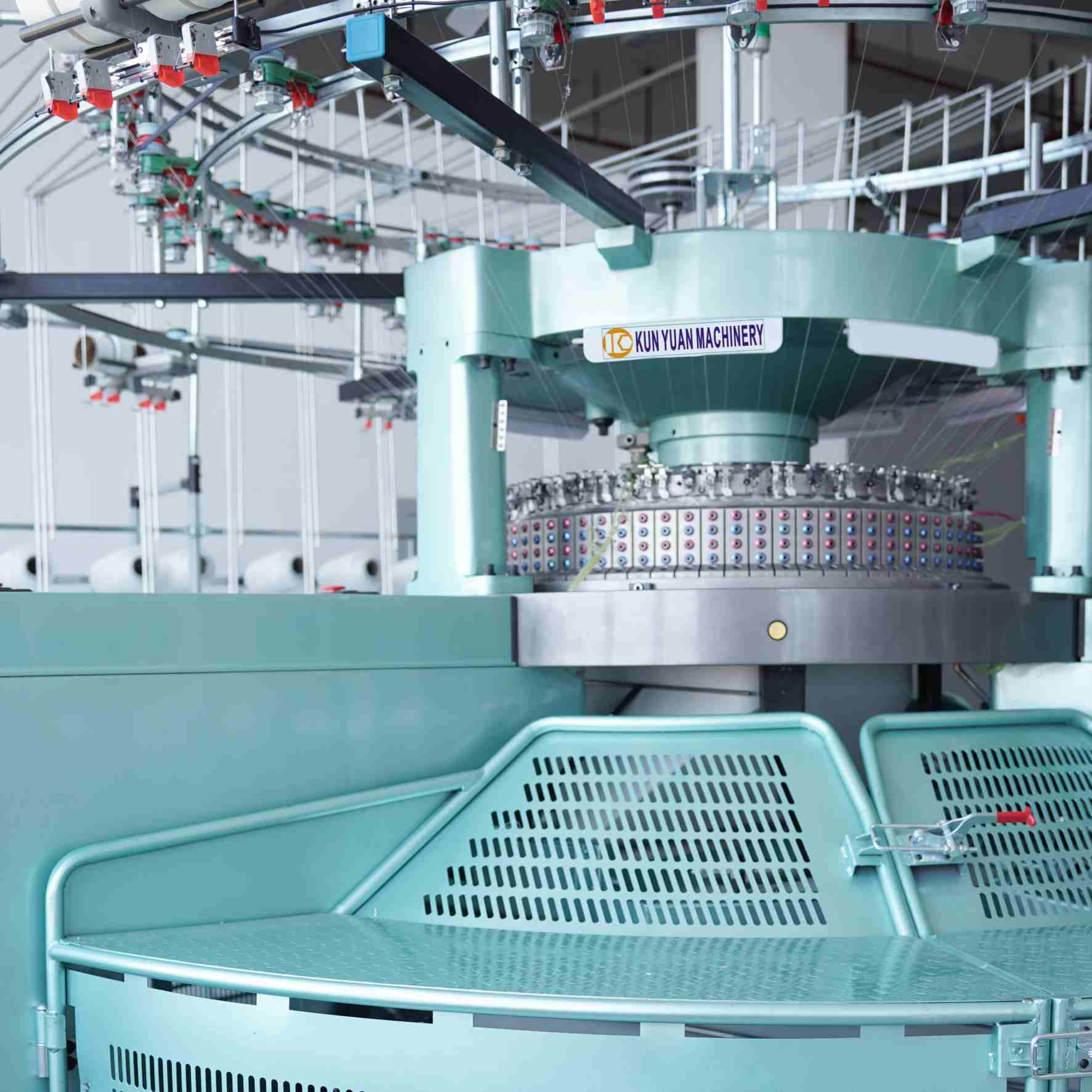
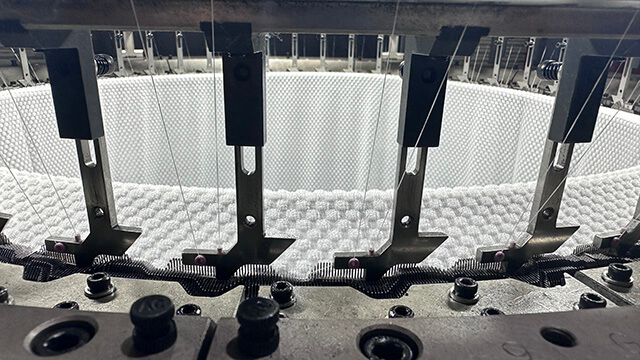
No. More revolutions help only while yarn delivery, loop formation, take-down and finished recovery remain stable. Calculate accepted output after losses.
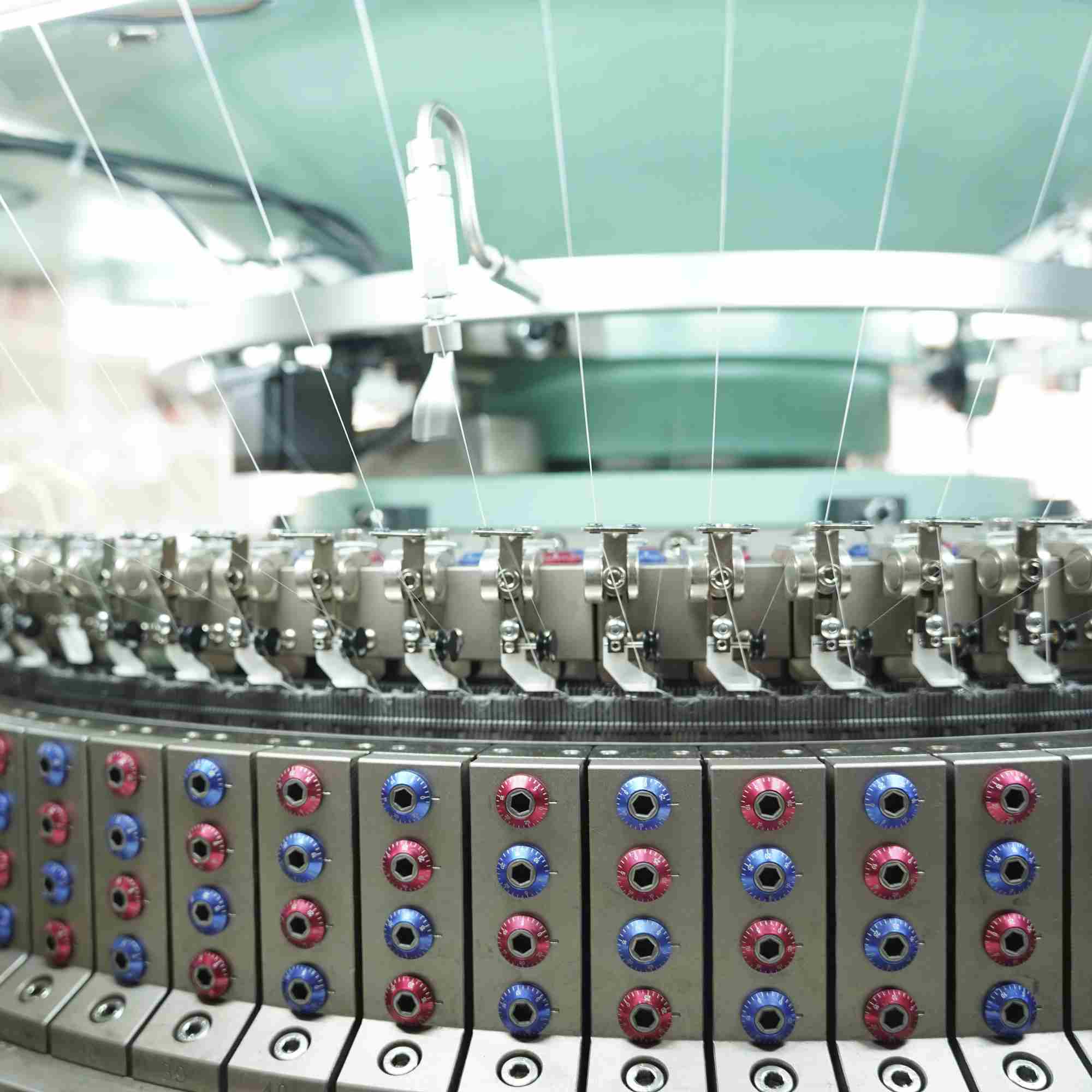
Cylinder and dial needle relationship affects loop formation and rib behaviour. The exact permitted adjustment and reference must come from the offered machine documentation.
No. Active feeds matter, but the fabric structure, yarn delivery, stitch setting, speed and accepted yield determine the measured result.
Run the same defined fabric and inspection method, then compare accepted kilograms per scheduled hour, stop causes, changeover work and the offered configuration.
Keep the marked roll, finished test piece, yarn labels, machine identity, settings, speed steps, stop log and signed disposition.
High-speed rib production becomes a controllable number when the mill can trace it from fabric basis to stable run, stop time and finished acceptance. That ledger also reveals whether the next improvement belongs in yarn preparation, machine condition, operator method or finishing rather than hiding every loss inside one efficiency percentage.
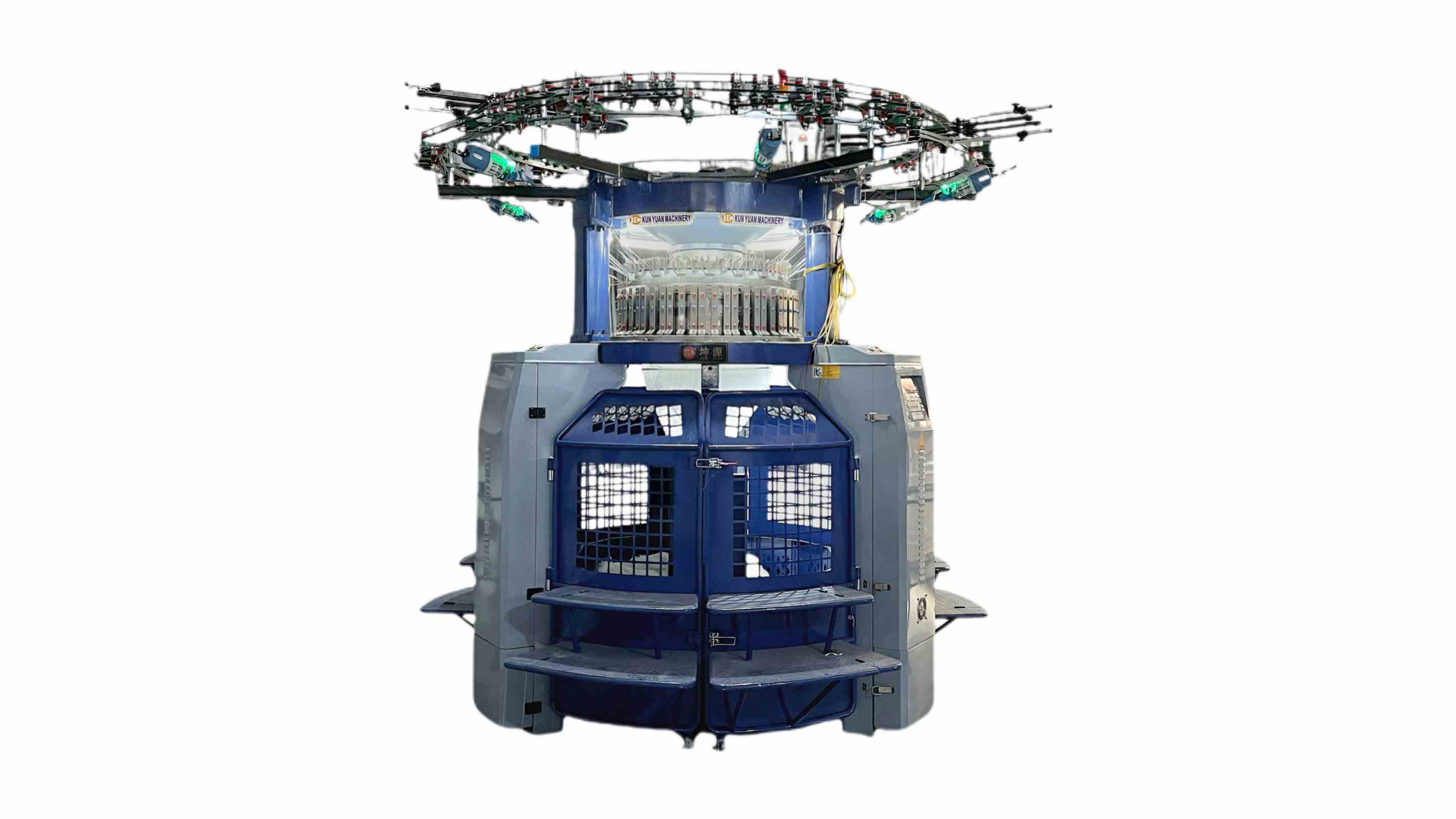
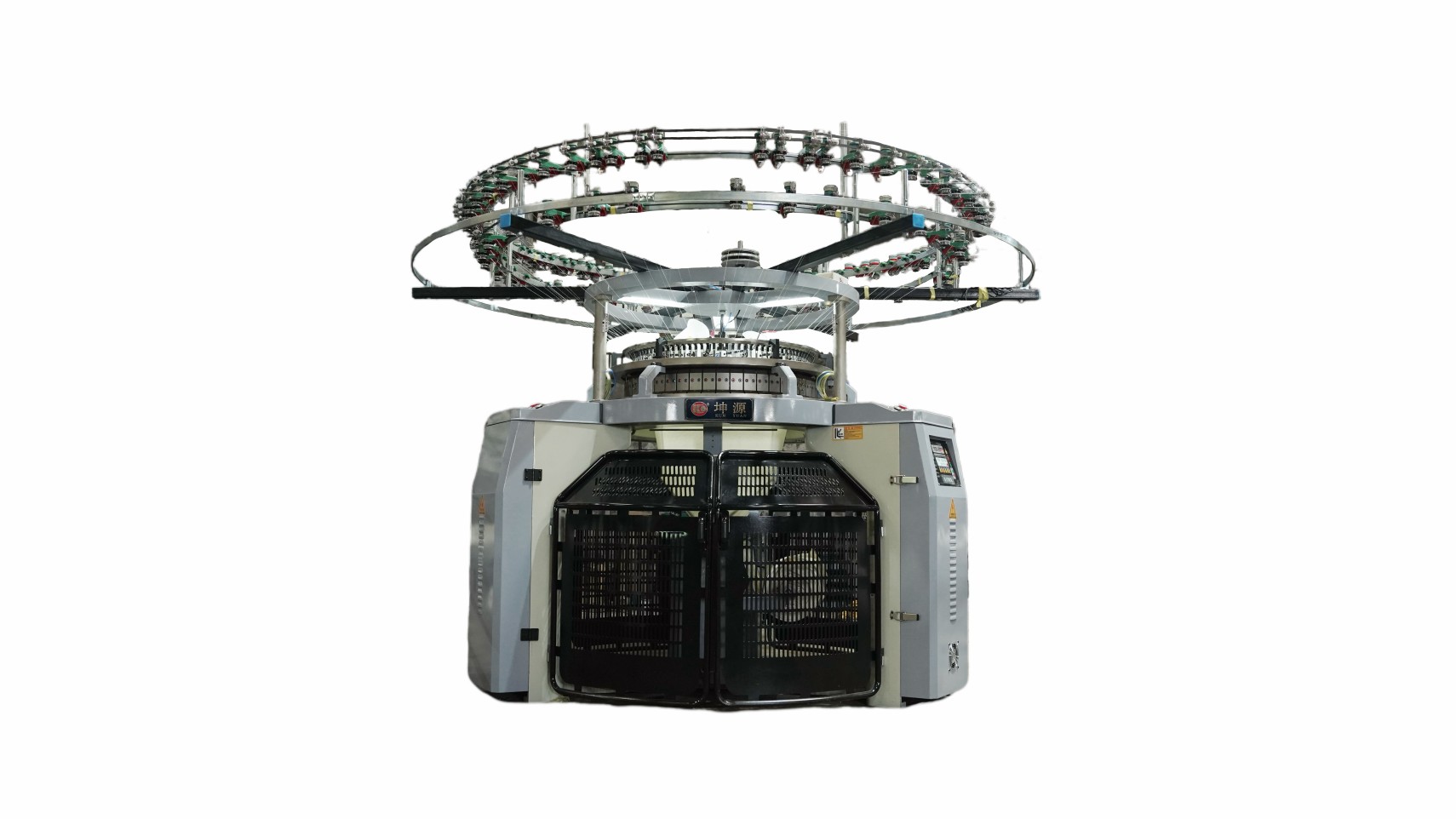
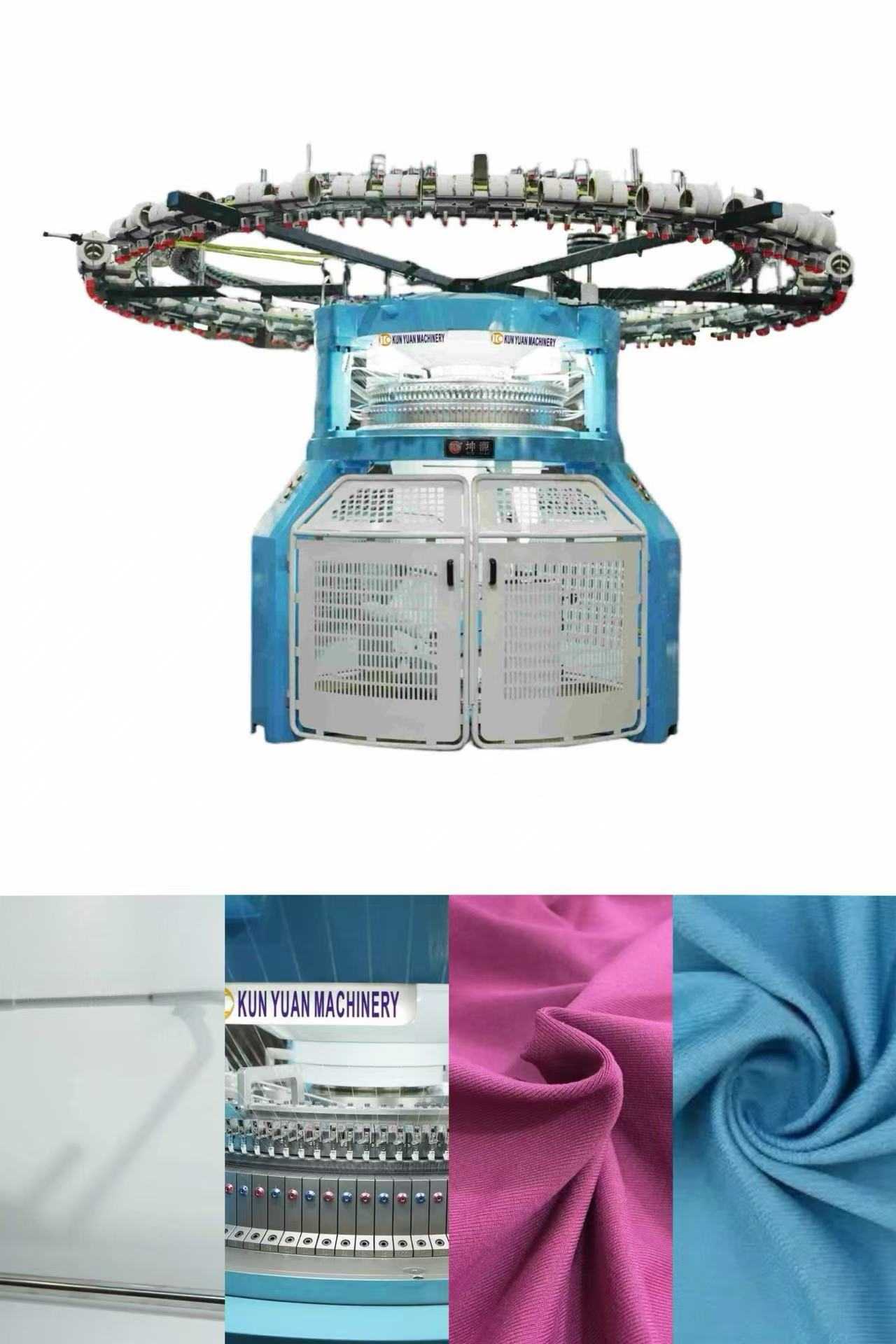
Use this ledger when reviewing the rib double jersey circular knitting machine range and require the offered model, rib structure and buyer-yarn trial to appear on the same acceptance sheet.

 Tel: +86-13859034518
 Email: info@kunyuanmachine.com
 MP/WhatsApp: +86-13859034518
 Manufacturer Address:Bacuo Village, Yonghe Town, Jinjiang City, Fujian Province