

Hot Keyword:
Author:KUNYUAN Machine Manufacturer TIME:2026-08-28
“Seamless” describes a production route, not a promise that every size, support zone or yarn will work on one machine. The useful starting point is a garment map: where the piece must stretch, recover, ventilate, cover and finish cleanly. Machine diameter, knitting architecture and electronic selection can then be discussed against that map.
Begin with the wearer and end use. Underwear, activewear and medical garments can all be produced on electronic seamlesswear equipment, but their zone logic differs. A waistband needs controlled recovery; a ventilation panel needs openness without losing stability; a support area may require a denser construction; a decorative mesh must survive stretch and finishing. Draw these areas on the garment and assign a measurable requirement to each one.
This step prevents a common mistake: treating a pattern file as the product specification. The file tells the machine what to knit. It does not prove that the selected yarn, stitch combination and finishing route will deliver the required fit. The product team still needs target dimensions, stretch and recovery methods, appearance standards and an agreed tolerance after relaxation or washing.
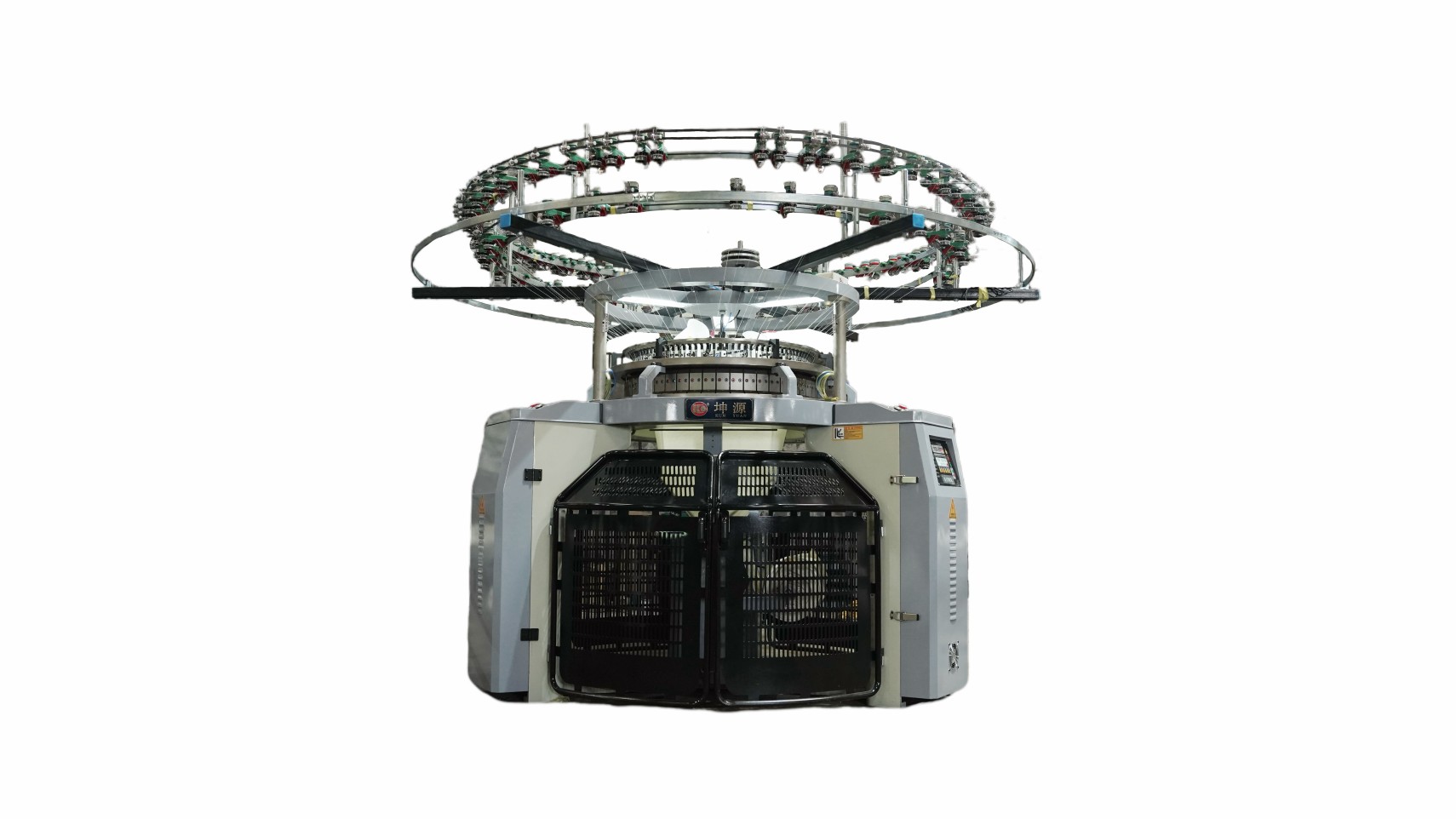
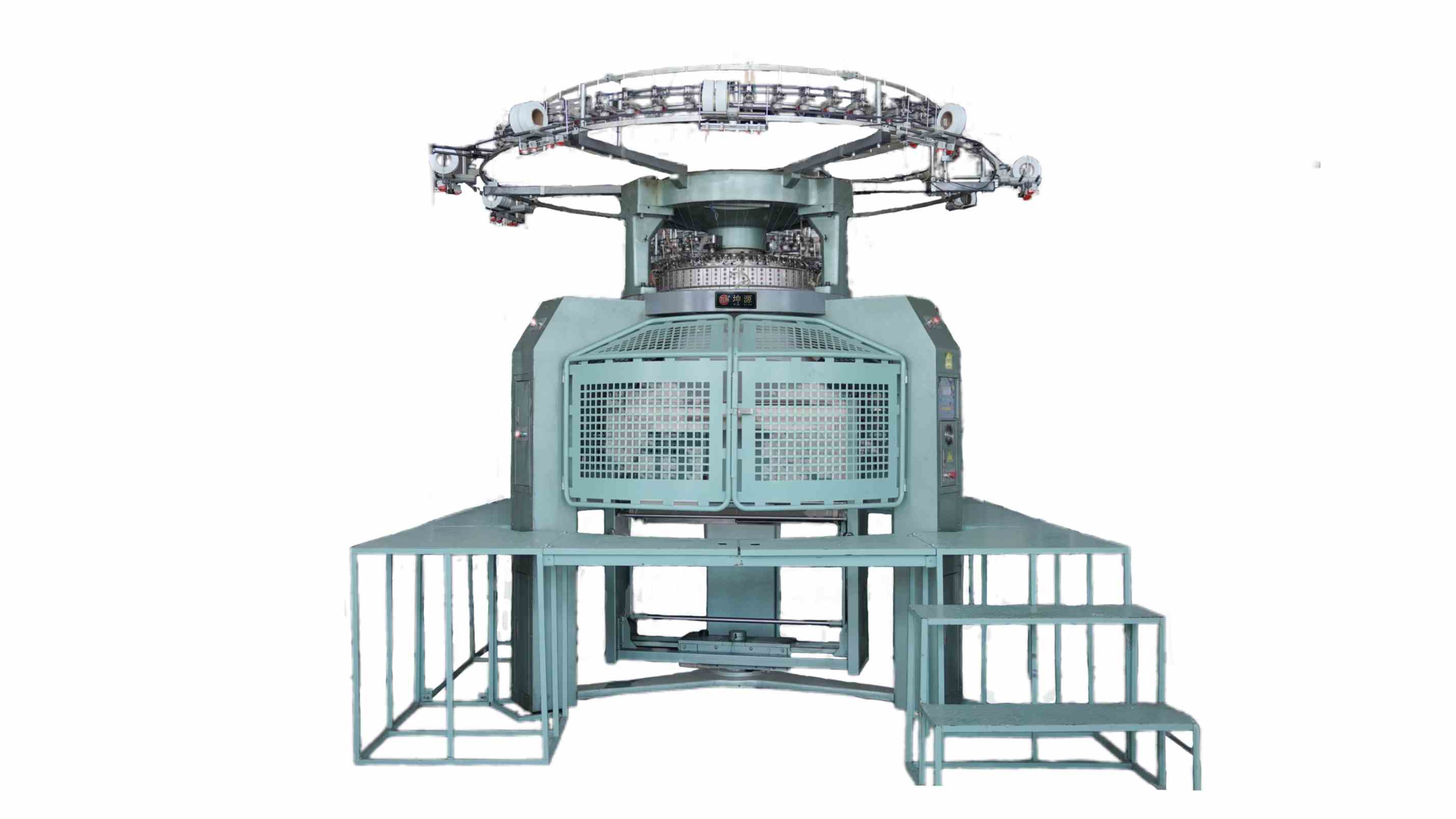
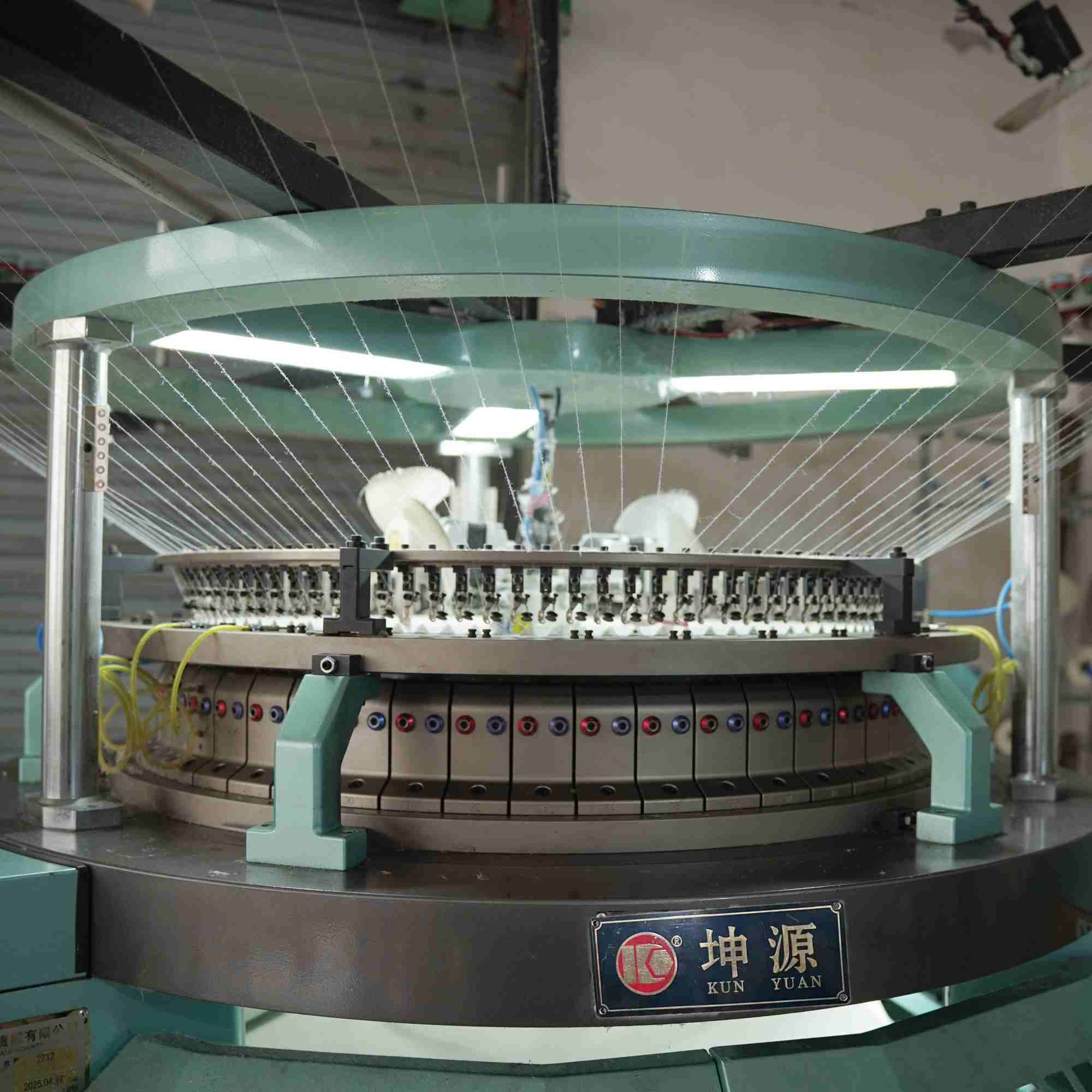
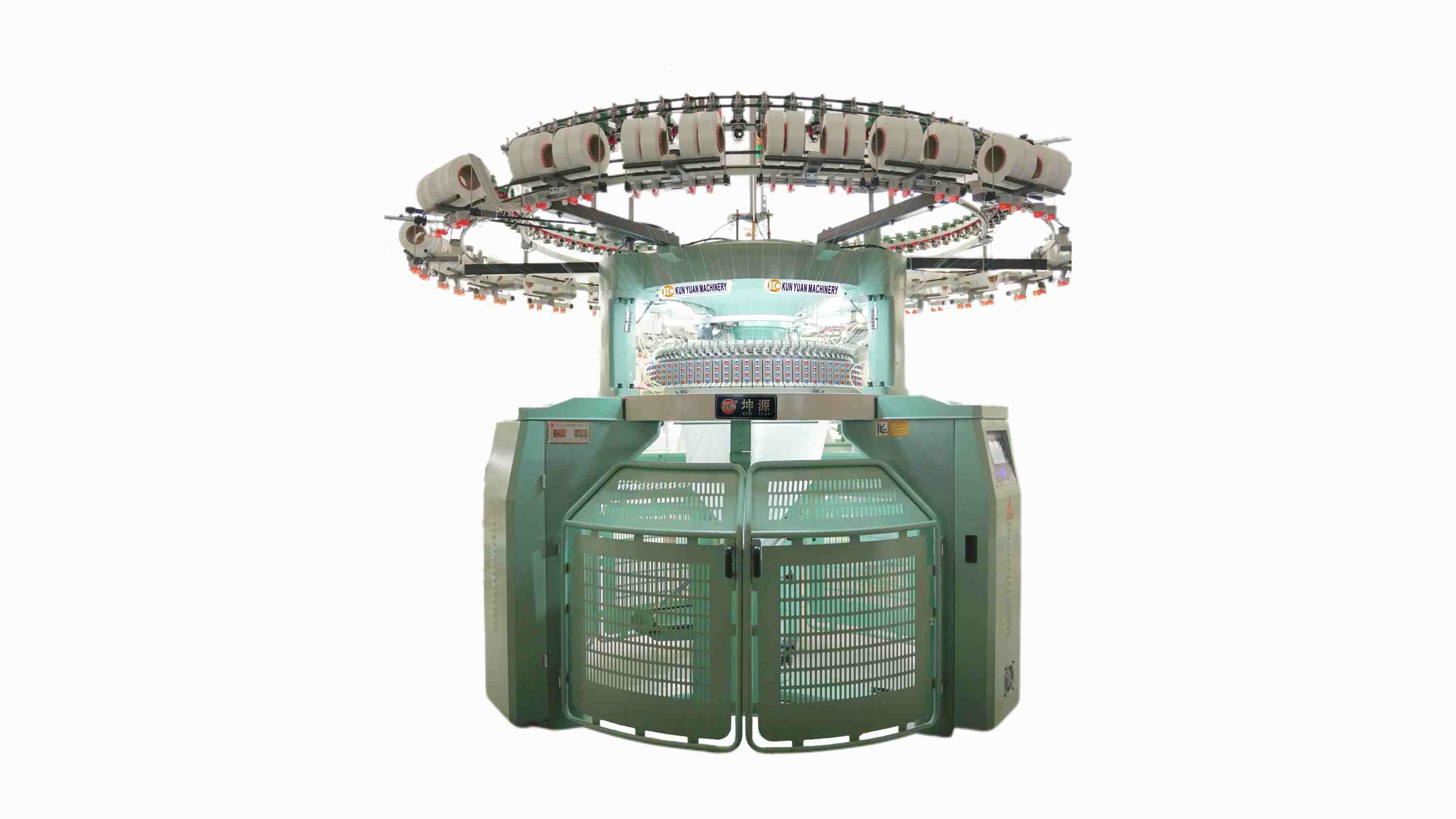
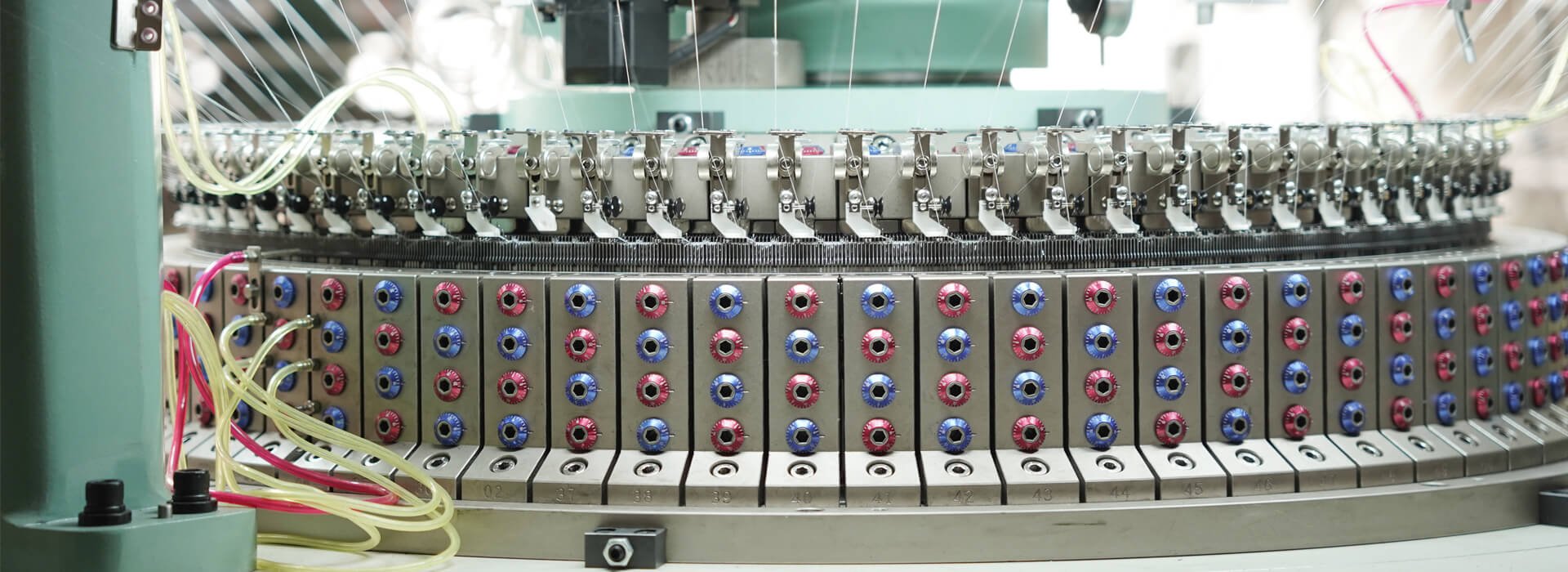
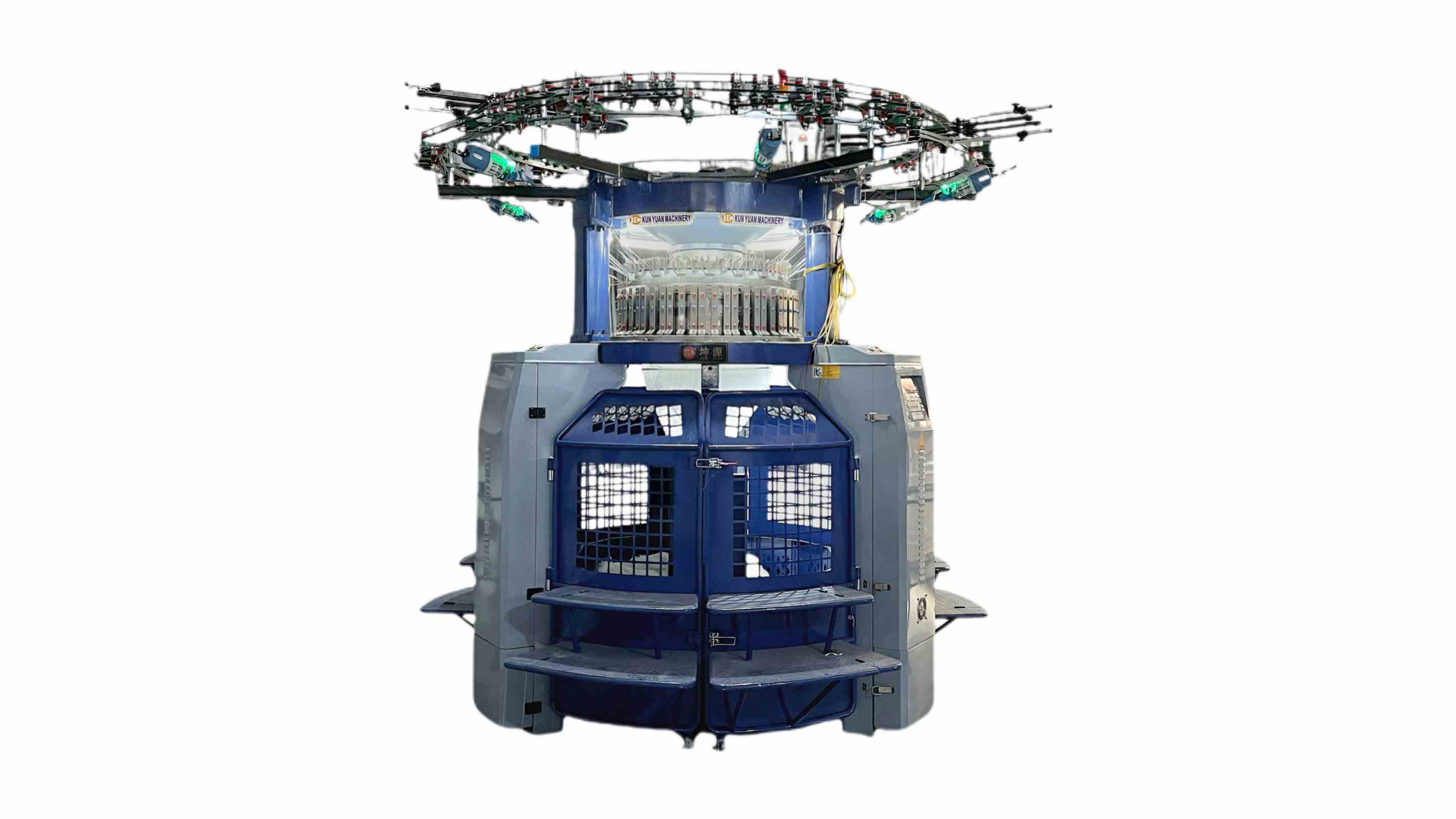
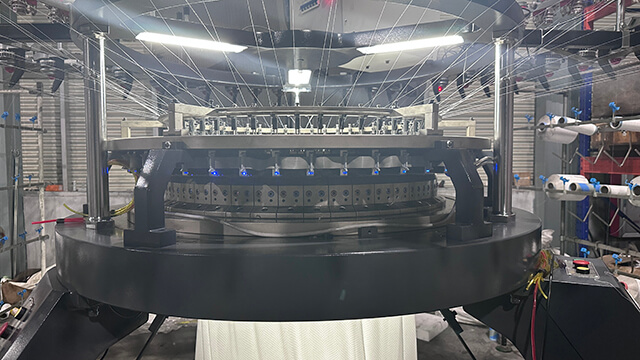
Official seamlesswear ranges include both electronic single-knit and double-knit circular machines. Single-knit equipment can produce individual seamless garments and can use needle-by-needle selection for structures and color effects, depending on the model. Double-knit equipment adds cylinder-and-dial knitting capability for rib and links structures on supported configurations. The right architecture follows the garment, not the broad label “underwear machine.”
| Product question | Single-knit route may suit | Double-knit route may suit |
|---|---|---|
| What structures are central to the range? | Single-jersey-based zones, mesh, color or stitch effects supported by the selection system | Rib, links or other structures requiring cylinder-and-dial action on the offered model |
| How should the machine be compared? | Selection points, feeds, diameter, gauge, yarn package and achievable garment program | Cylinder and dial selection, transfer or welt functions where offered, plus the same garment constraints |
| What must a trial prove? | Zone definition, appearance, stretch, recovery and separation/finishing route | Structure integrity on both systems, sizing, recovery and reliable piece separation where applicable |
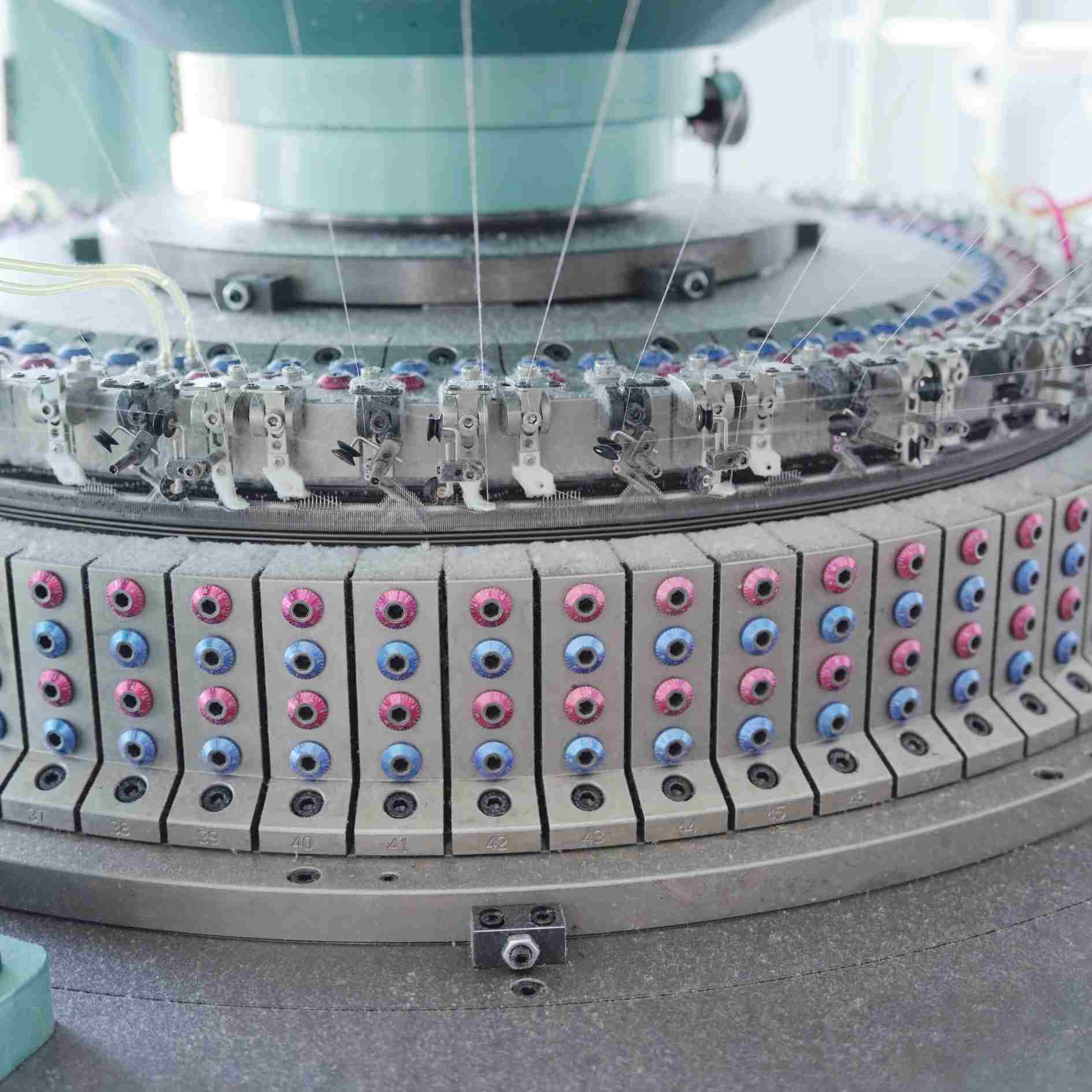
Do not copy technical values from a different model. Feed count, selection method, diameter and gauge are configuration-specific. Ask for the offered model sheet and a program trial using the intended yarn.
In body-size production, machine diameter is part of the sizing strategy. One cylinder does not automatically cover every market size with the same fabric feel. The design team may change stitch length, elastic plating, zone width or finishing, but excessive compensation can distort recovery and appearance. Build a size matrix before the first program is written.
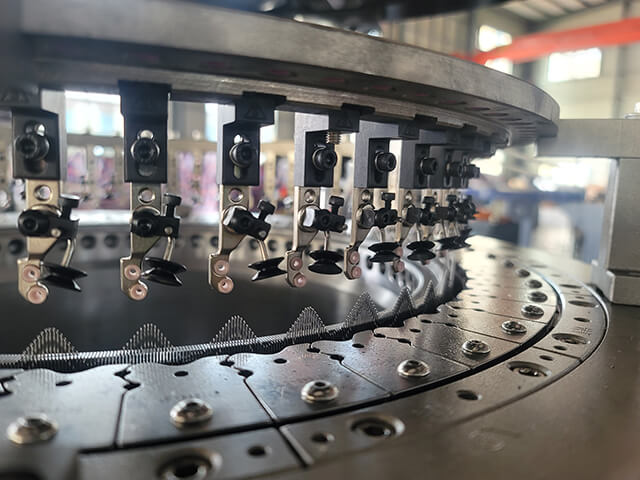
Yarn behavior can change zone definition. Elastane feed, filament friction, yarn variation and tension influence loop formation and garment recovery. A program that looks correct in greige form may change after dyeing, heat setting or repeated stretch. Run the intended yarn combination through the complete finishing route before approving the machine program.
Record yarn identification, feeder assignment, stitch data, machine speed used for the trial, stop history and finished measurements. If a zone fails, change one controlled variable at a time. This is slower than rewriting several program values together, but it shows whether the problem came from construction, yarn delivery, finishing or sizing logic.
A credible acceptance set includes more than the best-looking garment. Choose at least one demanding size, one structure transition, one ventilation or decorative zone and the normal production style. Include start-up and steady-running samples when practical. Inspect the inside as well as the outside, because float control, plated yarn position and local distortion may not be visible from the presentation face.
The handover package should contain the approved programs, machine configuration, yarn map, size table, settings, fault photographs and training notes. Keep versions under control. If the buyer later changes yarn or finishing, the team can return to a known baseline instead of guessing which edit caused the result.
It can reduce seams by knitting a tubular or shaped piece, but cutting, separation, finishing, attachment and other operations depend on the garment design and production route.
That depends on garment dimensions, yarn, structure, stretch and the acceptable fit window. Confirm the range with a diameter-to-size sample matrix.
It provides a different knitting architecture, but added capability only has value when the product range uses it. Compare required structures, programming, changeover and operator skill.
Provide the yarn package, garment drawing, size table, zone map, finishing route and measurement method. A reference garment helps, but it should not replace written tolerances.
Give each approved file a revision, machine configuration and sample reference. Production should not overwrite the accepted baseline without a recorded reason and another check.
Seamless underwear development works when the team connects garment zones, machine architecture, diameter, yarn and finishing in one sample plan. The machine is one part of that chain. A clear size matrix and controlled program record do more for repeatability than a long list of features without a garment brief.

 Tel: +86-13859034518
 Email: info@kunyuanmachine.com
 MP/WhatsApp: +86-13859034518
 Manufacturer Address:Bacuo Village, Yonghe Town, Jinjiang City, Fujian Province