Price the production system the mill will actually operate
A lower purchase price can become an expensive choice when the offered configuration misses a core structure, requires frequent long conversions or produces weak accepted yield. A higher specification can also waste capital when options remain unused. The cost model should begin with the annual product mix, not a prestige feature list.
Group planned fabrics by needle-bed route, diameter, gauge, yarn devices, patterning and frame requirement. Estimate annual volume and change frequency for each group. This reveals which options are shared, which require change parts and which products may deserve a dedicated machine.
Keep estimates visibly separate from measured data. Supplier examples and catalogue speeds help screen a configuration, but buyer-yarn trials, factory stop history and local service terms should replace those assumptions before a final investment decision.
01
Normalize the delivered configuration before comparing purchase price
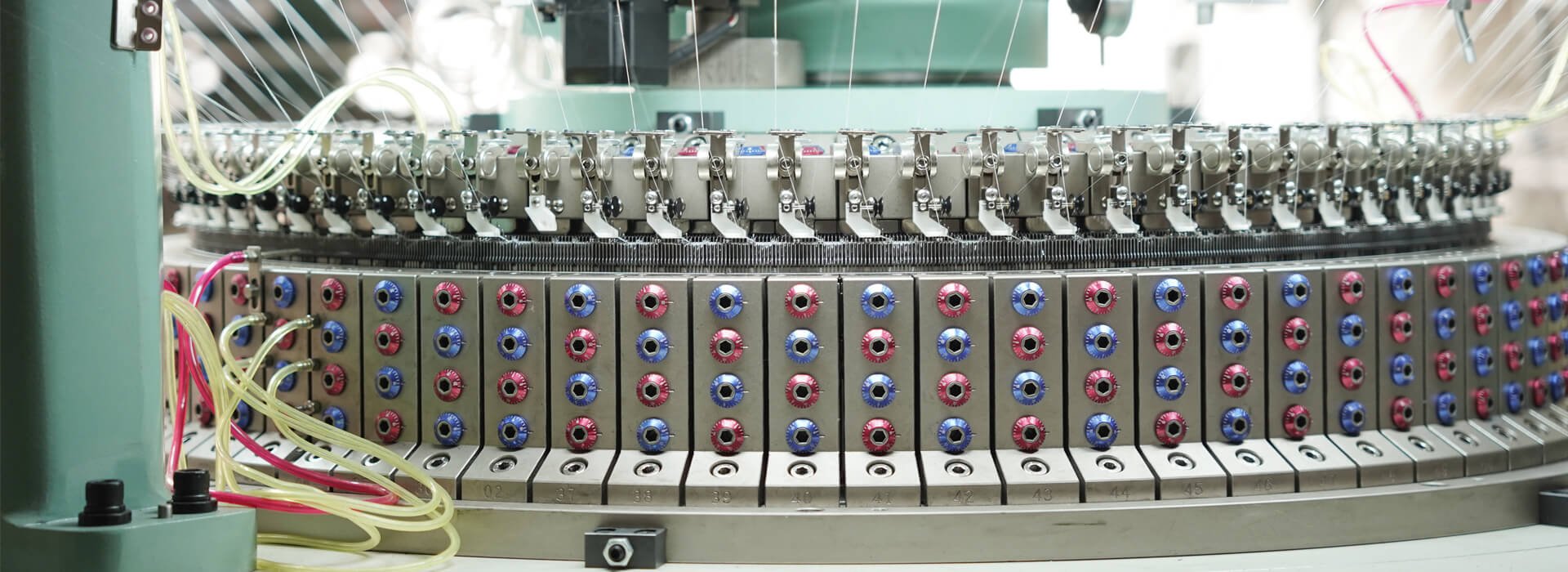
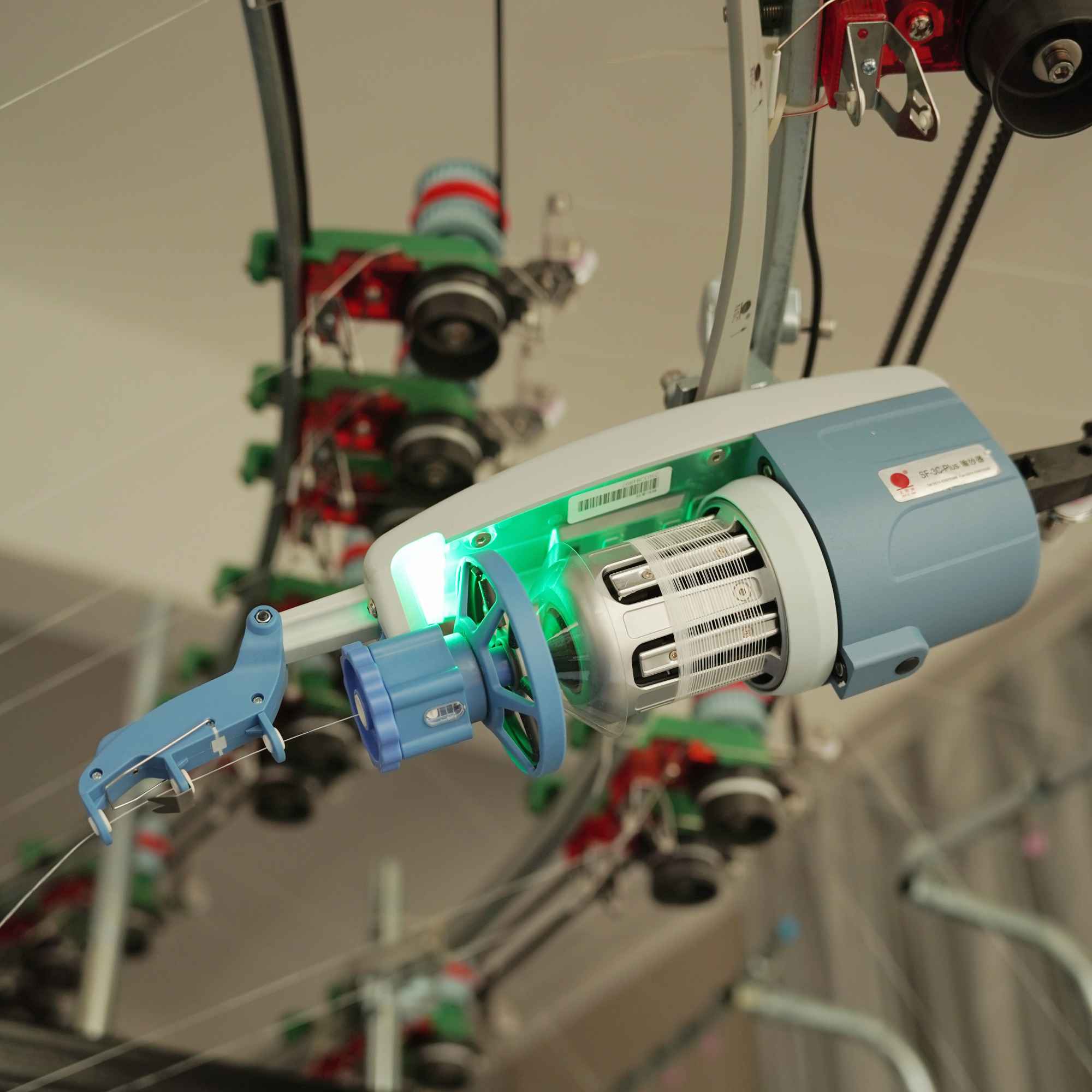
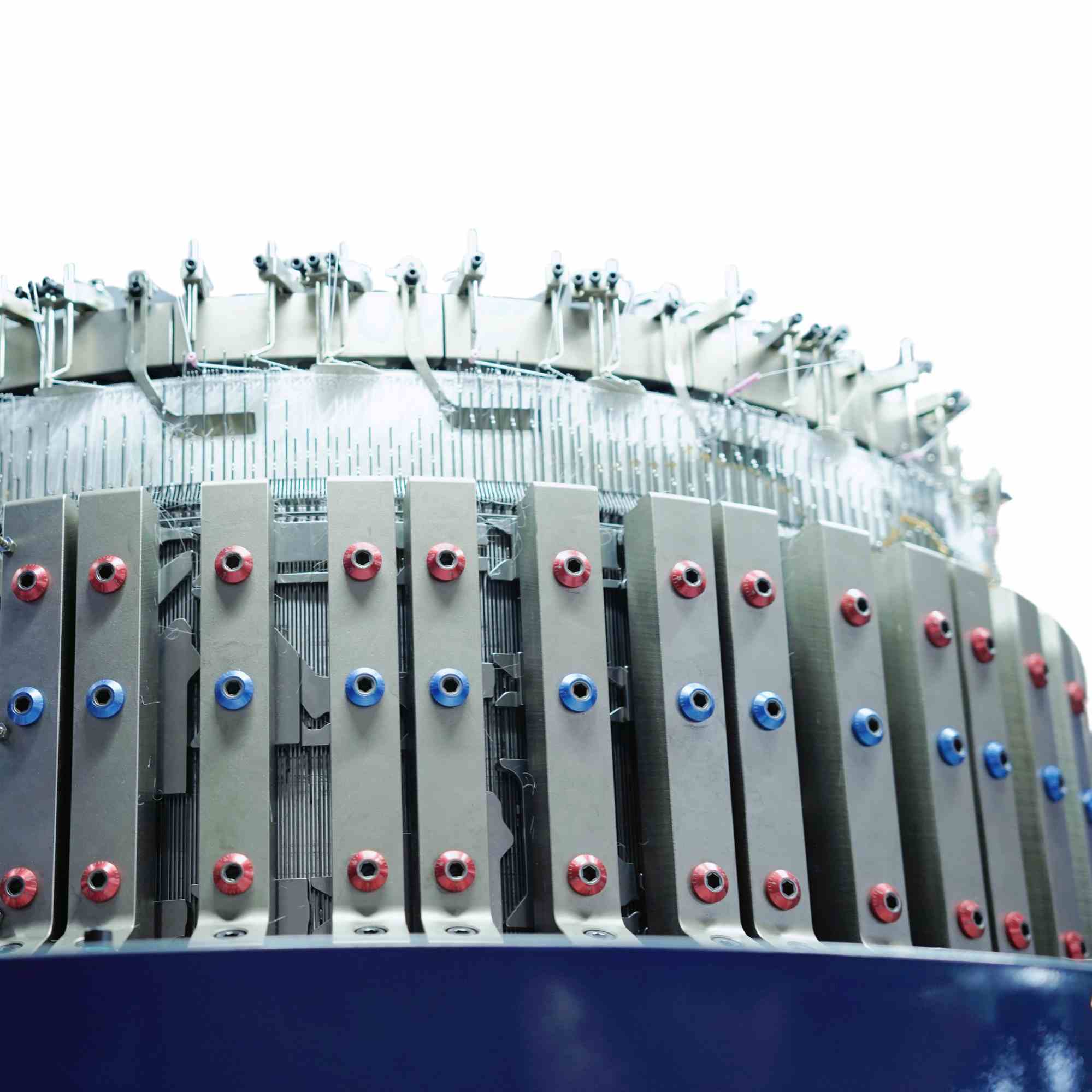
Build a line-by-line list for the knitting head, frame, feeders, elastomer devices, take-down, open-width equipment, control, pattern software, change kits, initial needles and sinkers, freight, rigging and commissioning. Mark standard, optional, buyer-supplied and excluded items.
A machine with a lower headline price may simply contain less scope. Conversely, an expensive option has no economic value unless the product plan uses it. Keep each capability linked to named annual styles and a trial requirement.
02
Model lost hours and first-quality fabric after every style change
Time changes in cams, needles, cylinders, dial parts, feeders, yarn paths, software, take-down and cleaning. Add the fabric consumed while settings stabilize and the operator or technician skill required. Do not count only wrench time.
Frequent changes can erase the benefit of a versatile platform. Sequence compatible styles, hold proven recipes and compare the annual burden of one flexible machine with two simpler dedicated routes where volume justifies the alternative.
03
Separate energy, downtime and rejected fabric from gross production
Measure electricity under a named fabric and load when the value matters; motor rating is not the same as operating consumption. Log yarn breaks, needle events, cleaning, roll handling, quality holds and accepted yield during representative production.
Value rejected fabric at its true material and processing stage. A defect discovered after dyeing or finishing carries more cost than the same fault caught at the machine, so monitoring and roll-position traceability can have an economic return without increasing RPM.
04
Price response time, spare compatibility and pattern-data continuity
List critical and wear parts by the delivered machine revision, local stock, lead time and recommended quantity. Define remote and on-site response boundaries, travel charges, warranty exclusions and the evidence required before a service case is accepted.
Pattern software, licenses, interfaces and editable files also belong in ownership cost. A mill that cannot reload or adapt an approved style without external dependency may face delay long after the hardware invoice is paid.
Compare delivered scope rather than a bare machine price.Record changeover time through first stable accepted fabric.Quality losses and late rejection belong in the ownership model.
Five-year cost ledger
Cost band
Measured input
Scenario input
Risk reserve
Delivered capital
Signed scope and invoices
Exchange, freight or site allowance
Missing option or rigging change
Changeovers
Observed hours and stabilization waste
Annual style schedule
Unplanned configuration swap
Production losses
Stops, energy and accepted yield
Volume and utility rates
Finishing-stage rejection
Support/data
Parts, licenses and service terms
Usage and renewal plan
Obsolescence or response delay
Circular-machine cost questions
Is total cost of ownership a single percentage added to price?
No. Build visible lines from the mill's product schedule, measurements and local commercial terms so assumptions can be changed independently.
How should energy be compared?
Measure consumption during the same named fabric and production state. Rated motor power or unrelated catalogue examples are not equivalent.
When is a conversion kit economical?
Compare its capital and annual change burden with the volume, margin and utilization of a separate machine. Include first-quality stabilization after conversion.
Which downtime belongs in the model?
Include planned cleaning and changes, yarn or operator events, machine faults, waiting for parts and quality holds. Keep causes separate so improvement is actionable.
Why include software and pattern files?
Licenses, compatibility, training and editable data affect how quickly styles can be loaded, revised and recovered after control changes.
Conclusion
A circular weft machine earns its place through the product mix it serves at accepted quality, not through purchase price or maximum capability alone. A transparent cost stack shows where flexibility pays, where a dedicated route is simpler, and which assumptions need a trial or contract term before approval.
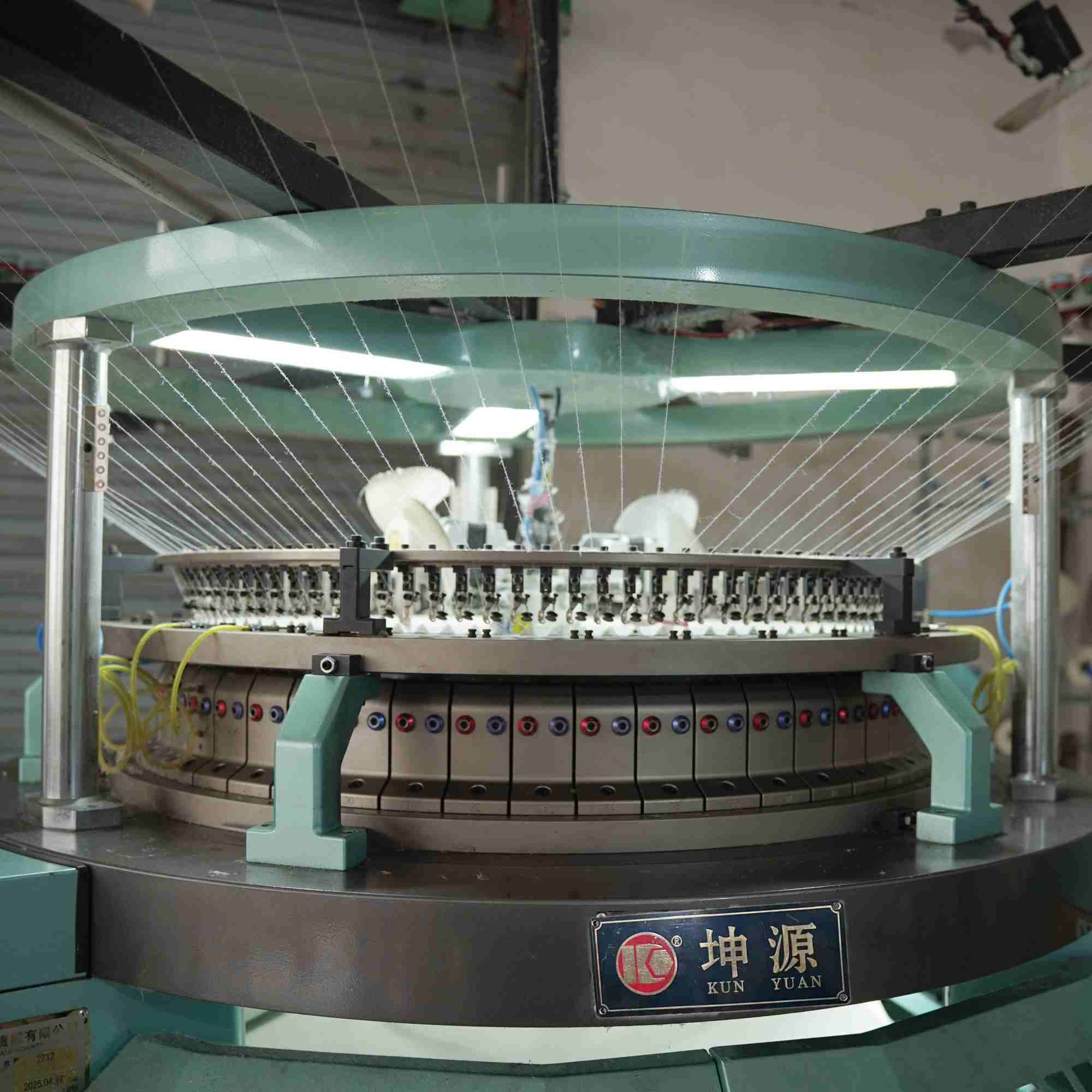
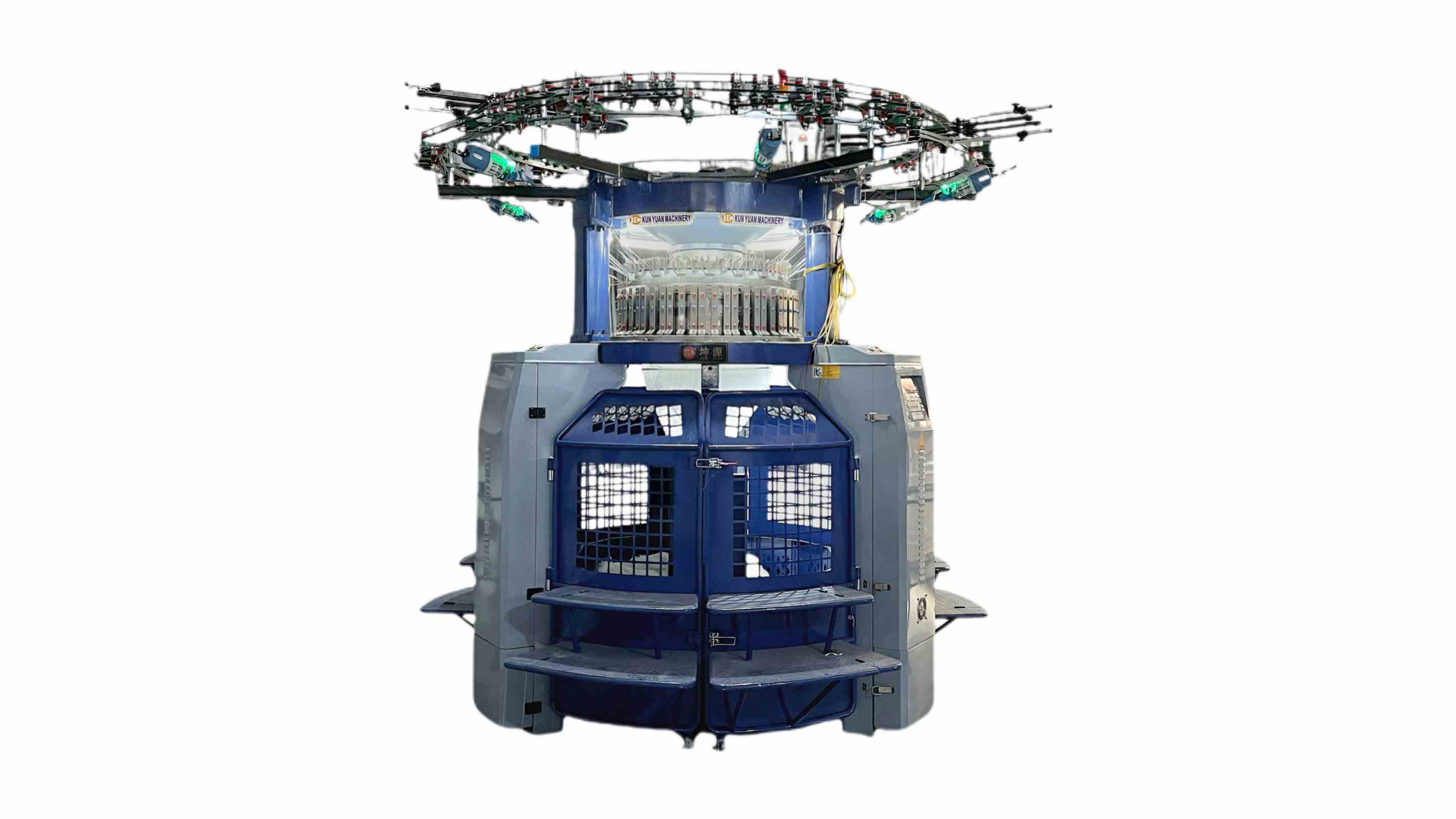
Use the cost stack while comparing configurations in the circular weft knitting machine range and attach each option to a named product family, annual use and acceptance test.




 Tel: +86-13859034518
 Email: info@kunyuanmachine.com
 MP/WhatsApp: +86-13859034518
 Manufacturer Address:Bacuo Village, Yonghe Town, Jinjiang City, Fujian Province