

Hot Keyword:
Author:KUNYUAN Machine Manufacturer TIME:2026-08-28
Rib fabric is formed by coordinated needle actions in cylinder and dial. When a line, dropped loop or recovery change appears, the pattern of the fault can guide inspection—but the approved machine reference, safe service procedure and one-variable test must decide the corrective action.
Mark the roll before stopping. Record machine direction, time, yarn packages, speed, style and recent interventions. Repeating marks at a stable interval suggest a machine-position or feed relationship; random faults may begin with yarn or handling. This classification is more useful before adjustments disturb the evidence.
Rib machines differ in needle tracks, timing ranges, yarn guides, plating and take-down. The mechanism explanation below is deliberately general. Measurements, clearances and adjustment limits must come from the exact model manual and trained service personnel.
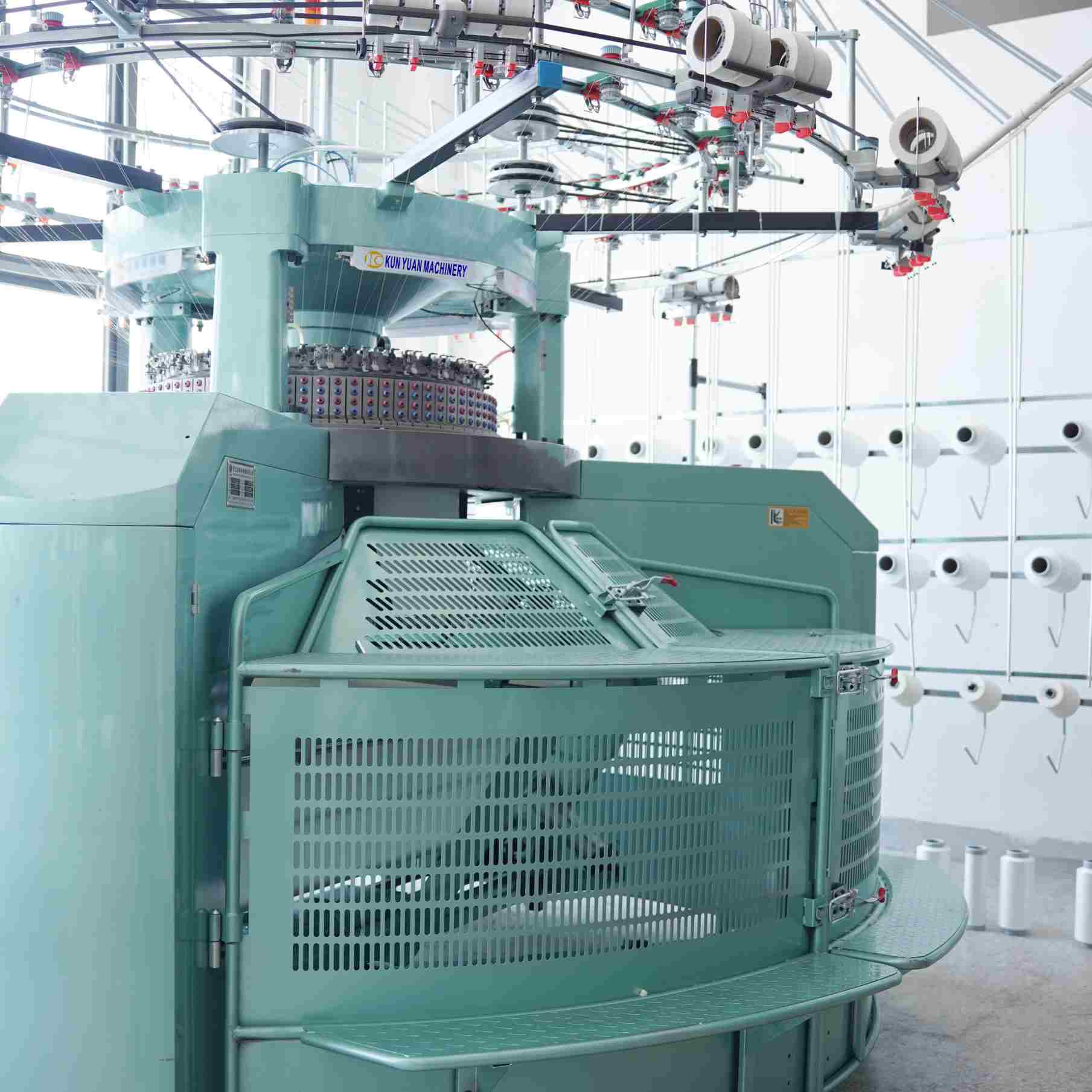
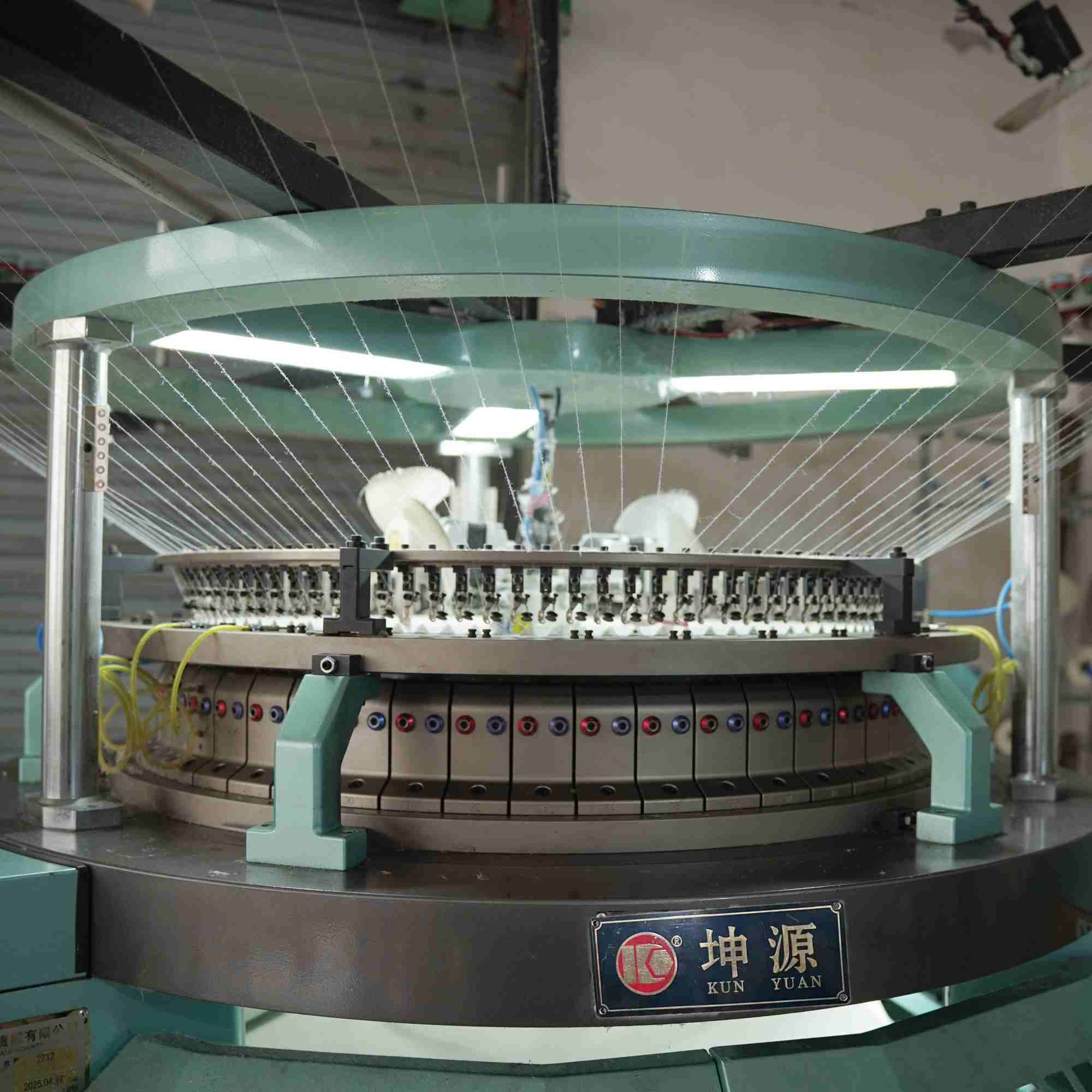
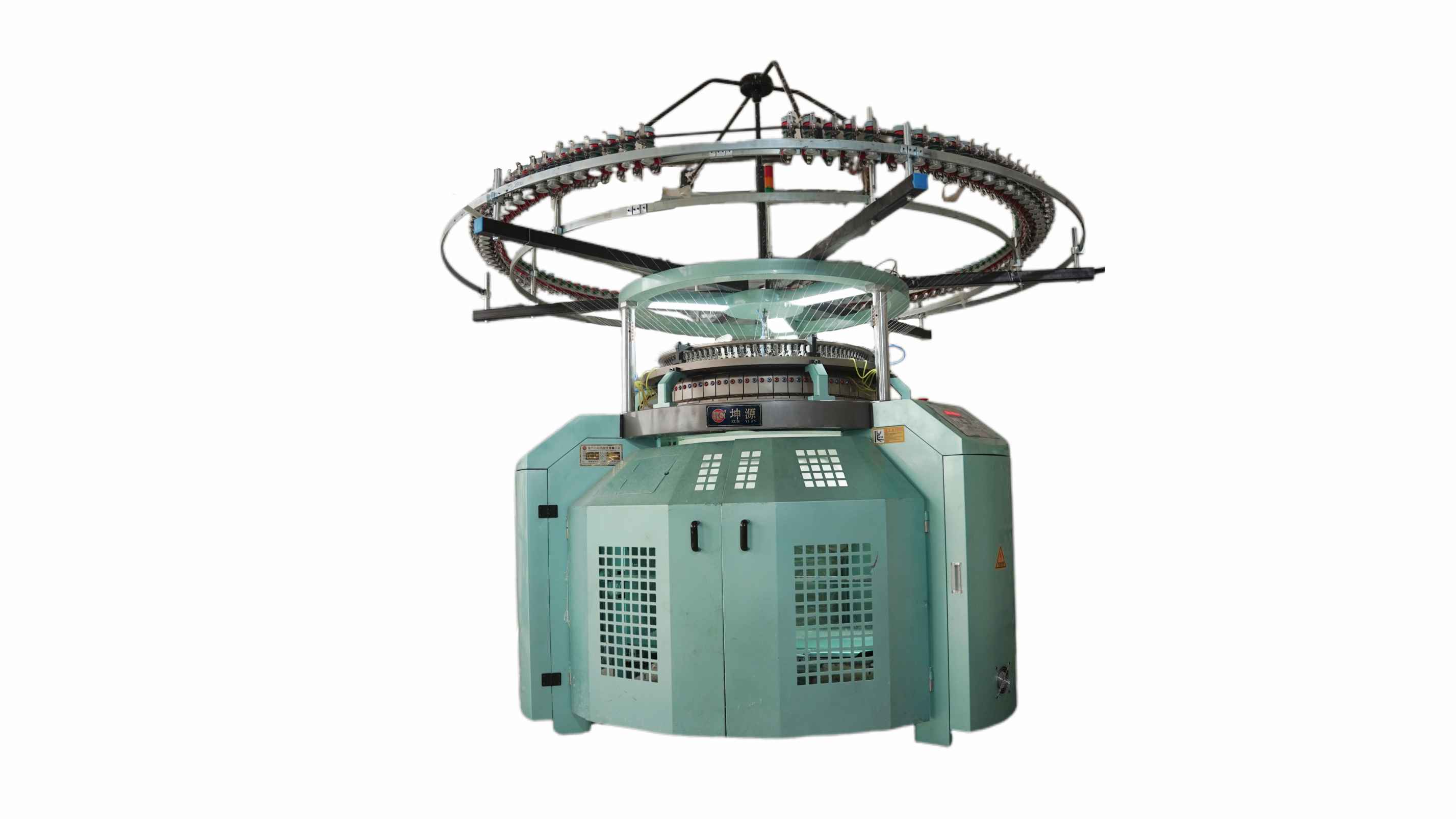
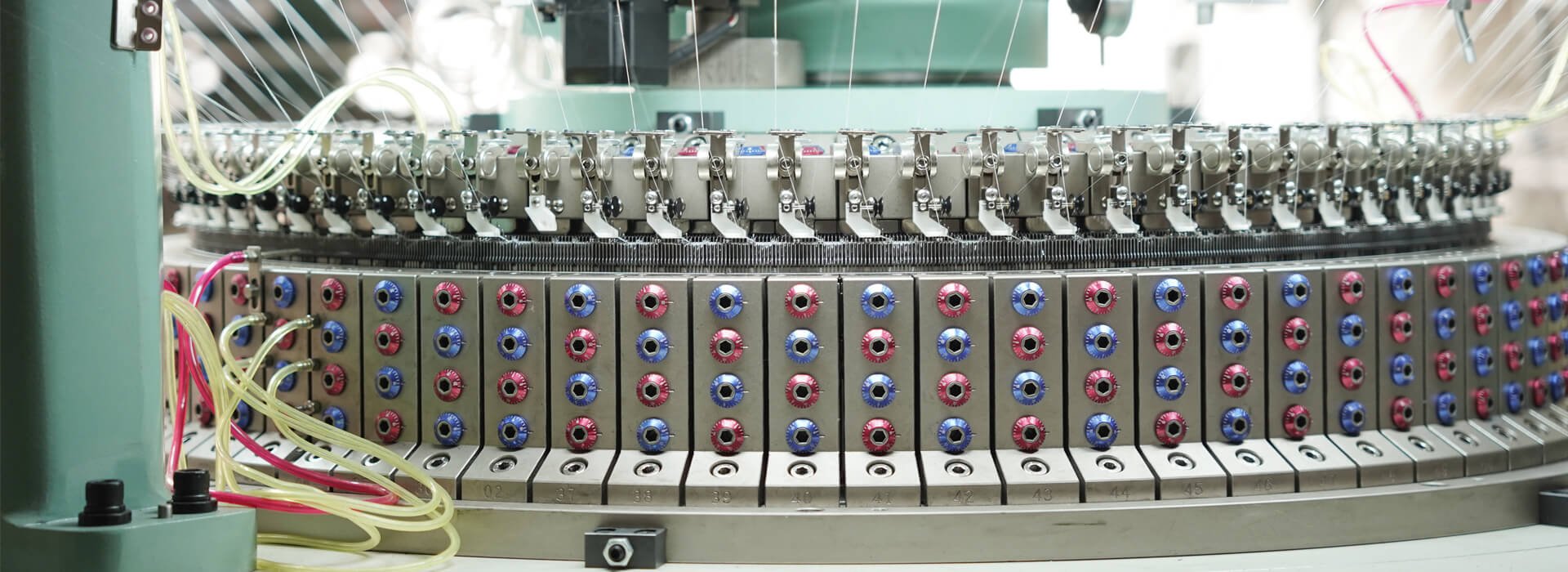
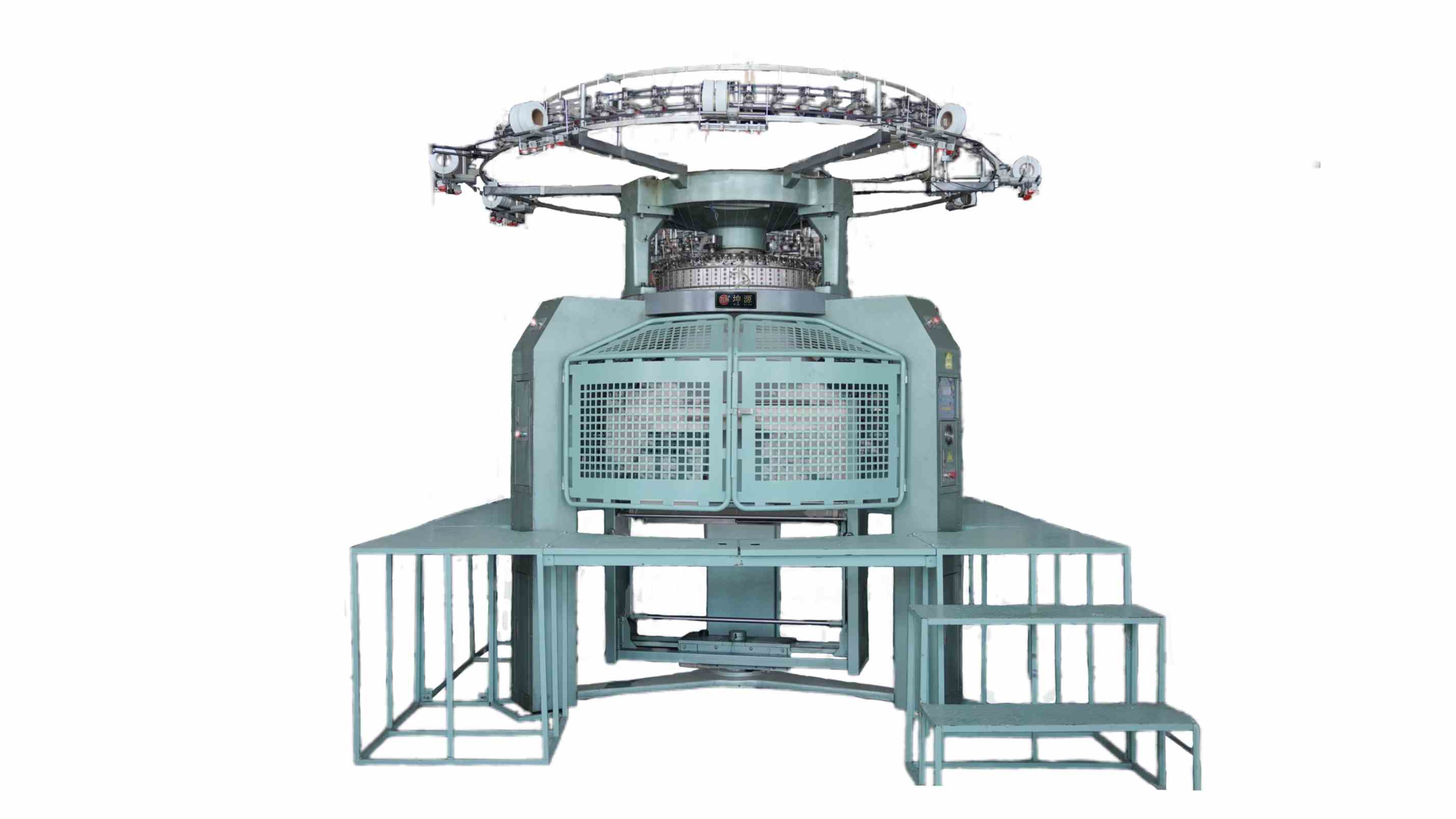
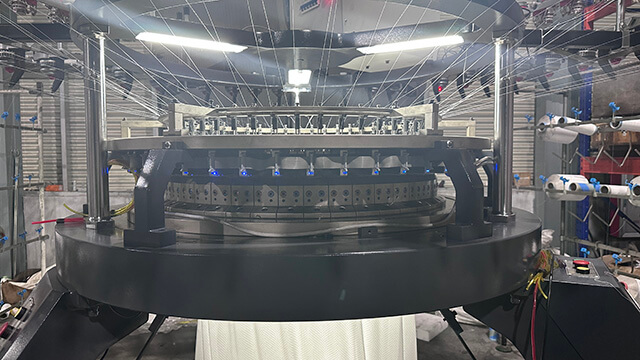
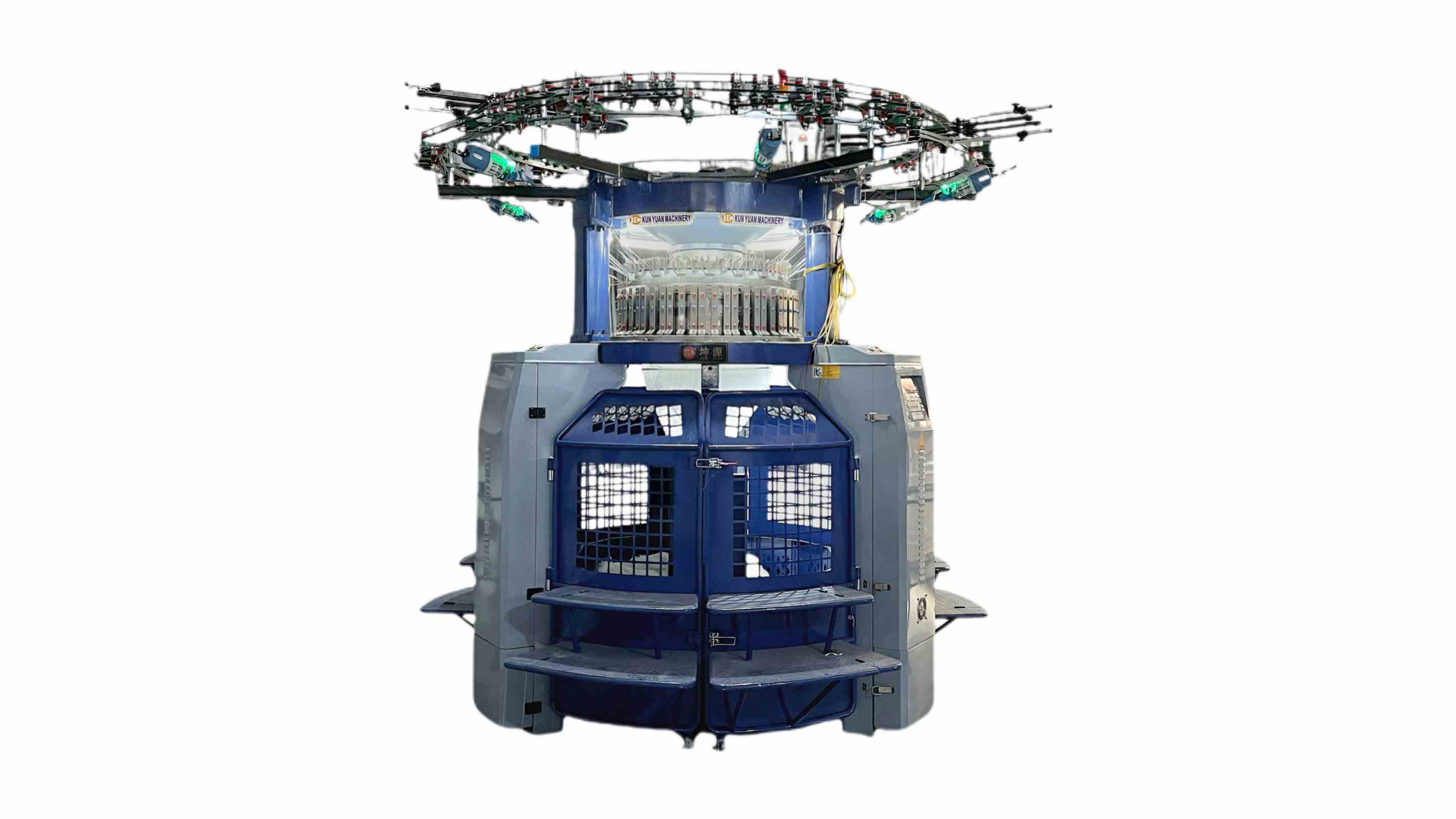
Observe how the yarn is presented and how cylinder and dial needles form the intended alternating structure. A clean rib needs compatible needle movement, yarn delivery and fabric take-down; none of those can be diagnosed from a stationary exterior photograph.
Use slow, safe observation procedures authorized for the machine. Note whether a defect begins at yarn entry, one needle track, loop release or fabric handling. Preserve the location before replacing parts.
| Fabric signal | First location clue | Controlled check | Evidence to retain |
|---|---|---|---|
| Single vertical line | Needle, track or feed position | Inspect matching elements and yarn path | Full-width marked swatch |
| Repeating bands | Periodic feed, take-down or setting event | Compare interval with machine record | Roll-position map |
| Random thick/thin place | Package, yarn or handling event | Swap one labelled package or path | Yarn label and event time |
| Restart bar | Stop/restart sequence | Repeat documented recovery | Before/after restart sample |
A vertical line tied to one feed, track or needle position deserves a different first check from scattered thick places or package-related breaks. Measure the repeat around the fabric and compare face and reverse. Mark every suspicious position on the roll rather than cutting anonymous swatches.
A restart bar belongs to time, not circumference. Connect it to stop reason, needle position, take-down response and the operator's restart sequence before blaming timing.
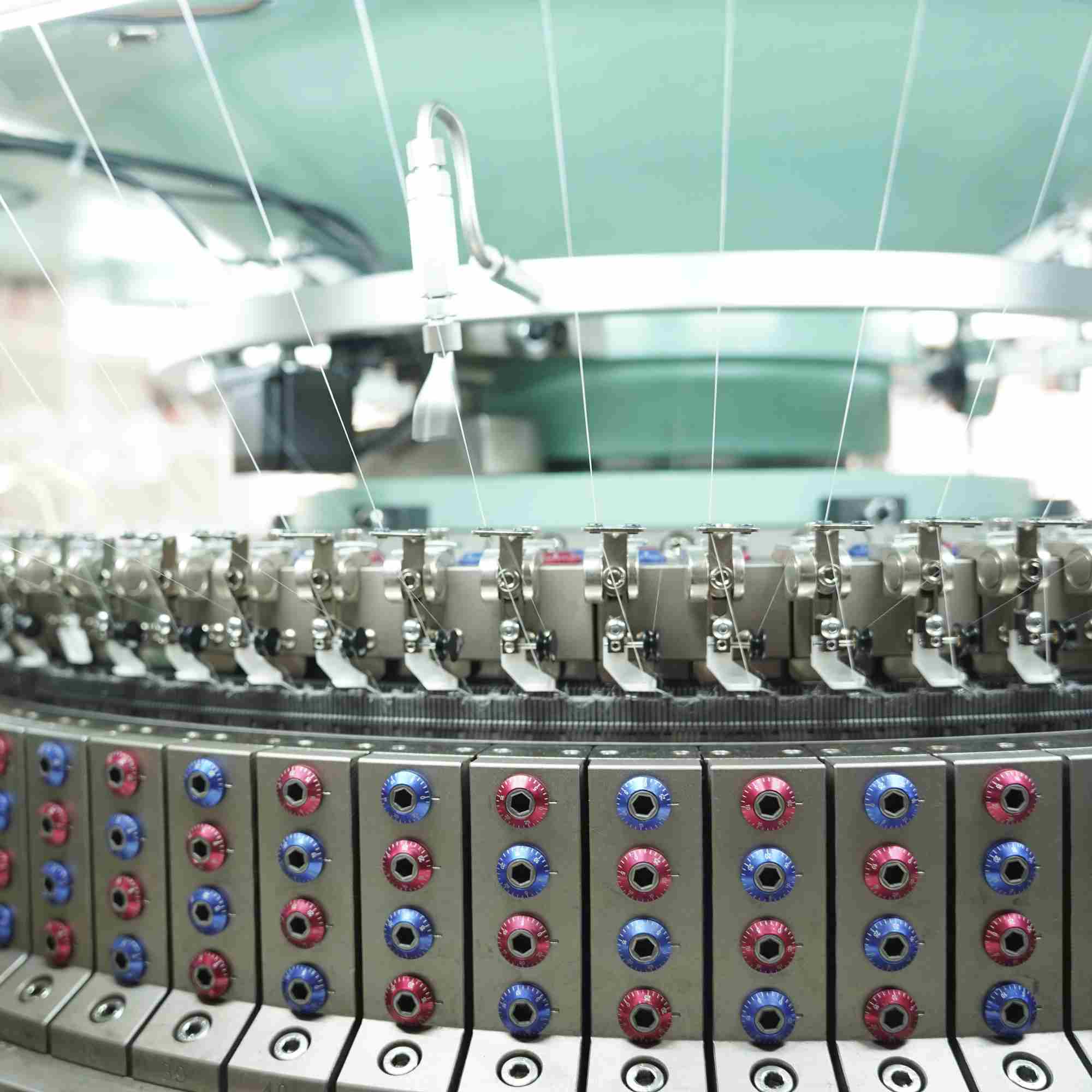
Inspect needles, dial elements, cams, guides, lint, lubrication and package path against the machine documentation. Replace only verified damaged or incompatible parts and record their designation and position. A worn element can imitate poor timing, while a tension event can imitate a mechanical line.
If a reference adjustment is required, measure the existing condition first and change one named variable. Produce a marked comparison section before any second adjustment.
Return to a defined operating condition, mark the start and knit long enough to judge both the immediate line and stable fabric. Record speed, stops, intervention and the point at which the fault disappears or changes.
Inspect after the agreed relaxation or finishing step. Rib recovery and appearance can shift downstream; a machine-side improvement is not complete until the commercial fabric standard passes.
No. Needle, dial element, cam track, yarn feed, guide or other position-linked conditions can produce a line. Inspect evidence before replacing parts.
Use the exact machine reference and trained procedure. Visual fabric comparison helps verify a change but does not establish safe mechanical limits.
The reverse can reveal missed loops, plating or bed-related differences that the commercial face conceals.
No. Multiple changes destroy the link between cause and result. Measure the starting condition and change one recorded variable.
When the same yarn and documented settings reproduce stable fabric through a controlled restart and the relevant finished checks pass.
Rib diagnosis works from evidence inward: preserve the fabric position, classify the repeat, inspect the matching yarn or machine area, change one verified cause and prove the restart. That method respects the cylinder-and-dial mechanism without pretending that one universal timing value can fit every model and fabric.
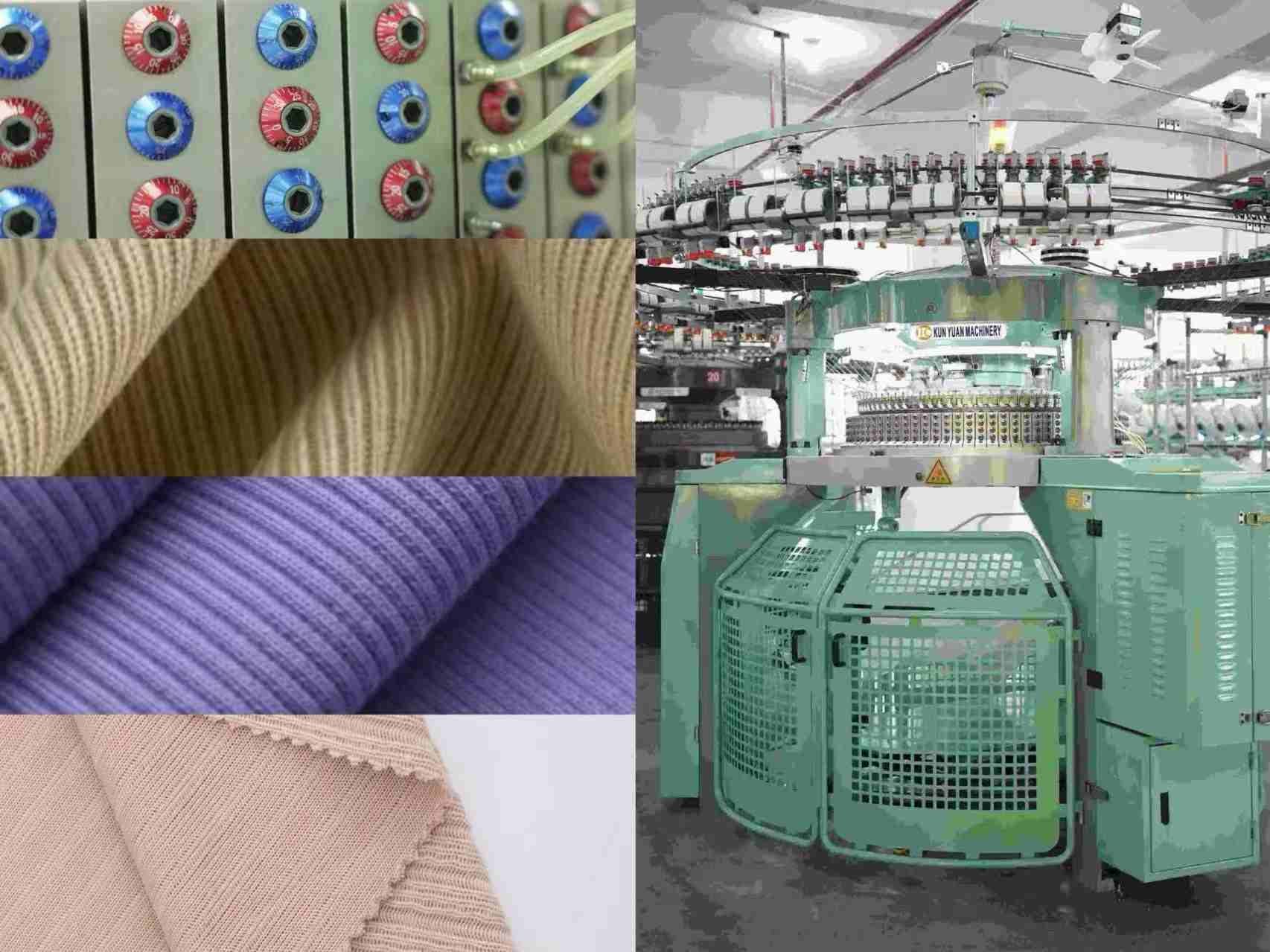
Use the symptom map alongside the exact service documentation for the rib double jersey circular knitting machine range and keep adjustment limits, part identities and restart evidence model-specific.

 Tel: +86-13859034518
 Email: info@kunyuanmachine.com
 MP/WhatsApp: +86-13859034518
 Manufacturer Address:Bacuo Village, Yonghe Town, Jinjiang City, Fujian Province