A recognized name does not identify the machine standing on the floor
Brand, model, serial reference, installed options, controller data and actual knitting condition answer different questions. Installation becomes safer and commercially clearer when documentary identity and physical configuration are verified on separate tracks before they meet at the fabric trial.
Do not infer specifications from a brand search result, an old listing or another machine carrying a similar badge. Obtain the transaction documents and available manufacturer or authorized service records, then compare them with the physical machine and its final supplied documentation.
This approach is especially important for relocated or second-hand equipment, but it also protects a new-machine project from option or revision misunderstandings. No claim here confirms a particular Pailung model or feature; the evidence must come from the exact unit and authoritative records.
Track A — verify the paper and digital identity
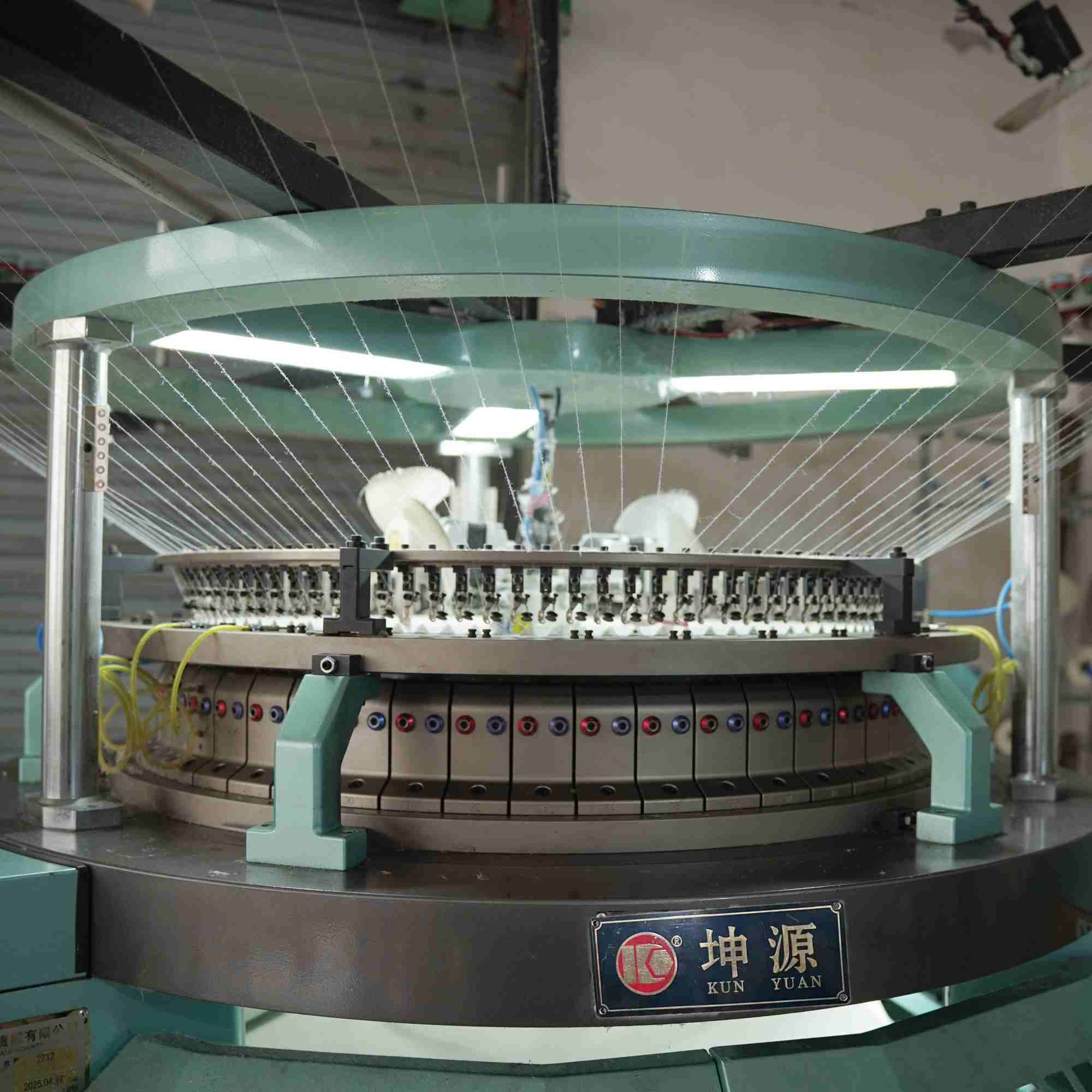
Record the complete nameplate, model designation, serial or production reference, manufacture information, order and invoice description, manuals, parts lists, software revision and parameter backups supplied. Photograph labels in context so a plate cannot be mistaken for a loose component.
Where authenticity or service history matters, seek confirmation through the manufacturer or an authorized channel using the available identifiers. A broker description is commercial evidence, not independent technical confirmation.
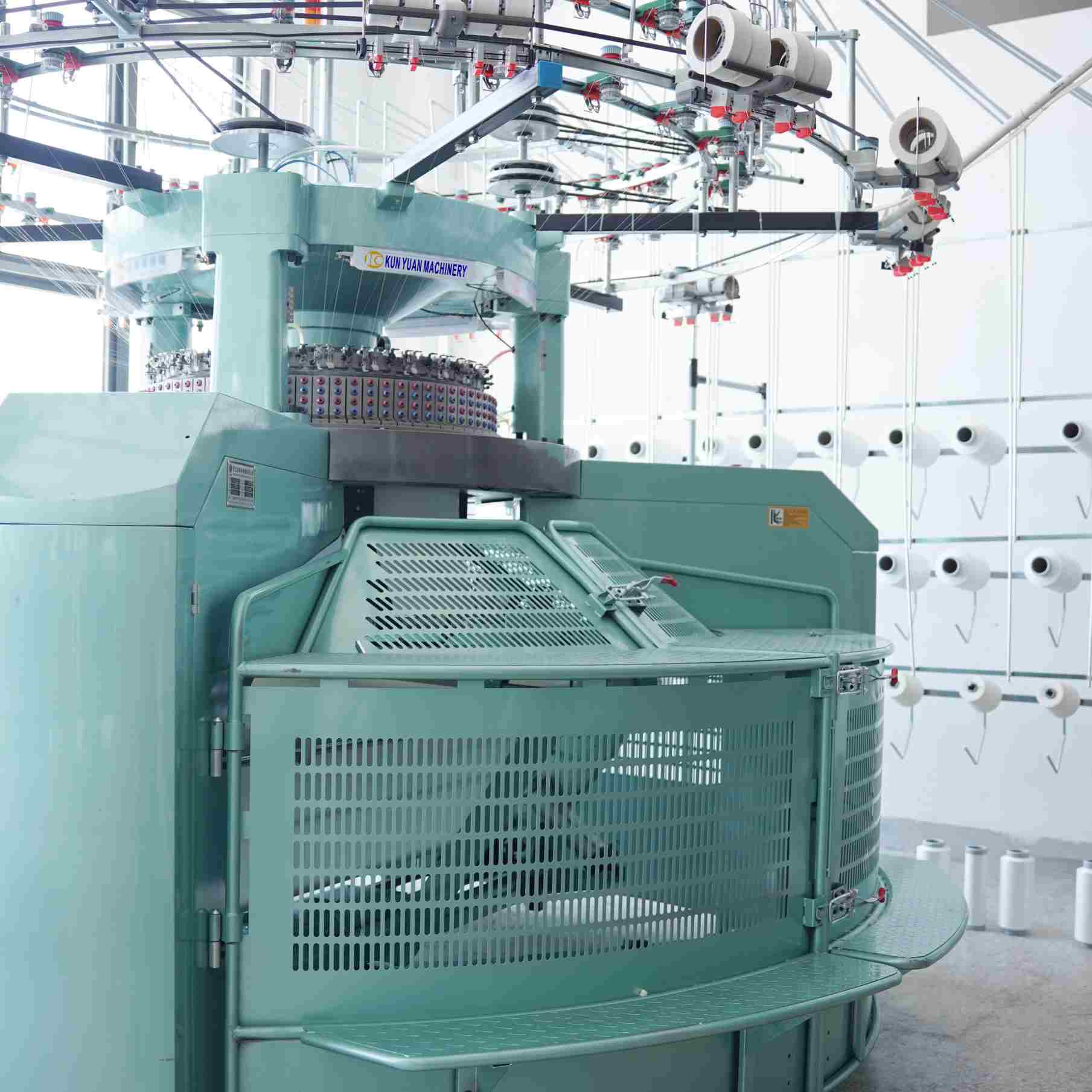
Photograph identity labels in their physical machine context.
Track B — inventory what is actually installed
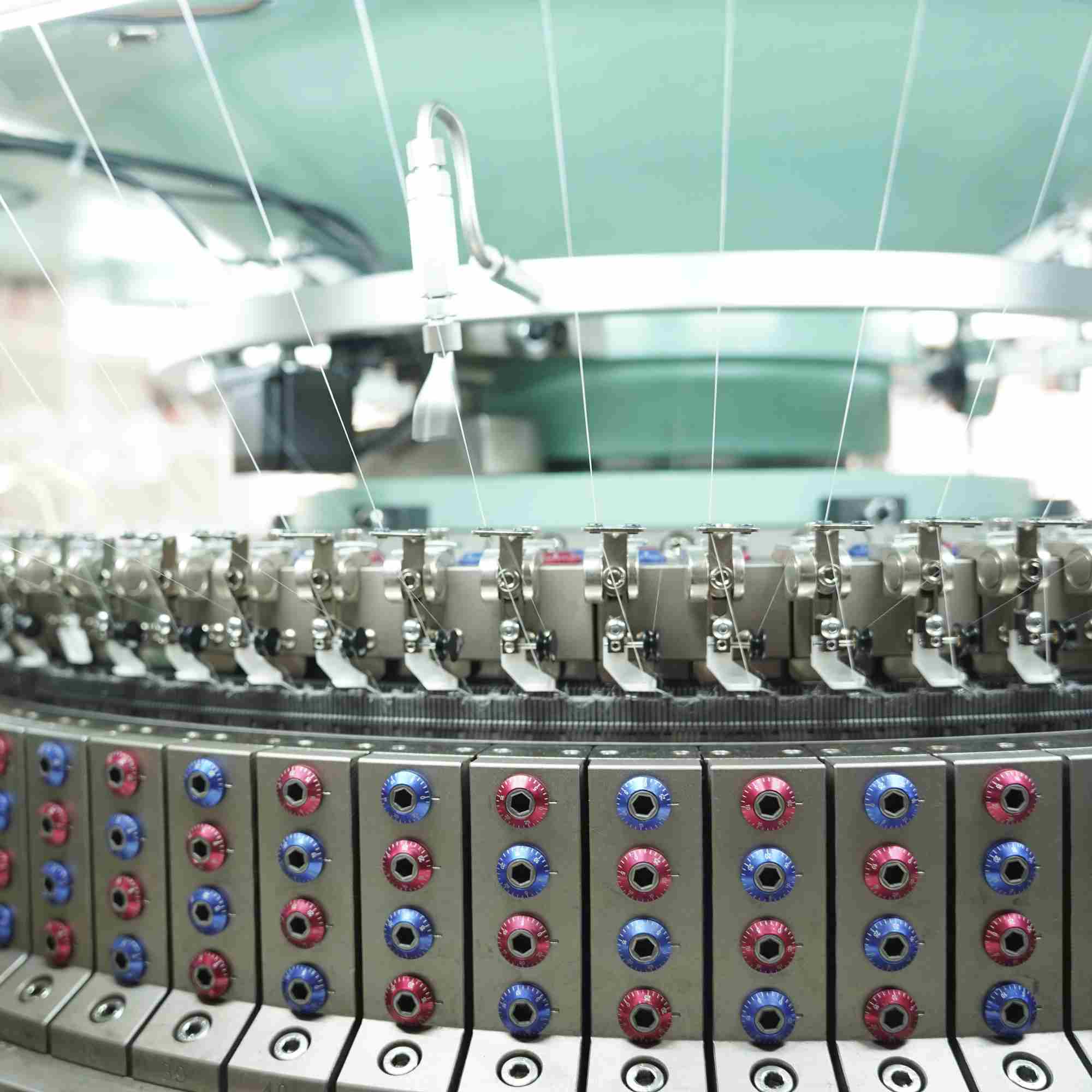
List diameter, gauge, cylinder and dial where fitted, cam boxes, feeders, yarn-control devices, take-down, winding, lubrication, cleaning, control equipment, guards and visible modifications. Compare identities and quantities against the signed order or sale schedule.
Mark replaced, missing or non-original components without automatically declaring them unsuitable. The next step is to establish compatibility and support status through correct documentation and competent inspection.
Inventory installed systems independently from the sale description.
Make every mismatch a decision with an owner
Build a gap register with four possible outcomes: confirmed as supplied, documented approved substitution, repair or replacement required, or unresolved hold. Add the evidence source, responsible person, cost and due date.
Do not resolve a model mismatch by rewriting the acceptance sheet after delivery. When an identity changes, recheck manuals, spares, software, lifting information and the fabric capability that depended on it.
Let buyer yarn decide the production question
Once identity, site and safety gates pass, run a named buyer construction with labelled yarn and a controlled recipe. Record start condition, speeds, stops, interventions, fabric dimensions and defects; retain face and reverse samples from marked roll positions.
Carry the sample through the intended finishing route and repeat the setup after a normal stop. Brand confirmation can support provenance, but only this traceable run answers whether the installed configuration meets the buyer's fabric requirement.
Use a finished repeat run to prove the production requirement.
Brand and configuration reconciliation
Question
Identity-track evidence
Configuration-track evidence
Close condition
What unit is it?
Nameplate and authoritative record
Physical model/serial context
References agree
What was sold?
Order or sale schedule
Delivered component inventory
Scope reconciled
Can it be supported?
Manual and service channel
Installed controller and parts IDs
Documents match build
Can it make the fabric?
No brand inference
Buyer-yarn marked trial
Finished repeat passes
Pailung identity and acceptance questions
Does the logo prove the exact model?
No. Record the complete plate and serial references, then compare them with authoritative documents and the physical build.
Can a substituted component be accepted?
Possibly, but compatibility, safety, support and effect on the contracted scope must be documented before approval.
Why keep identity and fabric trials separate?
One proves provenance and configuration; the other proves performance under the buyer's actual recipe.
Should online specifications be copied into the acceptance sheet?
Only if the authoritative source clearly applies to the exact model, revision and installed options.
What if records are incomplete?
Treat missing identity or configuration evidence as a priced and owned hold point rather than filling the gap with assumptions.
Conclusion
A brand name becomes useful only when it leads to a verifiable unit, supported configuration and correct documentation. Keeping identity and physical inventory independent until the buyer-fabric trial prevents reputation from substituting for evidence.
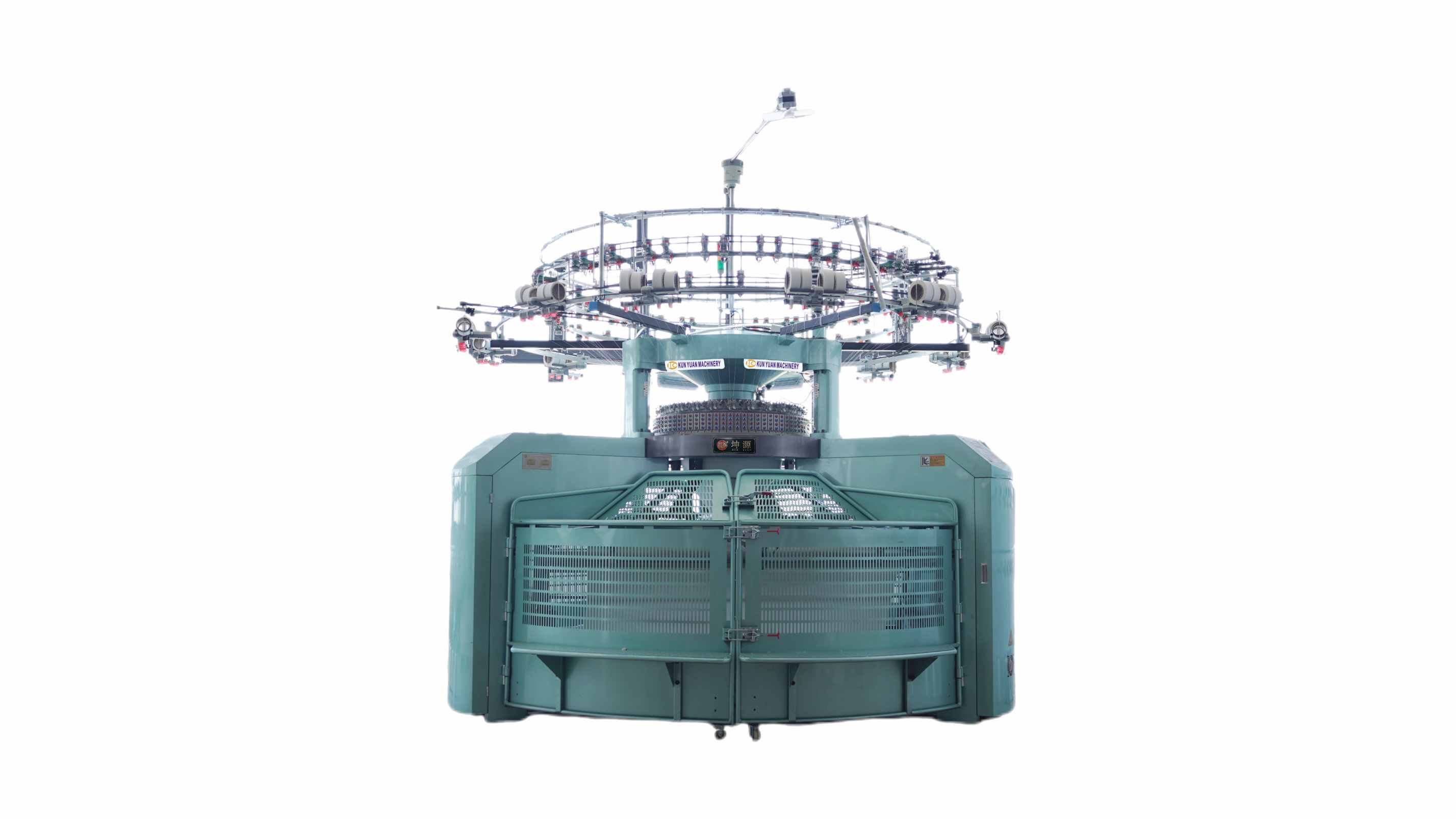
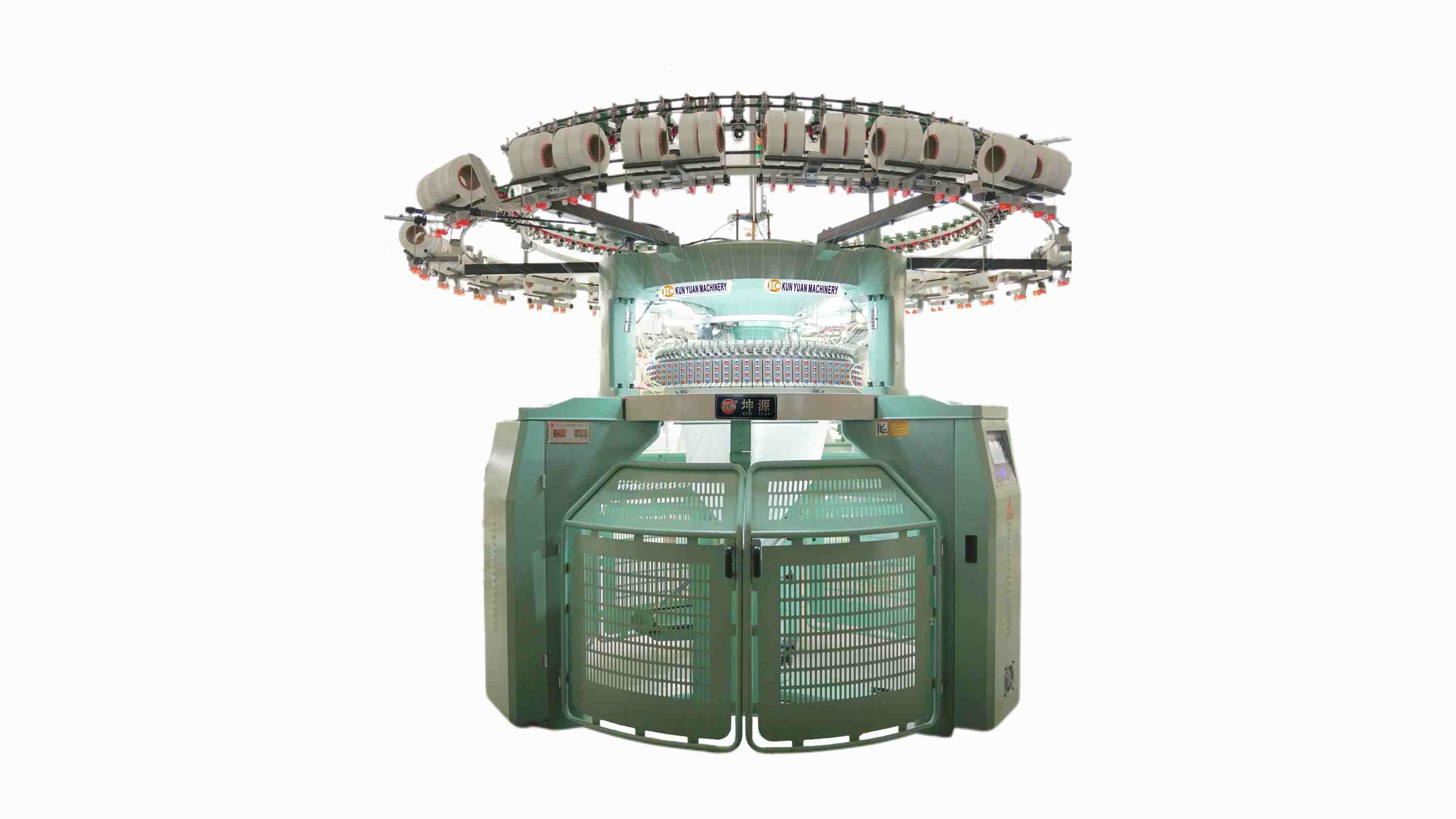
Apply the two-track check before comparing the identified unit with the circular knitting machine range and keep any unsupported brand or model statement out of the final acceptance record.




 Tel: +86-13859034518
 Email: info@kunyuanmachine.com
 MP/WhatsApp: +86-13859034518
 Manufacturer Address:Bacuo Village, Yonghe Town, Jinjiang City, Fujian Province