

Hot Keyword:
Author:KUNYUAN Machine Manufacturer TIME:2026-08-28
Attendance sheets prove that people were present. They do not show whether a new operator can identify the setup, thread the yarn, recover from a stop, recognize a defect or deliver an accepted piece without the commissioning technician taking over.
Build the handover around one real product and a defined production window. Record machine and cylinder identity, needle setup, program or recipe revision, yarn lots, finished measurements and allowed operator adjustments. Keep protected technical settings outside routine operator authority.
Observe performance safely under the manufacturer's operating instructions and the mill's procedures. The purpose is not to race a trainee. It is to expose unclear instructions, missing labels and fragile restart habits while experienced support is still available.
Photograph the approved yarn paths and label packages, feeders, program revision and product size. Attach the accepted sample and measurement sheet. List the normal startup checks in local working language and identify alarms or conditions that require escalation.
Do not hand over a recipe still being changed. If the technician adjusts a value during observation, start a new ledger line and explain its authority and effect.
| Measure | Record method | Pass meaning | Follow-up |
|---|---|---|---|
| Setup retrieval | Correct machine/recipe/yarn IDs | No ambiguous revision | Fix naming or access |
| Event recovery | Timed stop and restart | Procedure followed, fabric passes | Retrain specific step |
| Accepted output | Released pieces per observed hour | Quality included in rate | Address loss source |
| Escalation | Fault evidence and contact path | No unauthorized adjustment | Clarify responsibility |
Count pieces or fabric released to the agreed grade, not everything removed from the machine. Note defects, rework, waste and any downstream closing or finishing that decides acceptance. For body-size items, measure after the stated relaxation or finishing interval.
Separate machine running time from scheduled observation time. Waiting for material, cleaning and correction remain visible, giving supervisors a realistic starting capacity instead of a flattering short-run rate.
Present or discuss a known defect and ask the operator to identify its fabric position, preserve evidence and choose the approved first check. The correct response may be to stop and call maintenance rather than change timing or protected parameters.
Record escalation contact, required information and safe-state procedure. A good handover creates clear boundaries between production action and technical service.
Schedule a second observed run after normal shutdown, cleaning or shift change. The receiving team should retrieve the correct record, prepare yarn, start, inspect and close the work order. Compare accepted pieces, stops and intervention with the first observation.
Use differences to improve labels and instructions before sign-off. The goal is a stable local routine, not proof that a visitor can run the machine well.
Hours alone are weak evidence. Use observed tasks and a repeat run that covers the actual product and normal events.
Only actions explicitly authorized by the manufacturer, mill procedure and role should be included; protected adjustments belong to qualified technicians.
The operator is handing over a production result. Stops, defects and downstream rejection determine whether machine activity becomes sellable output.
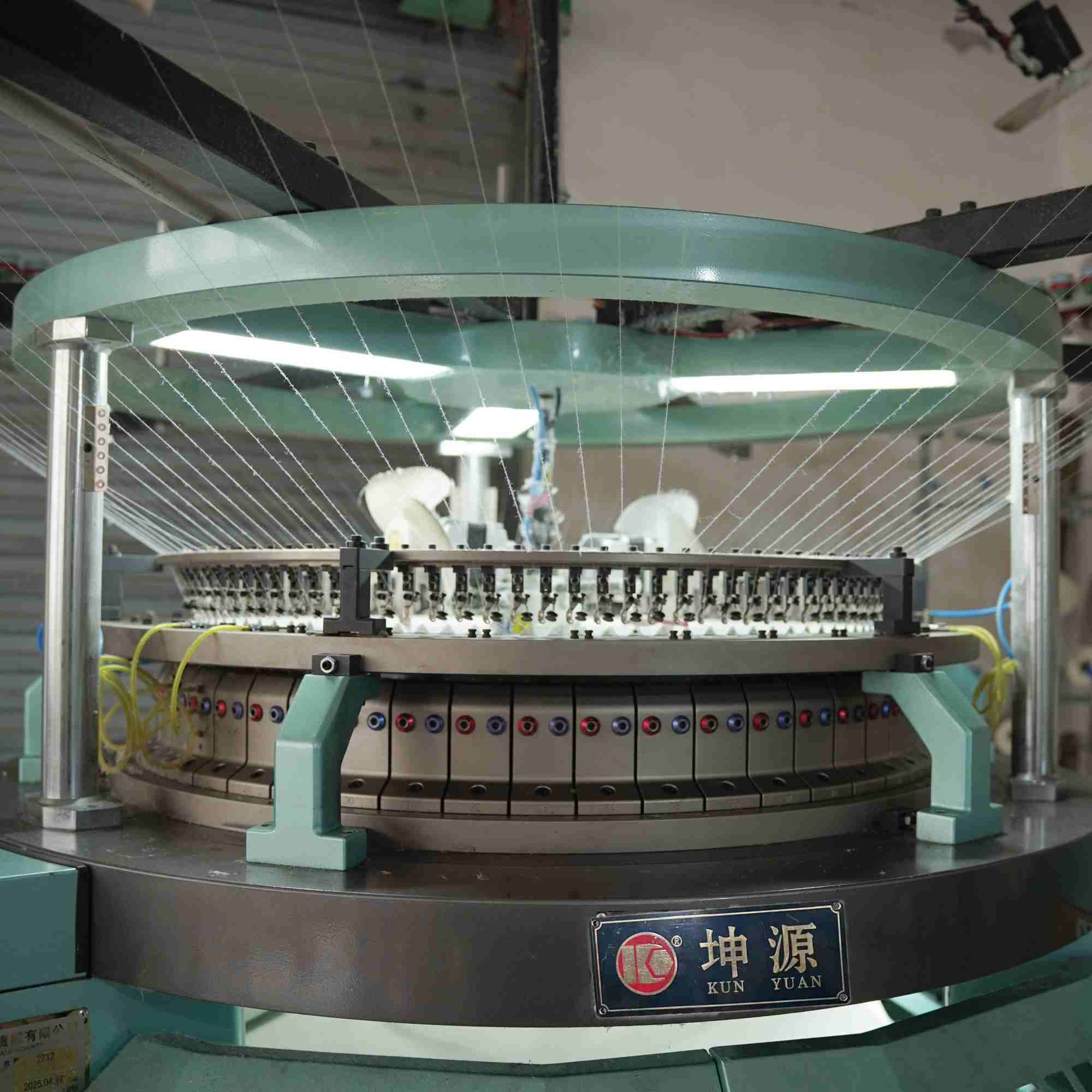
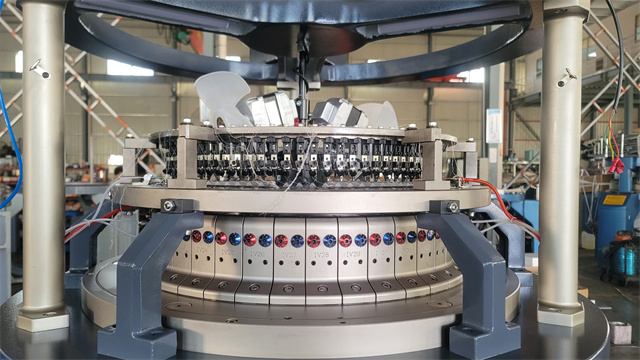
Record yarn paths, labels, control or recipe identity and marked event positions without exposing unsafe working practices.
After the receiving shift repeats the approved setup, responds correctly to planned events and owns all remaining open items.
A handover ledger replaces vague confidence with observed repetition. When the new shift can retrieve the right setup, handle ordinary events, recognize its escalation boundary and reproduce accepted output, the installation has actually reached local ownership.
Use the scorecard when handing over the body-size circular knitting machine range and make the second operator-led run—not the attendance sheet—the decisive training record.

 Tel: +86-13859034518
 Email: info@kunyuanmachine.com
 MP/WhatsApp: +86-13859034518
 Manufacturer Address:Bacuo Village, Yonghe Town, Jinjiang City, Fujian Province