Hot Keyword:
YOUR POSITION:HOME > Blog >

Circular Knitting Machine Parts: Build a Wear History Before Choosing Metal

Author:KUNYUAN Machine Manufacturer TIME:2026-08-28

MENU
Component life record

A part's material matters only inside a verified machine and duty

Needles, cams, guides, gears and fabric-handling parts fail in different ways. Calling one material durable does not prove compatibility, surface finish, heat treatment, geometry or lubrication for an exact machine position.

Create a service record for every recurrent part family. Include manufacturer and part reference, machine model, position, installation date, running basis, lubricant or cleaning condition, removal reason and matching fabric sample. This turns purchasing history into maintenance evidence.

Never substitute a part from dimensions or visual similarity alone. Correct identification, supplier documentation and model-specific limits take priority over generic claims about steel, coatings or hardness.

Use the history to set stocking levels. A low-cost item with short, predictable life may justify local safety stock, while a costly configuration part may need supplier-held inventory and a verified lead time. Base quantity on consumption, installed population, consequence of shortage and inspection rejection—not on one emergency purchase.

Capture the complete part identity before stocking

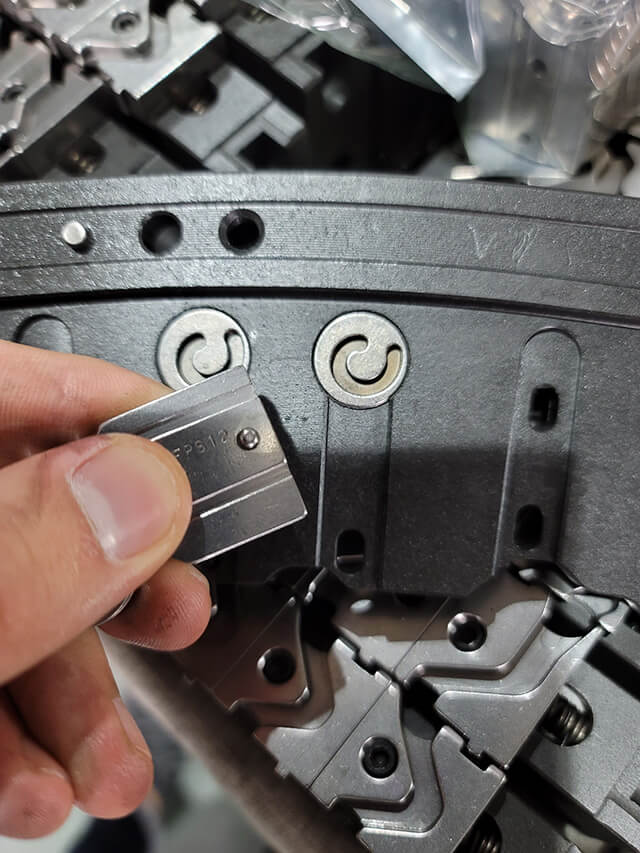
Record the machine, gauge, system, position and exact part reference from controlled documentation. Photograph packaging labels and the component profile without treating the photograph as the compatibility test.

Separate original, approved equivalent, repaired and unknown-origin parts in inventory. If provenance is uncertain, place the item on hold until compatibility and quality evidence are available.

Describe wear by location and surface, not by one adjective

Note polishing, scoring, pitting, burrs, deformation, corrosion, coating loss or deposit at a named contact area. Preserve the removed component and compare it with an unused reference under consistent magnification.

Map the observation to yarn path, loop formation, lubrication, cleaning and load. A worn needle and a damaged guide can produce different fabric clues even when both are called metal wear.

Measure service life on a stated production basis

Choose a basis the mill can reproduce: operating hours, revolutions, production quantity or scheduled interval. Add structure, yarn and speed context because abrasive yarn or a difficult setup can change component life.

Do not average early failures into a reassuring fleet number. Investigate clusters by machine position, lot, maintenance action and product recipe.

Prove the replacement through a marked fabric restart

Fit only under the approved procedure, record the part and position, then mark the restart course. Inspect the original symptom and adjacent areas; a replacement can remove one line while introducing another if the surrounding condition remains.

Keep the before/after fabric with the removed part record. That pairing supports future purchasing and prevents repeated blind substitution.

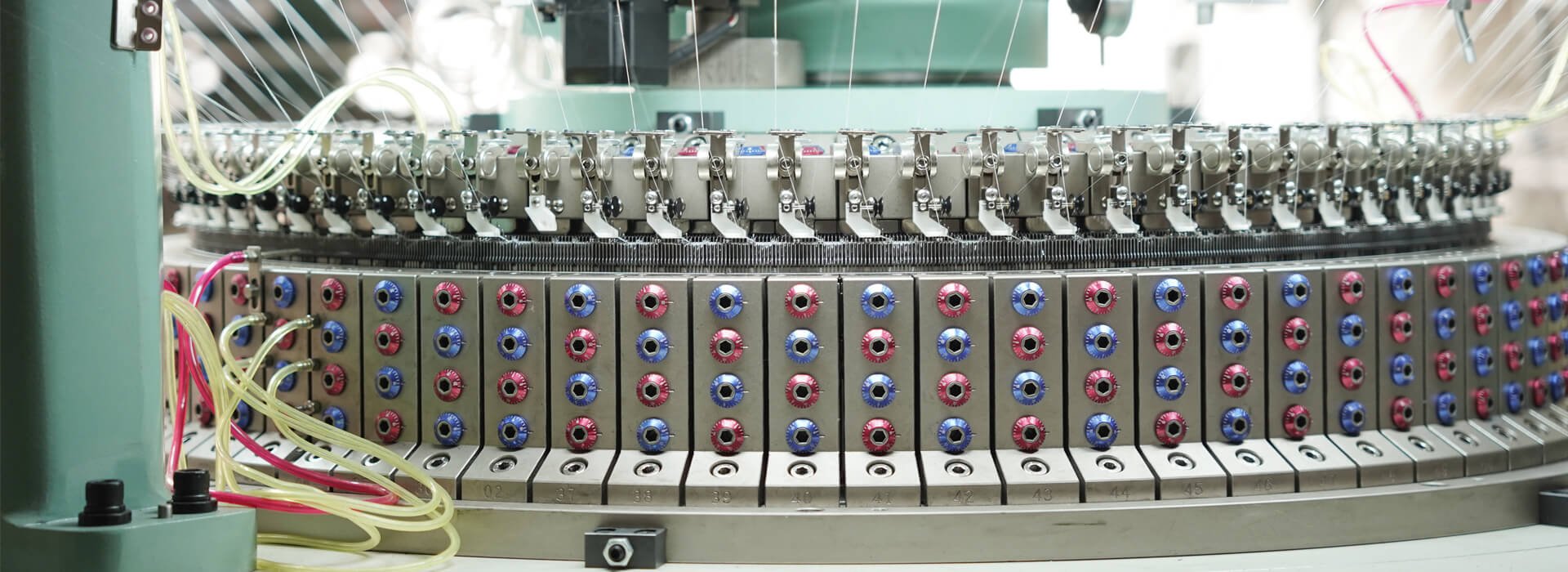
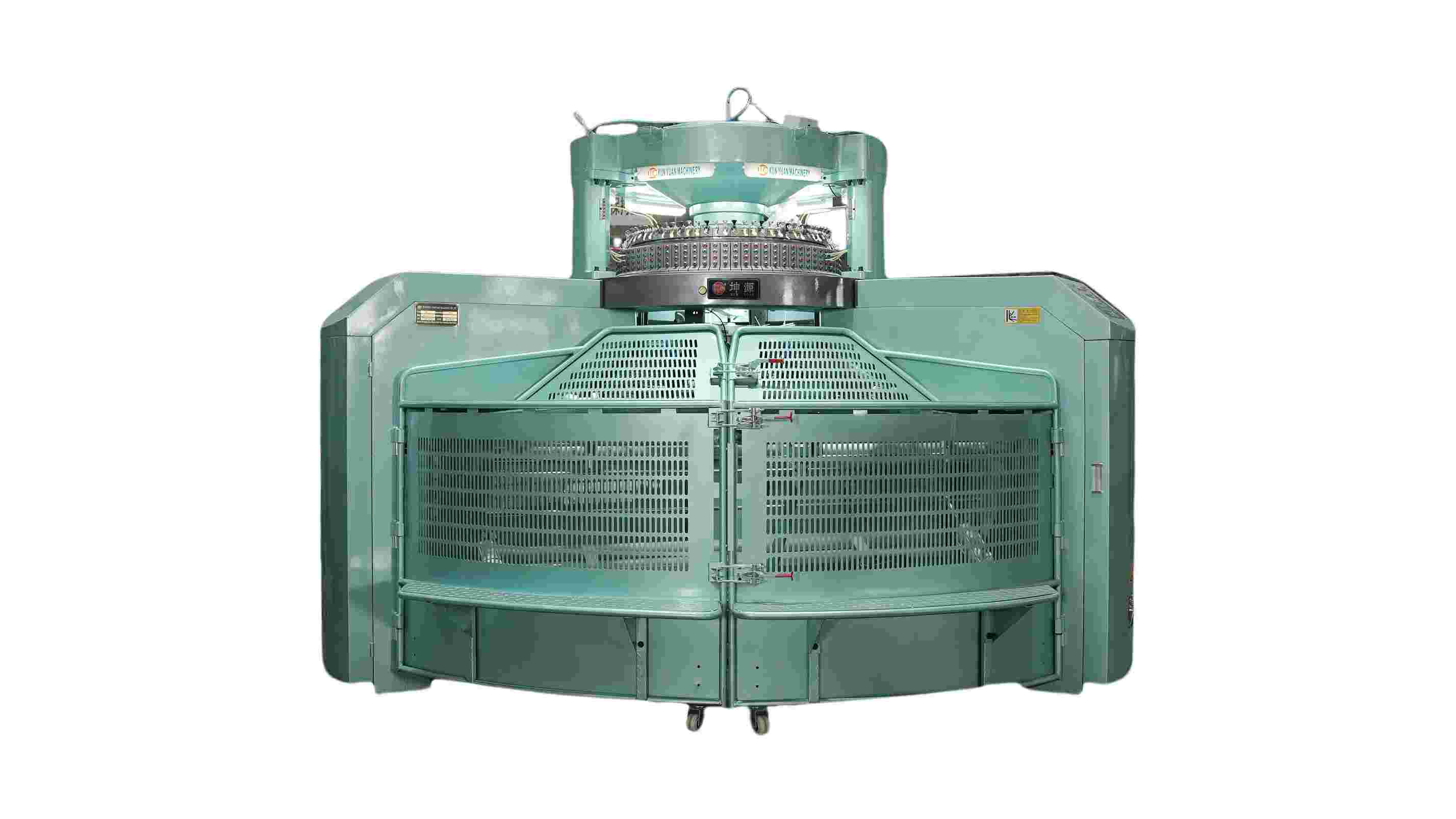
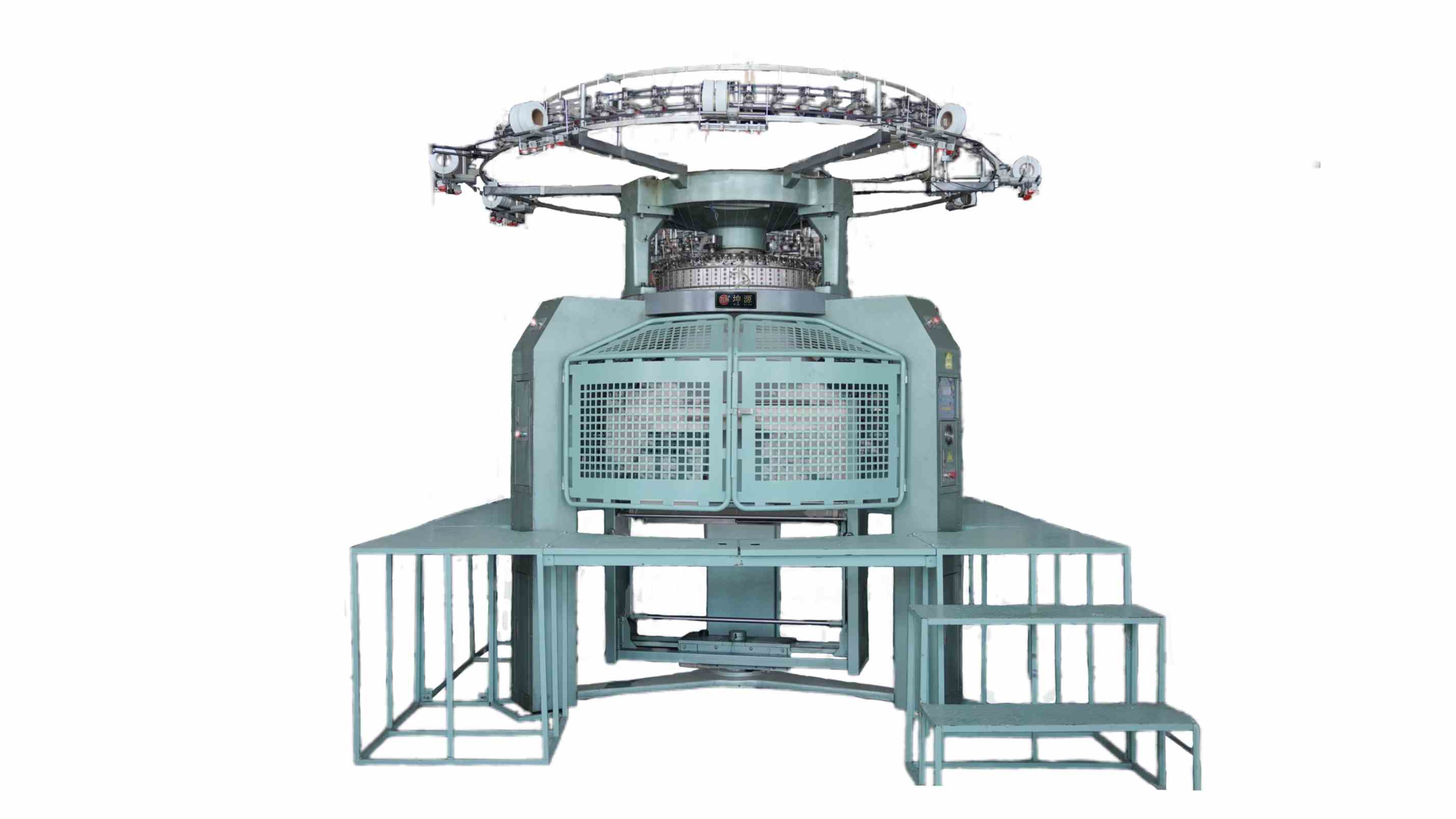
Circular knitting machine parts inspection
Record exact identity before discussing material.
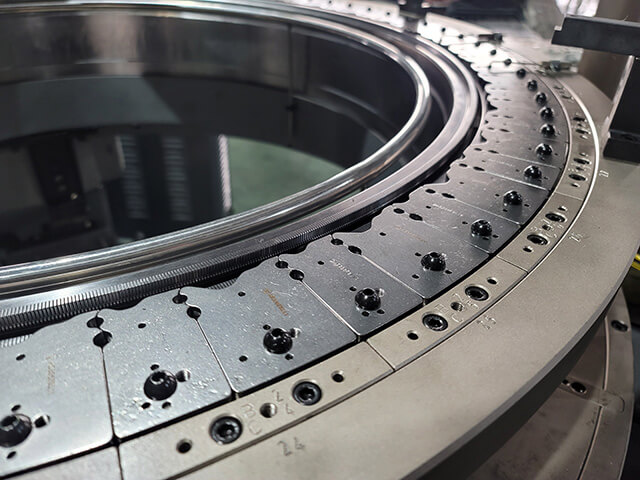
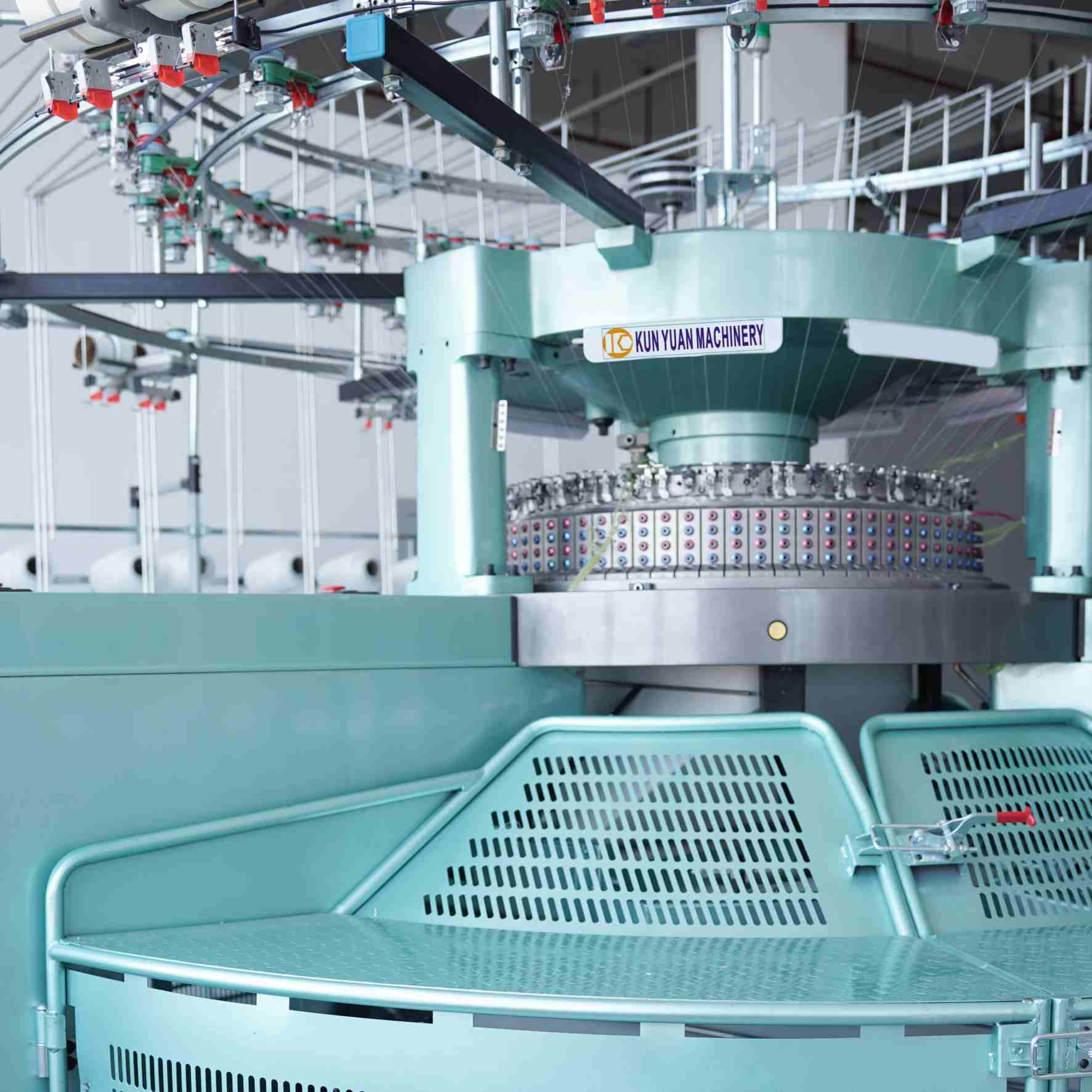
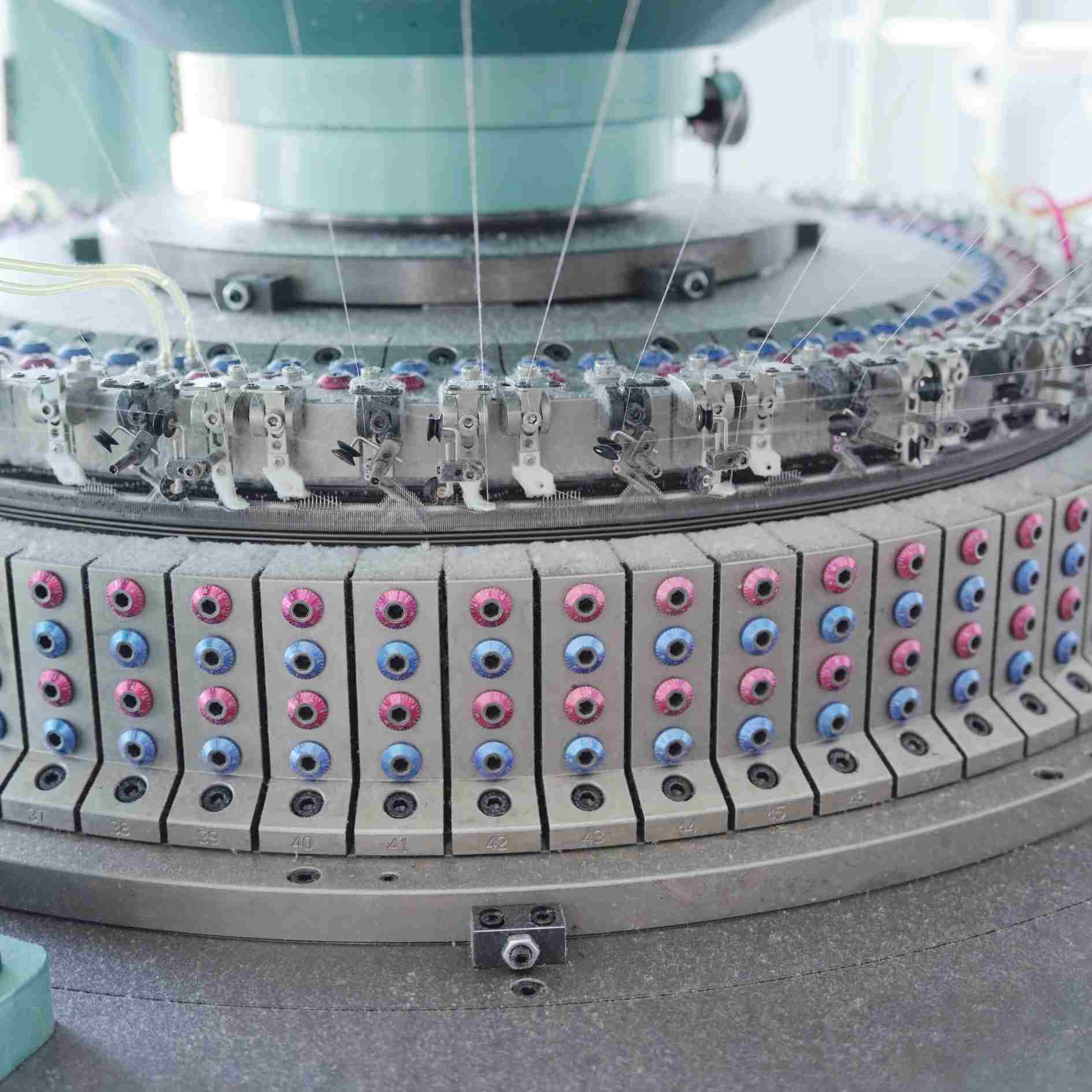
Knitting machine wear location reference
Describe wear at a named contact position.
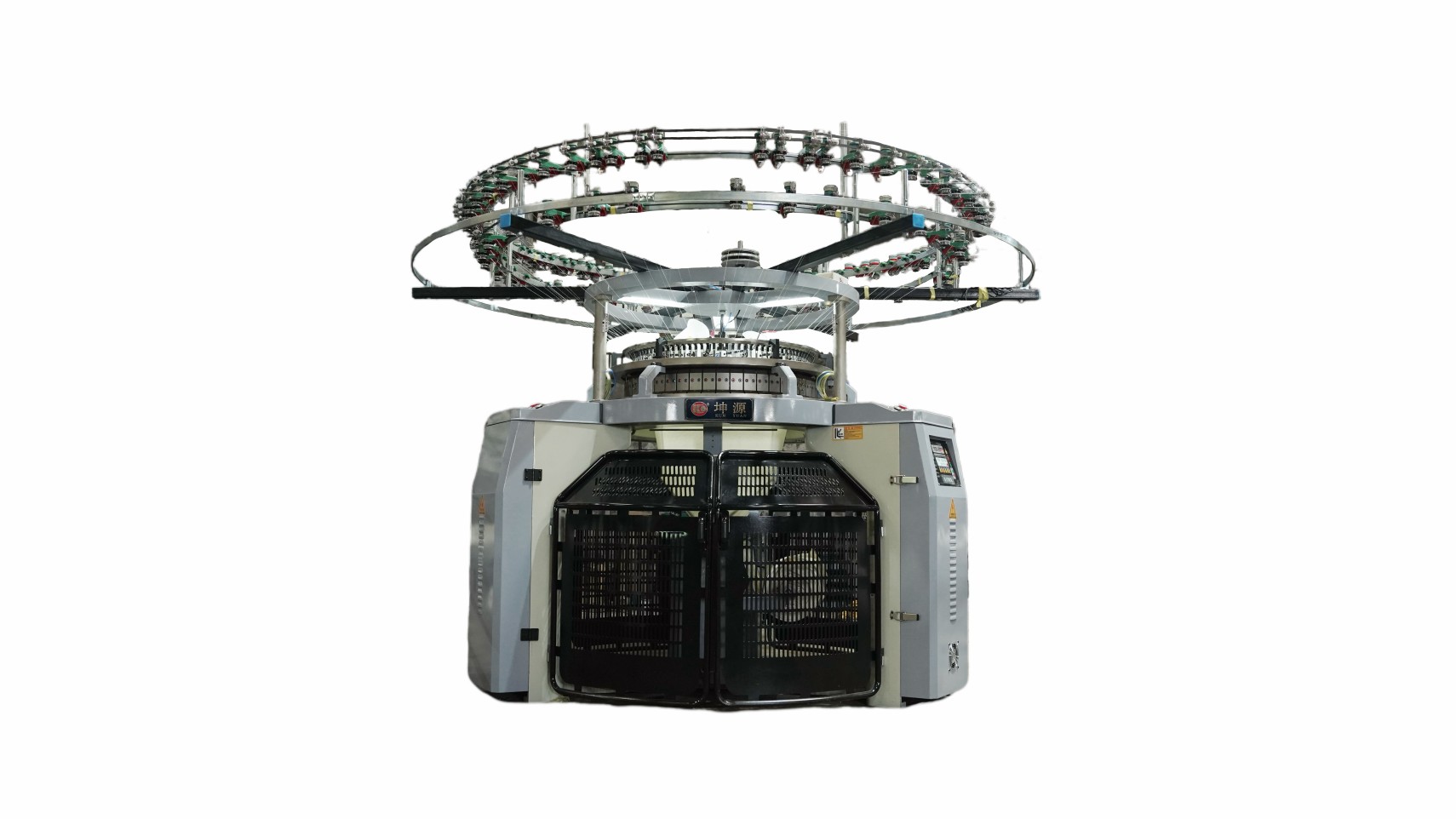
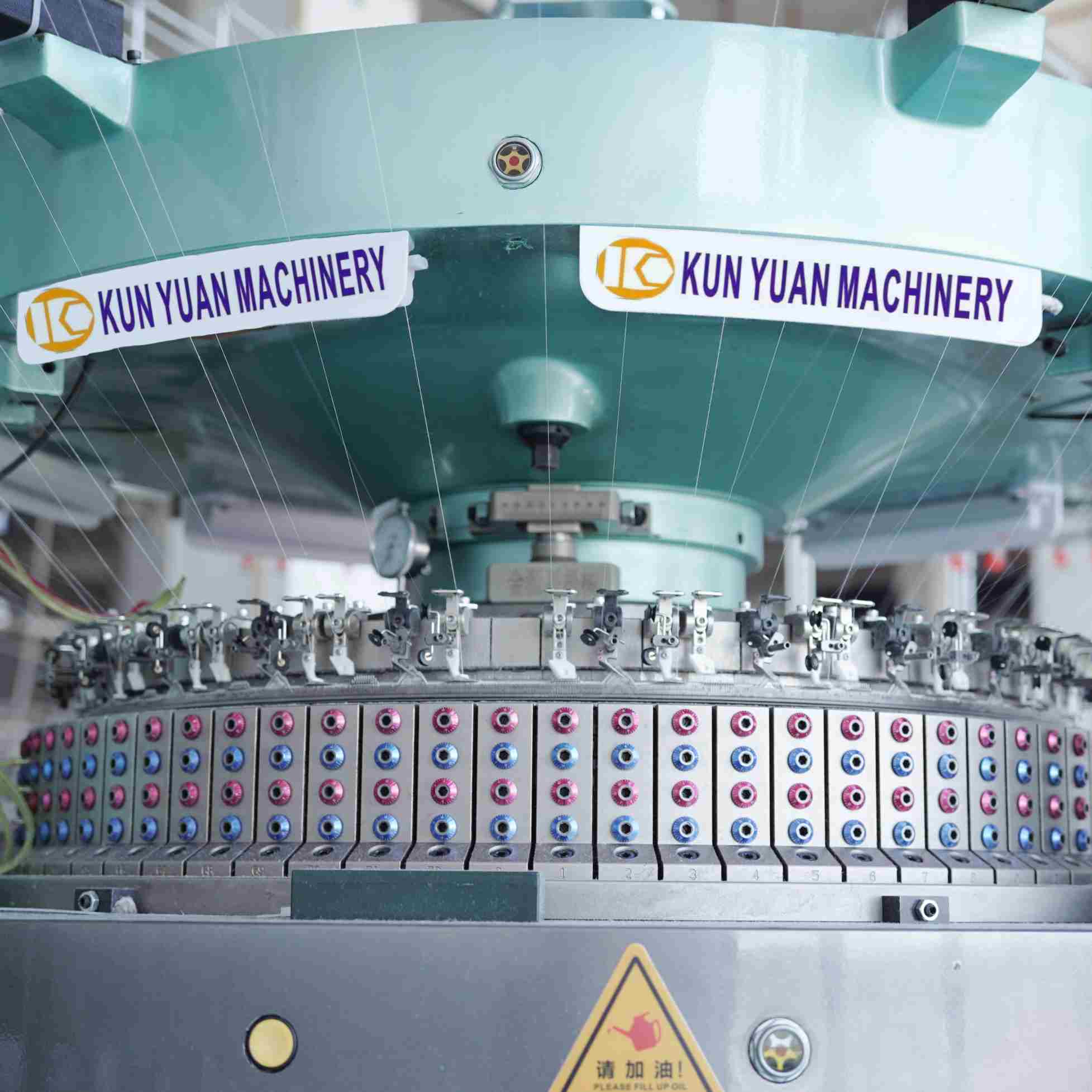
Circular knitting restart fabric evidence
Link every replacement to a marked restart sample.

Part life and compatibility log

Record fieldExample evidenceWhy it mattersHold signal
Exact identityPart/packaging referencePrevents visual substitutionUnknown provenance
PositionMachine and system indexLinks part to fabricLocation not recorded
Wear stateNamed surface and photoDistinguishes mechanismsCleaned before inspection
Restart resultMarked before/after sampleConfirms functional outcomeFault moves or persists

Circular knitting parts questions

Is stainless steel always the best material?

No. Geometry, treatment, surface, lubrication and machine compatibility must be verified for the exact duty.

Can two parts that look identical be interchanged?

Not safely. Use controlled references and approved compatibility documentation.

How should service life be compared?

Use one stated basis and include machine position, fabric, yarn and operating conditions.

Why retain a failed part?

It preserves wear evidence and can be compared with the fabric symptom and replacement result.

When should a spare be released to stock?

After identity, provenance, condition and compatibility with the intended machine are documented.

Conclusion

Parts management improves when the mill records identity, position, wear and fabric result together. Material names remain useful specifications, but they cannot replace exact compatibility or the service history of the component in its real duty.

Use the component-life record alongside the circular knitting machine range and request exact part schedules for the offered gauge, systems and installed accessories.

Need Help?
Please leave your contact information to get our latest catalog
Get In Touch Now >
Kunyuan Machinery Manufacturer

Tel: +86-13859034518

Email: info@kunyuanmachine.com

MP/WhatsApp: +86-13859034518

Manufacturer Address:Bacuo Village, Yonghe Town, Jinjiang City, Fujian Province

NEW KEYWORD

About Us

Products

Information