Fewer seams do not remove the need for garment engineering
Electronic circular platforms can knit garment tubes and functional zones for underwear, but model capabilities vary and some cutting, openings, gussets or joining may remain. A staged release keeps the seamless claim tied to an actual size and construction.
Begin with the finished underwear specification: graded measurements, stretch and recovery, opacity, support or ventilation zones, openings, yarn roles, comfort surfaces and care route. Draw every post-knitting operation.
Official seamless platforms include single- and double-knit configurations with different feeds, selection and product formats. Use that evidence to frame questions, then verify the exact offered machine and program through the gates below.
Release the garment drawing before programming
Mark waist, body, gusset, leg or arm openings and every functional zone by finished dimension and direction. Identify which areas need support, ventilation, opacity or soft transition.
State the relaxation and finishing basis for measurement. A nominal tube circumference cannot approve a garment size.
Gate: Small, middle and large boundary measurements approved
Assign ground, elastic and effect yarn to named duties
List material, count, lot, package and intended zone for every yarn. Give bare or covered elastomer its own delivery and storage record.
Trial bulk production packages, not only perfect development cones. Inspect yarn changes and low-package conditions that could shift recovery or create lines.
Gate: Production lots and feed roles traceable
Lock machine, program revision and editable limits
Store the approved program with machine and controller identity, size, yarn plan and date. Separate operator-editable values from protected technical parameters.
Inspect transitions inside and outside the garment. A visually neat screen map can move after knitting and finishing.
Gate: Controlled file reproduces zone placement
Measure fit, comfort and the make-up boundary
Finish the garment through normal washing, heat or relaxation and measure all required dimensions. Extend openings and support zones using the agreed procedure; inspect seams, cut edges and labels that remain.
Record knitting time, separation waste and every manual operation. Seamless should mean the documented reduction achieved by this route, not zero work by assumption.
Run the boundary size again with the receiving shift
After normal stop or cleaning, operators should retrieve the correct file and yarn plan, knit the garment, handle a planned event and preserve defect evidence. Compare the result with the approved sample.
Close open items by owner and date. A successful technician demonstration is not production release until the mill team can repeat it.
Gate: Second run and operator handover signed
Begin production approval with the graded size map.Lock yarn roles and program revision together.Release only after a complete finished garment repeats.
Seamless underwear release register
Gate
Owner
Evidence
Release blocked by
Size map
Design/quality
Graded finished drawing
Undefined measurement
Yarn plan
Production/materials
Lots and feed map
Unverified elastic role
Program
Technician
Controlled revision
Ambiguous file or limits
Garment
Quality/make-up
Finished measured sample
Fit or comfort failure
Repeat
Receiving shift
Second run and event log
Trainer intervention needed
Seamless underwear process questions
Does seamless underwear contain no seams?
Not necessarily. The exact garment may still need openings, gussets, labels or joining; document the route.
Can one machine make every underwear size?
No. Size range depends on diameter, needle count, structure, program and finished stretch; prove boundary sizes.
Why separate elastic yarn?
Its delivery and finishing response strongly influence opening size, support and recovery.
What should identify an approved program?
Keep machine/controller identity, revision, size, yarn plan, date and the matching garment sample.
When is the process ready for production?
When the receiving shift repeats a finished boundary garment and remaining work and open items are recorded.
Conclusion
Seamless underwear production succeeds through controlled garment decisions, not through a single machine label. Five gates connect size, yarn, program, finished fit and local repeatability while keeping every remaining make-up step visible.
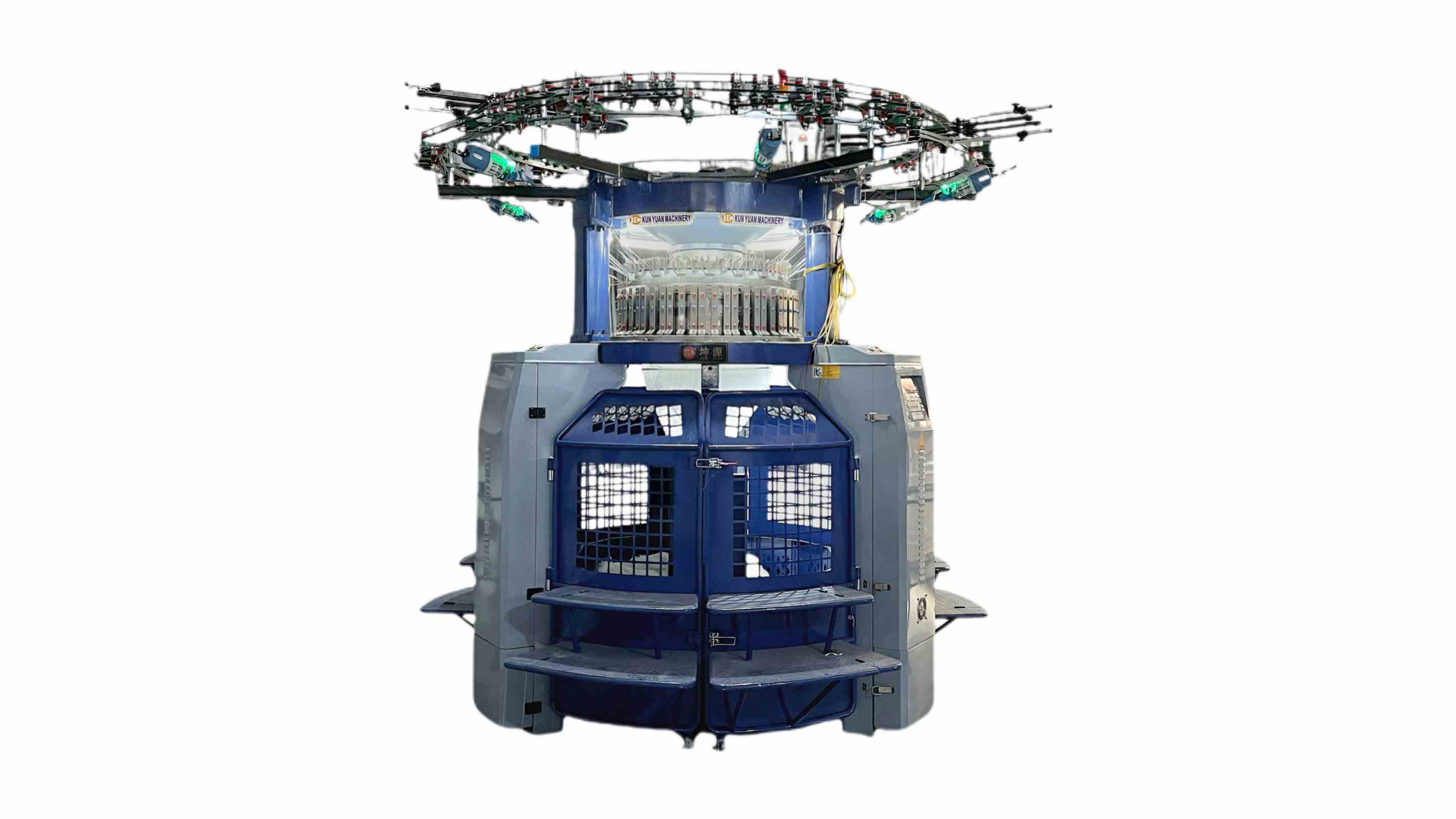
Use the five-gate register while reviewing the body-size circular knitting machine range and require a finished boundary garment tied to the exact program and receiving shift.




 Tel: +86-13859034518
 Email: info@kunyuanmachine.com
 MP/WhatsApp: +86-13859034518
 Manufacturer Address:Bacuo Village, Yonghe Town, Jinjiang City, Fujian Province