

Hot Keyword:
Author:KUNYUAN Machine Manufacturer TIME:2026-08-29
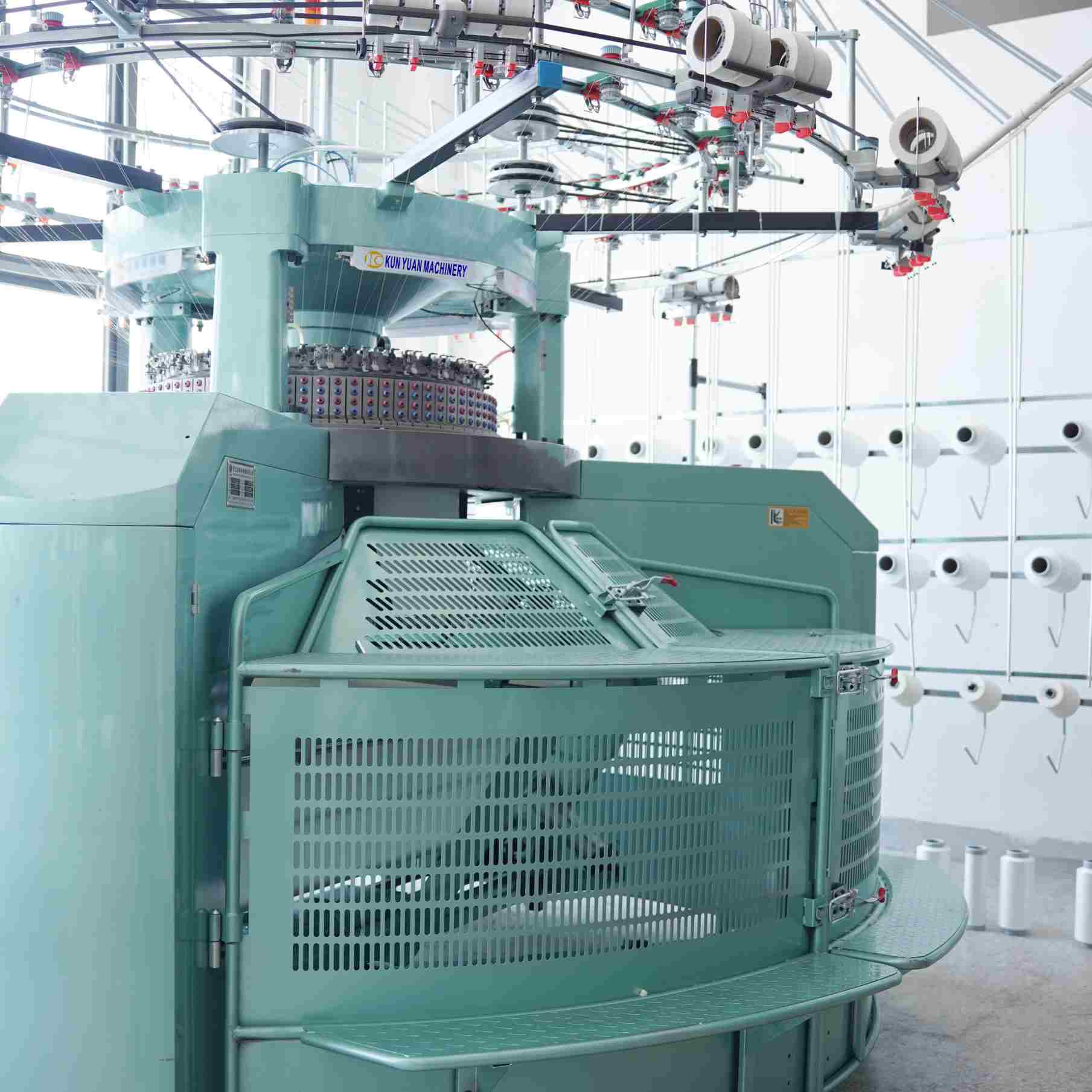
Terrot publishes several single- and double-jersey machine families, structures and frame arrangements. A used listing or partial photograph must be reconciled with the exact model and physical configuration before capability is discussed.
Treat every mismatch as a diagnostic signal. Compare the nameplate, model designation, serial or production reference, manuals, frame, cylinder and dial where fitted, feeder layout, take-down, controller and documented modifications. Preserve photographs and document references before changing or ordering parts.
Terrot's official product range separates machines by knitting technique, structure, diameter, gauge, feeds and frame. Those ranges help decode a model, but they do not prove what a particular machine currently contains. The physical machine and controlled records take priority.
Photograph the complete nameplate and all model suffixes without relying on a seller's shortened title. Record serial or production reference, electrical data and year only when the plate or controlled document supports it.
Compare that record with the correct manufacturer literature. If the plate is missing or altered, classify identity as unresolved and increase the inspection scope; do not fill the gap from paint colour or a similar online photograph.
| Signal | Record to compare | Physical check | Disposition |
|---|---|---|---|
| Model suffix differs | Official model literature | Plate and head arrangement | Hold capability claim |
| Gauge or diameter conflict | Cylinder/dial records | Current installed parts | Use physical identity |
| Controller mismatch | Electrical and software file | Revision and I/O | Confirm support path |
| Fabric claim too broad | Structure specification | Buyer-yarn trial | Release proven scope only |
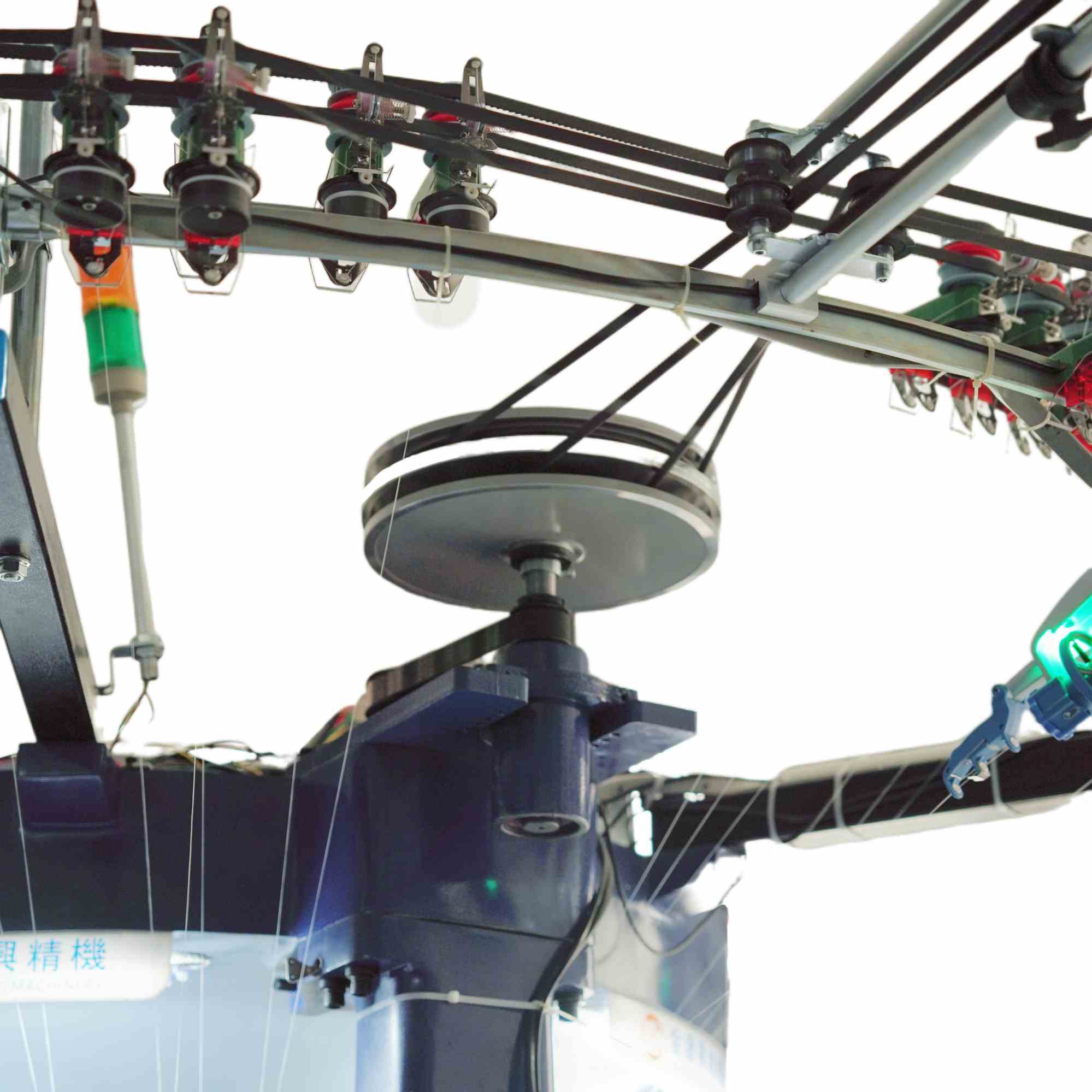
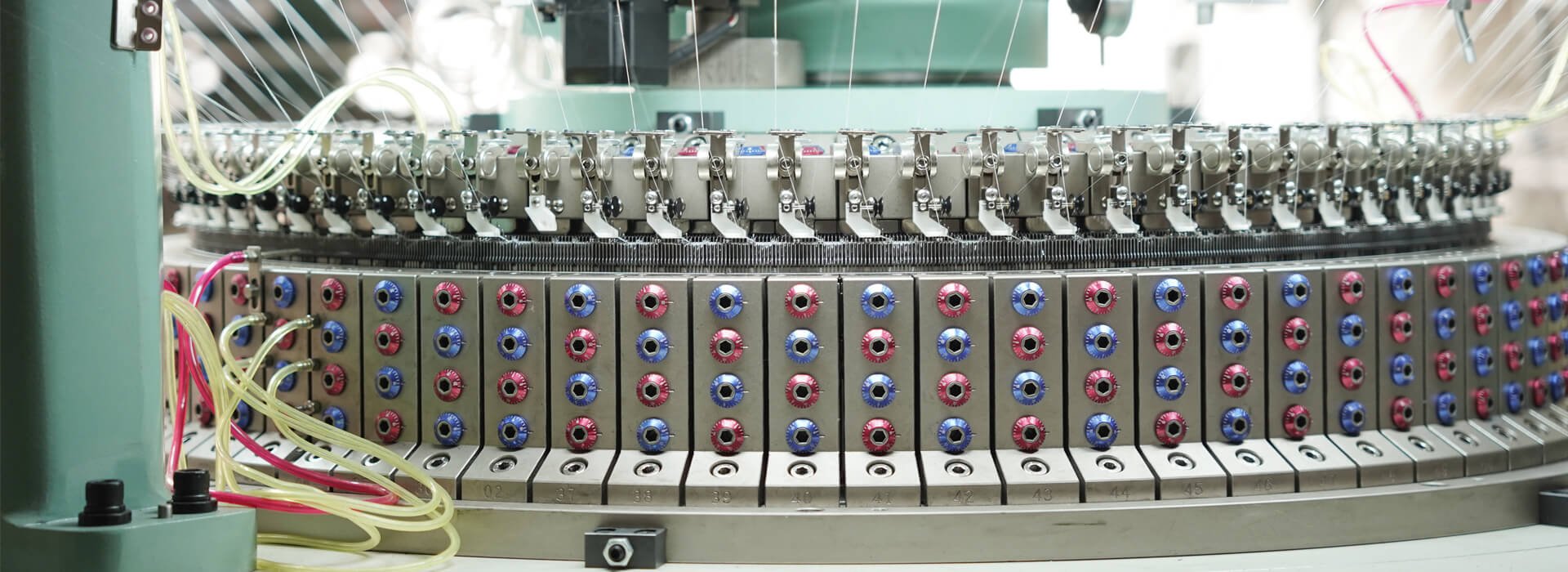
Record whether the machine is single or double knit, the current diameter and gauge, cylinder and dial identities, cam tracks, feeders, yarn-control devices and active selection. Note any conversion plates or non-original assemblies.
A frame shared across several products does not make cylinders, cams or take-down systems interchangeable. Verify part numbers and approved conversion documents before assigning a fabric family.
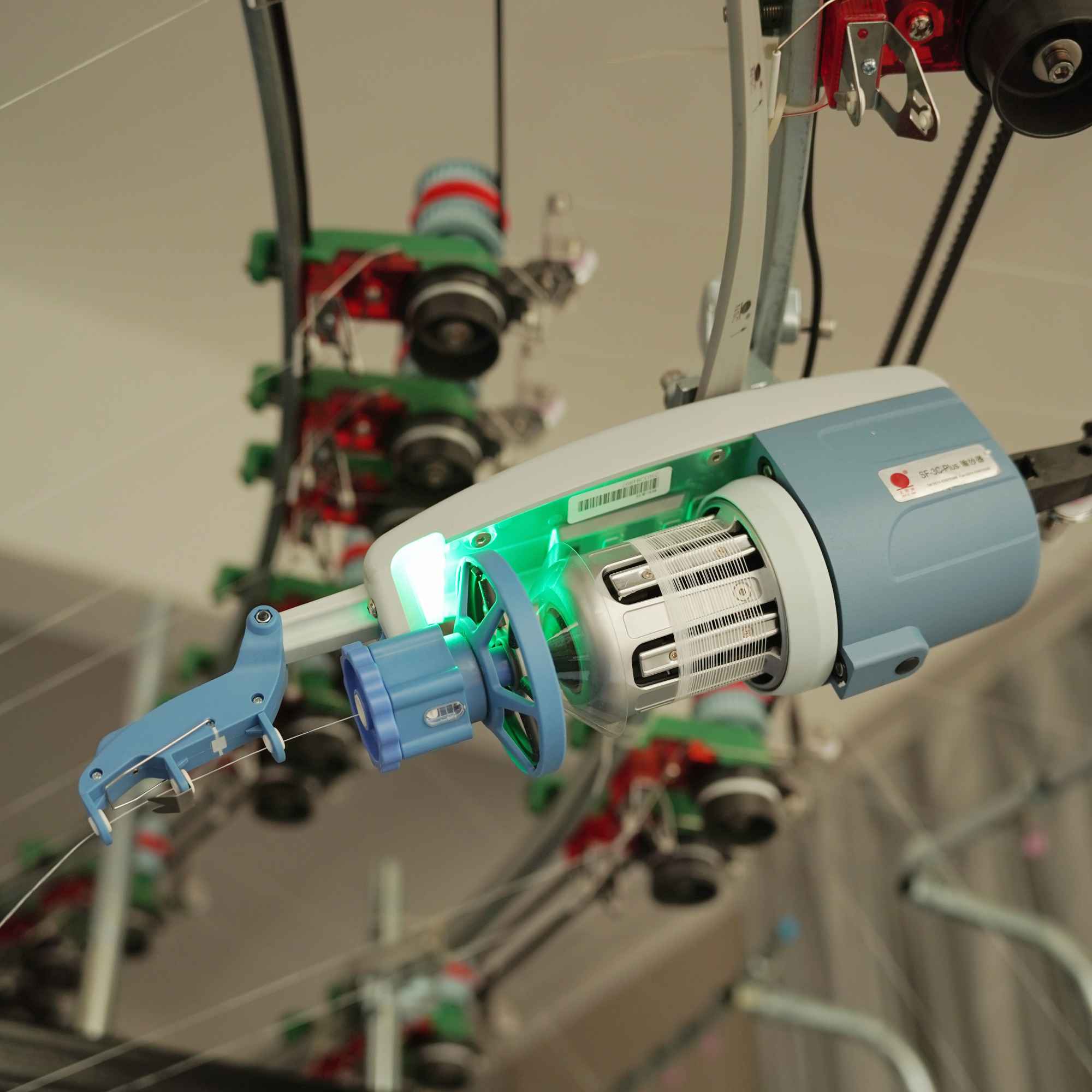
Capture controller model and revision, drive and inverter identity, lubrication, detectors, take-down and winding arrangement. Confirm backups and licensed pattern or service tools where relevant.
Powering the display is not a functional acceptance test. Check that commands reach the installed mechanisms under the manufacturer's procedure and that alarms, guarding and interlocks retain their intended role.
Use the intended yarn and a structure that exercises the claimed configuration. Record setup, speed, stops, interventions and roll positions, then inspect both faces and finish the sample where the commercial route requires it.
If the machine cannot reproduce the documented setup or accepted fabric, keep the identity or condition issue open. One clean short swatch cannot reconcile conflicting hardware and records.
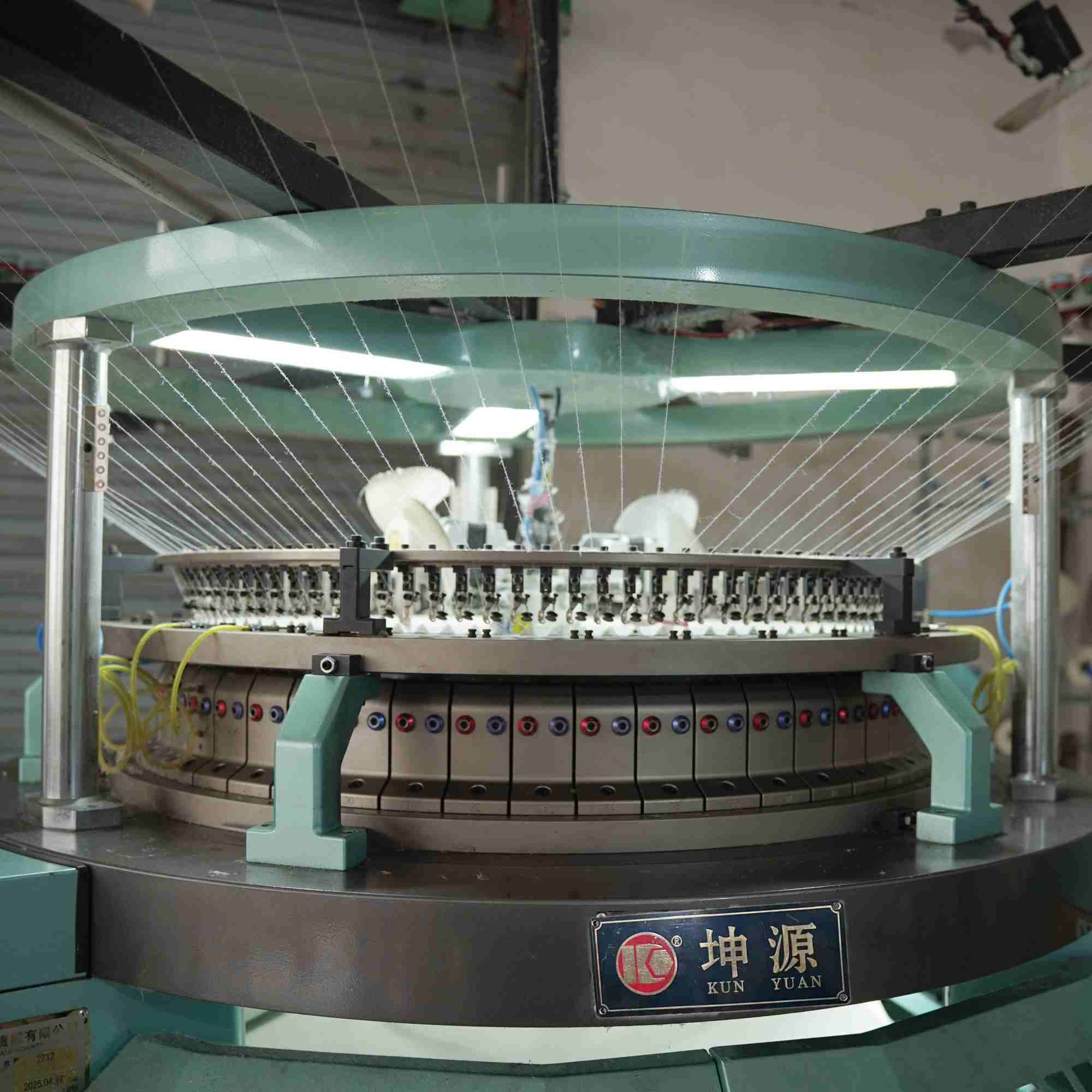
No. Record the complete model, suffix, plate and installed knitting system.
No. It provides reference boundaries; physical inspection and a controlled trial establish current condition.
Record the current cylinder and related parts, then verify the conversion against approved documentation.
No. Verify safe command response, relevant backups and the fabric-producing system under the exact procedure.
Stop when plate, records, installed parts or claimed output cannot be reconciled without assumptions.
A Terrot machine should be bought and serviced as an identified configuration, not as a badge. The diagnostic chain from plate to knitting system, controls and marked fabric turns conflicting clues into a clear pass, hold or further-inspection decision.
Apply the same identity matrix when comparing the industrial circular knitting machine range and require the quoted build to be described as precisely as the inspected reference machine.

 Tel: +86-13859034518
 Email: info@kunyuanmachine.com
 MP/WhatsApp: +86-13859034518
 Manufacturer Address:Bacuo Village, Yonghe Town, Jinjiang City, Fujian Province