Read the cylinder and dial as one loop-forming system
Rib selection begins with the intended wale arrangement and finished recovery. Gauge matters, but the cylinder–dial relationship, needle plan, cam route, yarn and finishing method decide whether the fabric is repeatable.
Discard the old idea that an industrial rib machine is chosen like a portable hand-knitting device. The buyer needs a model-specific architecture and trial.
Send a fabric sample with both faces identified, the rib repeat, yarn data, greige and finished dimensions and the intended use. A label such as 1×1 rib is a start, not a complete recipe.
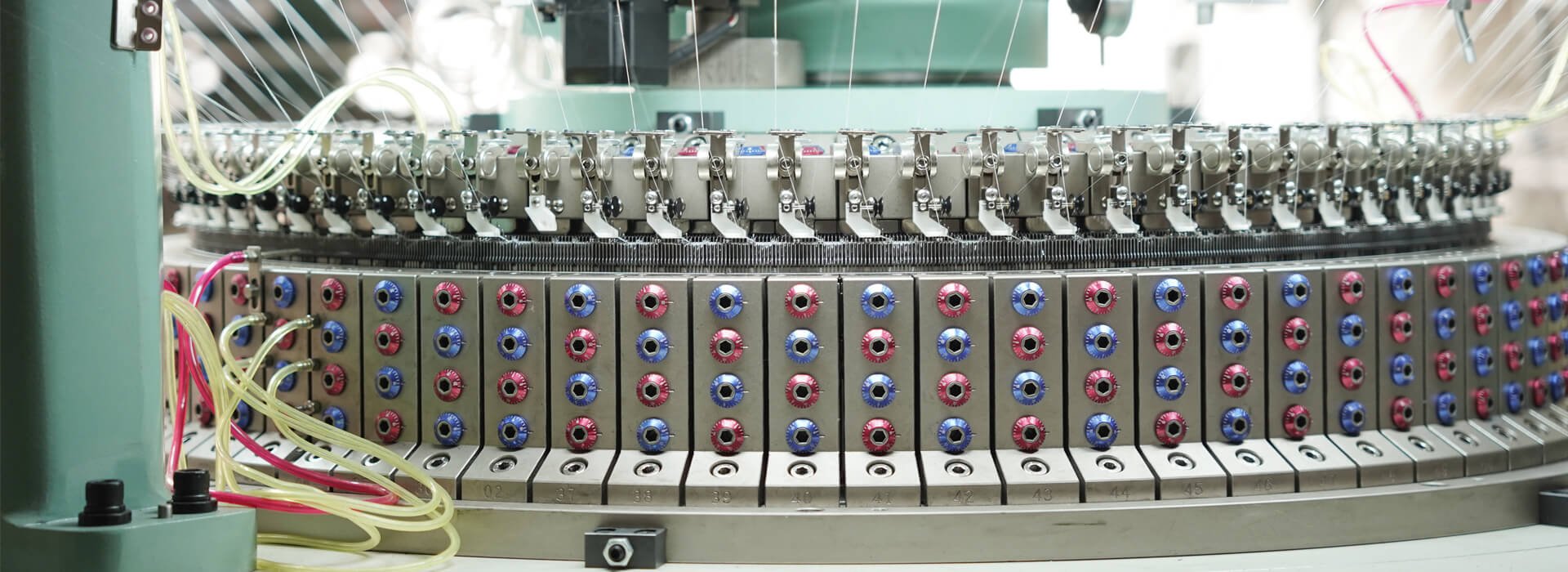
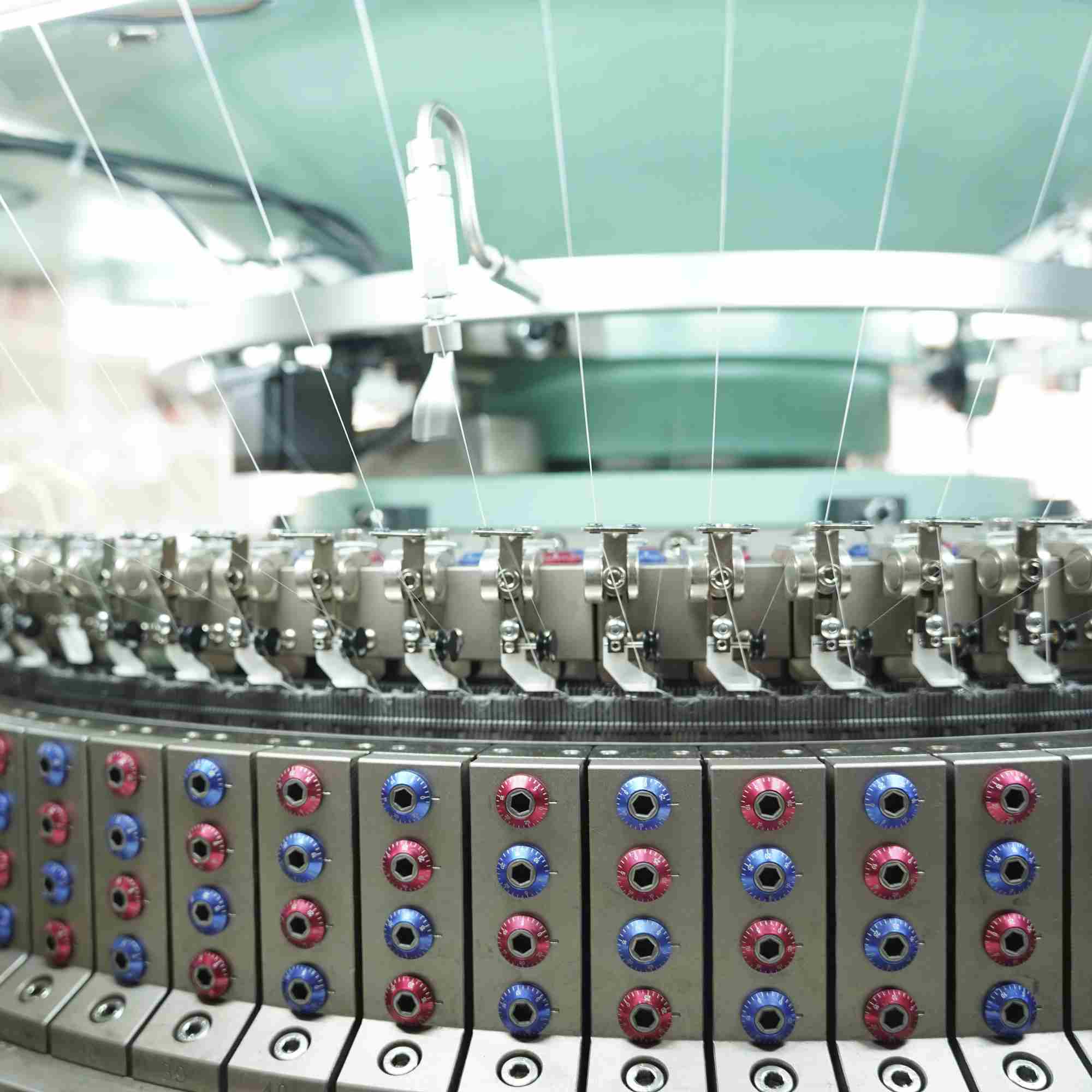
Confirm cylinder, dial, needles and cam scope on the actual model.
Name the rib repeat and its commercial function
State whether the fabric is 1×1, 2×2 or another arrangement, and explain whether the product needs cuff recovery, body stretch, structure, appearance or a conversion route.
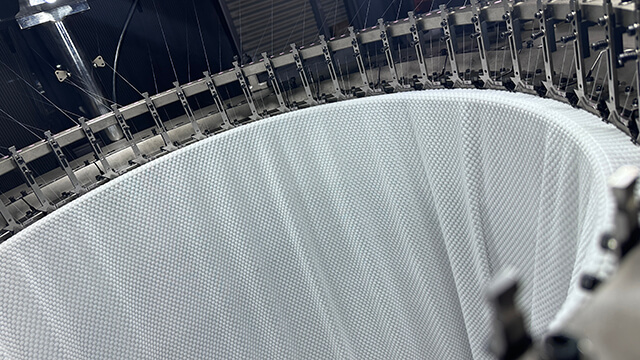
Mark face, back and wale direction on the sample. If elastane is plated, show its intended position and finished recovery limit.
Use gauge to screen the yarn window
Confirm the maker's gauge and needle guidance for the exact model, cylinder and dial. Yarn bulk, ply and structure can require more clearance than a simple count chart suggests.
Test the coarsest or fullest yarn and the finest commercial boundary. Record needle and loop-forming part designations with each result.
Freeze the cylinder–dial needle arrangement
Record which needles knit, tuck or miss in each bed for the selected structure, together with cam tracks and the timing reference used by the technician.
A conversion history deserves written identification. If cylinder, dial or installed needles do not match the quoted arrangement, stop before a speed trial.
Verify timing from fabric and measured references
Use the manufacturer's method for alignment and timing. Sound and appearance can reveal a problem, but they are not measurement procedures.
After adjustment, run a marked sample and inspect both faces for needle lines, holes, uneven ribs and changes in stretch. Preserve the before/after reference.
Use exact model measurements and keep the matching fabric sample.
Approve recovery after the intended finish
Measure relaxed width, rib extension and return using the agreed conditioning or wash method. Add weight and dimensional checks required by the product.
A greige rib that appears even may relax too wide or recover poorly. Release the fabric only when the finished response and operating burden both fit production.
Keep face/back identification and the recovery method with the sample.
Rib machine selection matrix
Decision
Required input
Machine evidence
Fabric release
Structure
Rib repeat and application
Cylinder/dial needle plan
Both faces agree
Gauge/yarn
Material, count, ply, elastane
Maker's approved window
No damage or overload
Timing
Model method and references
Recorded alignment and cam route
No repeating bed-related lines
Finishing
Conditioning/wash route
Stable settings
Recovery and dimensions pass
Do not infer from appearance
Two ribs can look similar yet use different yarn, stitch and bed arrangements. Preserve the construction record.
Do not release from greige alone
Recovery and dimensions can change in washing or heat. Apply the intended finishing method before approval.
Record the installed needle and cam arrangement.Identify both faces, wale direction and finishing state.
Rib machine buying questions
Does the gauge number choose the yarn automatically?
No. Use the exact machine's needle and gauge guidance, then prove the yarn and structure in a finished trial.
Why must cylinder and dial be documented together?
Rib loops depend on their coordinated needle arrangement and timing. One bed cannot describe the structure alone.
Can a rib machine also knit interlock?
Some models or conversion arrangements support multiple structures, but scope varies. Require the installed parts, change process and samples in writing.
What should a fabric trial measure?
Inspect both faces, weight, width, rib repeat, defects, stretch and recovery after the specified relaxation or finishing.
How should a used rib machine be checked?
Verify nameplate, cylinder, dial, needles, cam parts, timing references, conversions and a representative fabric run before relying on the model label.
Conclusion
A rib machine is chosen by a fabric architecture that can be measured: rib repeat, yarn window, two-bed arrangement, timing record and finished recovery. The accepted sample should point back to every one of those records.
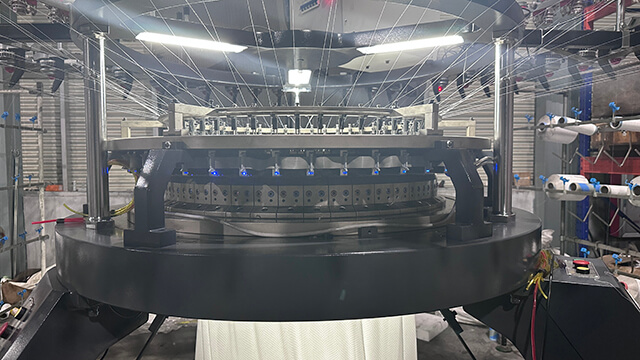
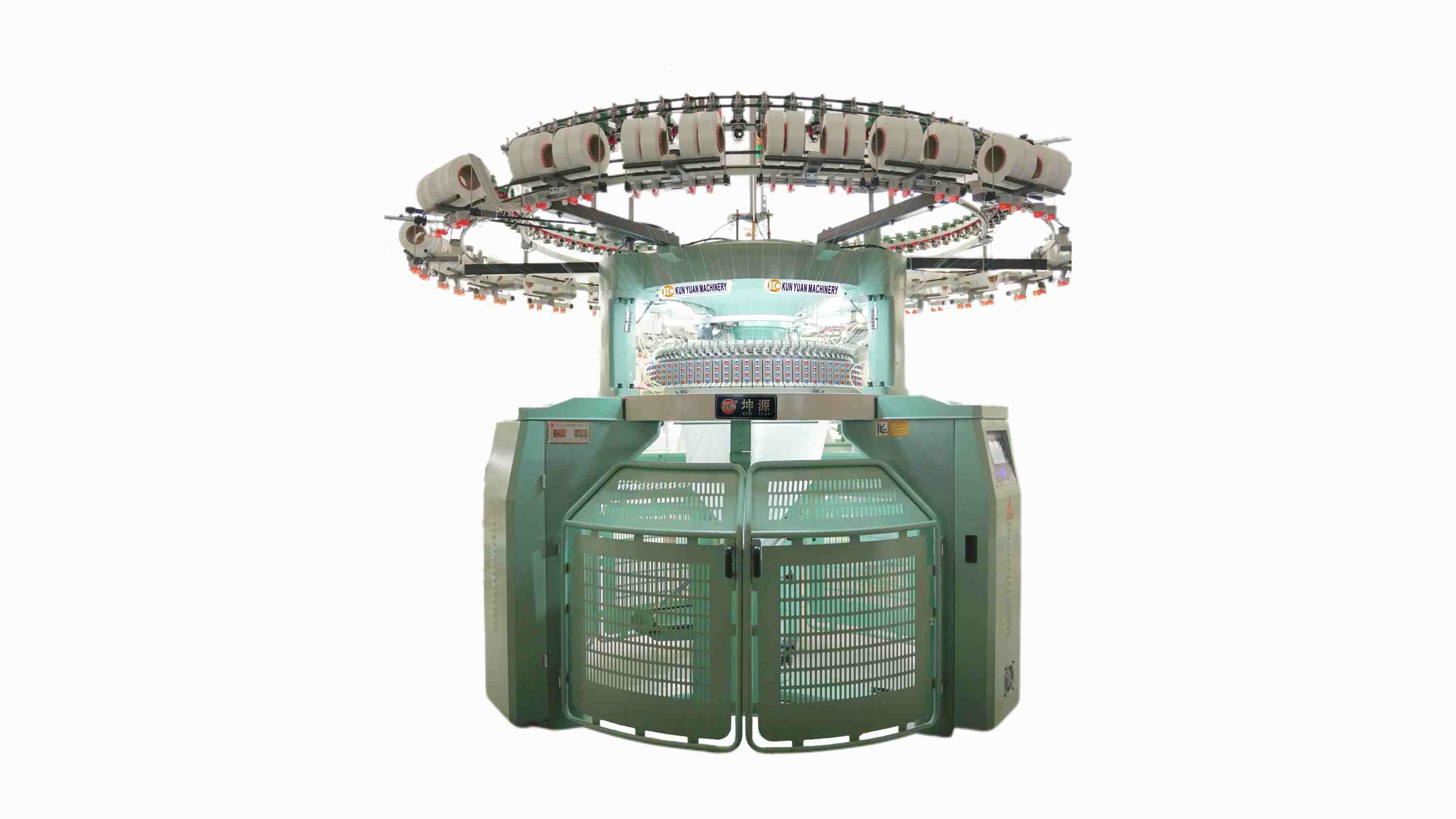
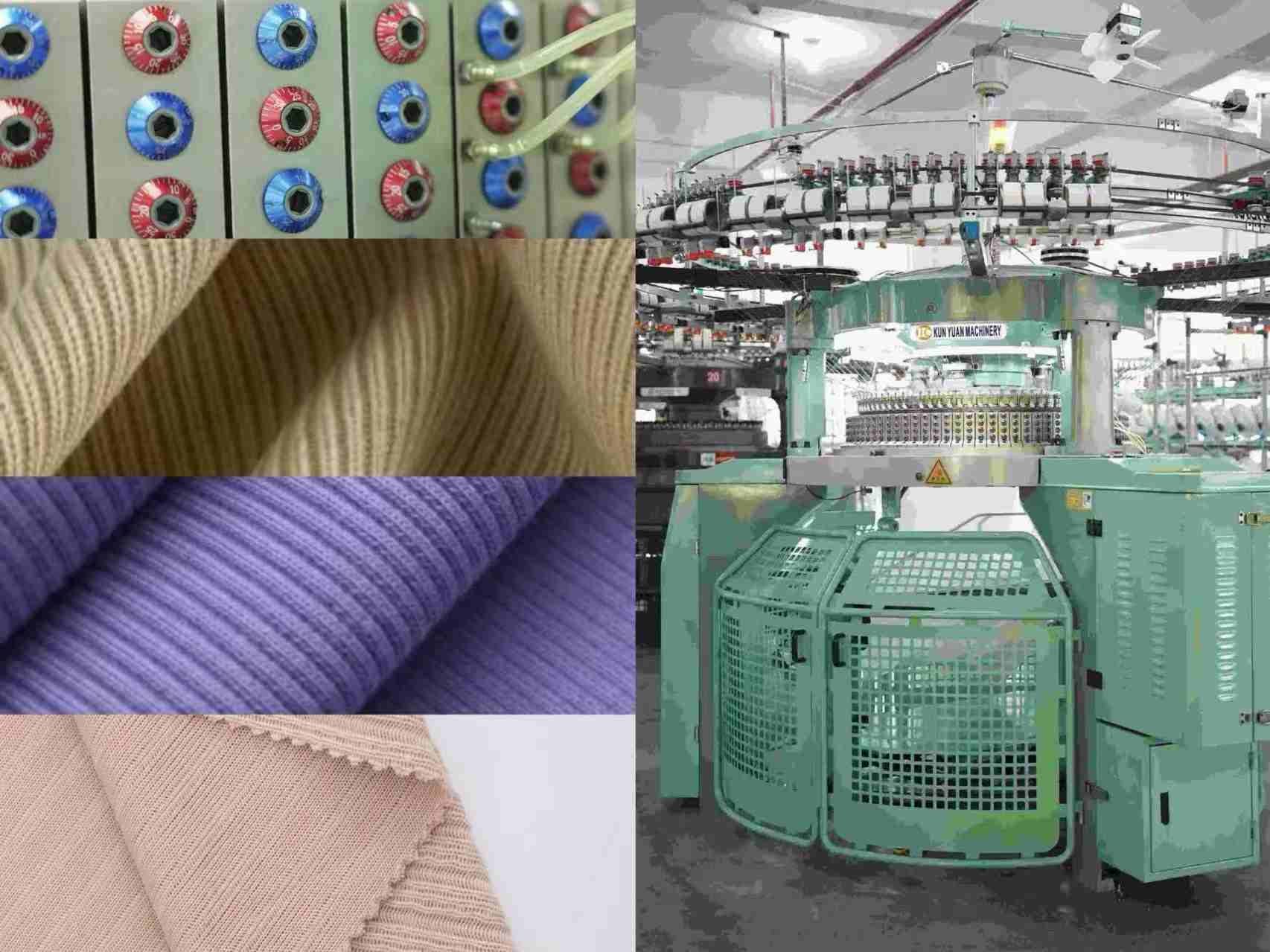
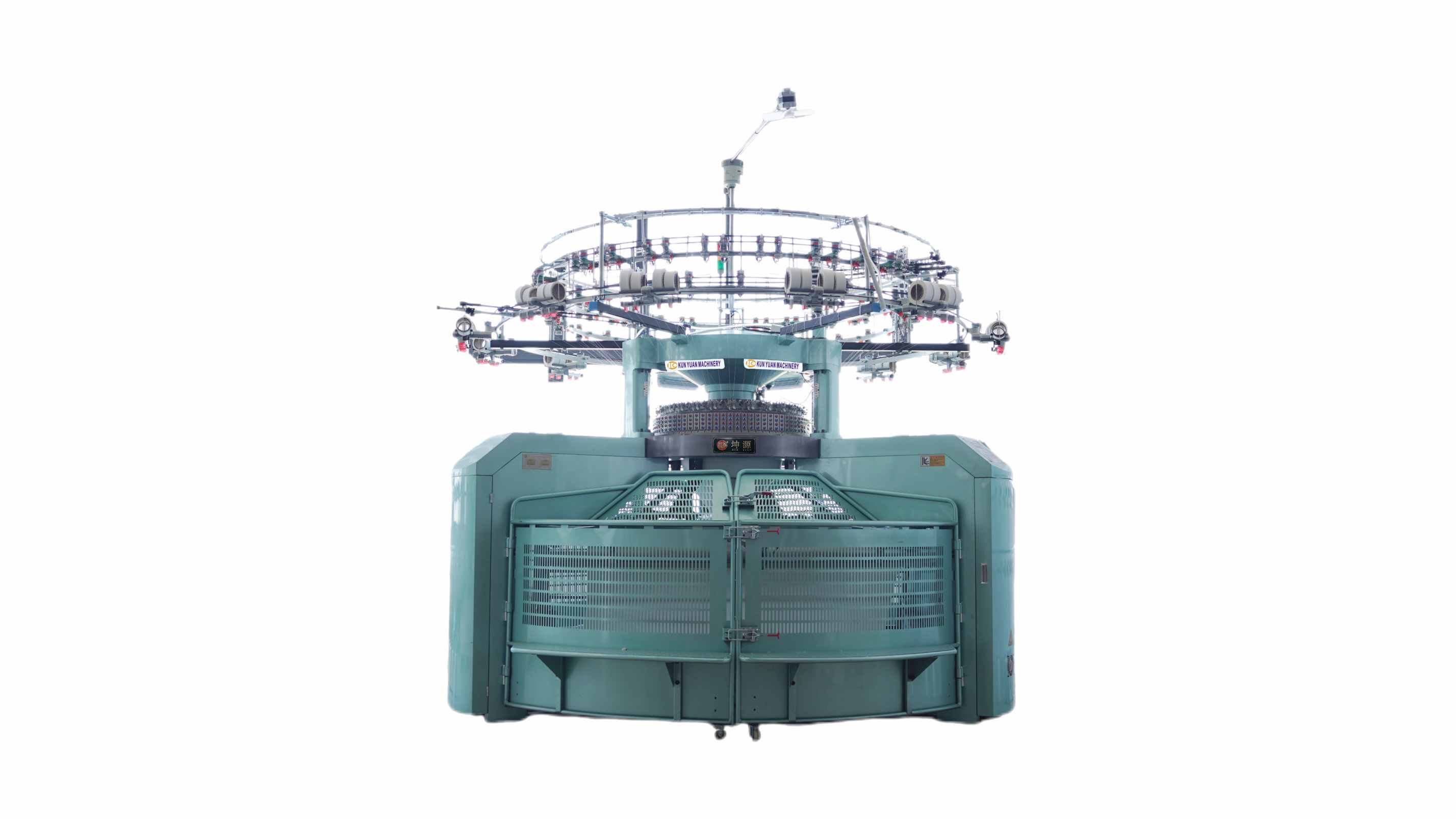
Take the two-bed timing and recovery record into the quotation review for the rib double jersey circular knitting machine so gauge remains tied to the actual rib structure.






 Tel: +86-13859034518
 Email: info@kunyuanmachine.com
 MP/WhatsApp: +86-13859034518
 Manufacturer Address:Bacuo Village, Yonghe Town, Jinjiang City, Fujian Province