Hot Keyword:
YOUR POSITION:HOME > Blog >

Jumberca Knitting Machine Installation: Identity, Rigging and Acceptance

Author:KUNYUAN Machine Manufacturer TIME:2026-08-28

MENU
Legacy-machine installation control

Identify the exact Jumberca machine before planning the lift

“Jumberca knitting machine” can describe different models, ages, diameters, gauges, controls and installed options. A safe installation plan begins with the nameplate, serial number, manuals and a photographed configuration. Generic setup advice cannot replace the documentation for that exact machine.

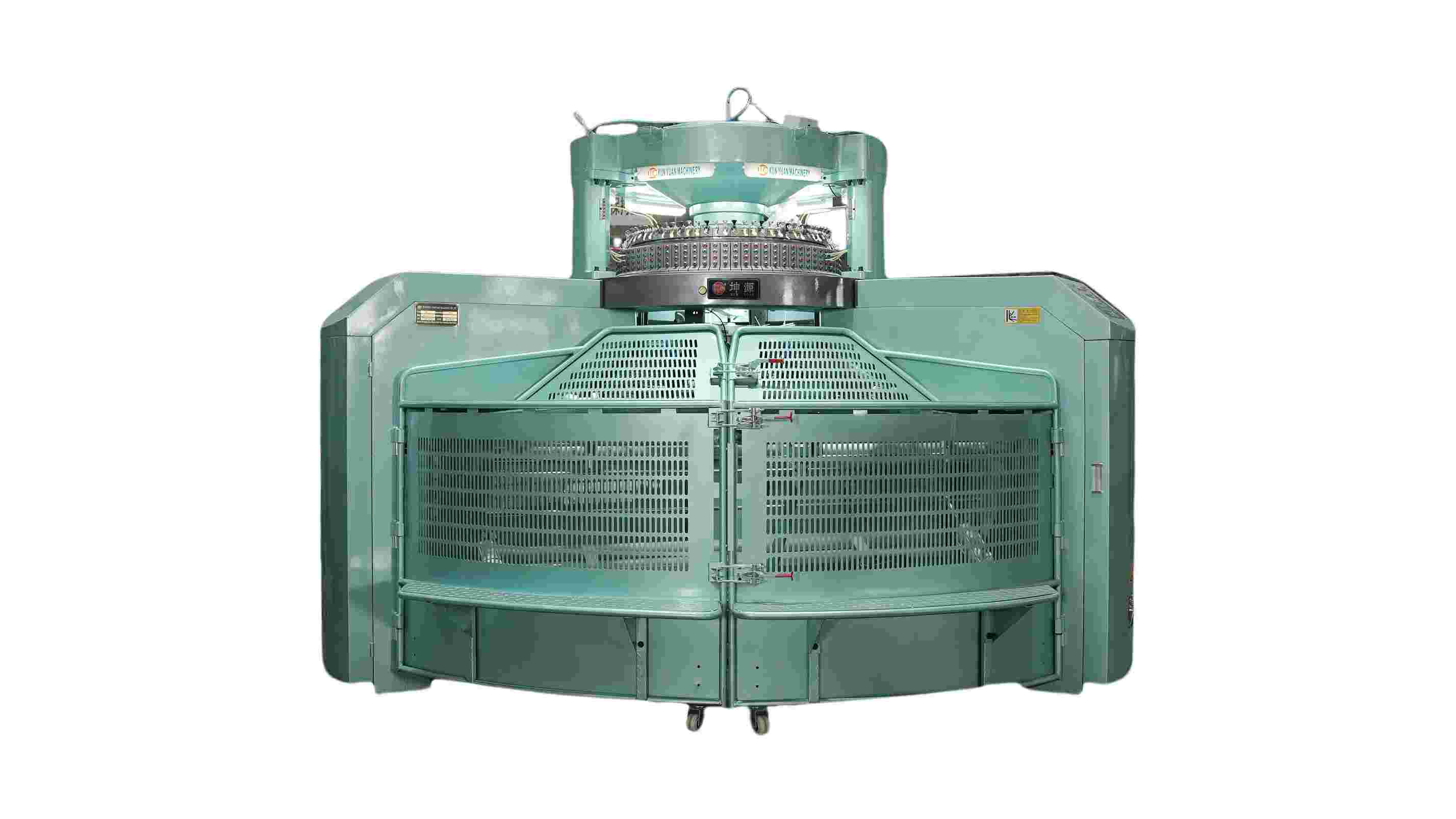
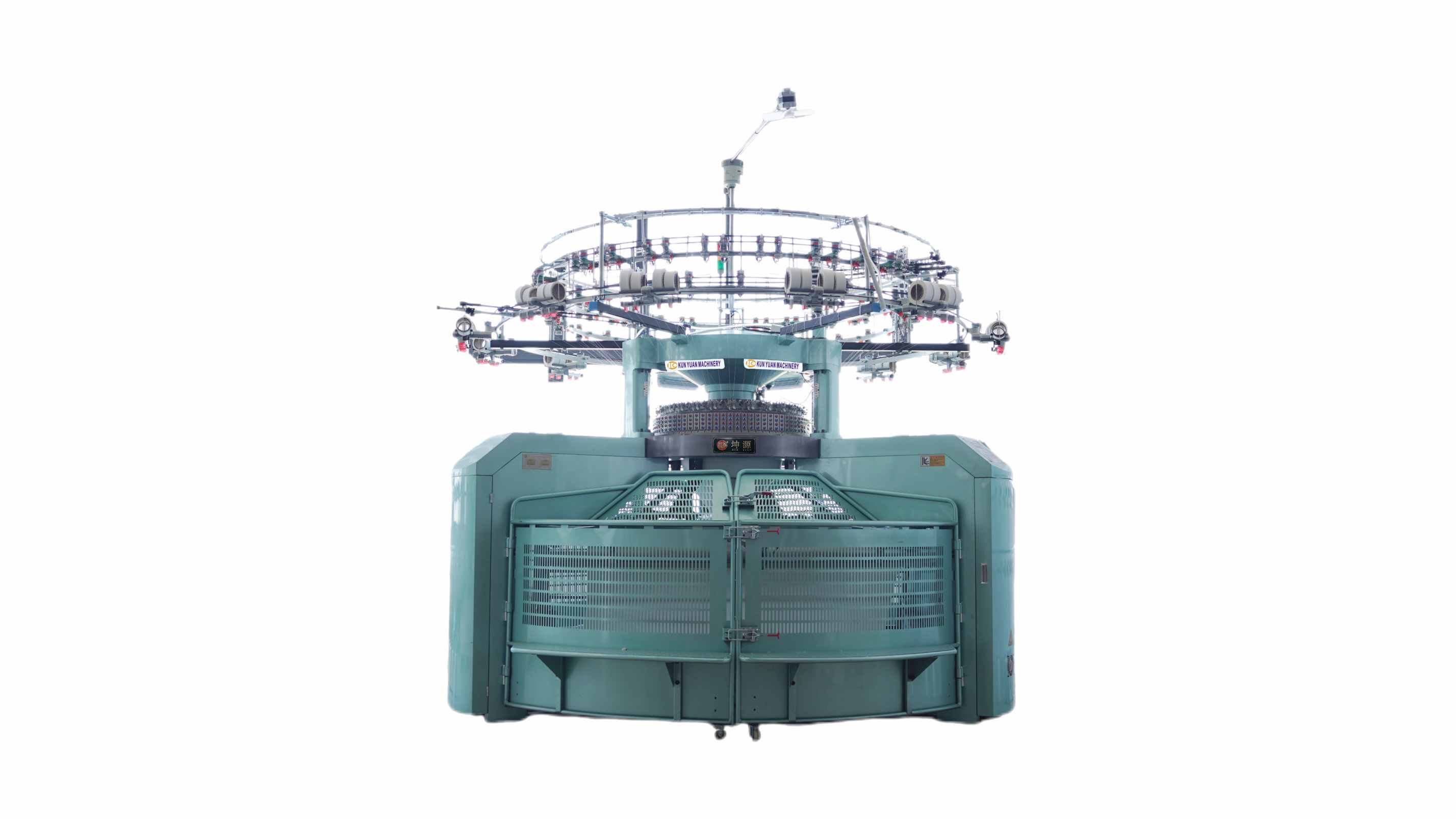
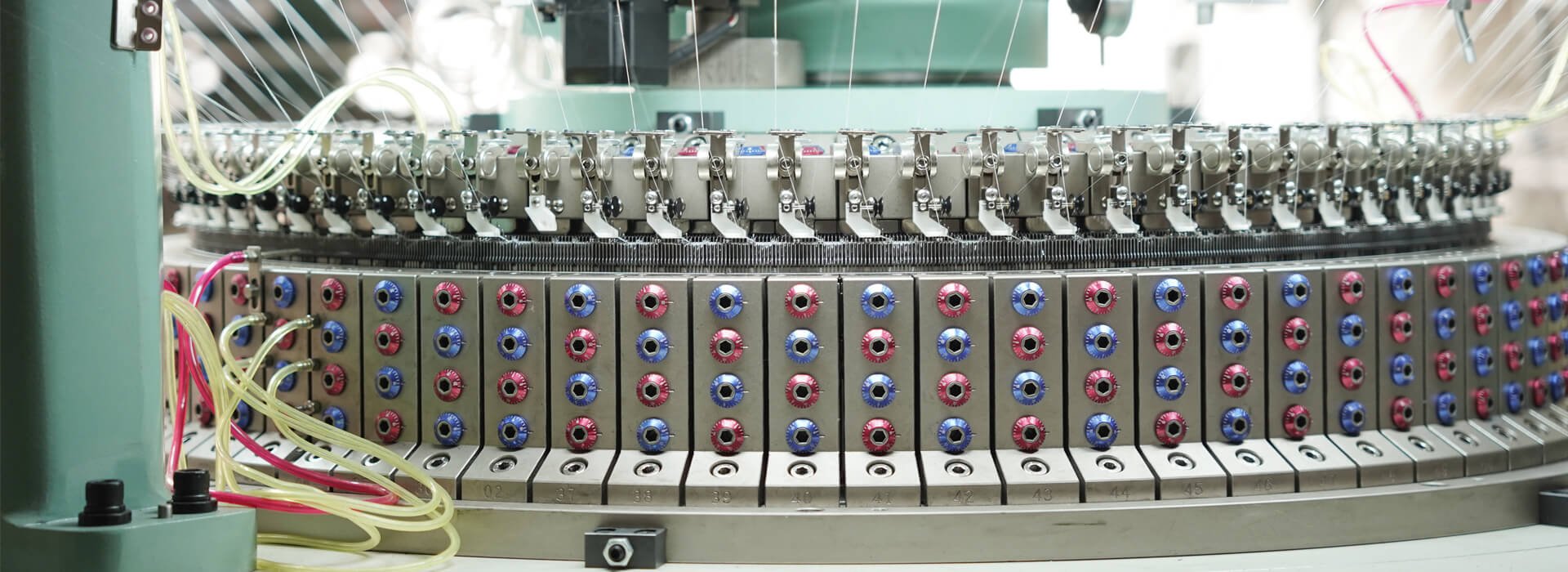
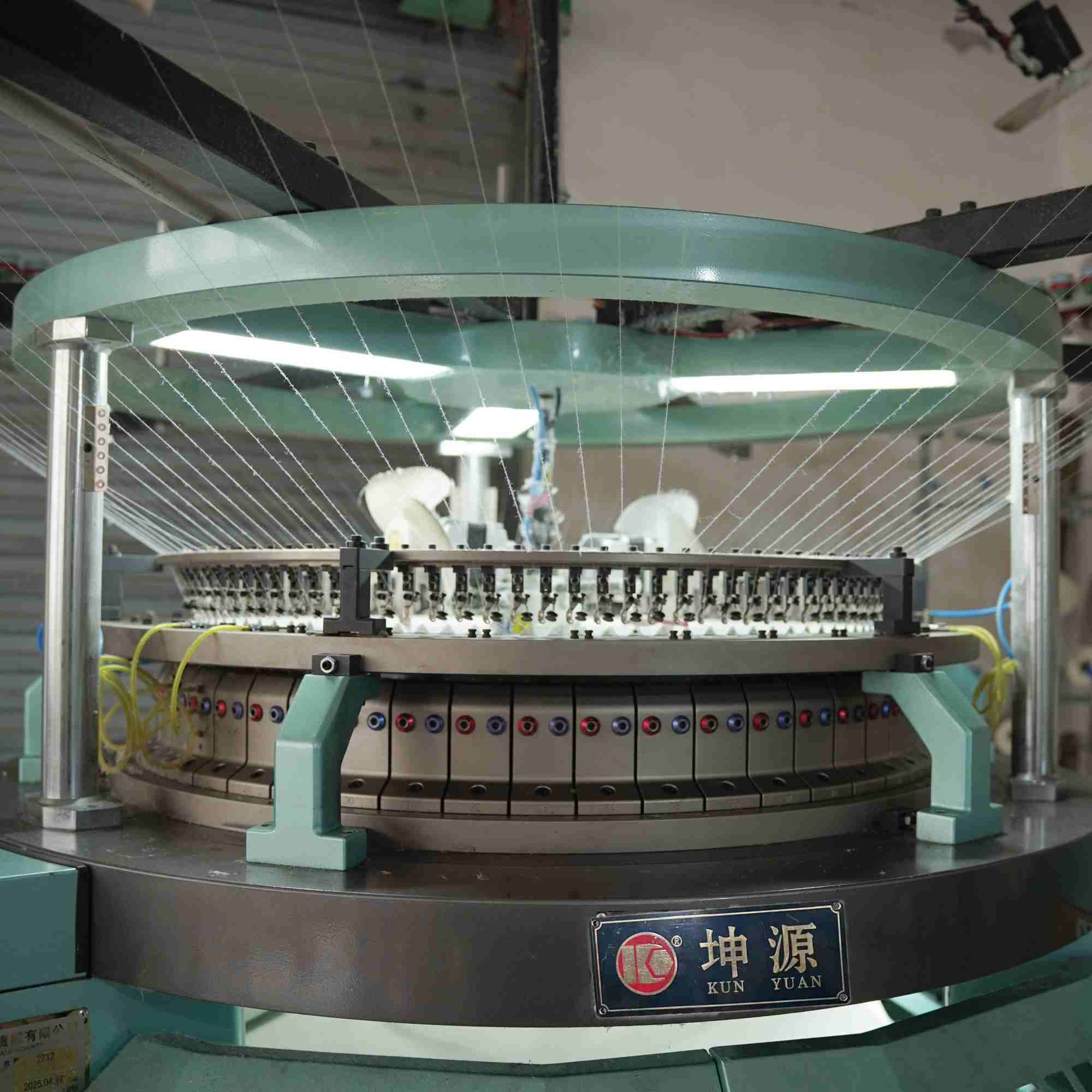
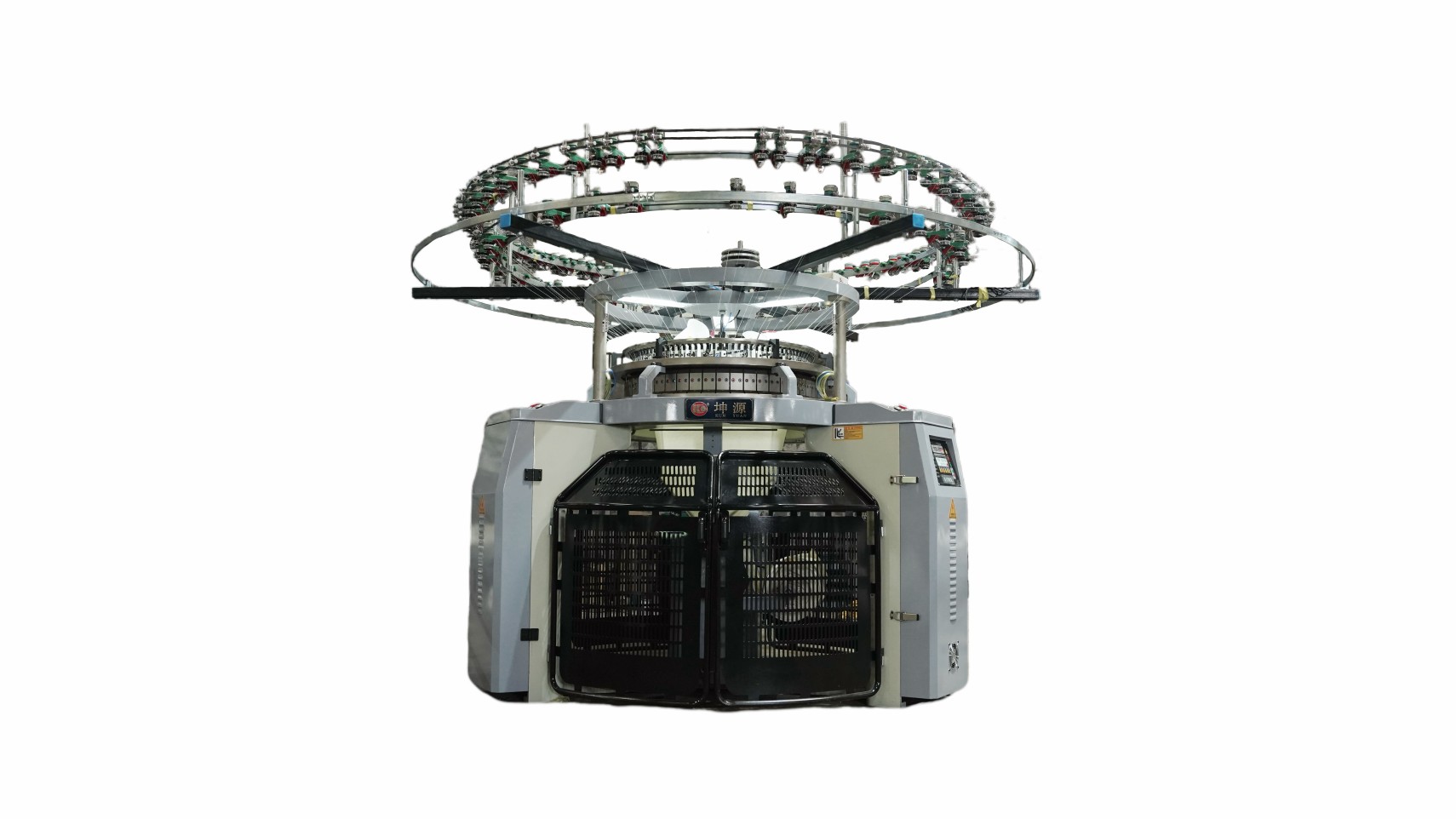
Jumberca is a third-party brand. The Kunyuan images on this page are circular-knitting references for discussing access, yarn paths and acceptance; they do not depict or certify a specific Jumberca model or prove parts compatibility.

Build the identity dossier

Photograph the full machine, nameplate, cylinder and dial identifications where accessible, control cabinet, drive, feeders, take-down and every loose or removed assembly. Record model, serial number, diameter, gauge and voltage exactly as found. Do not fill missing fields from an online photo of a similar machine.

List the manuals, electrical drawings, parameter backups, passwords or access arrangements, spare parts and tools delivered with the machine. For a used installation, add the last running fabric, known modifications, preservation method and open faults.

Gate: identity and document set agree
Approve the site and rigging plan

Use the machine maker's foundation and utility data for the identified configuration. Verify floor capacity and level, service clearances, door and aisle dimensions, overhead restrictions, electrical supply, earthing, compressed air where fitted, ventilation and a safe location for the control cabinet.

A qualified lifting team must select and inspect the lifting equipment for the actual load and centre of gravity. Define lift points from the manufacturer's information or a competent engineering review; do not attach slings to yarn carriers, guards, cam boxes or other convenient-looking parts. Establish an exclusion zone and a route that keeps people away from a suspended load.

Gate: approved method, equipment and route

Reassemble without erasing the evidence

Match labels and photographs before tightening or reconnecting removed parts. Check the frame and bed level by the specified method, inspect shipping locks and corrosion protection, and confirm that guards and interlocks return to their intended positions. Electrical and pneumatic work belongs to qualified personnel using the machine drawings and local requirements.

Do not load a parameter backup until its model, control revision and date are known. Preserve the received copy, create a working copy and record every change. If cylinder, dial or cam timing has moved during transport, use the model procedure and measurement references rather than judging alignment from sound alone.

Gate: mechanical, electrical and control checks signed

Run a controlled dry and slow-speed check

Before threading production yarn, verify lubrication condition, manual rotation where the manufacturer permits it, guard and emergency-stop functions, drive direction, sensors and visible clearances. Remove tools, loose parts and packaging from the knitting area. Stop on contact, abnormal resistance, unexpected heat, noise or an unexplained alarm.

Thread a limited number of feeds only after the no-load checks pass. Confirm yarn path, feeder position, needle and latch condition, take-down direction and fabric collection. A slow, observable start protects the machine and creates a clean baseline for later fault finding.

Gate: no-load and slow-speed records accepted

Accept the installation with fabric

Use a known yarn and structure that the identified machine is documented to support. Record warm-up time, speed, stops, manual interventions, yarn settings, stitch controls, take-down and roll position. Inspect the fabric continuously at first; a transport or assembly error can appear as a repeating line before it becomes an alarm.

Keep a labelled greige sample and, when the product requires it, a finished sample. Compare width, weight, structure, both faces, dimensional response and agreed defects with the pre-shipment or historical reference. Installation is not complete merely because the cylinder turns.

Gate: traceable fabric meets the written limit

Close training and handover

Operators should demonstrate normal start and stop, emergency response, threading, doffing, cleaning, lubrication, defect marking and a controlled restart. Maintenance staff need the inspection points, part designations, electrical drawings, backup procedure and escalation contacts relevant to the installed machine.

Collect unresolved issues in one dated list with owner, target date and release effect. Store the final configuration, backups, test report and accepted sample under one installation reference so the mill can return to the approved state.

Gate: documents, skills and open items transferred
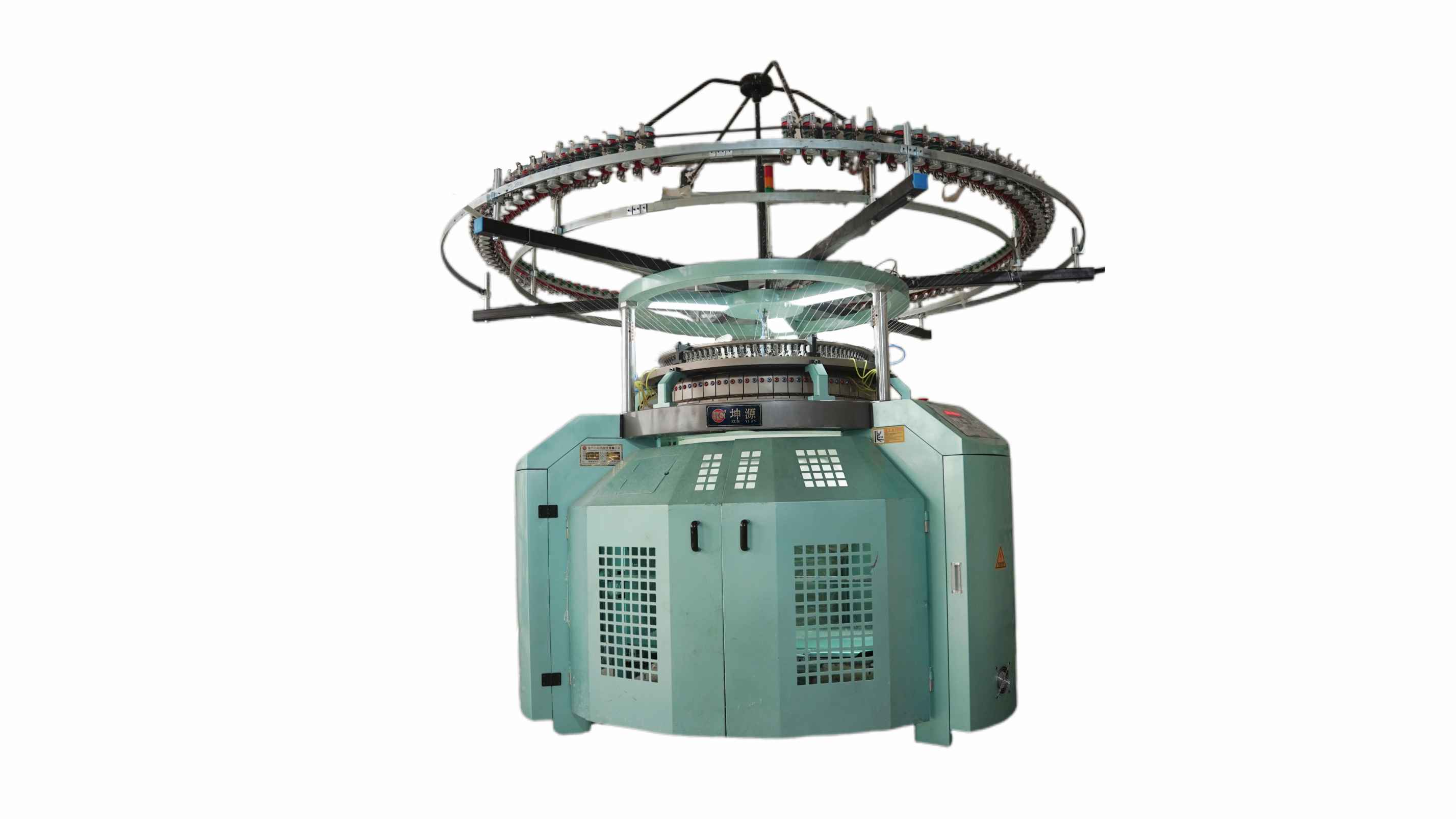
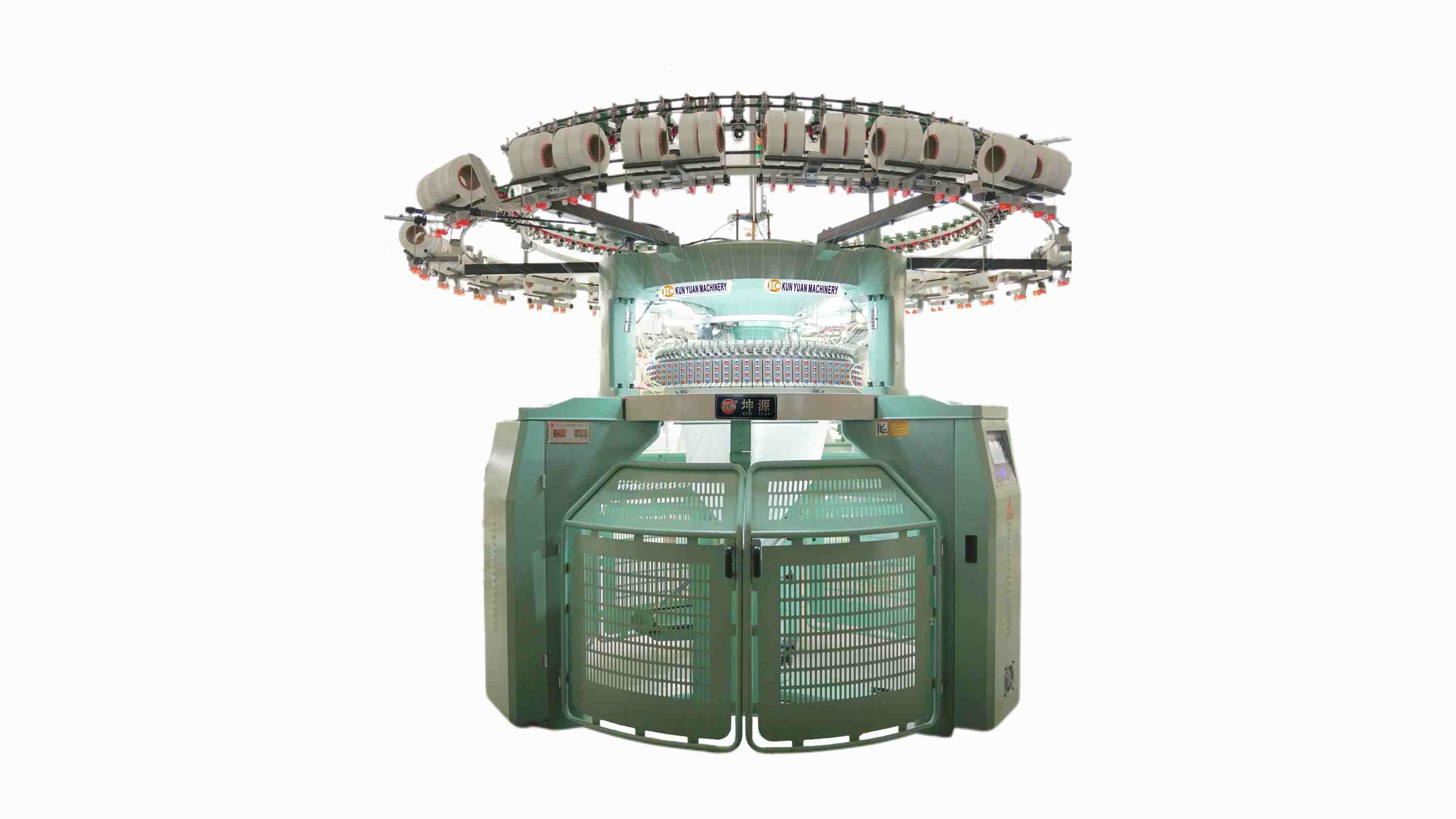
Circular knitting machine configuration reference
Use the actual Jumberca nameplate and drawings; this Kunyuan image only supports a configuration discussion.
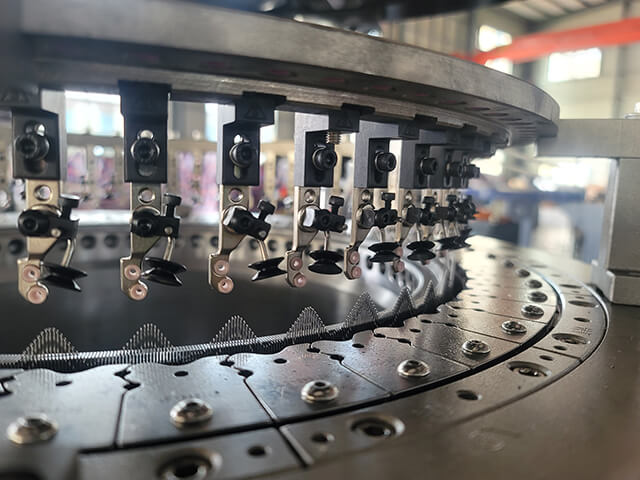
Knitting area access reference
Confirm access, guards, yarn path and service clearance on the exact installed machine.
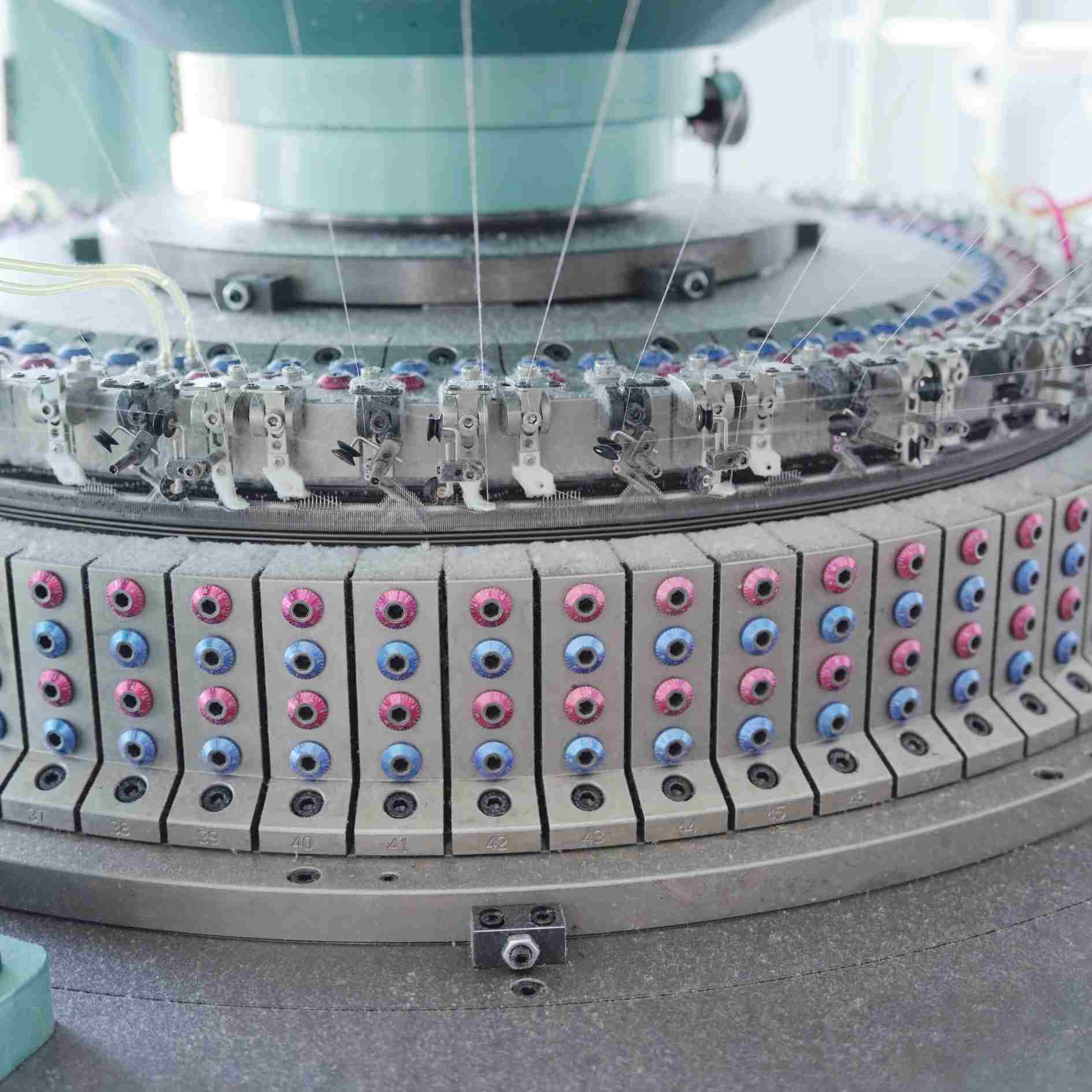
Fabric trial and take-down reference
Keep the fabric sample, roll position and installation settings together.

Installation release ledger

StagePass evidenceHold condition
IdentityNameplate, configuration photographs and manual setModel, serial, voltage or installed options conflict
Rigging/siteApproved lift plan, inspected gear, foundation and utility checksUnknown lift point, load, route or floor condition
AssemblyLevel/alignment record, connections and safety functionsUnexplained movement, missing guard or mismatched drawing
Trial/handoverAccepted sample, settings, backup and trained operatorsFabric drift, open safety issue or unowned corrective action

Questions before a Jumberca installation

Can a generic circular-knitting manual be used for a Jumberca machine?

It can help with terminology, but it must not replace the exact model manual, drawings and control documentation. Stop where the machine-specific instruction is missing.

What should be checked before a used machine is lifted?

Confirm identity, mass and centre-of-gravity information, approved lift points, dismantling state, corrosion or damage, route and rigging capacity with qualified people.

When is parameter backup safe to restore?

Only after the control model and revision match, the original file is preserved and the mechanical configuration is verified. Record the restored version and every subsequent change.

What proves that installation is complete?

A functioning machine is not enough. Require signed safety and utility checks, a traceable fabric trial, final settings, backups, training evidence and an owned open-item list.

Can Kunyuan confirm a Jumberca spare part from a photograph?

A photograph may help identify the area, but compatibility requires the exact machine and part designation, dimensions and technical confirmation. Do not order a safety-critical or loop-forming part from appearance alone.

Conclusion

The installation sequence is identity → lift plan → assembly evidence → dry run → fabric proof → handover. Each gate protects the next one from an assumption that is expensive to reverse.

For a new Kunyuan project rather than a legacy Jumberca move, review the circular knitting machine range and request model-specific foundation, utility, installation and acceptance documents with the quotation.

Close only with traceable records
Need Help?
Please leave your contact information to get our latest catalog
Get In Touch Now >
Kunyuan Machinery Manufacturer

Tel: +86-13859034518

Email: info@kunyuanmachine.com

MP/WhatsApp: +86-13859034518

Manufacturer Address:Bacuo Village, Yonghe Town, Jinjiang City, Fujian Province

NEW KEYWORD

About Us

Products

Information