

Hot Keyword:
Author:KUNYUAN Machine Manufacturer TIME:2026-08-28
Terry fabric is not created by a generic threading exercise. Ground yarn builds the supporting structure while pile yarn must form controlled loops; their paths, demand and finishing exposure need separate records that meet again in one marked roll.
Define loop side, pile height target, ground and pile yarn specifications, greige dimensions, finished weight and the intended washing, shearing or other surface treatment. Include absorbency or appearance checks only where the product specification actually requires them.
Use the exact machine diagram for assembly, lubrication, guarding and safe setup. The blueprint here organizes the commissioning evidence. It deliberately avoids universal yarn tensions, sinker movements or cam clearances because those belong to the installed model and fabric recipe.
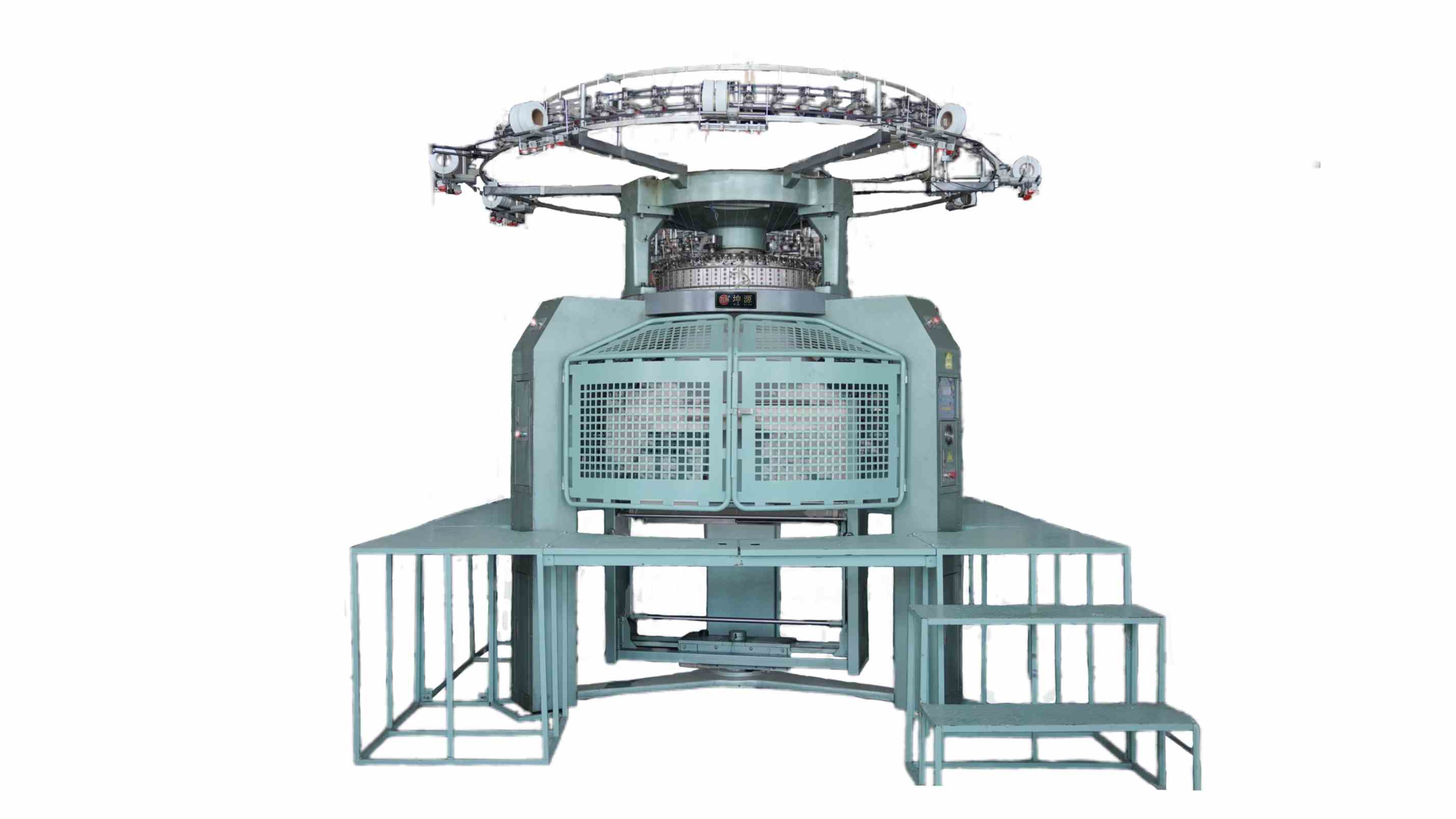
Label every ground package and feeder, then record delivery and stitch settings under a simple construction. Inspect the supporting face for vertical lines, barre, holes and width drift. If the ground moves, pile comparisons lose their basis.
Retain a ground-side photograph and a full-width swatch with machine direction marked. Those references help distinguish a structural line from a pile-development issue later.
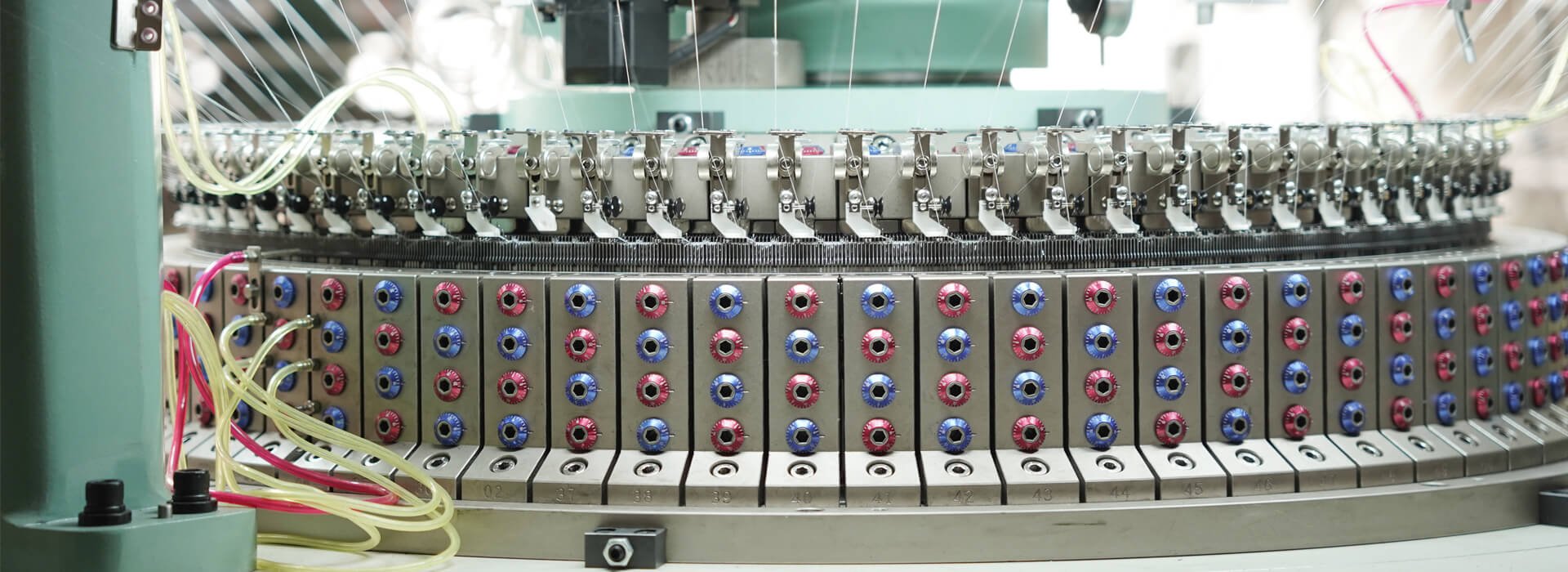
Trace pile packages through guides and delivery devices to the assigned feeds. Note material, count, lot, package build and any surface treatment that changes friction. Observe starts, package changes and low-package conditions, not only continuous running.
Measure loop condition at several positions across and along the roll. A pleasing centre sample can hide circumferential variation or a periodic feed event.
Inspect the loop side and reverse under fixed orientation. Classify low loops, long loops, bare areas, pulled loops and visible ground before touching the setup. Use position and repeat to choose the first inspection point.
Change only a documented cause within manufacturer limits, then mark the restart. Comparing adjacent before-and-after fabric is more reliable than remembering how the previous panel looked.
Send identified roll sections through the intended relaxation, washing, dyeing, drying, shearing or other surface process. Record the exact route and preserve paired greige and finished samples. Loop regularity, hand and surface coverage may change downstream.
Run the accepted recipe again after cleaning or a normal stoppage. Commissioning closes when the team can recover the same finished result from the controlled record, not when one hand-selected swatch passes.
| Drawing layer | Identity to freeze | Fabric evidence | Release question |
|---|---|---|---|
| Ground | Yarn, feed and stitch basis | Reverse and full-width swatch | Is support stable? |
| Pile | Package, path and assigned feeds | Loop-side position map | Is delivery even? |
| Formation | Approved machine setup | Marked before/after section | Did one change explain result? |
| Finish | Route and sample identity | Paired greige/finished pieces | Does commercial surface pass? |
They perform different structural roles and can fail for different reasons even when they enter the same knitting area.
No. Relaxation and finishing can alter loop appearance and surface coverage, so approve the intended downstream result.
Mark direction, start and restart courses, interventions, feed or position clues, and sample boundaries.
No. Preserve the starting condition and change one verified variable so the fabric response remains interpretable.
A trained team must reproduce the approved finished fabric after a documented stop, restart and normal handling sequence.
A terry commissioning record works like a layered drawing: stable ground, traceable pile delivery, observed loop formation and a named finishing result. Keeping those layers separate makes troubleshooting faster and the final recipe defensible.
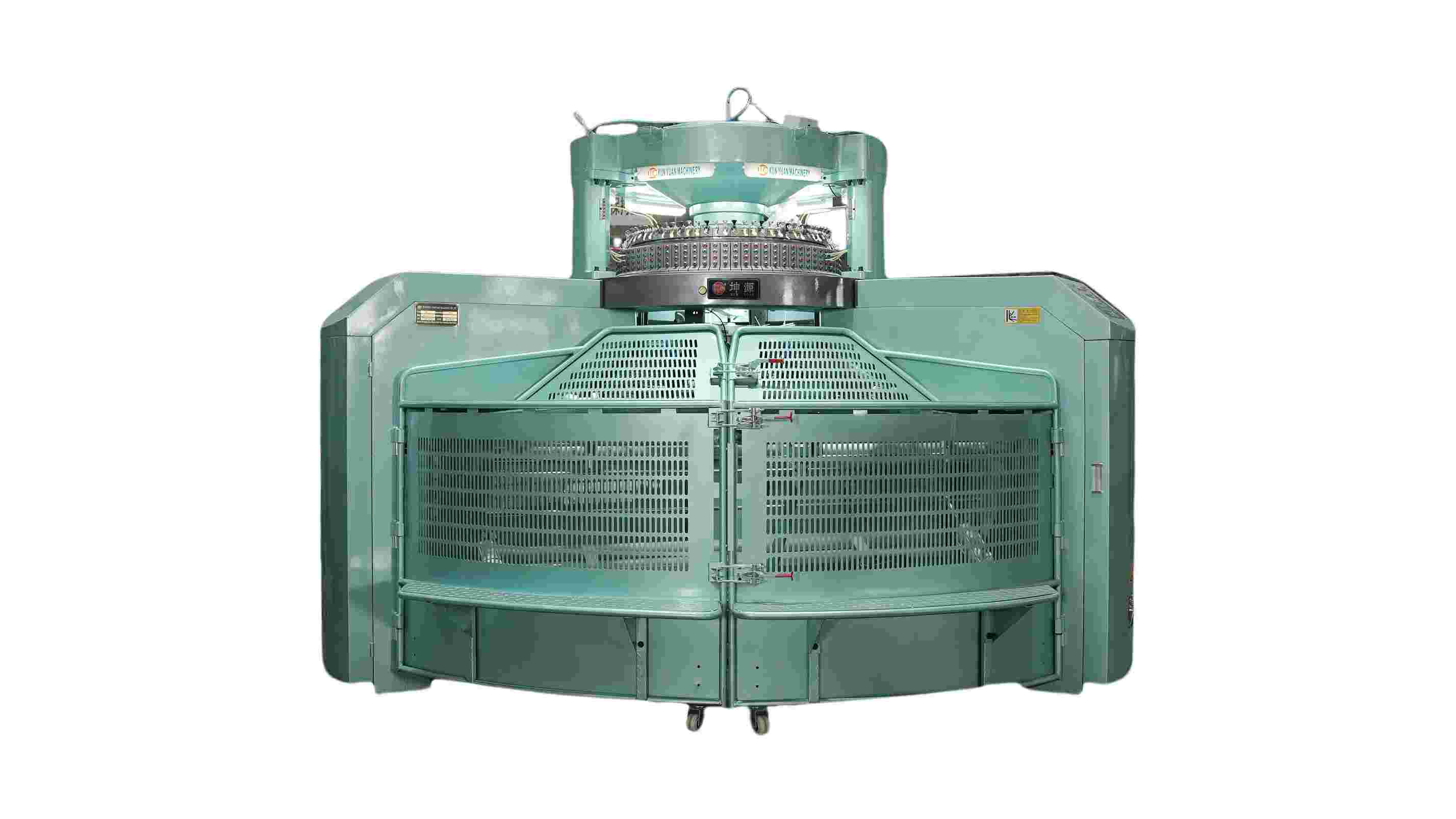
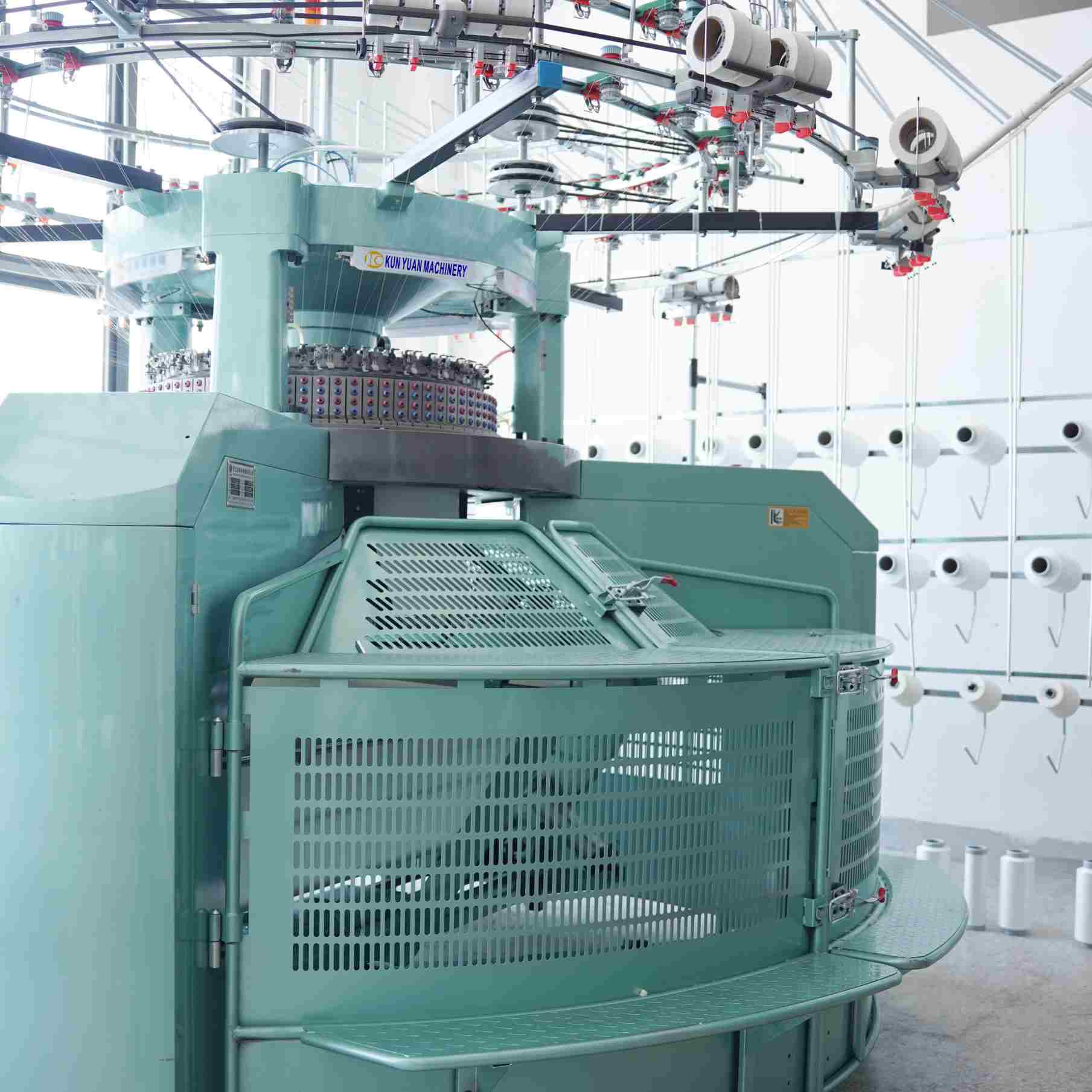
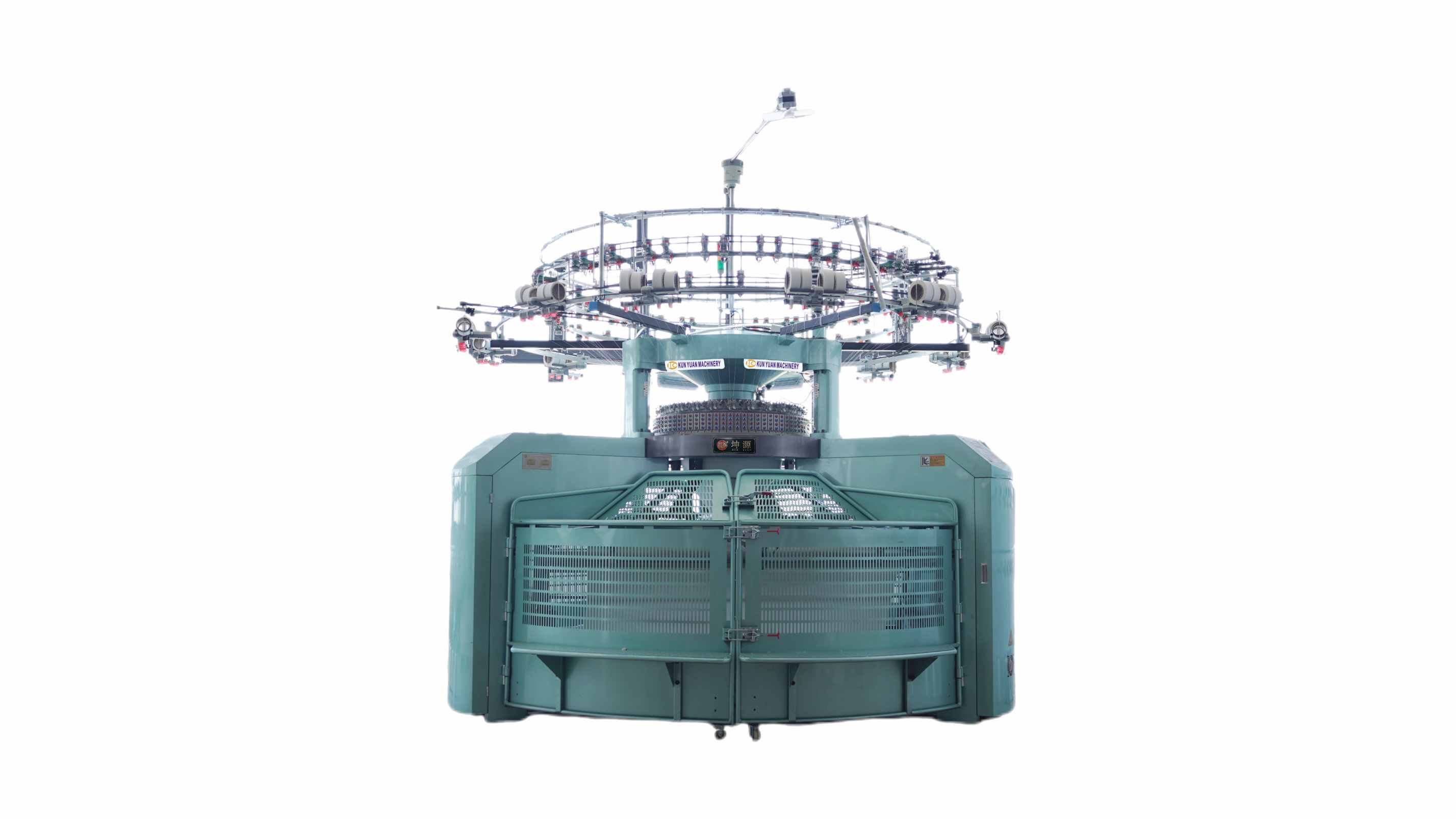
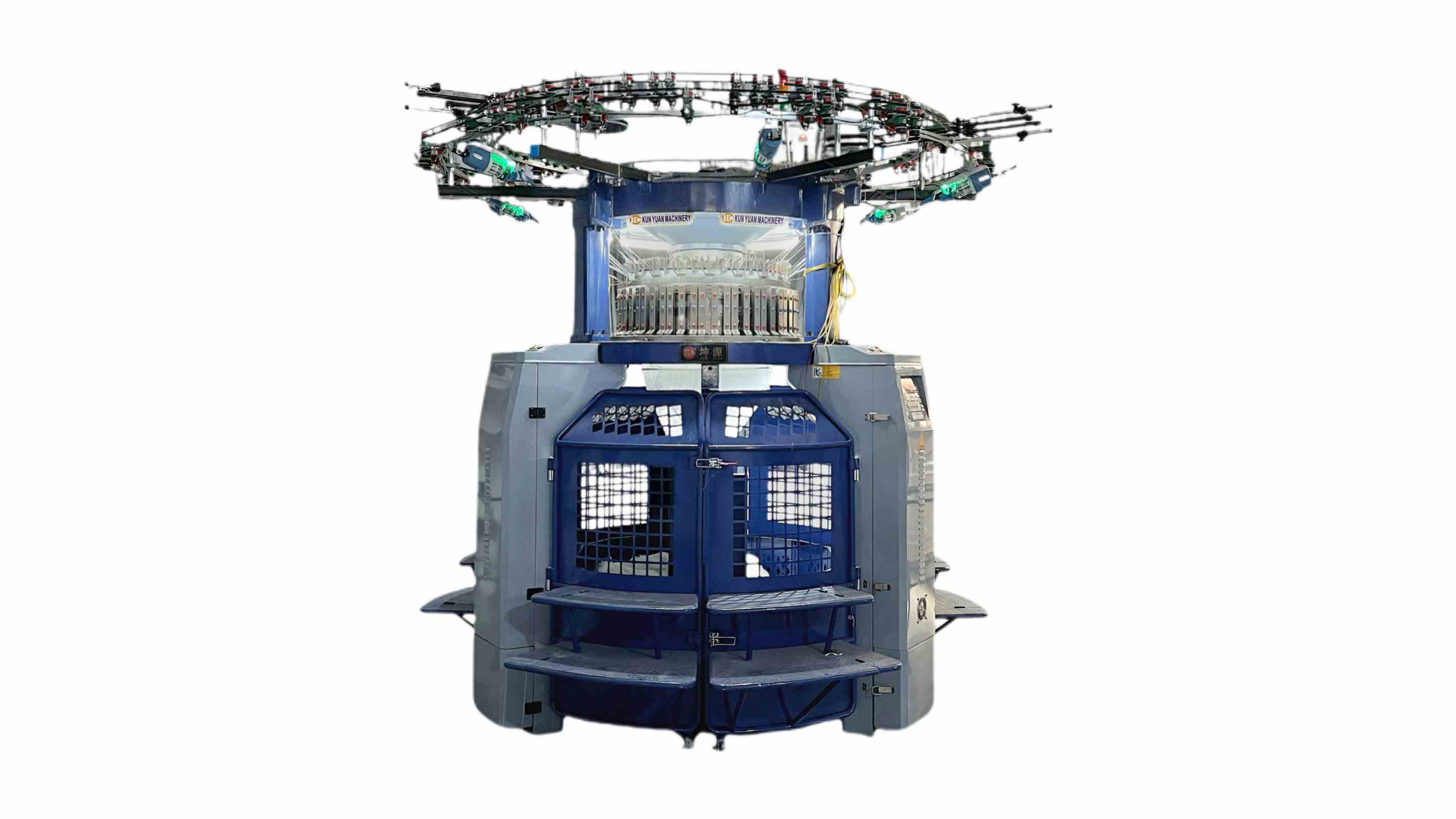
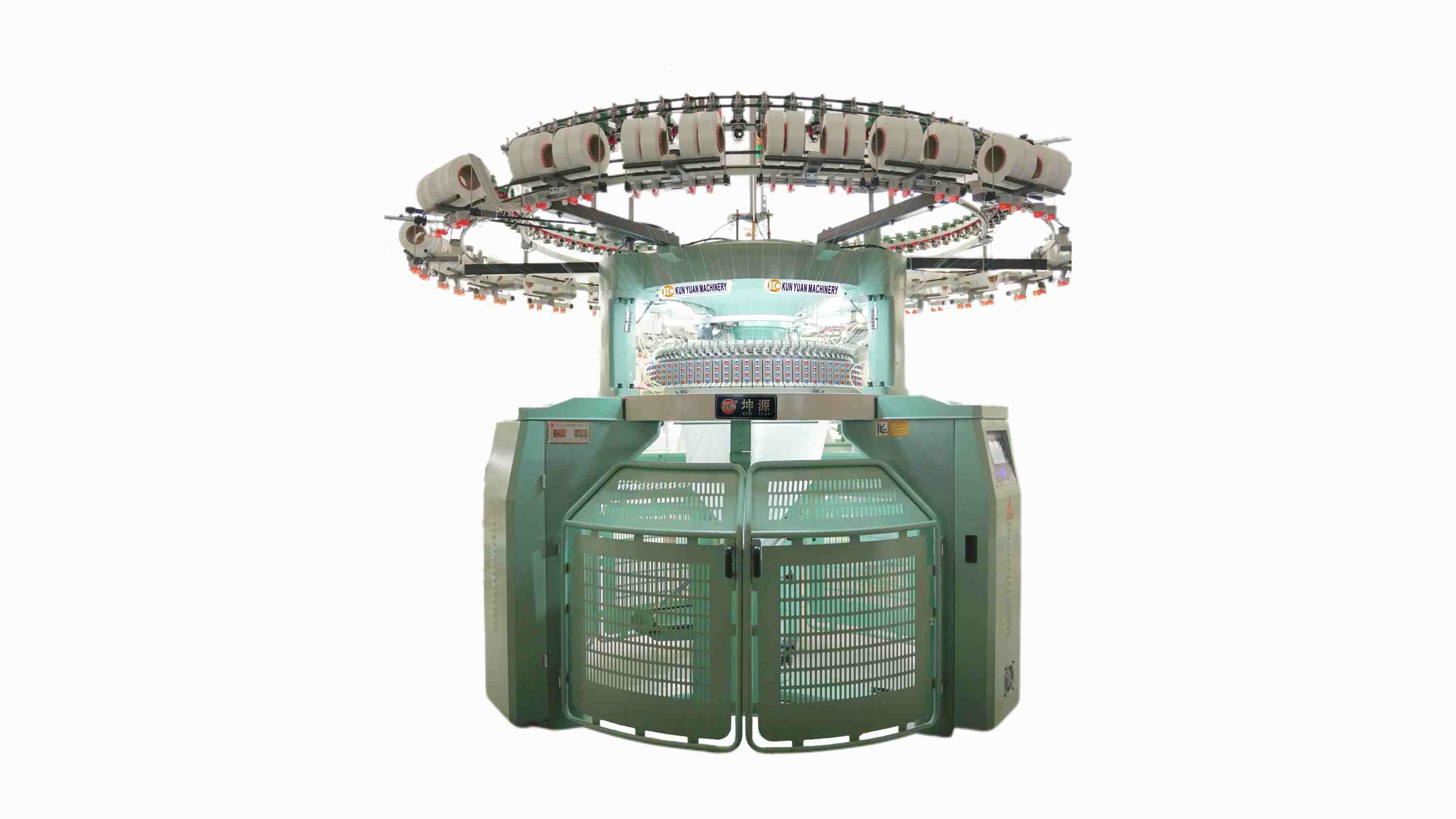
Use this blueprint while reviewing the terry jacquard circular knitting machine and request a buyer-yarn trial that preserves both loop-side and ground-side evidence through finishing.

 Tel: +86-13859034518
 Email: info@kunyuanmachine.com
 MP/WhatsApp: +86-13859034518
 Manufacturer Address:Bacuo Village, Yonghe Town, Jinjiang City, Fujian Province