

Hot Keyword:
Author:KUNYUAN Machine Manufacturer TIME:2026-08-28
An apparel mill rarely buys a machine for a category called fabric. It buys capacity for named structures, yarns, weights, widths and finishing routes. Those commercial facts must enter the RFQ before floor drawings and utilities are frozen.
Create one revision-controlled dossier shared by procurement, production, quality, maintenance and the supplier. It should connect target samples to the offered machine configuration, building interfaces, trial materials, acceptance methods and open responsibilities.
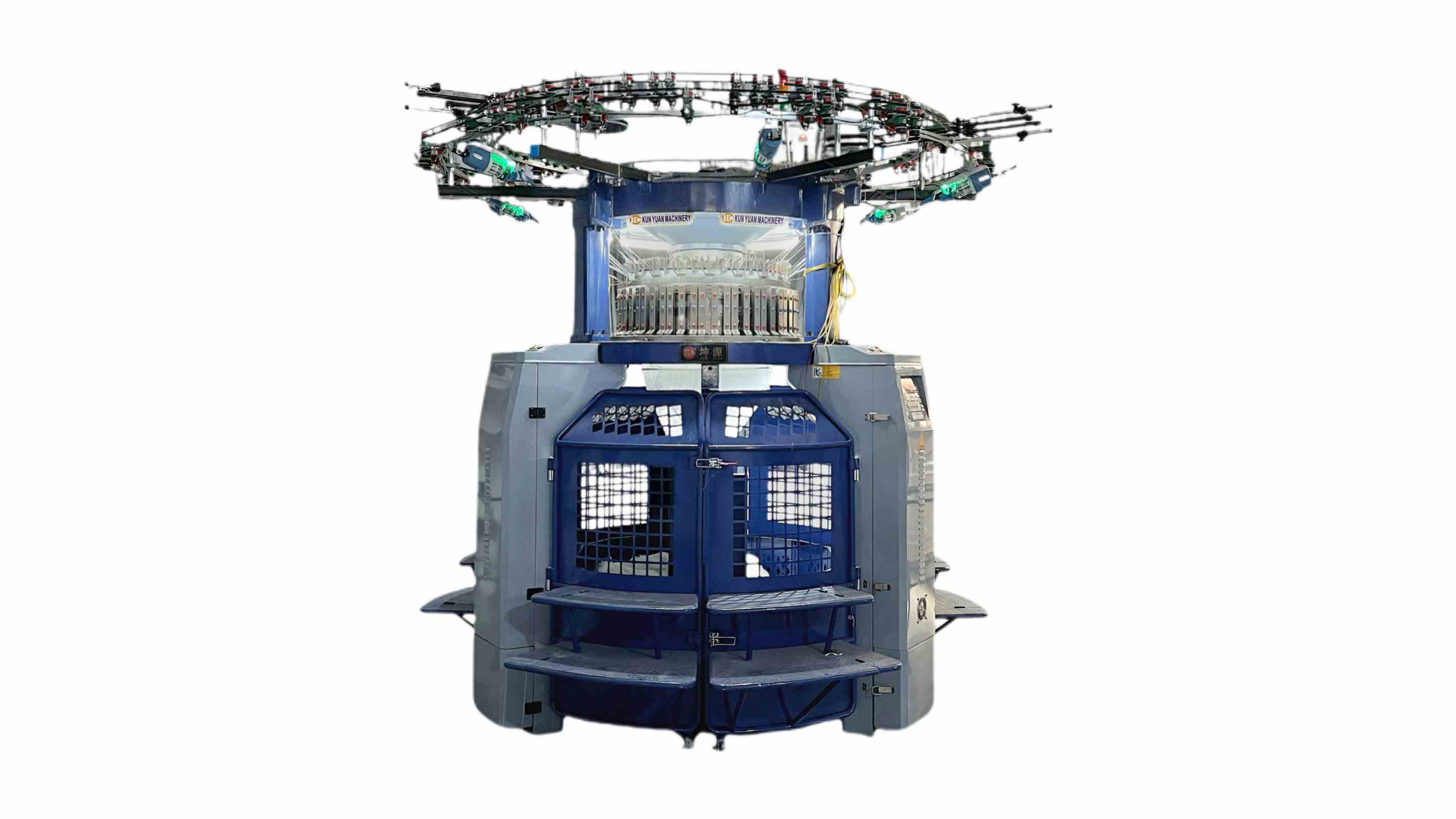
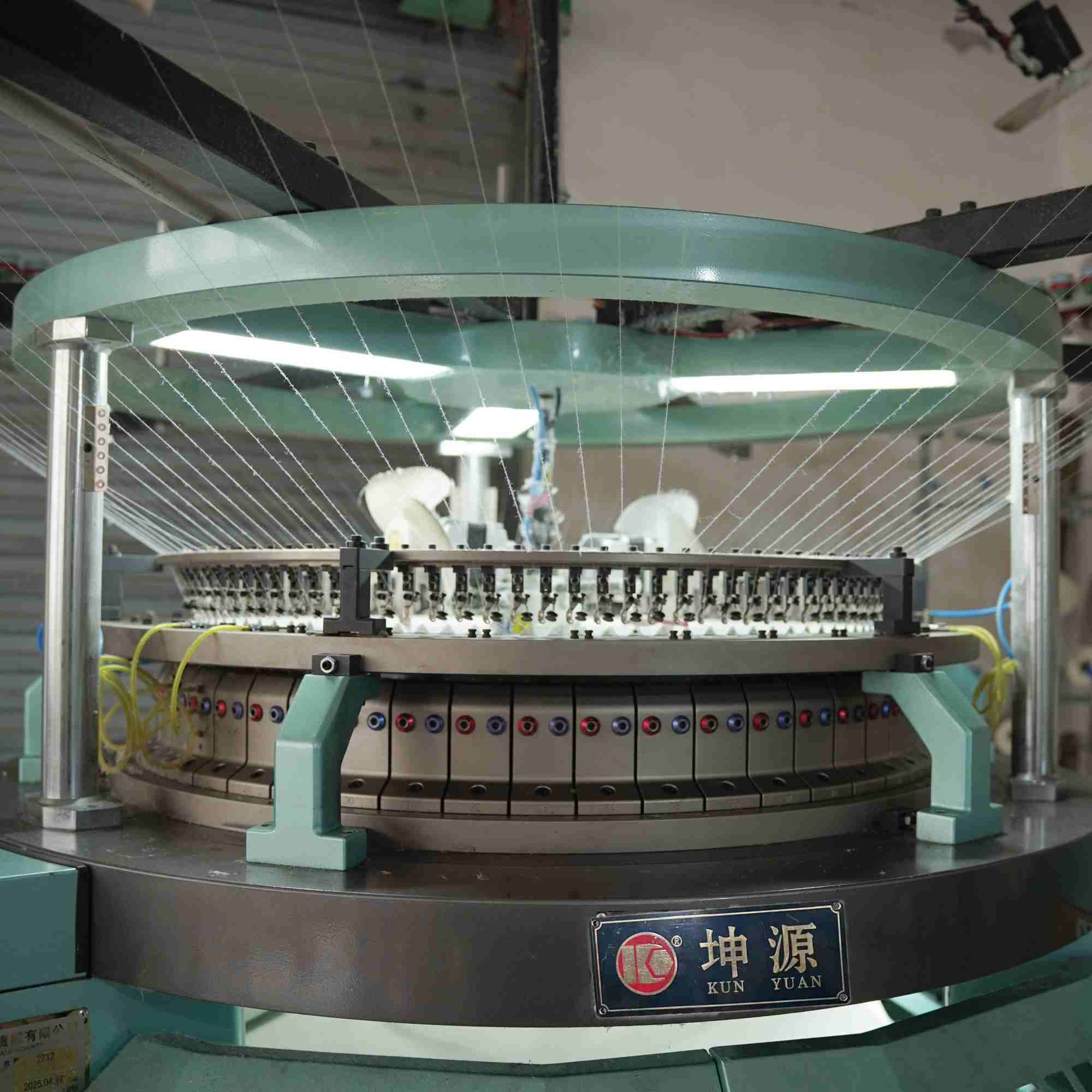
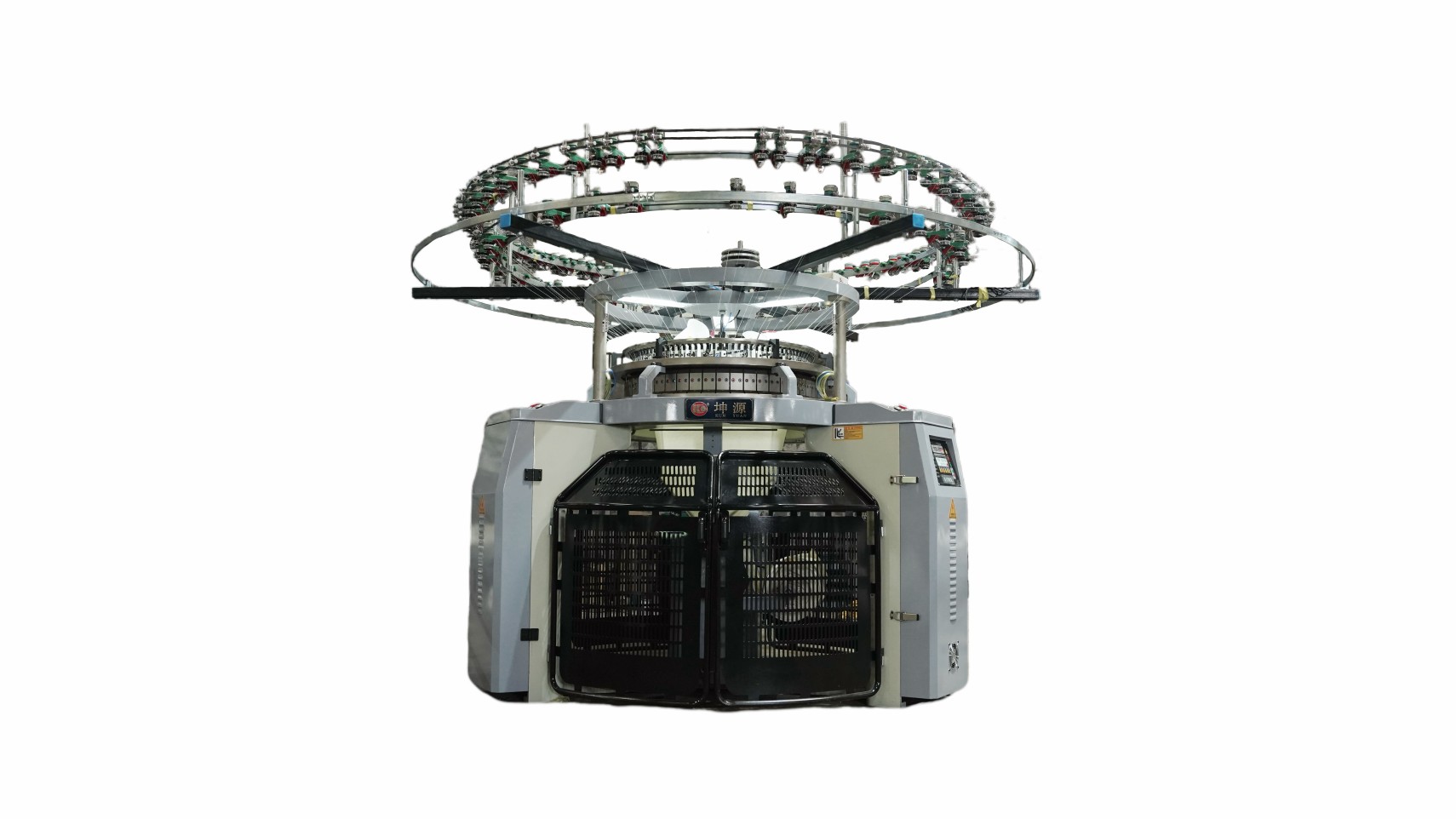
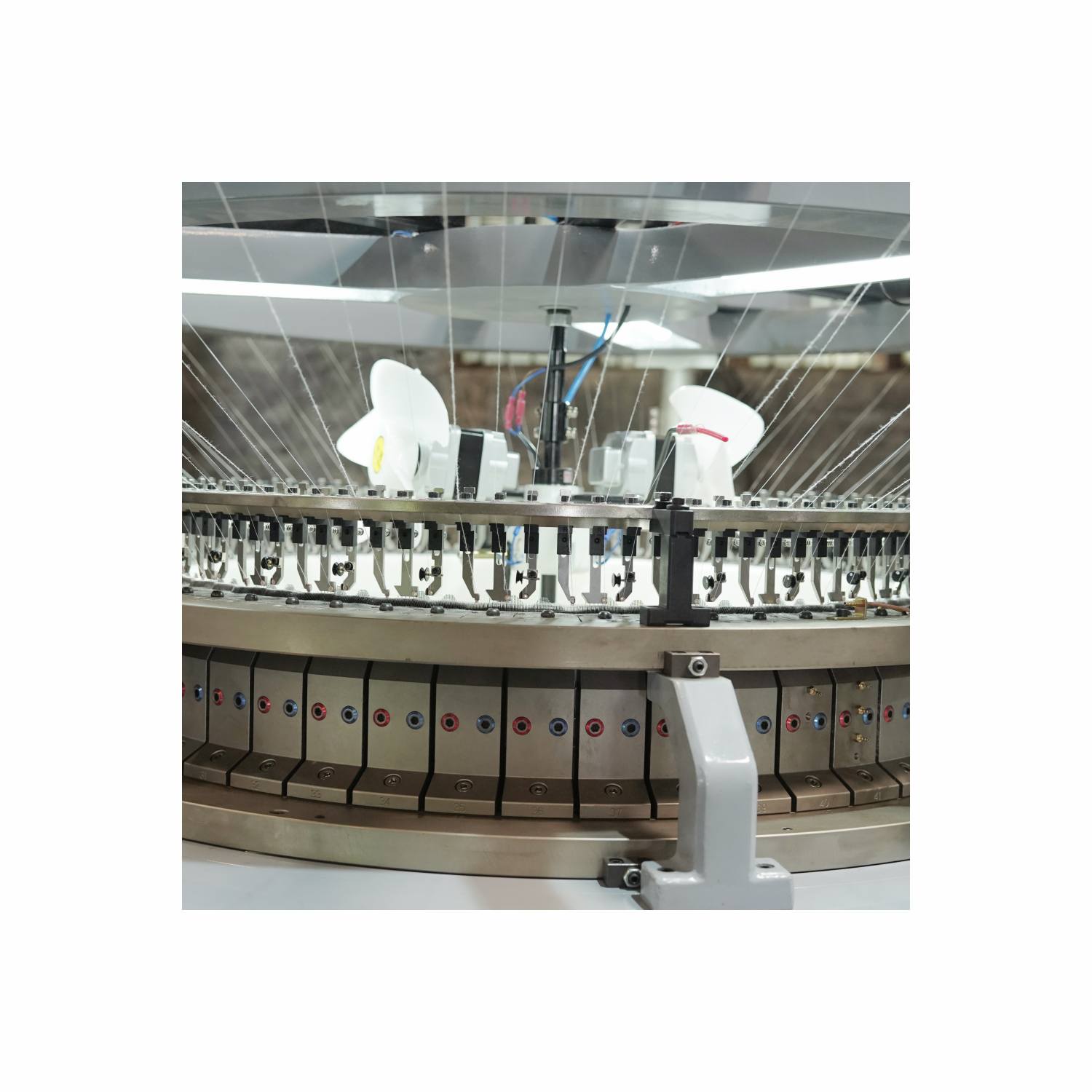
Do not let a broad machine family stand in for the exact build. Diameter, gauge, bed and cam arrangement, feeders, take-down, winding form, controls and installed options determine what can be trialled. Manufacturer instructions remain authoritative for installation and safety.
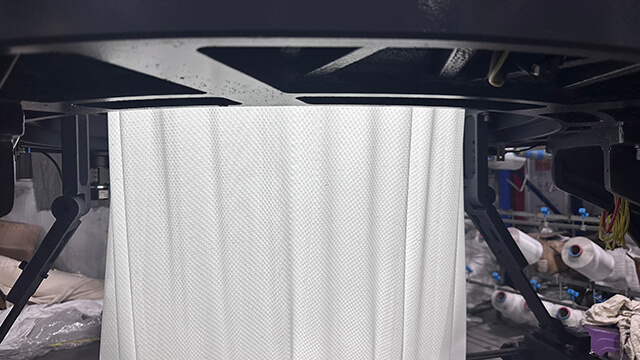
For each priority fabric, record structure, yarn material and count, elastomer use, greige and finished weight, width, dimensional limits, surface standard and finishing route. Add a physical sample with face, reverse and machine direction identified.
Choose one boundary item: perhaps the lightest fabric, widest elastomer use or strictest appearance. A supplier can then design an informative trial instead of selecting the easiest showroom fabric.
List machine identity, diameter, gauge, cylinder and dial where applicable, cam tracks, feeders, yarn-control equipment, lubrication, cleaning, take-down, winding, controller, guards and included tools. Separate standard equipment, paid options and local supply.
Ask the supplier to note which fabric in the attachment depends on each option. This exposes a missing device before purchase and prevents an attractive application list from being read as included capability.
Attach the approved layout, access route and foundation or floor information requested by the manufacturer. Record the responsible party for unloading, rigging, positioning, anchoring where specified, power, grounding, compressed air, exhaust, lighting and safe service clearance.
Utility values and lifting details must come from the final machine documents and qualified personnel. The dossier should show approval and revision, not repeat generic numbers from another installation.
Separate receipt inspection, mechanical completion, safety checks, no-load functions, yarn-in trial and finished-fabric approval. Give each stage an owner, witness, document and hold point. Mark changes made during trials on the roll and in the setting sheet.
Acceptance should include a reproducibility run after normal stop and cleaning. Record unresolved items with owner and due date rather than signing a vague statement that the machine operates.
| Document | Owner | Revision trigger | Acceptance evidence |
|---|---|---|---|
| Fabric brief | Quality/production | Style or finishing change | Measured finished sample |
| Configuration schedule | Supplier/procurement | Option or model change | Identity and delivery check |
| Site interface | Engineering | Layout or utility change | Signed readiness record |
| Trial protocol | Joint team | Recipe or limit change | Repeat run and roll marks |
They determine which machine configuration and trial are relevant; a generic application name cannot carry those details.
The buyer should approve representative production lots and enough quantity for steady running, stops and repeats.
Use staged gates. Mechanical completion does not prove finished fabric quality, and a sample does not close site documentation.
Mark the roll, record the time and begin a new comparable section rather than blending results.
Name one owner, due date and acceptance authority for each item before conditional sign-off.
An installation RFQ becomes useful when the target fabric, delivered build, site interfaces and acceptance evidence share one revision history. That dossier gives every team the same boundary and makes the final signature mean more than power-on.
Attach this dossier structure when requesting a quotation for the circular knitting machine range so each apparel fabric is tied to a named configuration and finished trial.

 Tel: +86-13859034518
 Email: info@kunyuanmachine.com
 MP/WhatsApp: +86-13859034518
 Manufacturer Address:Bacuo Village, Yonghe Town, Jinjiang City, Fujian Province