Let the sewn-in care label outrank a universal sweater rule
The earliest version of this article was about caring for a finished sweater, not maintaining a knitting machine. That distinction matters: fibre, yarn, colour, trim and finishing determine safe care, so the garment label is the first instruction and this guide is a method for reading the result.
Before washing, photograph the sweater flat and note stains, loose threads, pills, decoration and measurements that matter to fit. Empty pockets and close fastenings where the label or construction permits. Turn the garment inside out when that is consistent with its trims and care claim.
Do not infer fibre content from softness or appearance. A wool-rich sweater, a cotton knit and a synthetic blend can need different detergent, temperature, agitation, drying and pressing. When the care label says dry clean only or gives a special restriction, follow that claim instead of a general internet routine.
Translate the care symbols before choosing a cycle
Read fibre content and every wash, bleach, dry, iron and professional-care symbol as one instruction set. Check whether trims, patches, zips or contrast colours introduce a stricter limit. If the label is missing, test an inconspicuous area and choose professional advice rather than assuming that all circular knits tolerate the same treatment.
Separate pale and dark garments, especially while wet. Treat a stain locally with a product suitable for the fibre and dye, but avoid aggressive rubbing across the knitted surface. Friction can raise fibres or distort loops before the garment reaches the wash.
Reduce mechanical stress while soil is being removed
Use the hand-wash or machine program stated on the label and a detergent intended for the fibre. For wool, authoritative care guidance recommends a mild or neutral wool detergent and warns against heavy-duty, enzyme-rich or bleach-containing products. Measure detergent instead of pouring by habit; residue can affect hand and appearance.
Support the wet garment rather than lifting it by one shoulder. Avoid wringing or twisting. If a machine cycle is allowed, use a load and spin condition suitable for delicate knitwear and remove the sweater promptly. The objective is clean fabric with the original loop geometry still relaxed and even.
Reshape on a flat surface unless the label authorizes another route
Lay the sweater on a clean, lint-free towel or drying screen, distribute the weight and gently return seams, cuffs and body to the recorded shape. Dry at room temperature away from direct sunlight or concentrated heat. Hanging a water-heavy knit can lengthen the body and create shoulder humps.
Tumble drying is not a default. Use it only when the care claim explicitly permits it, following the indicated low-heat or wool program. Let the garment dry fully before judging dimensions; a damp knit can look smaller or heavier and then change as moisture equalizes.
Treat pills, wrinkles and storage as separate surface tasks
Pilling is entangled surface fibre, not proof that the structure has failed. Remove it gently with a suitable comb or fabric shaver while the garment lies flat, stopping before the blade reaches sound loops. Repair an open seam, snag or broken yarn rather than cutting the loose end flush and hoping it will hold.
Press only when the label allows it, using the stated temperature and light handling. Store knitwear clean, dry and folded so hangers do not carry the garment weight. Add pest protection appropriate to the fibre and storage environment without placing chemicals directly against the fabric.
Finished-garment care must be validated on the actual fibre, structure and finish.Photograph surface condition before washing or removing pills.Manufacturing records and after-care measurements should identify the same garment trial.
Care observation card
Stage
Record before
Check after
Stop signal
Wash
Label, stains, colour and dimensions
Cleanliness and colour transfer
Felting, bleeding or severe distortion
Dry
Flat outline and support method
Length, width, seam and cuff shape
Hanger stretch or heat mark
Surface care
Pills, snag or wrinkle location
Loop surface under good light
Cut loop or shiny pressed patch
Storage
Garment clean and fully dry
Folded support and pest plan
Dampness, compression or exposed snag
Sweater-care questions
Can every circular-knit sweater be machine washed?
No. Circular knitting describes how fabric or a garment was made; the sewn-in care claim and fibre construction decide whether machine washing is permitted.
Is cold water always the correct answer?
Use the temperature on the label. A cooler gentle process is often chosen for delicate knitwear, but it does not override a specific care claim.
Why is flat drying recommended for many sweaters?
It supports the weight of the wet knit and helps preserve shape. Woolmark advises flat drying wool sweaters unless the care claim allows tumble drying.
Can pilling be prevented completely?
Not always. Fibre, yarn, fabric construction and abrasion all contribute. Gentle care reduces unnecessary friction, and pills can be removed carefully without cutting sound loops.
What evidence helps a mill improve future sweaters?
Keep post-care dimensions, surface photographs and the exact wash/dry route beside the original approved garment. That connects consumer performance to yarn, structure and finishing decisions.
Conclusion
Good sweater care is a controlled sequence, not a list of absolute prohibitions. Read the claim, reduce avoidable agitation, support the wet knit, dry it in the authorized way and compare the result only when moisture and shape have stabilized. The same record helps manufacturers judge whether care performance matches the promise made on the label.
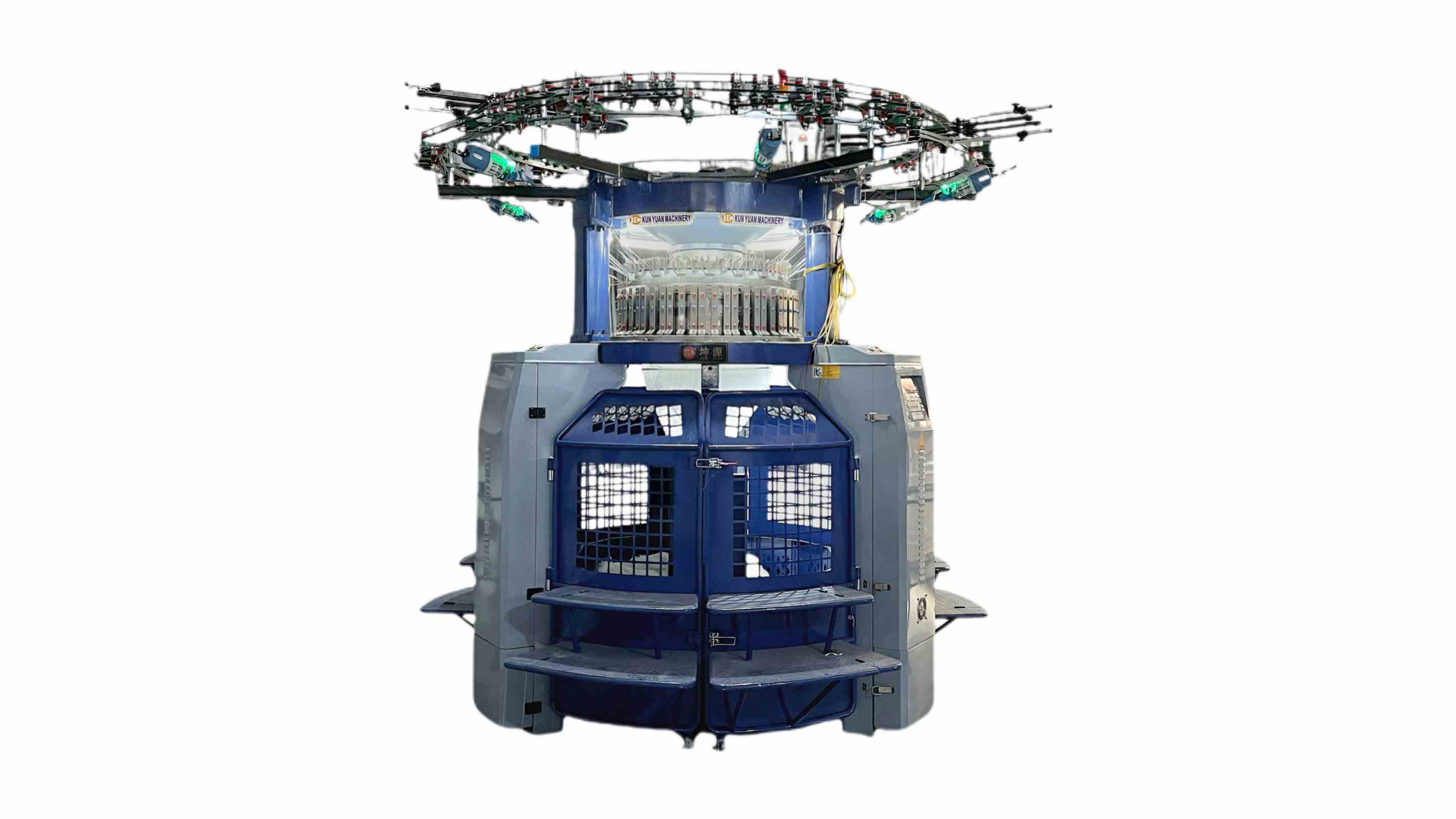
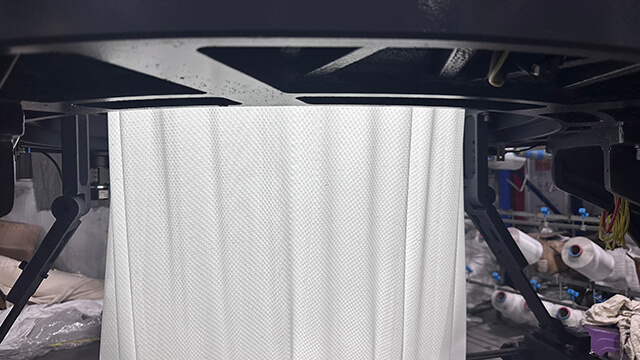
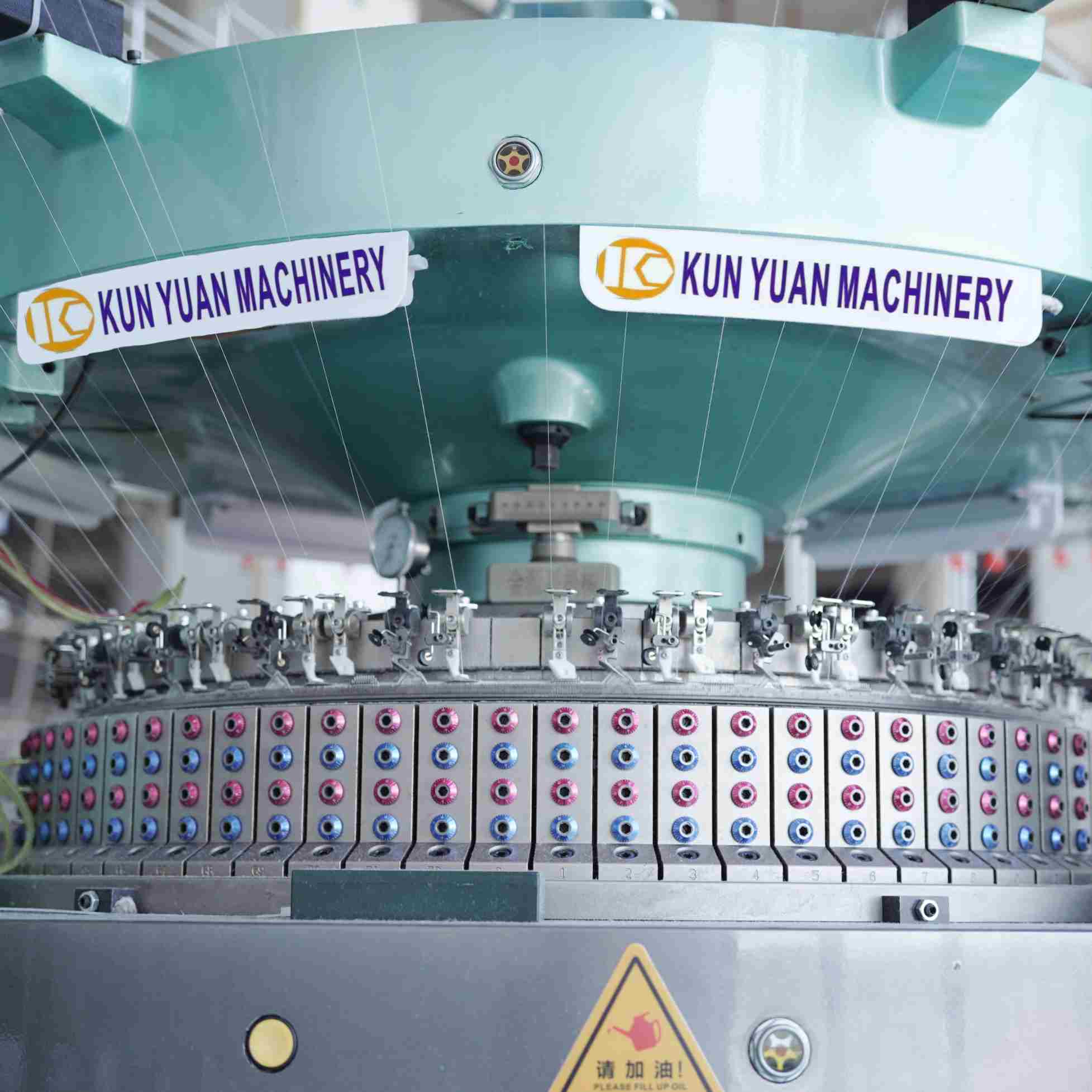
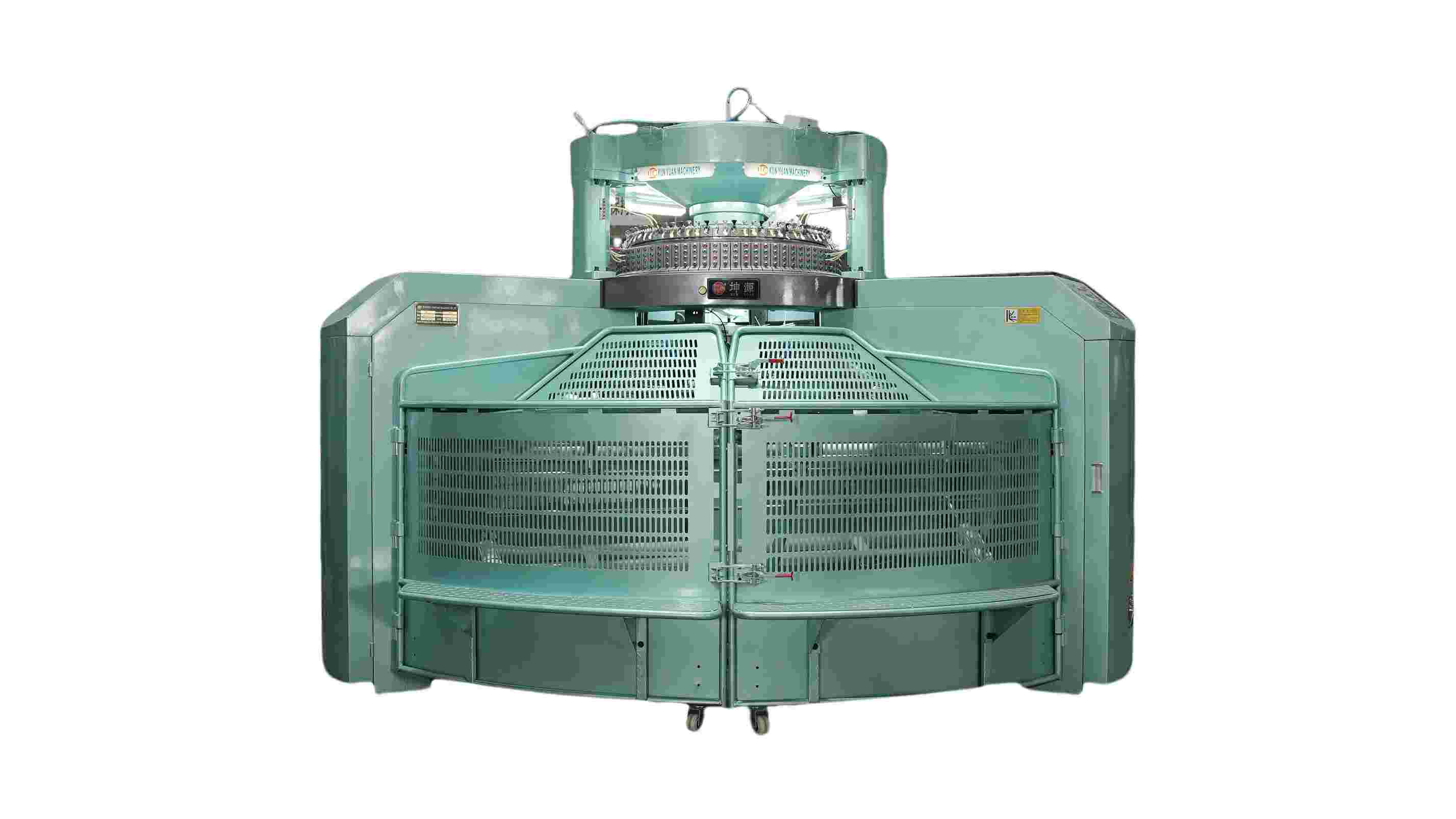
For mills developing sweater tubes and body-size knits, connect this after-care record to the circular knitting machine range so yarn, structure, finishing and label trials are reviewed together.




 Tel: +86-13859034518
 Email: info@kunyuanmachine.com
 MP/WhatsApp: +86-13859034518
 Manufacturer Address:Bacuo Village, Yonghe Town, Jinjiang City, Fujian Province