First decide what the second needle bed must contribute
Circular weft knitting describes a broad process in which yarn forms loops around a circular needle arrangement. It does not tell a buyer whether a single-bed, double-bed, jacquard, pile or body-size platform fits the fabric. The fastest route to a sound shortlist is to draw the loop structure and assign each bed a job.
Bring an approved physical fabric and, when possible, its construction notation. Record yarns, finished width, weight, stretch, reverse-face requirement and finishing. If the fabric must be reproduced rather than merely approximated, define which appearance and performance differences are unacceptable.
Machine portfolios are organized by structures and applications because diameter and speed alone are insufficient. A buyer should use those filters to create a shortlist, then confirm the exact model configuration and prove the intended fabric with production yarn.
Use a single-bed route when the fabric logic truly fits one needle set
Plain jersey, piqué, fleece bases and other single-bed possibilities cover a wide field, but each may require distinct cams, feeds, plating or pile arrangements. Define the reverse-face appearance, edge curl, elastomer use and finishing route. The words single jersey do not close those questions.
A simpler knitting head can support high output for the right fabric. It becomes the wrong choice when the product needs a stable double-face construction, dial knitting or transfer that the offered setup cannot provide.
Describe the required loop structure before selecting a one-bed route.
Use a cylinder-and-dial route for a defined structural reason
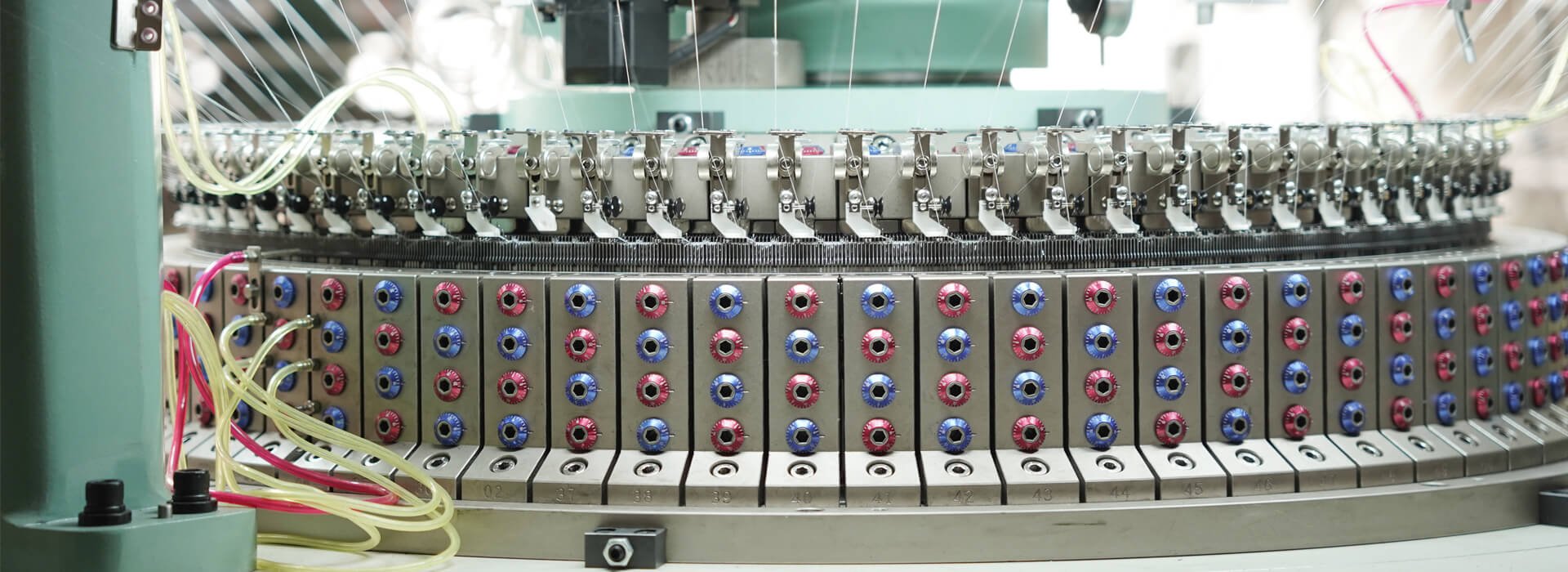
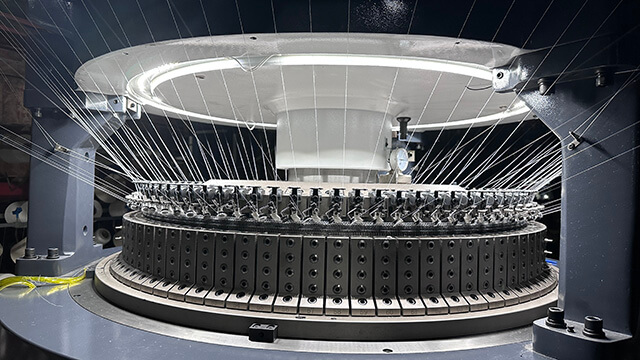
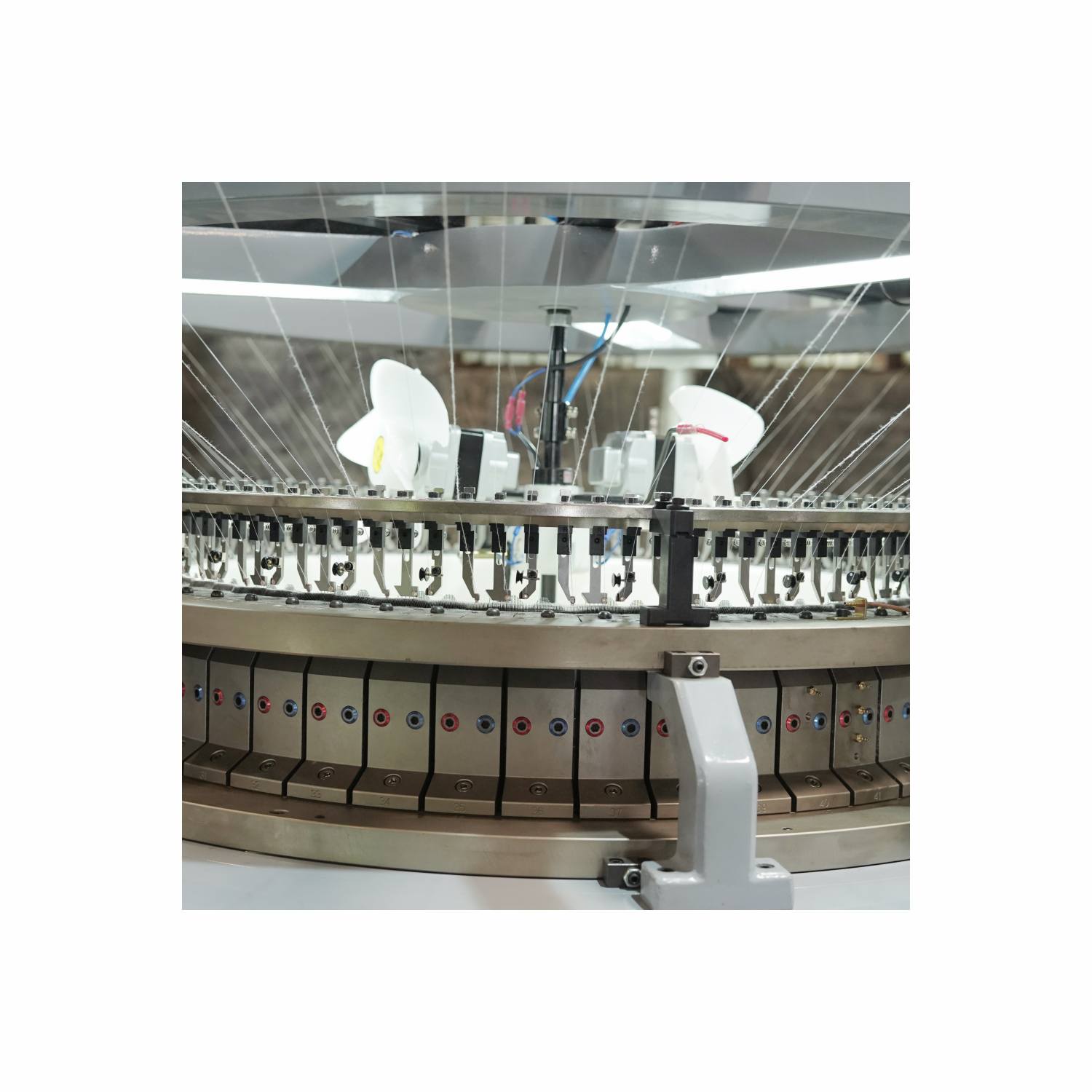
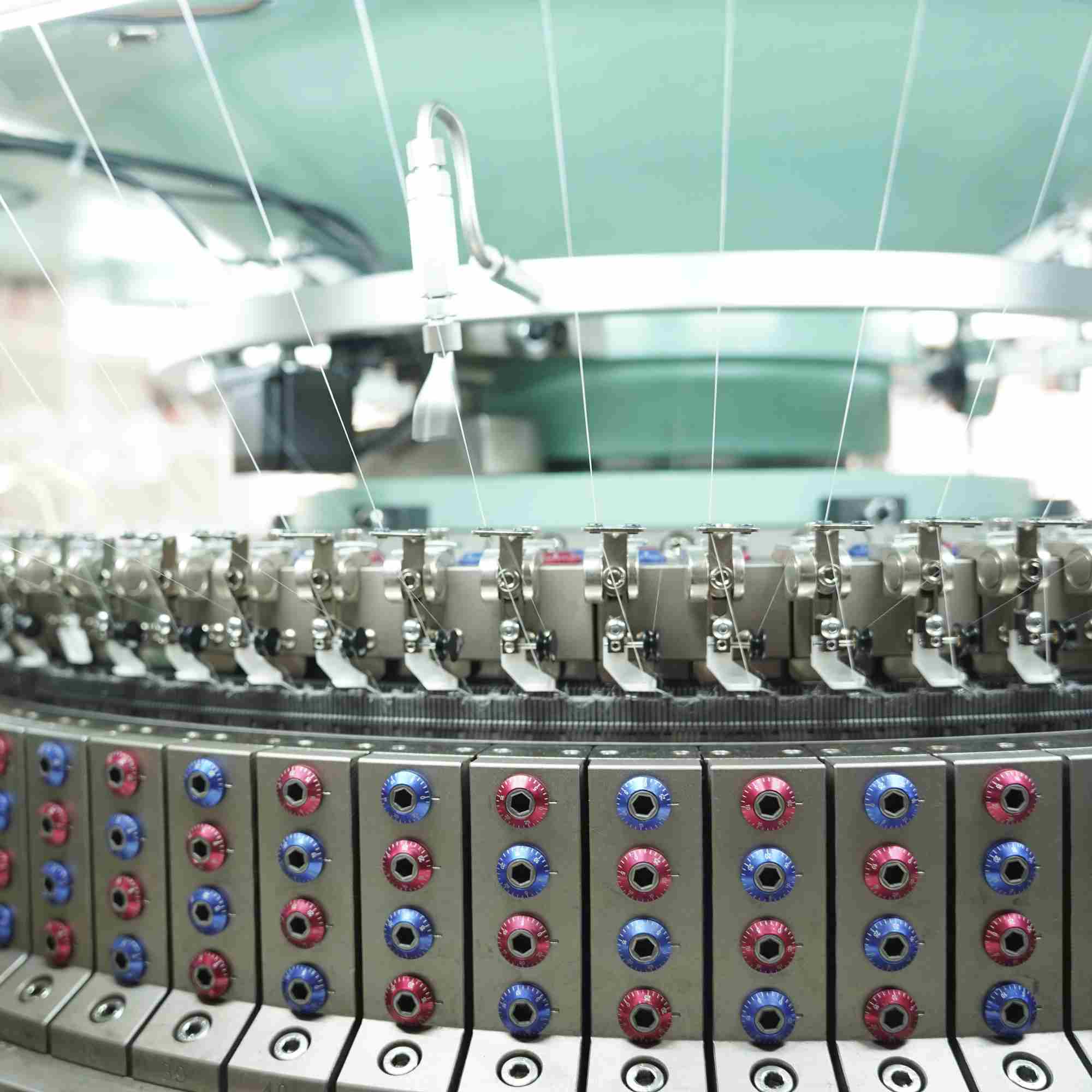
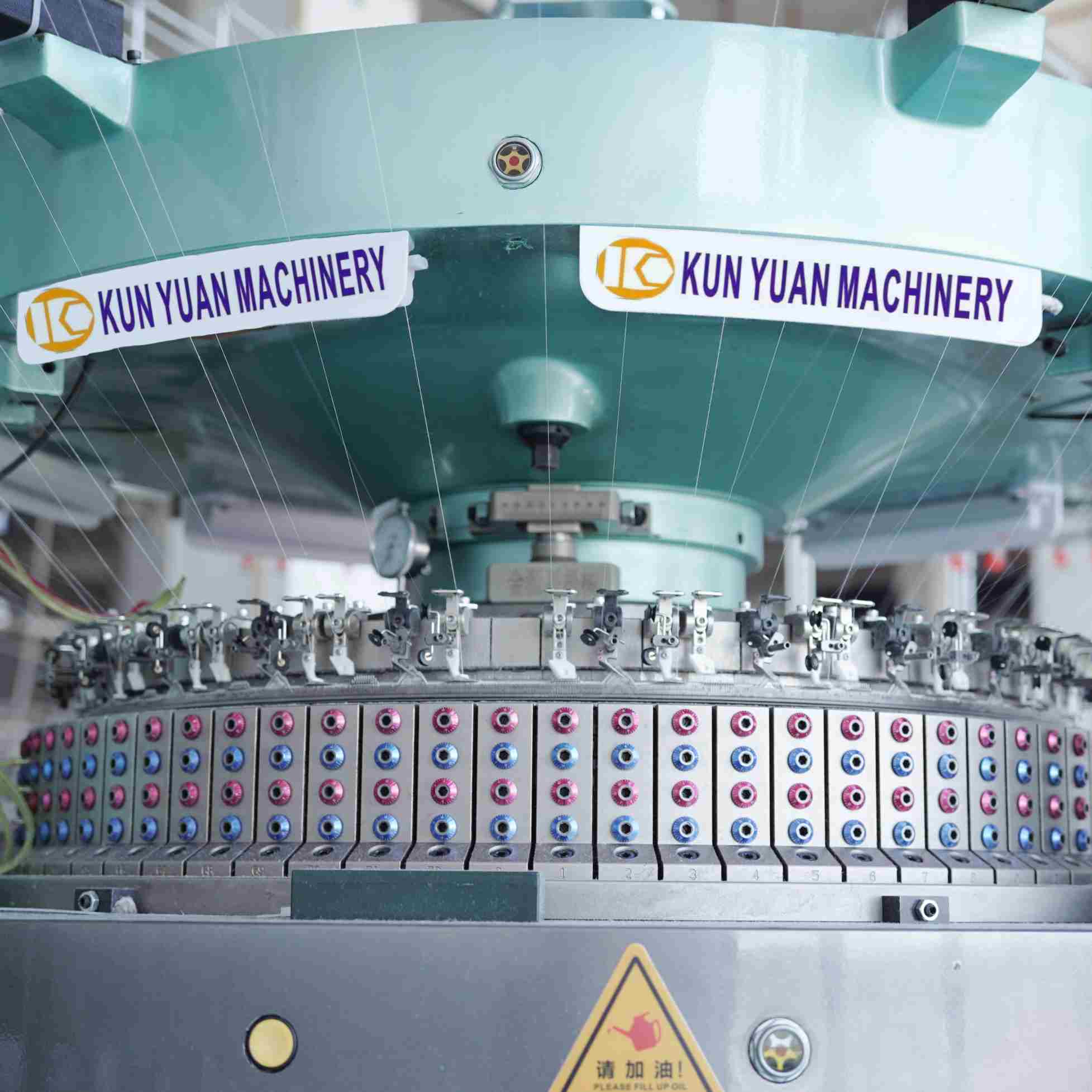
Rib, interlock, spacer, double-face and many double-jersey structures use needles in cylinder and dial, but the number of tracks, selection and transfer options vary. State which bed forms which loops and whether elastomer is plated on one side or both.
Double-bed capability adds setup, alignment and maintenance duties. Pay for it when the product uses it; otherwise it can add changeover and spare-parts burden without improving the target fabric.
Assign cylinder and dial duties on the offered configuration.
Filter by structure, yarn and finishing before comparing speed
After the loop route is clear, check diameter, gauge, active feeders, yarn devices, frame or roll handling, available patterning and compatible change parts. Ask which values describe a standard build and which depend on paid options.
Compare model data only inside the same fabric basis. Speed factors or feeder counts from different diameters and structures do not become a production guarantee until a timed buyer-yarn run shows gross rate, stops and accepted yield.
Make the hardest commercial fabric the trial centre
Select a style that exposes the decision: the tightest recovery limit, widest repeat, most difficult yarn, transfer zone or finishing sensitivity. Mark the roll, inspect both faces and finish a traceable piece. Include a stop and restart so operator recovery is visible.
Record why each rejected candidate failed. A machine may be technically capable but commercially unsuitable because the changeover, make-up, service or spare-parts plan does not fit the mill's product mix.
Compare both faces and the finished response under one fabric specification.
Structure-first shortlist
Question
Single-bed evidence
Double-bed evidence
Hold condition
Loop architecture
One needle set forms required structure
Cylinder and dial roles are drawn
Construction remains unknown
Fabric face/reverse
Approved appearance on both sides
Bed relationship matches both sides
Only face photo supplied
Production basis
Buyer yarn and named structure
Same yarn and double-bed setup
Different fabrics compared by RPM
Ownership fit
Changeovers and parts suit product mix
Added bed duties have clear value
Capability purchased without demand
Circular weft selection questions
Is circular weft knitting one machine category?
It is a process family containing many machine and fabric structures. Start with the fabric construction and application.
Does double jersey always mean a heavier fabric?
No. Weight depends on yarn, structure, stitch settings and finishing. Double-bed construction does not by itself define finished weight.
Can one conversion kit replace a dedicated machine?
Sometimes a model supports documented conversion, but scope, parts, labour and performance are specific. Obtain the exact conversion list and sample both states.
Why inspect the reverse face?
Floats, plating, missed selection and loop balance can be hidden from the commercial face but still affect quality and finishing.
What belongs in the final comparison?
Use configuration, accepted fabric rate, changeover, energy measurement, service, spares and operator capability under the same product definition.
Conclusion
A circular weft machine shortlist is defensible when every candidate can point to the loop structure it will form and the evidence that will prove it. Once the needle-bed route is correct, diameter, gauge, feeders and speed become useful engineering variables instead of substitutes for the fabric decision.
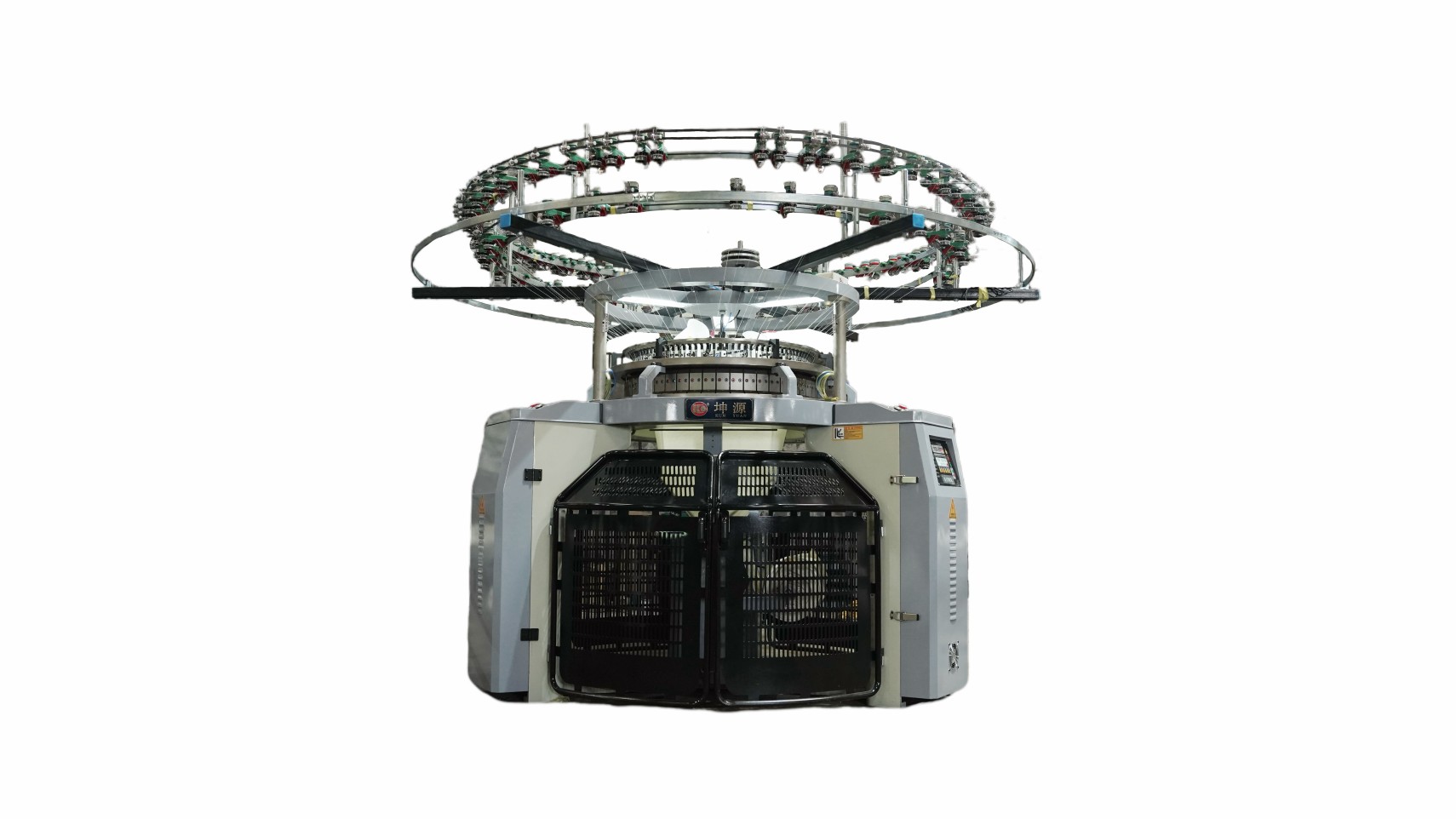
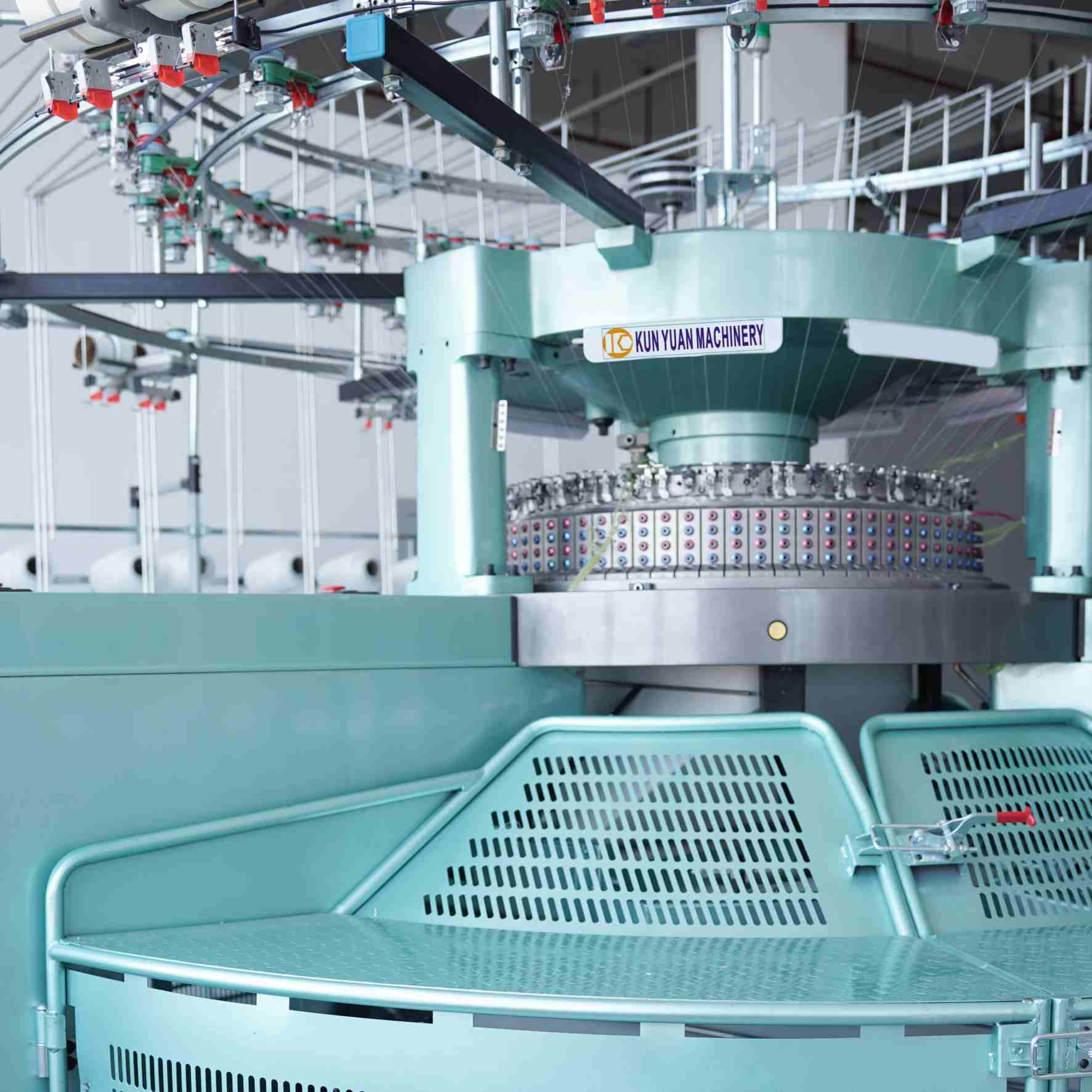
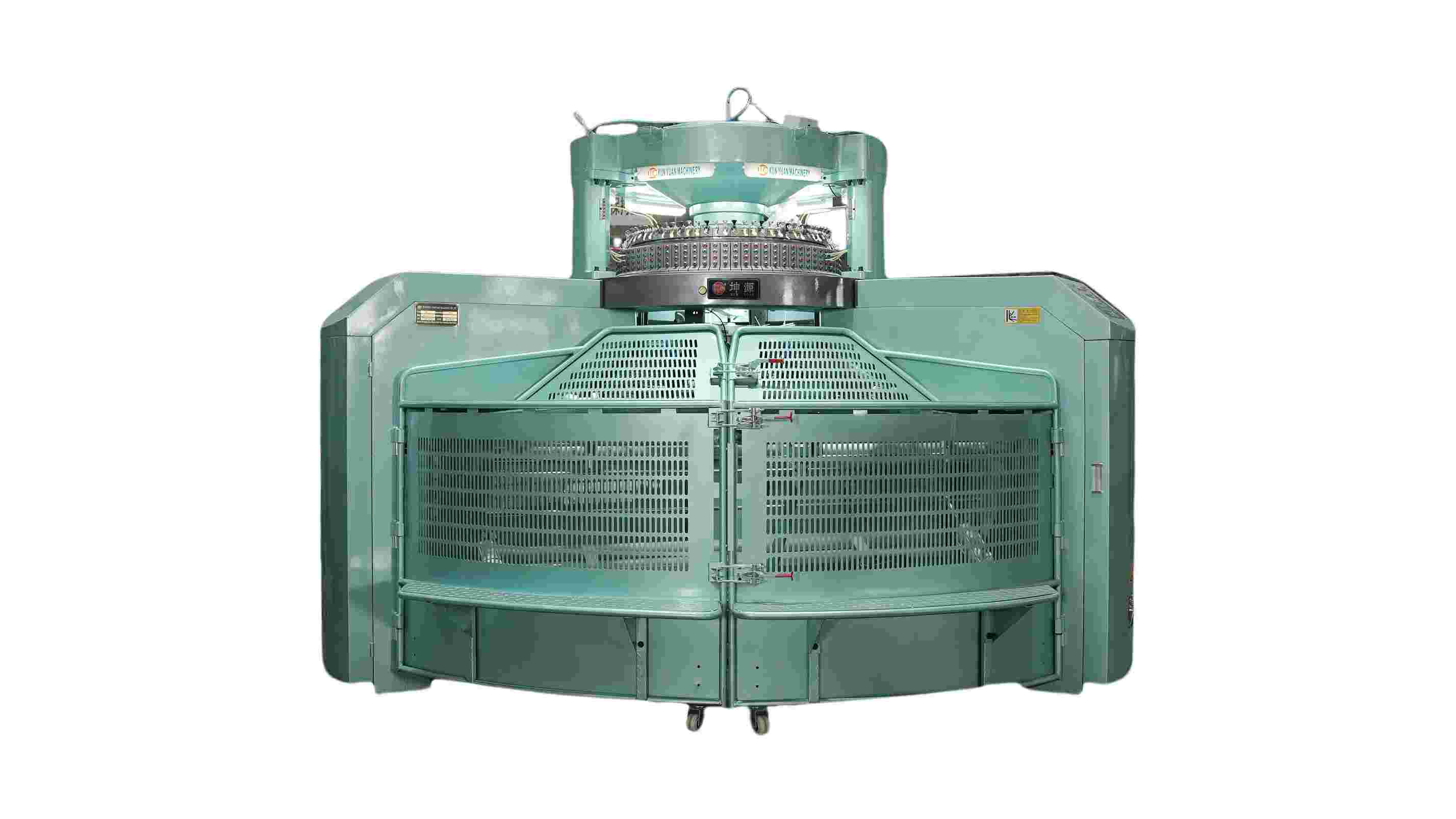
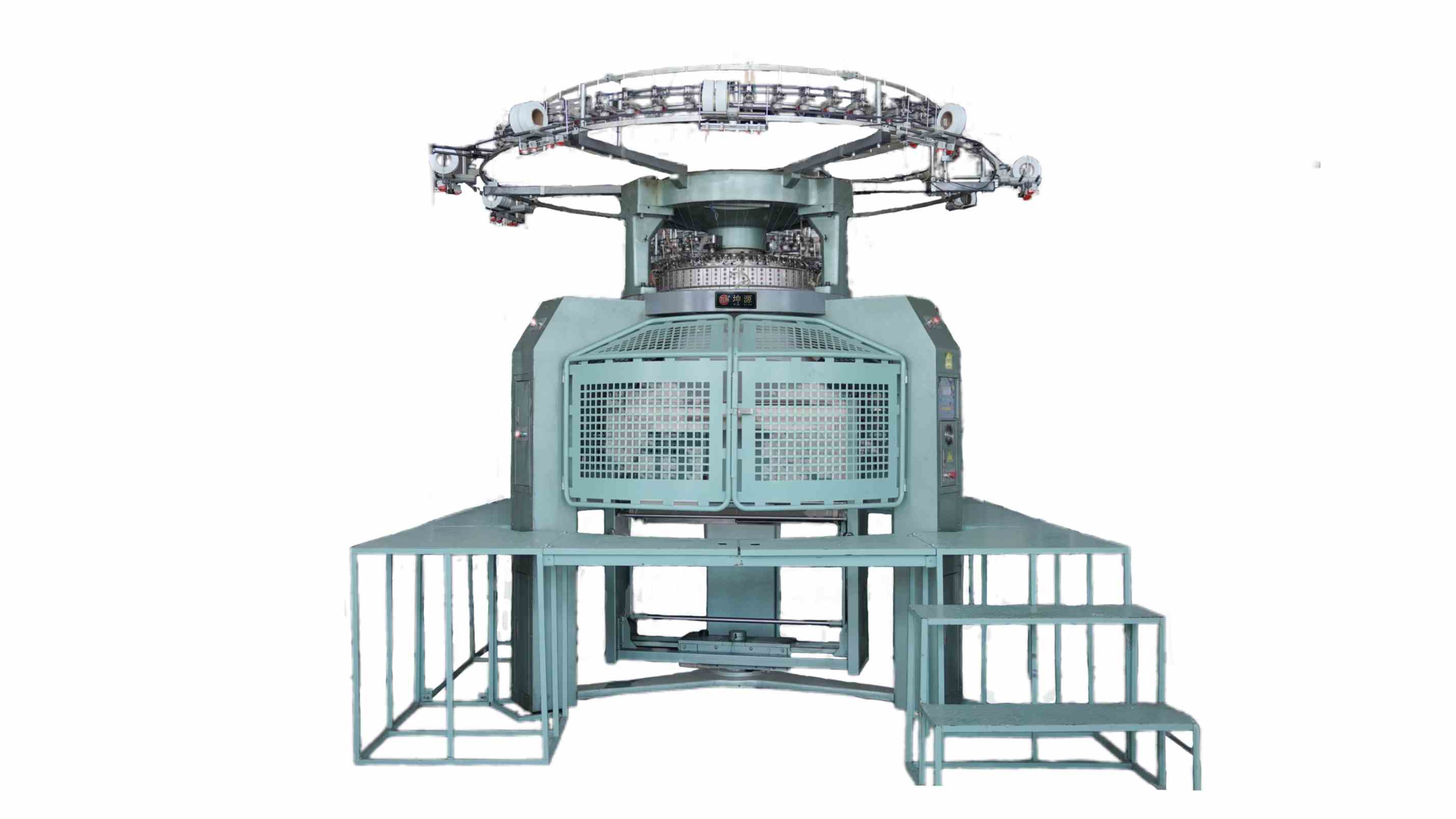
Use the structure-first split when reviewing the circular weft knitting machine range and keep unsupported model options outside the commercial comparison until a sample proves them.




 Tel: +86-13859034518
 Email: info@kunyuanmachine.com
 MP/WhatsApp: +86-13859034518
 Manufacturer Address:Bacuo Village, Yonghe Town, Jinjiang City, Fujian Province