

Hot Keyword:
Author:KUNYUAN Machine Manufacturer TIME:2026-08-28
RPM and feeder count describe machine activity. A mill earns from accepted kilograms or metres after stops, defects and finishing losses, so production planning needs a measured chain from running time to saleable fabric.
Use the supplier's production example only as a screening reference; published examples are tied to a stated diameter, gauge, structure, speed and efficiency assumption. The buyer's yarn, stitch length, take-down and quality limit create a different result.
For a new style, first observe gross output during a stable timed run. Then apply actual operating availability and accepted yield from the same fabric route. Do not hide the three factors inside one unexplained efficiency percentage.
Record machine model, diameter, gauge, active feeders, structure, yarn plan, stitch setting, fabric weight basis and whether output is measured greige or finished. Include the test duration and warm-up rule.
A result without that header cannot be compared later. Changing feeders, fabric weight or finishing allowance changes the commercial meaning even if RPM stays constant.
| Input | Example entry | Evidence | Planning use |
|---|---|---|---|
| Scheduled hours | Buyer-defined shift | Shift calendar | Sets the time ceiling |
| Stable running hours | Logged by state | Machine/operator record | Shows availability |
| Observed gross rate | kg/h or m/h | Timed roll measurement | Avoids theoretical guess |
| Accepted yield | Released ÷ gross | Inspection and grade record | Converts gross to saleable |
| Accepted output | Hours × rate × yield | Calculated with units shown | Capacity and cost basis |
Weigh or measure a roll section with known start and end times after the machine reaches the agreed condition. Record RPM and active feeds, but use the observed roll result as the working gross rate.
Repeat the window if the yarn lot, structure or take-down changes. A short burst at headline speed is not the same as a sustained production rate.
Mark every rejected or downgraded section and classify the reason: yarn, needle line, oil, barre, setup, handling or finishing response. Accepted yield equals material released to the agreed grade divided by gross material produced on the same basis.
Keep rework visible. Material that can be repaired may still consume inspection, handling and delivery time.
Build a base, cautious and improved case from observed figures. The cautious case should reflect a credible stop or quality pattern, not an arbitrary discount. The improved case must name the action that raises availability or yield.
Capacity planning should also reserve style-change and maintenance windows. Selling every theoretical hour creates lateness before production begins.
Not without the fabric and machine basis. Feeders, structure, yarn delivery, stitch length, diameter, take-down and fabric weight all matter.
Keep operating availability and accepted yield separate. That makes downtime and quality loss visible instead of blending them.
Long enough to represent stable production and normal interventions for the style. State the duration and reject a short showcase burst as a shift forecast.
Use it only as a screening reference with its stated assumptions. Replace it with a buyer-yarn trial and observed loss data before committing capacity.
Accepted kilograms or metres per scheduled hour under the same fabric and quality definition is more comparable than RPM alone.
A transparent capacity model has three visible multipliers: stable running time, observed gross rate and accepted yield. Keeping their units and evidence separate lets the mill improve the right loss and quote delivery dates honestly.
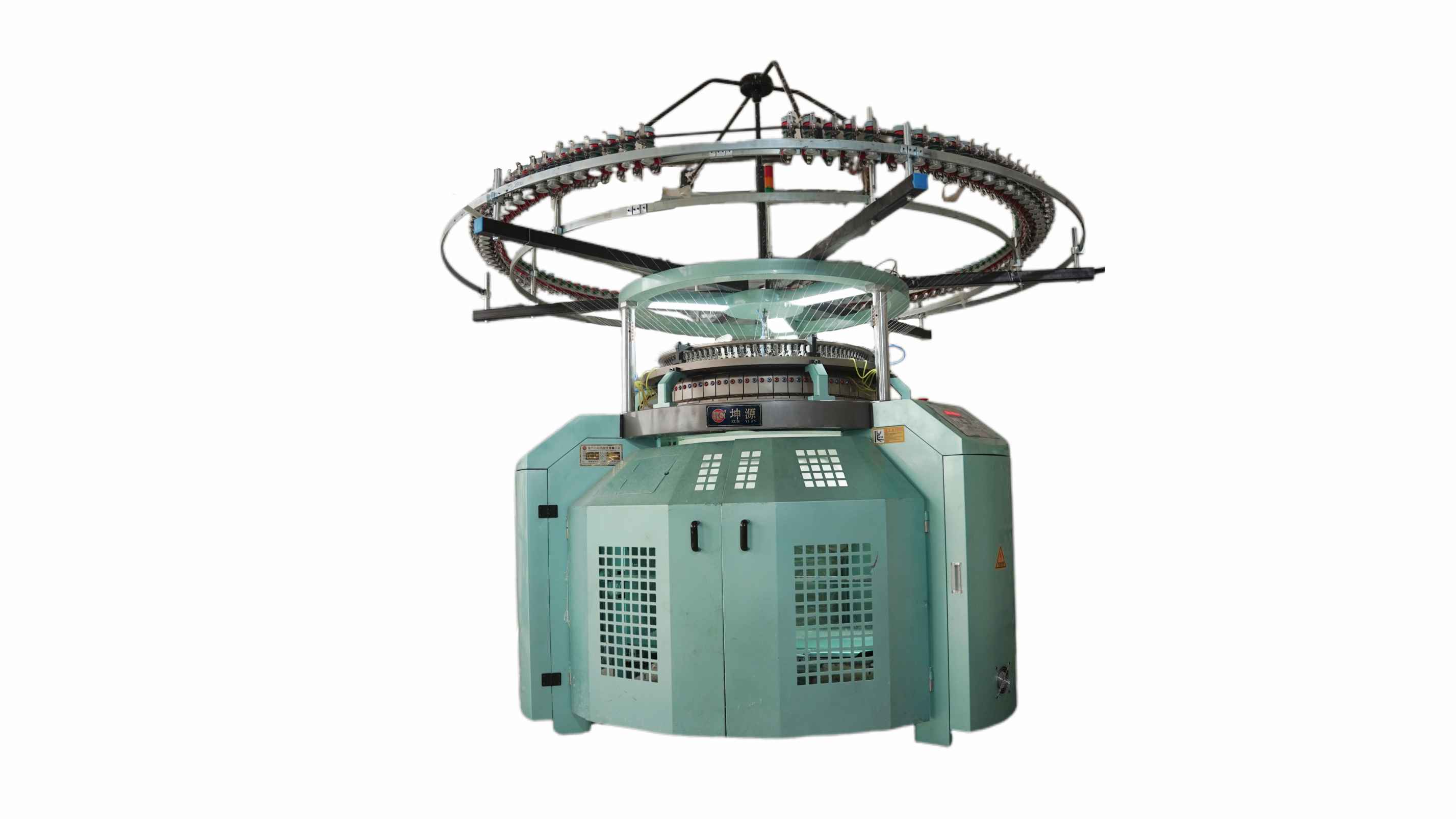
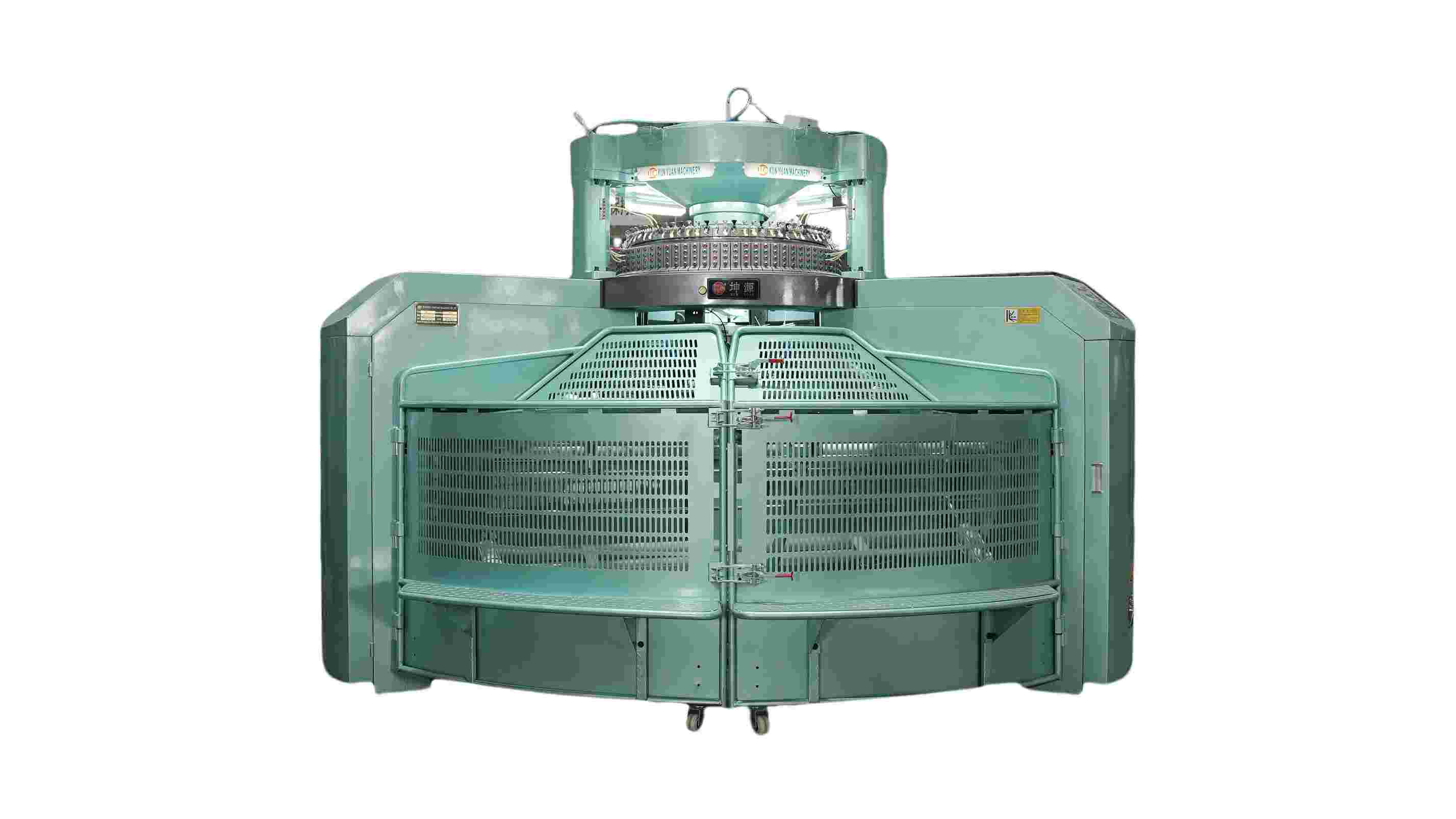
Apply the accepted-output worksheet to the automatic circular knitting machine range and replace catalogue assumptions with the buyer's timed fabric run.

 Tel: +86-13859034518
 Email: info@kunyuanmachine.com
 MP/WhatsApp: +86-13859034518
 Manufacturer Address:Bacuo Village, Yonghe Town, Jinjiang City, Fujian Province