A dated record catches installation drift before yarn conceals it
Rigging, positioning and first production often involve different teams. A field log keeps their handoffs visible, records the exact machine condition at each stage and stops later fabric faults from becoming arguments about what happened during installation.
Build the log from the final manufacturer documents and the mill's approved lifting and energy-control procedures. It should name competent people, equipment, inspections and hold points. It must not invent lifting points, floor loads, anchor details, electrical ratings or leveling tolerances.
Photographs are useful when they are tied to time, orientation and a written observation. A folder of unlabeled images cannot show whether a transit restraint was present before lifting or a connector changed during assembly.
Record the crate condition before movement
Photograph all sides, impact indicators where supplied, seals, exposed damage and the delivery path. Compare package counts with shipping documents. Escalate damage or missing items before discarding packaging or attempting improvised repair.
Identify the authorized rigging plan, lifting equipment inspection and exclusion zone. Only approved points and procedures from the machine documents should be used.
Capture position, support and access before assembly closes the view
Verify floor or foundation readiness and place the machine to the approved layout. Record reference points, service clearances and the condition of every support. Level or anchor only by the specified method and record the instrument, reading, location and person responsible.
Recheck after major assemblies or take-down equipment are fitted if the procedure calls for it. A single unexplained word such as level is not a usable record.
Make every connection traceable to its drawing
List electrical, grounding, air, exhaust and other connections required by the final build. Qualified personnel should verify identities, ratings, isolation and test results under applicable rules. Label local supply and supplier scope separately.
Before energy is introduced, close tools, loose parts, guarding and personnel-clearance checks. Record who authorizes the transition rather than relying on a verbal signal across teams.
Log no-load functions and alarms before threading
Complete manufacturer lubrication and pre-start checks, then run the approved no-load sequence. Record unusual sound, vibration, temperature, alarm, direction or device response with time and location. Stop and investigate rather than normalizing a new symptom.
Preserve the original alarm text or code. A summary such as sensor problem removes the evidence needed for service support.
Mark the yarn-in run so setup changes remain visible
Load identified yarn and record each path, recipe revision, start speed and take-down condition. Mark the fabric at startup, every intervention and the final accepted section. Inspect face, reverse and full width under the agreed method.
After finishing where relevant, attach the measured result to the same log. A second run after normal stop or cleaning should reproduce the accepted condition before the installation file is closed.
Record crate and machine condition before movement.Tie every position or level reading to a named reference point.Mark settings and interventions directly on the first trial roll.
Installation service-log fields
Time block
Mandatory record
Physical evidence
Hold point
Arrival
Package and damage status
Oriented photos
Unresolved transit issue
Position
Reference and measured condition
Instrument reading sheet
Outside approved limit
Utilities
Connection and verifier
Signed test record
Unverified energy source
Motion
Function and alarm result
Code, sound or location note
Abnormal response
Trial
Yarn, recipe and intervention
Marked roll and finished sample
Repeat does not pass
Installation logging questions
Can phone photos replace the written log?
No. Each image needs time, orientation, machine identity and a linked observation to become useful evidence.
Where do leveling limits come from?
Use the final manufacturer procedure for the exact build and the approved instrument method, not a generic value.
Why preserve alarm codes exactly?
The original code and operating state give technicians more diagnostic value than an interpretation entered later.
When should the first fabric be inspected?
Inspect the marked greige roll promptly and repeat relevant checks after the intended finishing route.
What closes the installation log?
Signed stage evidence, a repeatable trial, trained receiving staff and owned resolution of every remaining item.
Conclusion
A time-stamped field log links physical installation to fabric behaviour. It gives riggers, technicians, operators and quality staff one chronology, which is far more valuable than a generic checklist completed after the work.
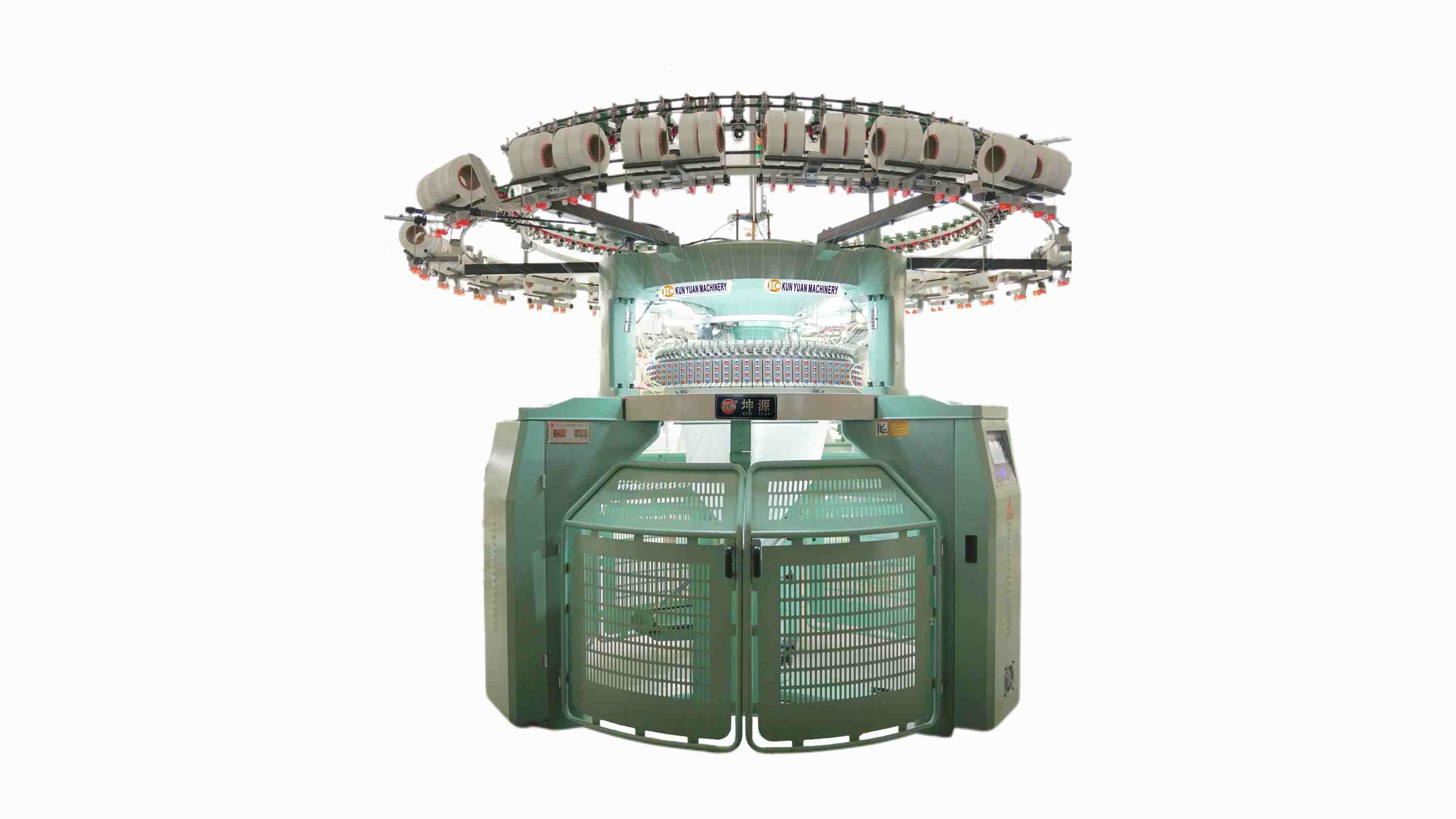
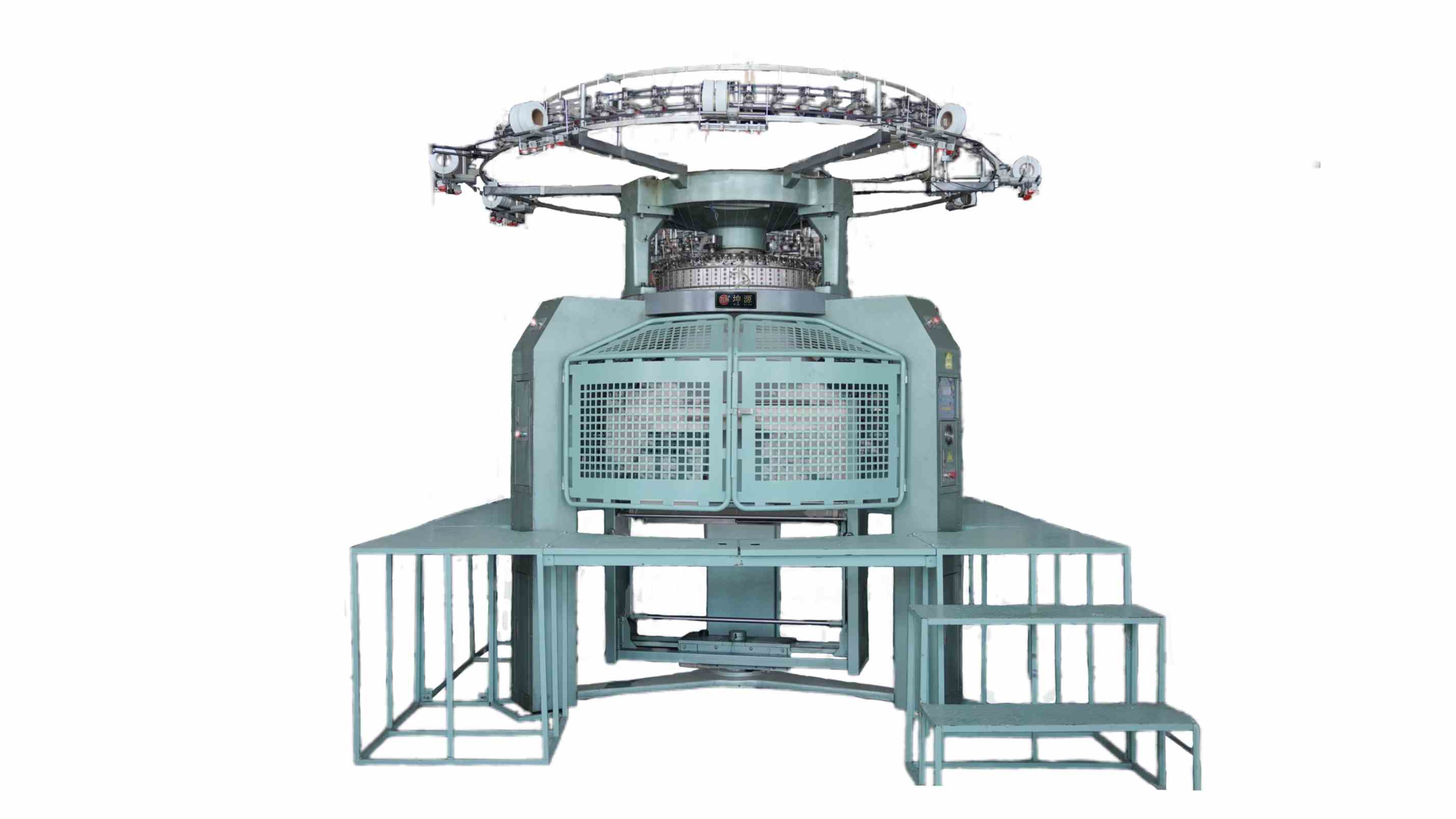
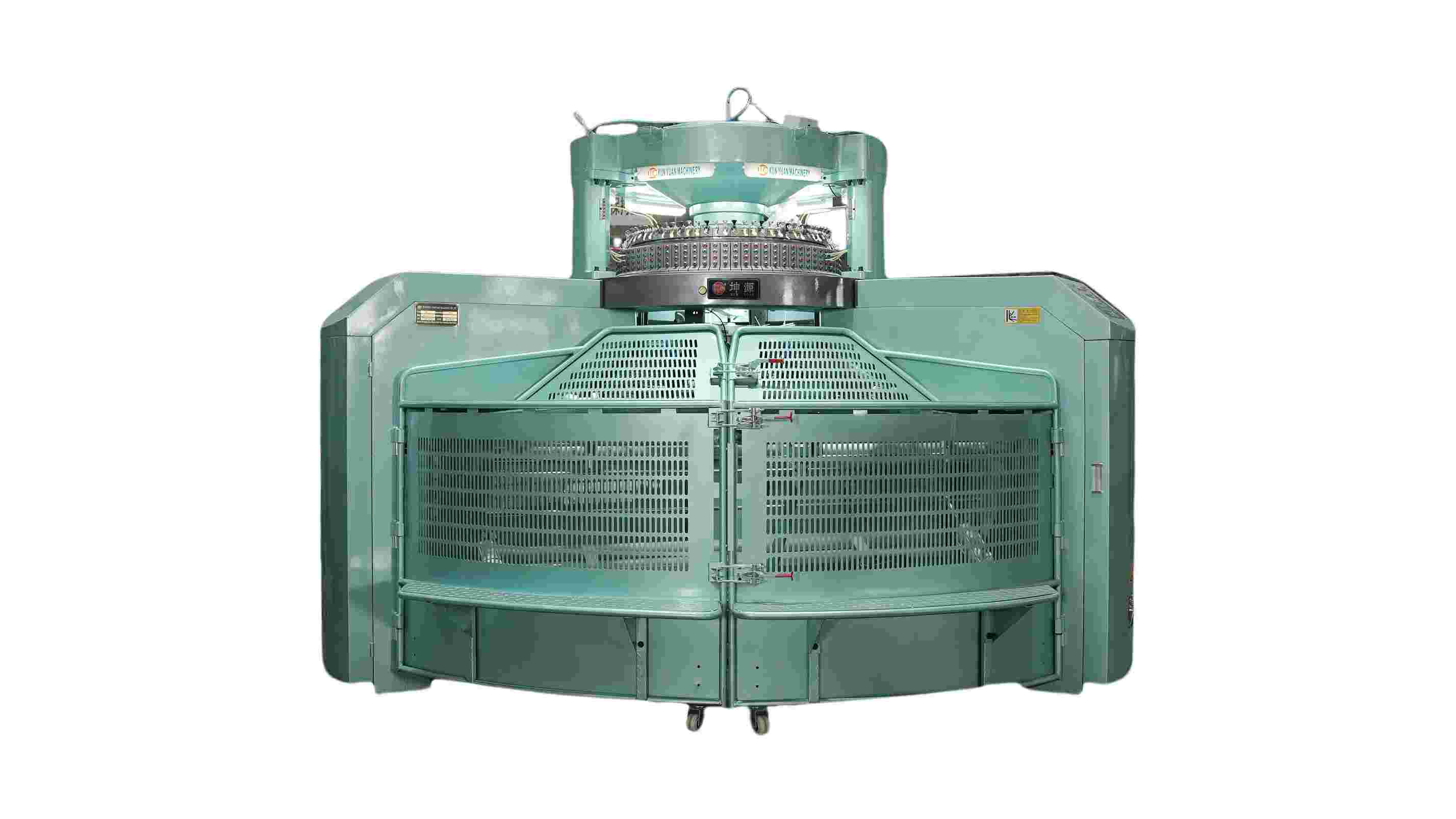
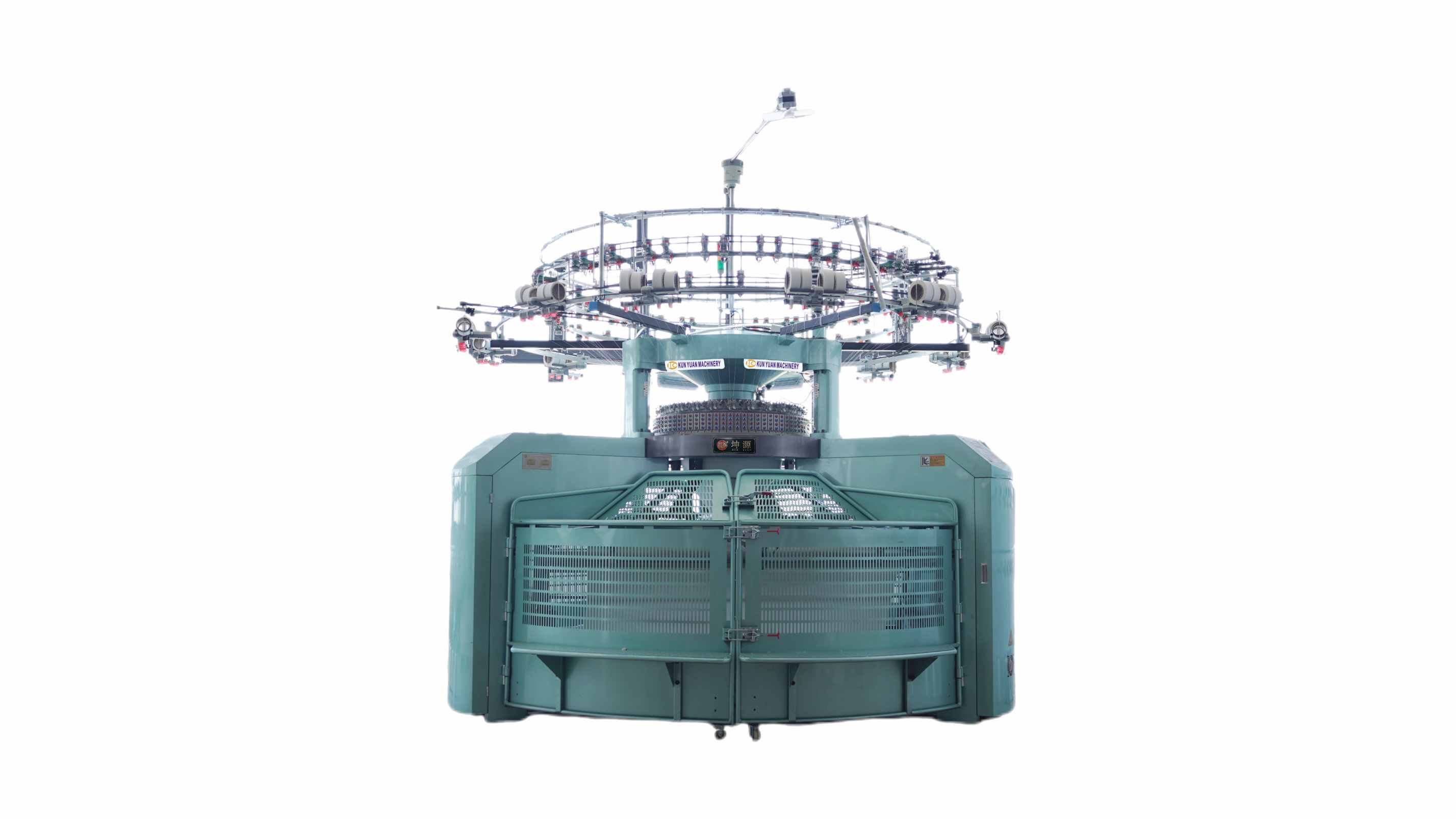
Use the field log with the final installation documents for the circular knitting machine range and keep the marked first roll as part of the permanent machine record.




 Tel: +86-13859034518
 Email: info@kunyuanmachine.com
 MP/WhatsApp: +86-13859034518
 Manufacturer Address:Bacuo Village, Yonghe Town, Jinjiang City, Fujian Province