

Hot Keyword:
Author:KUNYUAN Machine Manufacturer TIME:2026-08-28
A cylinder-and-dial machine needs correct mechanical relationships, yet an acceptable indicator reading alone does not prove rib appearance or recovery. The installation record should preserve both routes and show exactly where they meet.
Use the exact model manual, approved instruments and trained technicians for leveling, cylinder and dial work, timing and lubrication. This article does not provide universal clearances; diameter, gauge, structure and manufacturer design set those boundaries.
At the same time, prepare one reference rib fabric with yarn identities, needle set-out, stitch settings, greige dimensions, finishing route and recovery method. Changing the mechanical route requires a new marked section in the fabric route.
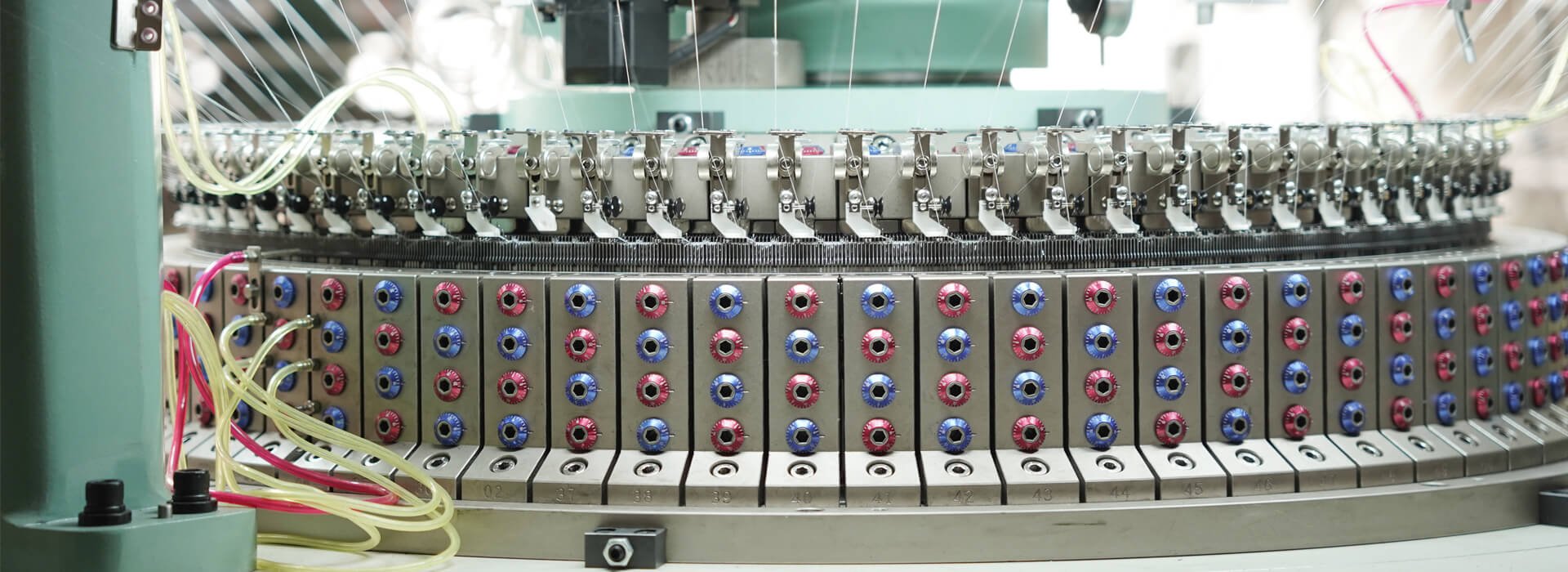
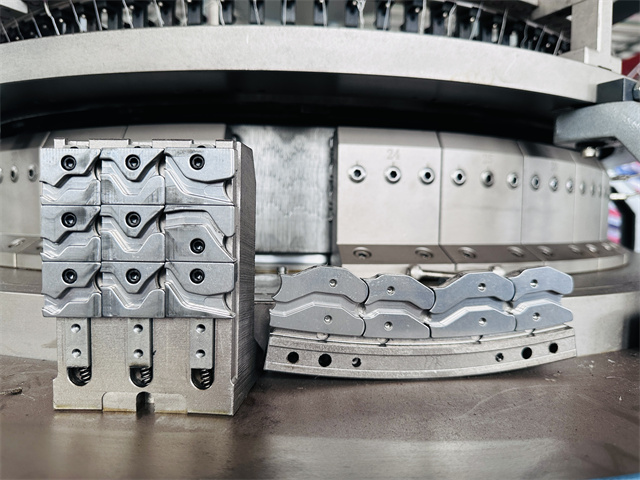
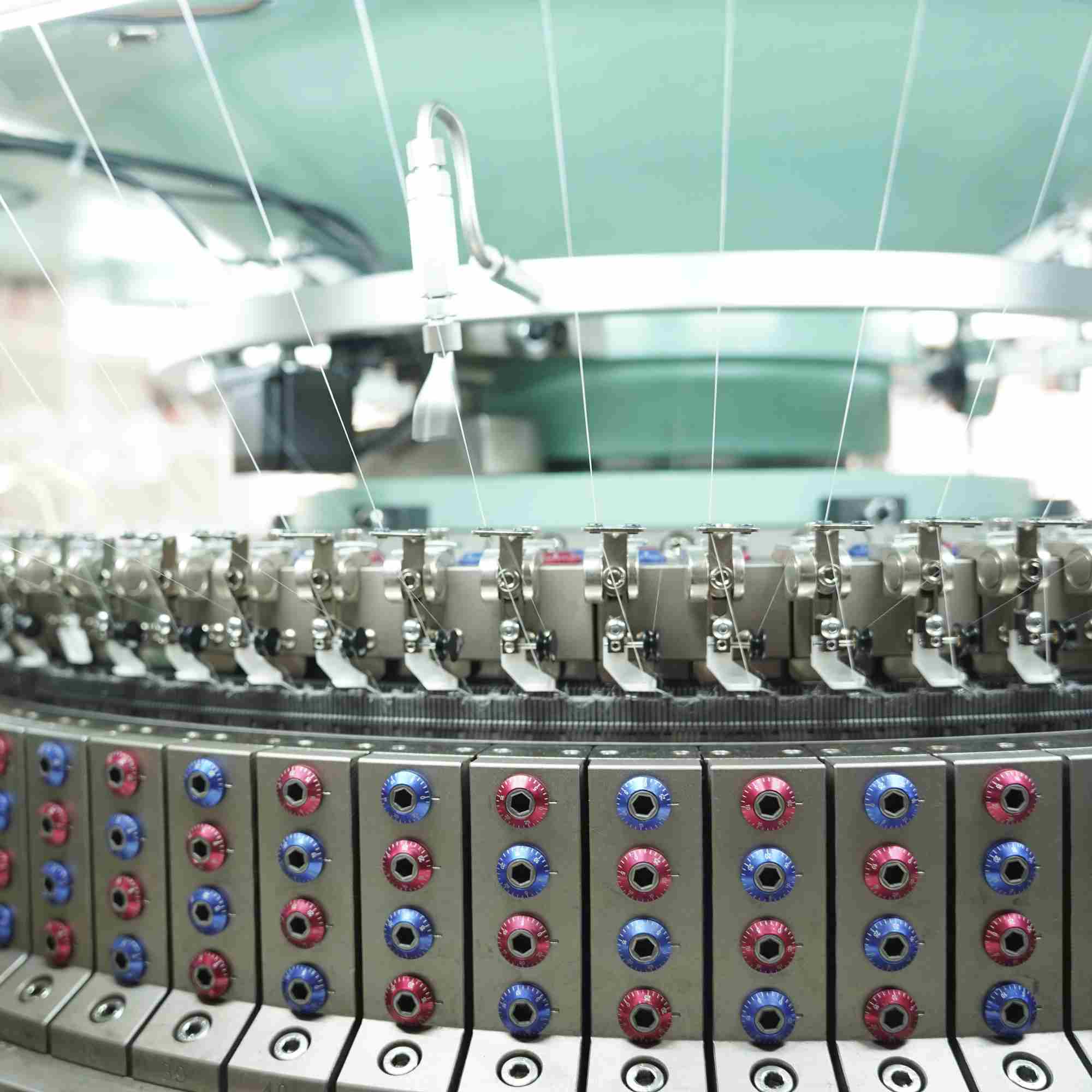
Confirm machine position and support, then follow the authorized sequence for leveling and knitting-head inspection. Record instrument identity, measurement points, readings and the technician who accepts them. Check component and needle identities against the parts documentation before assembly.
After cylinder, dial, cam or take-down work, repeat the relevant reference checks. A final pass with no starting record cannot show whether transport or adjustment changed the machine.
Thread labelled yarn and begin with a documented rib set-out at a conservative condition. Mark the start, every stop and each setting change. Inspect both faces and map vertical lines, bands, holes and restart bars to feed or machine position.
Measure width and weight on a stated basis, then apply the specified extension and recovery check after the intended relaxation or finishing. Rib selected for stretch must be accepted by that behaviour, not by appearance alone.
Give every mechanical action a log number and write that number at the matching roll mark. If a vertical line changes after one needle or track-related action, the adjacent swatches preserve the relationship. If it does not change, return to observation instead of adjusting a second area.
Keep machine direction and fabric orientation consistent. An unmarked cut piece loses the position evidence that makes the diagnosis valuable.
Receiving operators should thread the approved route, start under the documented sequence, handle a planned yarn replacement and respond to a visible defect. Record whether the machine returns to the same fabric condition without undocumented technician intervention.
Maintenance staff need the datum sheet and escalation boundary; operators need the recipe and defect map. Keeping responsibilities distinct avoids casual mechanical adjustment during routine production.
| Route | Record | Pass evidence | Escalation signal |
|---|---|---|---|
| Mechanical datum | Points, instrument, readings | Within exact approved procedure | Unknown limit or unstable reading |
| Knitting condition | Set-out, yarn and recipe | Stable marked greige section | Line, band, hole or stop bar |
| Finished behaviour | Route, width and recovery | Named requirement met | Shrinkage or weak return |
| Handover | Operator action and result | Restart repeats condition | Unrecorded intervention needed |
No. Use the exact manufacturer procedure, specified instruments and competent personnel for the installed model.
One face may hide missed loops, plating or bed-related differences that reveal where to investigate.
No. Measure after the specified relaxation or finishing because yarn and heat history affect return.
First preserve the position and classify the symptom. Several yarn, needle, cam or feed conditions can create a line.
The operator should reproduce a documented start, yarn event and restart while fabric evidence remains within the accepted limit.
Rib installation is defensible when mechanical datum and fabric behaviour are separately measured and explicitly linked. The marked restart sample becomes the junction that shows whether correct machine work produced repeatable recovery and appearance.
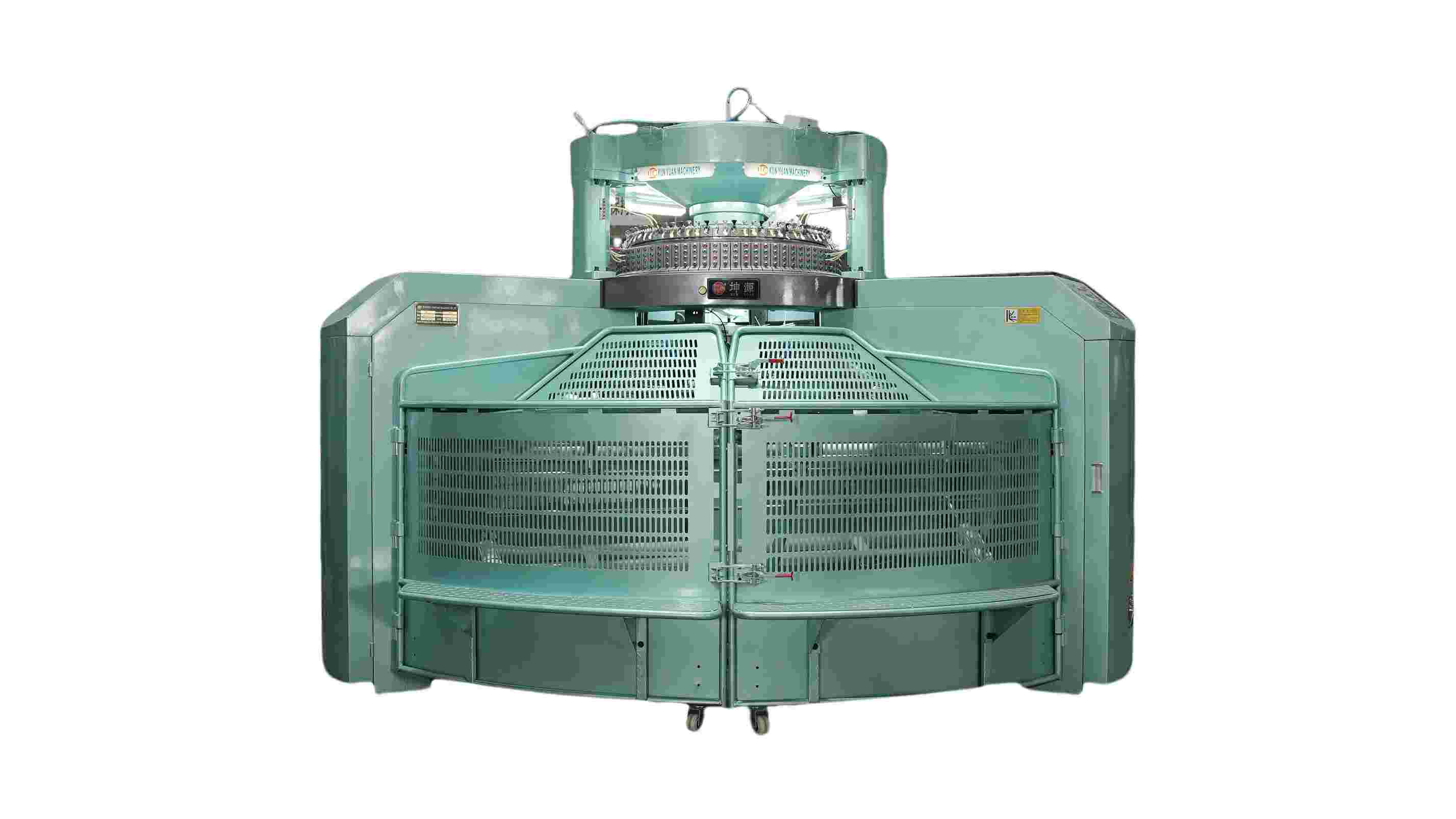
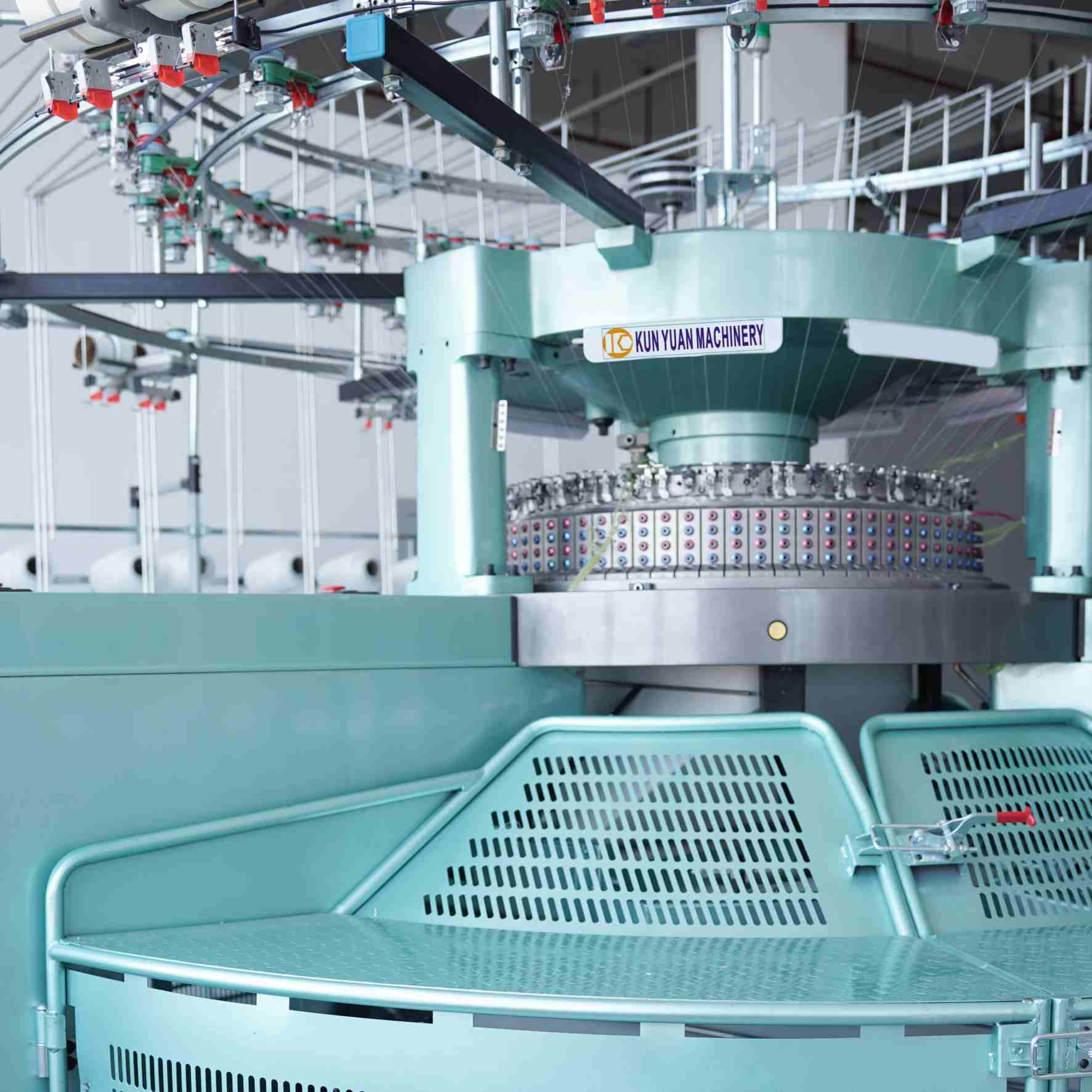
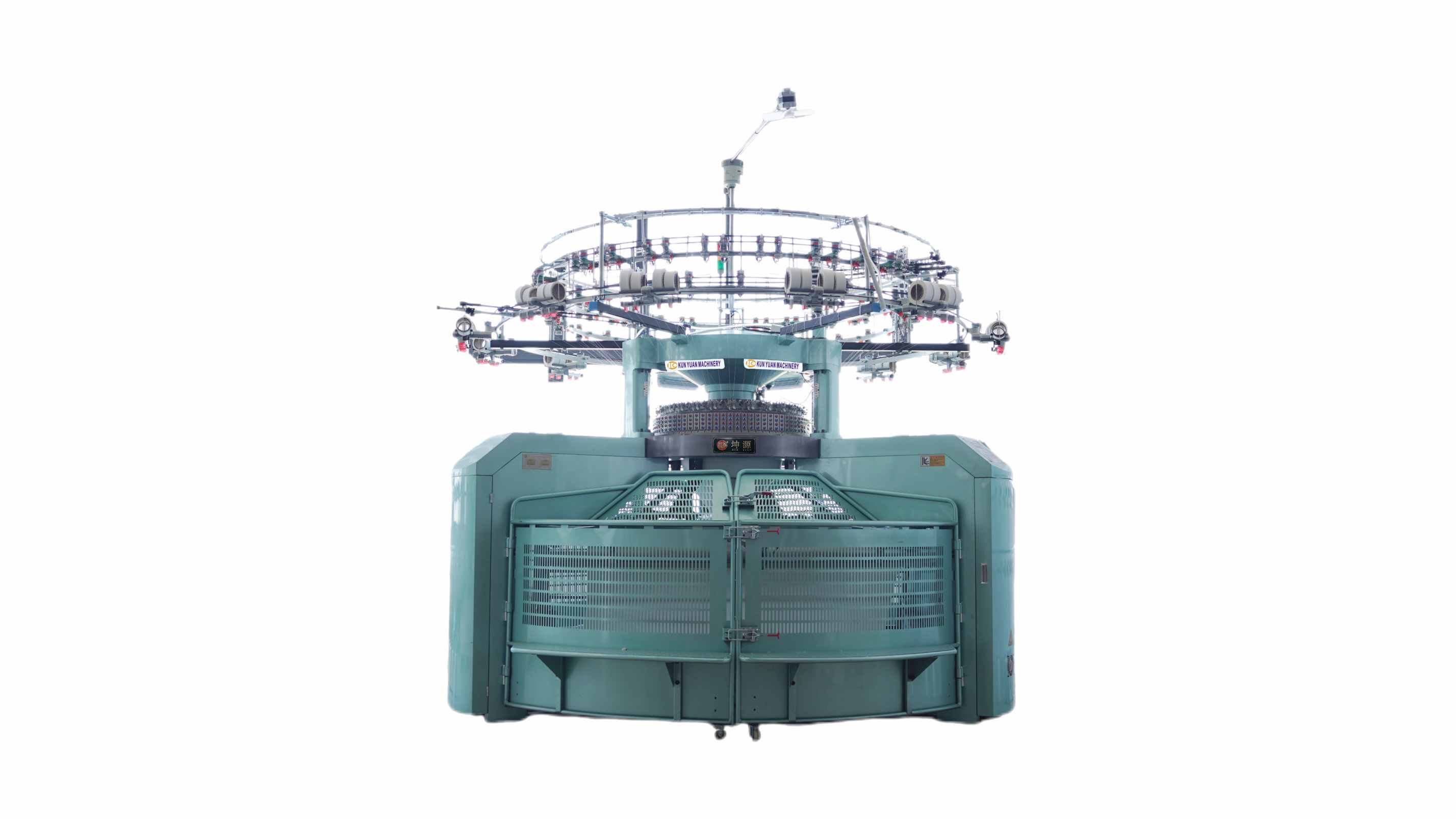
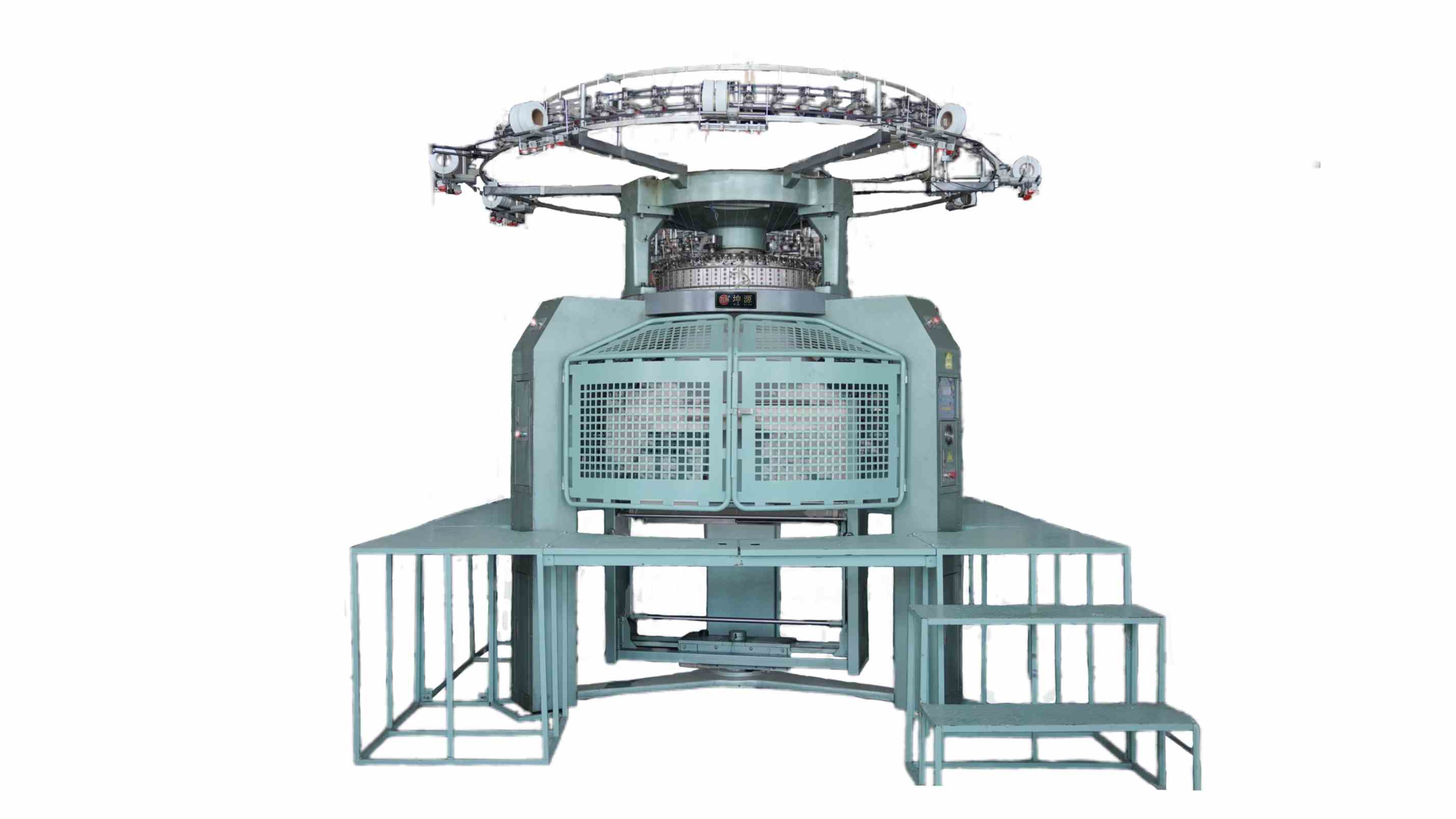
Use both routes while commissioning the rib double-jersey circular knitting machine and keep every dial or cylinder intervention tied to a numbered fabric mark and finished recovery result.

 Tel: +86-13859034518
 Email: info@kunyuanmachine.com
 MP/WhatsApp: +86-13859034518
 Manufacturer Address:Bacuo Village, Yonghe Town, Jinjiang City, Fujian Province