

Hot Keyword:
Author:KUNYUAN Machine Manufacturer TIME:2026-08-28
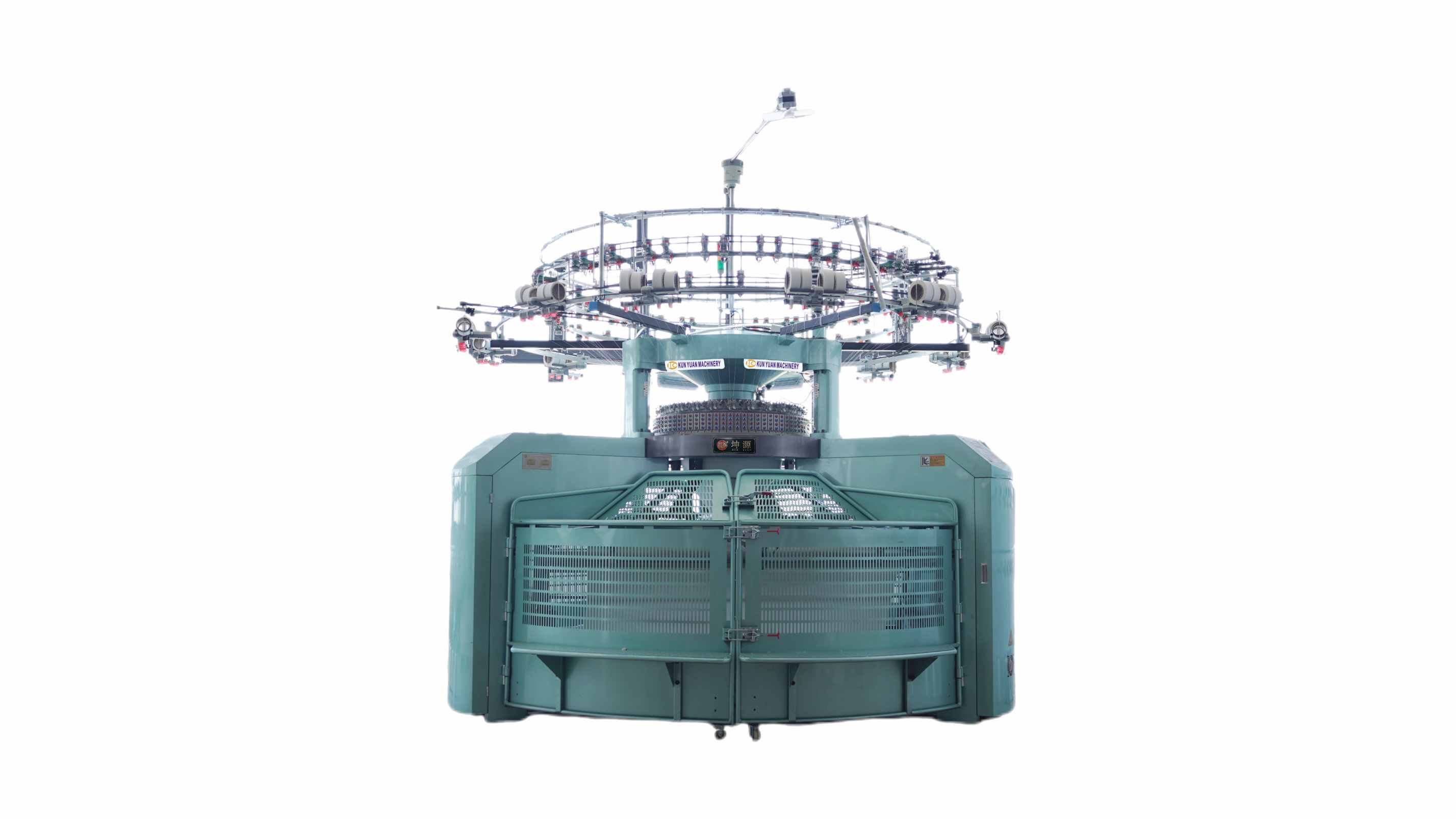
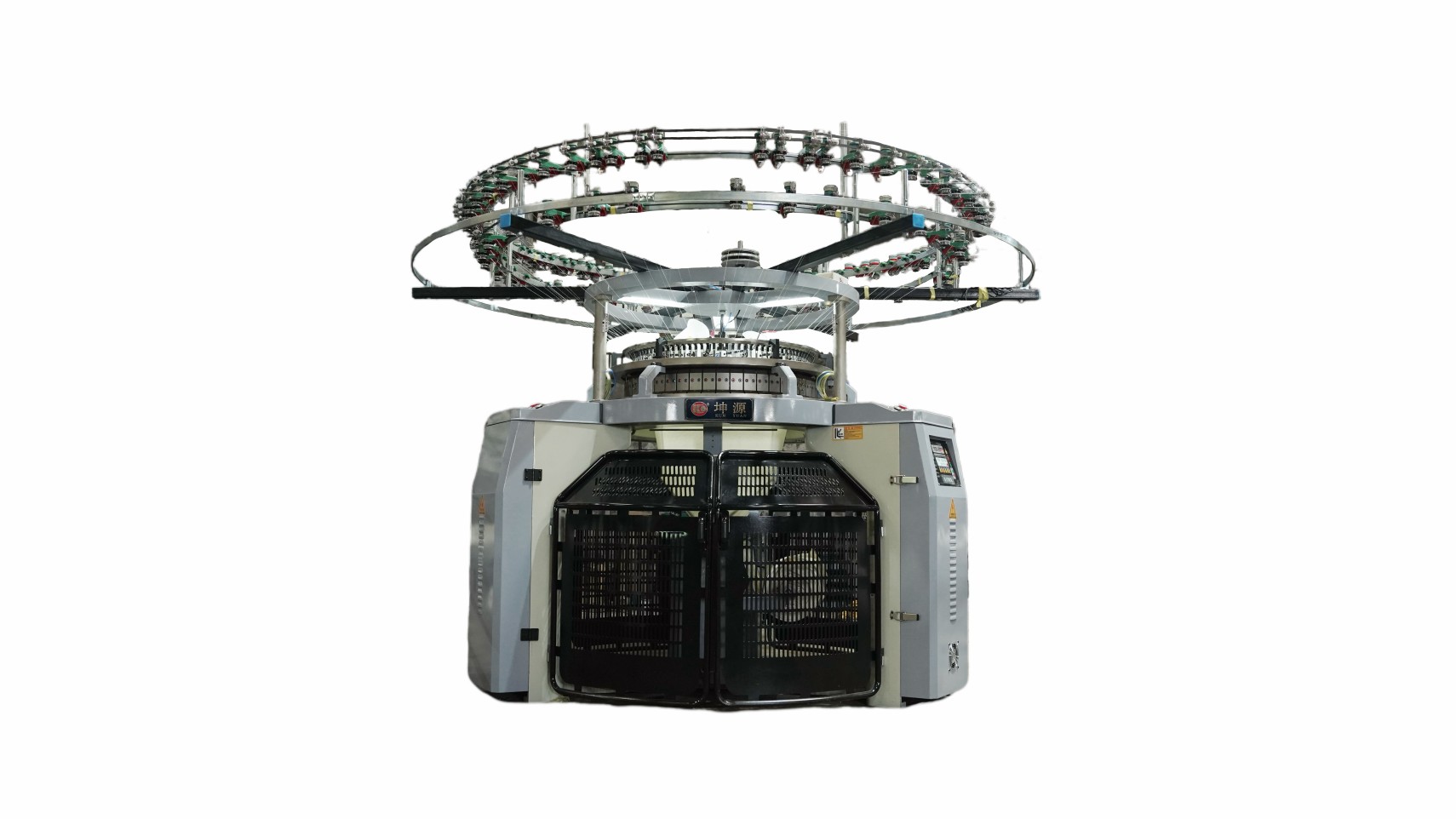
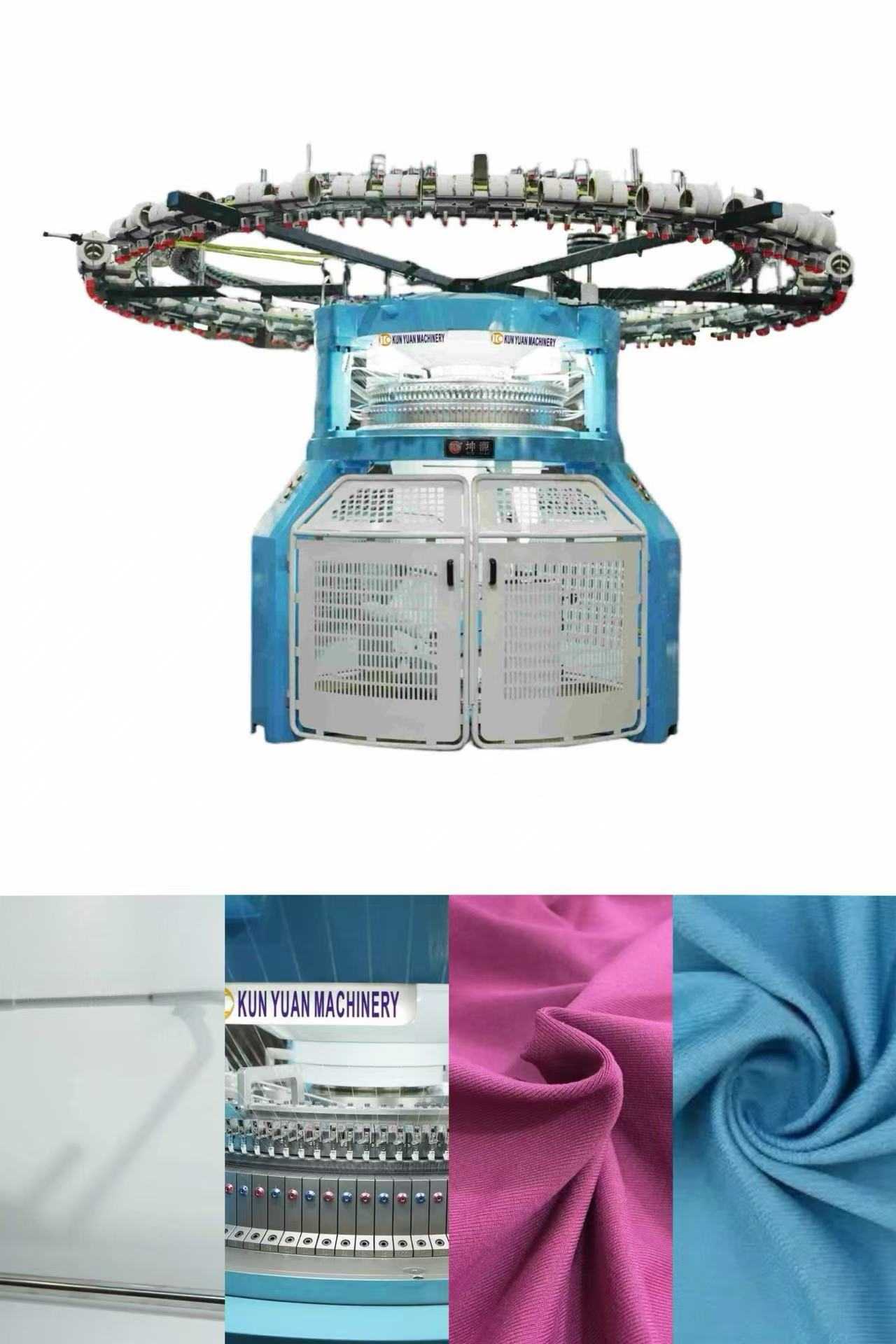
A circular knitting machine price from China is meaningful only when every supplier prices the same fabric duty, machine configuration and delivery boundary. A low base figure can become the expensive offer after feeders, controls, packing, freight, rigging, commissioning, spares and trial material are added.
This checklist does not estimate duties, taxes or freight because those depend on destination, route, timing and contract. It gives the buyer a document structure for collecting current quotations on a comparable basis.
Send the physical sample or construction, yarn material and count, finished width, weight, structure, stretch or surface requirement, finishing route and planned operating schedule. State whether the mill needs open-width or tubular take-down, body-size production, jacquard selection, terry/pile capability, elastane plating or another special route.
Ask the supplier to identify which fabrics fit the offered build without conversion, which need change parts, and which require a different machine. The commercial comparison begins with those exclusions; otherwise two quotations may use the same product-family name for materially different equipment.
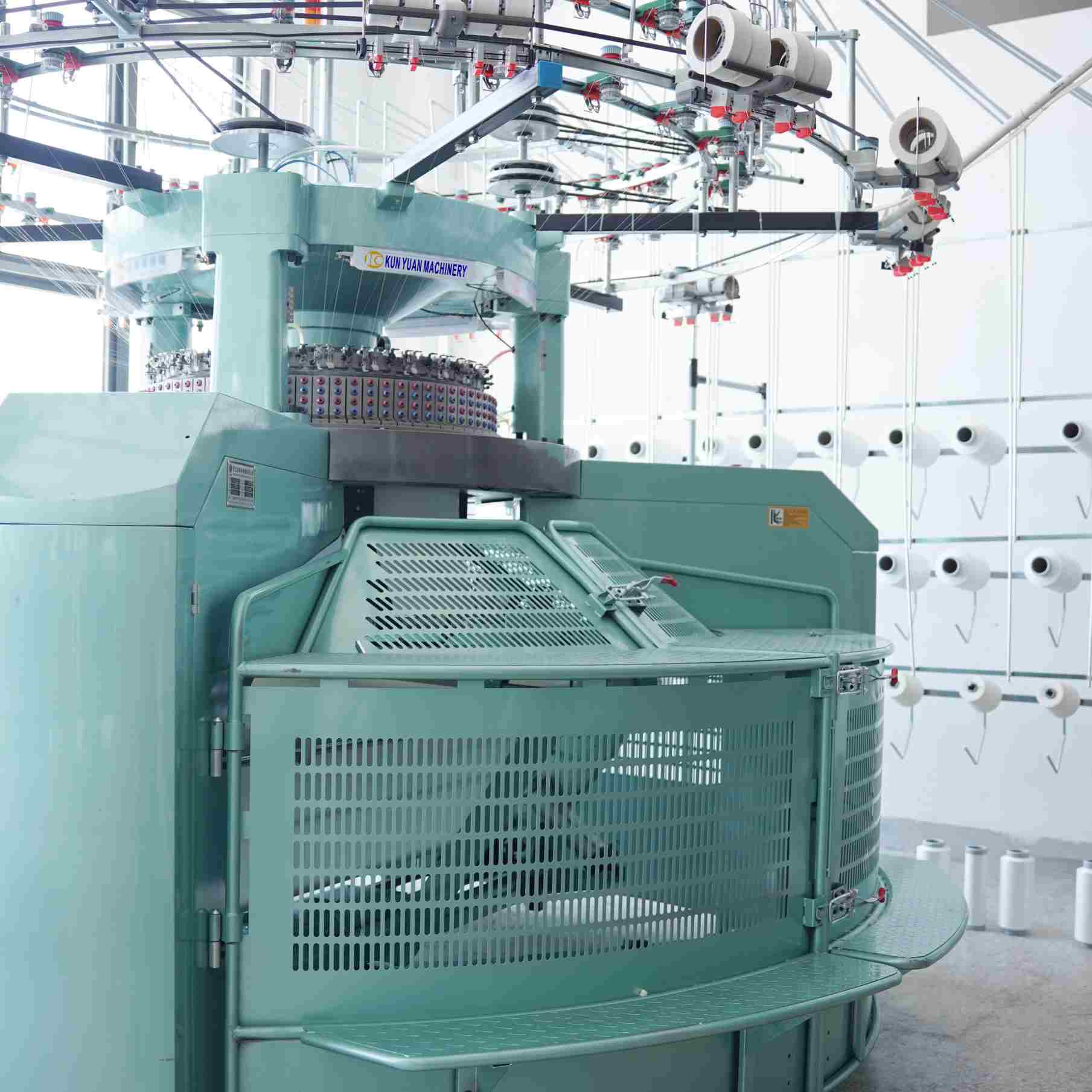
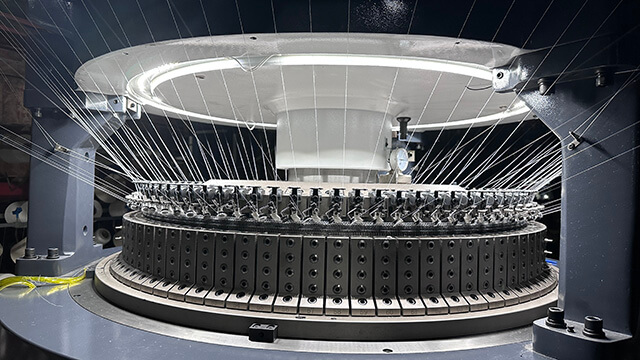
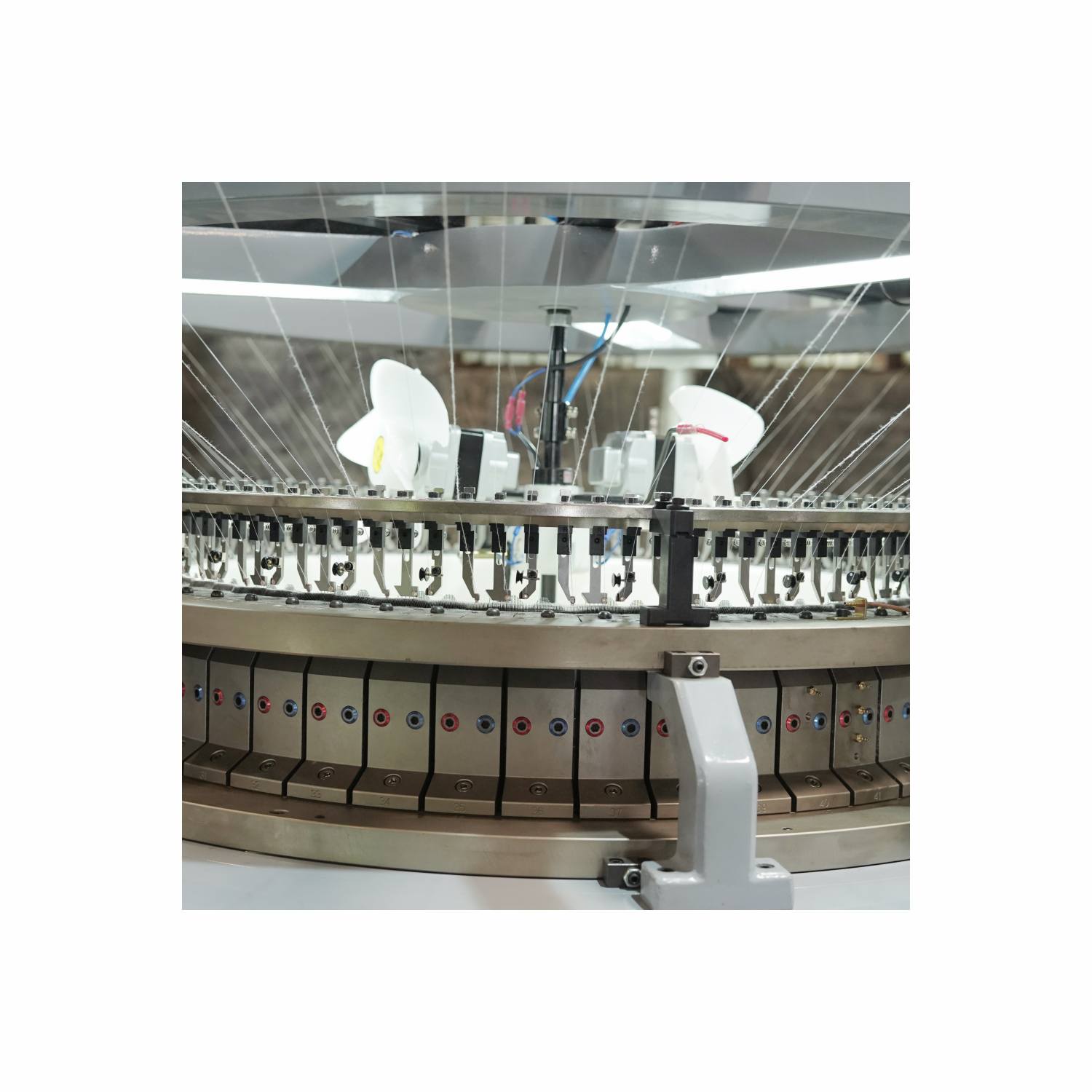
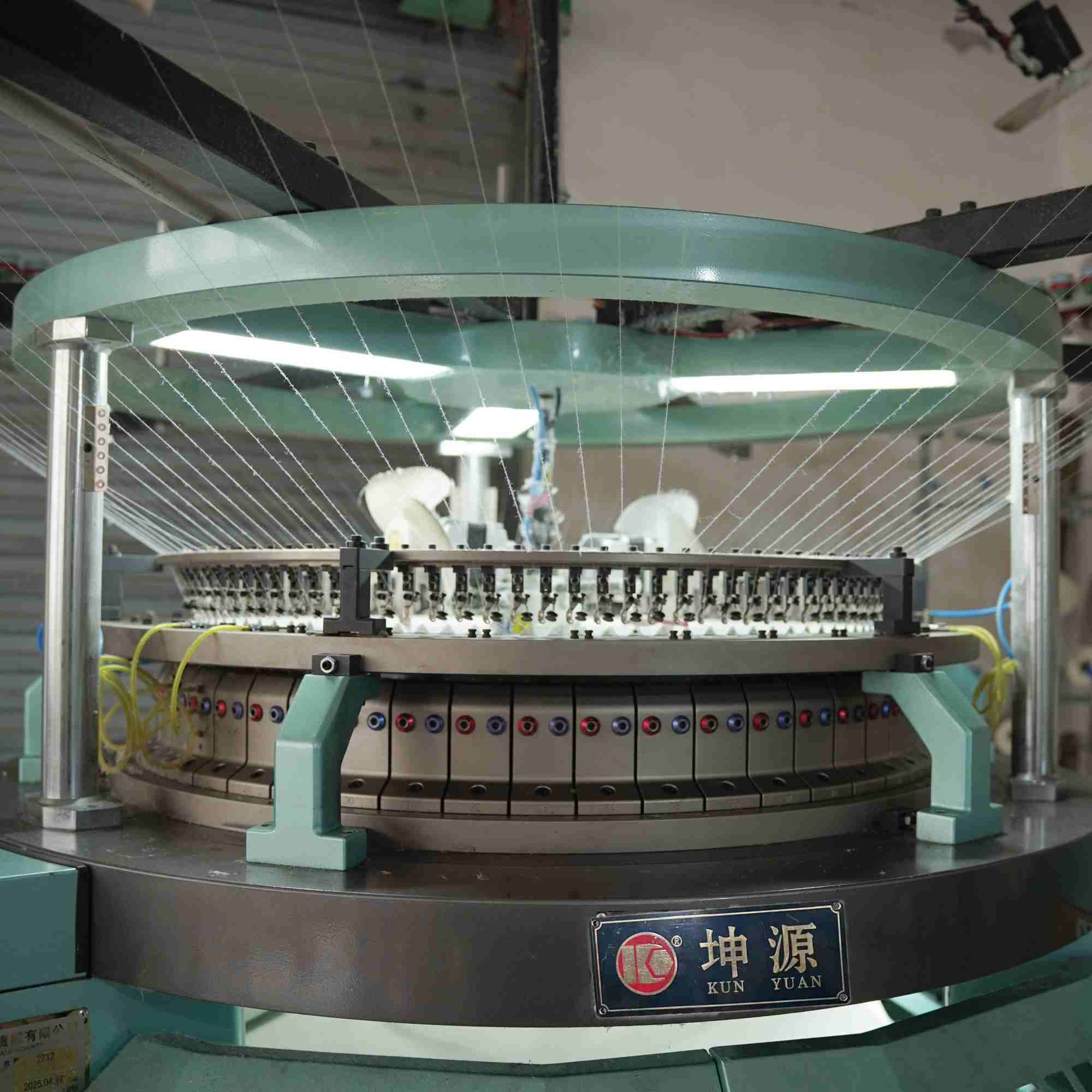
Record model, diameter, gauge, feeder count, knitting systems or selection arrangement, cylinder/dial or sinker scope, drive, lubrication, yarn storage and feeding, stop motions, take-down, fabric collection, control cabinet, safety guarding and included accessories. Mark every paid option and every item supplied by the buyer.
Request an identified general arrangement and final configuration sheet. Catalogue ranges are useful for screening, but the purchase file needs the values and options on the machine that will actually be built and tested.
Write the selected Incoterms® 2020 rule and named place or port in the quotation and contract. The rule helps allocate delivery obligations, costs and risk, but it does not describe the machine specification, payment, title transfer, warranty or every local charge. Those items still need contract language.
Ask the forwarder or import adviser for a current route-specific estimate. Separate export packing, inland movement, terminal handling, main carriage, insurance where agreed, destination handling, customs/broker work, duty/tax, inland delivery, unloading and rigging. Put “buyer”, “seller”, “forwarder” or “not quoted” beside each line.
Clarify foundation drawings, utility requirements, installation supervision, travel, accommodation, interpreters, tools, trial yarn, operator training, maintenance training, software backups, documentation and initial spare parts. Define the number of technician days and what happens if the site or material is not ready.
The factory acceptance test and site acceptance test should use named fabric conditions. Record stable run time, settings, stops, manual interventions, defects and measurements after the agreed relaxation or finishing step. A demonstration video or short clean roll cannot replace the signed test record.
| Cost/scope line | Supplier A | Supplier B | Evidence required |
|---|---|---|---|
| Configured machine and standard accessories | Quoted / excluded | Quoted / excluded | Signed model and option sheet |
| Packing and export-side delivery | Amount + currency/date | Amount + currency/date | Packing list, dimensions, mass, named delivery point |
| Main transport and destination costs | Current estimate | Current estimate | Forwarder basis, validity and exclusions |
| Installation, training and acceptance | Days + inclusions | Days + inclusions | Responsibility matrix and test plan |
| Initial spares and unresolved risk reserve | Itemized | Itemized | Part list, lead time and open-item owner |
Keep taxes and duties as separate destination-specific lines. Use the same exchange-rate date and validity window for every offer. A normalized sheet should show what is unknown instead of forcing a false total.
They may cover different diameters, gauges, feeders, knitting systems, controls, take-down, accessories, packing and service. Compare the signed configuration and exclusions before comparing totals.
Not necessarily. Use the exact Incoterms rule and named place, then list destination handling, customs, duty/tax, inland transport, unloading, rigging and site work separately with current advisers.
Fix the machine configuration, fabric duty, drawings, documentation, test material, acceptance method, delivery rule/place, schedule, payment milestones, warranty/service scope and change-control process.
Tie each option to a fabric, operating or maintenance requirement and a test. If the buyer cannot state what the option changes or how it will be accepted, keep it outside the base comparison.
Use accepted kilograms or metres under the same fabric conditions, then include changeover loss, consumables, wear parts, staffing, utilities, service response and rejected fabric. Avoid universal payback claims.
The best quotation is the one that leaves the fewest expensive assumptions between the crate and the accepted fabric. Preserve the fabric brief, signed configuration, delivery boundary, cost stack and test record under one revision.
Use Kunyuan's circular knitting machine range to select a starting family, then request a model-specific RFQ response rather than a single unqualified price.

 Tel: +86-13859034518
 Email: info@kunyuanmachine.com
 MP/WhatsApp: +86-13859034518
 Manufacturer Address:Bacuo Village, Yonghe Town, Jinjiang City, Fujian Province