

Hot Keyword:
Author:KUNYUAN Machine Manufacturer TIME:2026-08-28
The choice is not a contest between a simpler and a “better” machine. Single-jersey and double-jersey circular machines make different fabric structures. Begin with the fabric face, reverse, weight, stretch, stability and finishing route; only then compare diameter, gauge, feeders, speed and price.
Write a short fabric brief for each product in the planned range. Include structure, yarn count and fiber, finished GSM, usable width, stretch and recovery, surface appearance and the processes after knitting. A lightweight T-shirt fabric and an interlock garment fabric may both be described as apparel materials, yet they do not ask the knitting machine to do the same work.
Separate essential structures from future ideas. If the first two years of orders are mainly plain single jersey, buying two-bed complexity for an undefined possibility may add setup and spare-parts work without creating sales. If rib, interlock or other double-knit structures are central to the order book, a cylinder-only machine cannot be made equivalent by changing gauge or yarn.
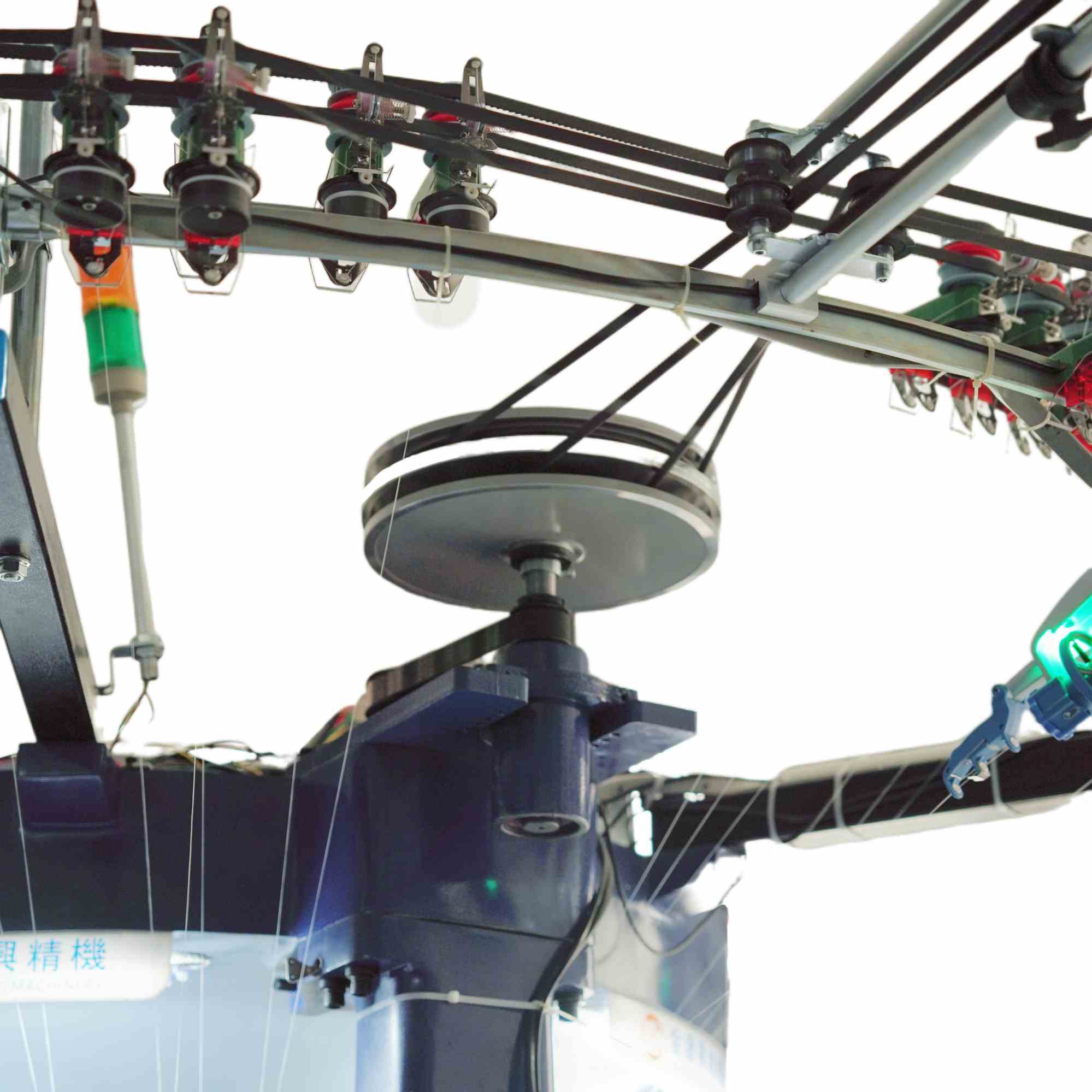
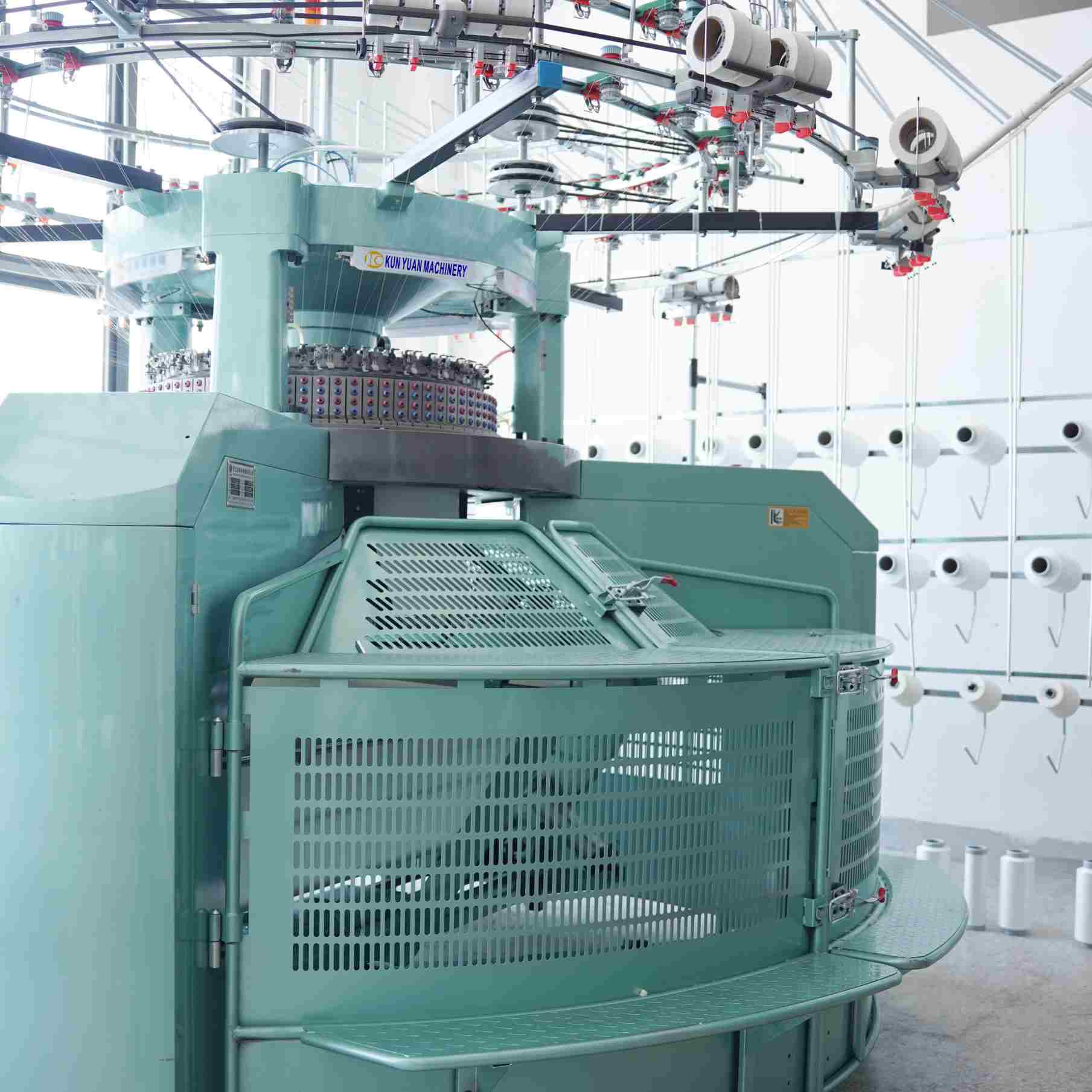
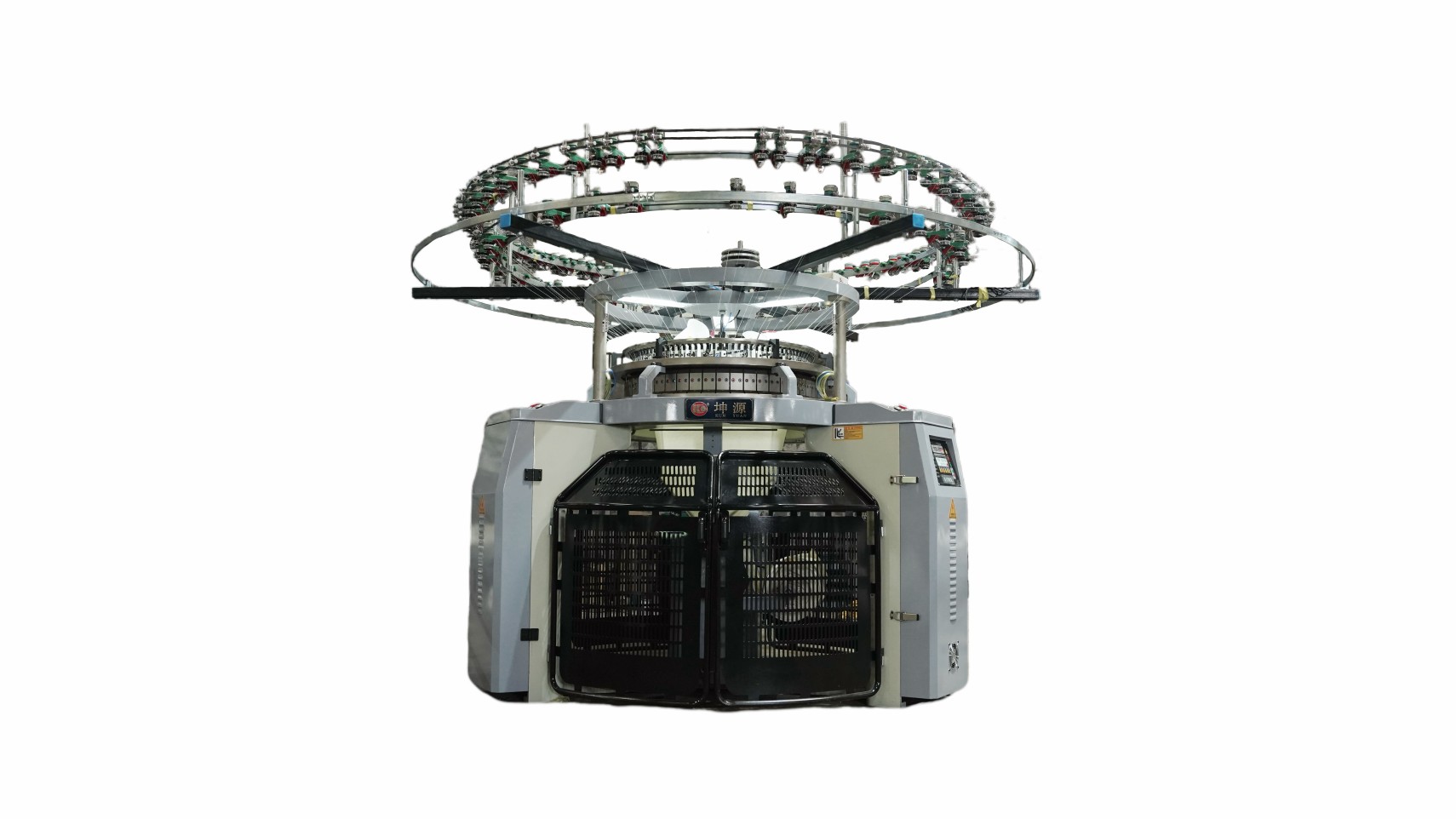
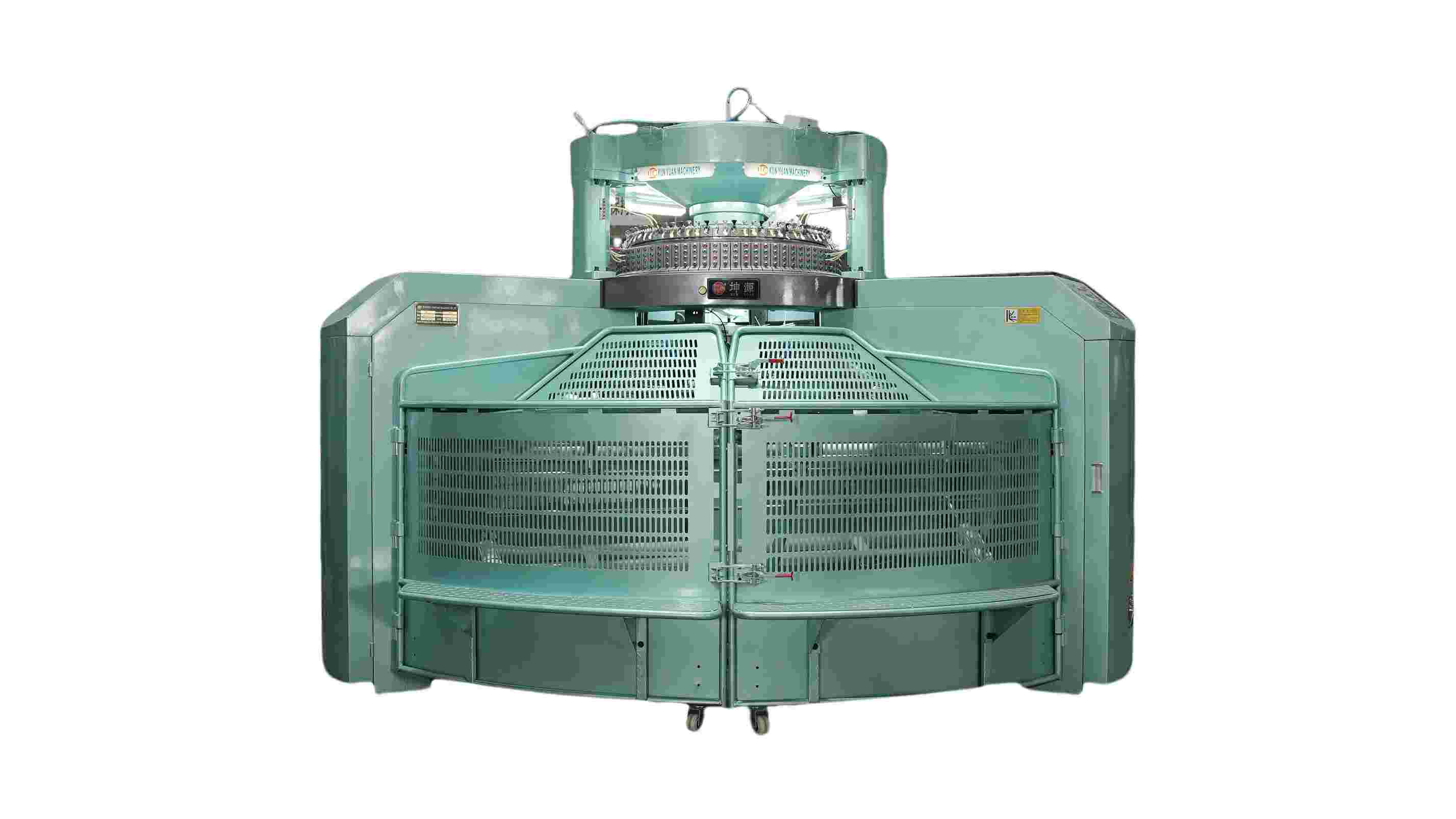
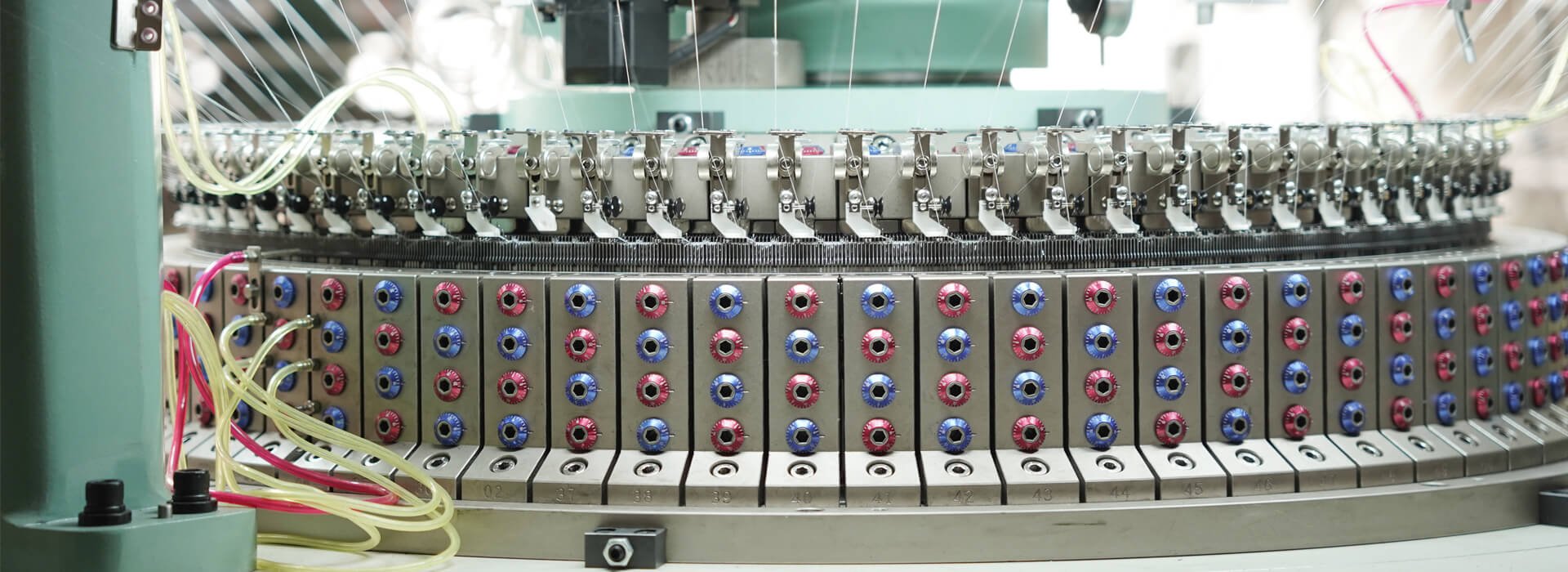
A conventional single-jersey circular machine forms loops on one cylinder needle bed, working with sinkers or the model's specified loop-forming system. It produces fabrics with distinct technical face and reverse characteristics. A double-jersey machine uses cylinder and dial needles, allowing rib, interlock and other two-bed constructions according to its cam and selection arrangement.
That difference affects setting and fault finding. On a single-jersey machine, the team manages one needle bed and the related sinker, cam, yarn-feed and take-down conditions. On a double-jersey machine, cylinder-dial timing, two sets of knitting elements and structure-specific tracks add more relationships to control. This does not make one route unreliable; it changes the skill and spare-parts plan.
| Decision area | Single jersey machine | Double jersey machine | What the buyer should request |
|---|---|---|---|
| Core construction | One cylinder needle bed | Cylinder and dial needle beds | Knitting-system diagram for the offered configuration |
| Typical fabric route | Single-jersey-based fabrics and supported variants | Rib, interlock and supported double-knit variants | Actual structure list tied to cam/track or selection scope |
| Setting burden | One-bed timing plus yarn, sinker and take-down controls | Two-bed relationship plus yarn, take-down and structure controls | Changeover method, tools and training included |
| Spare planning | Cylinder needles and model-specific sinkers/system parts | Cylinder and dial elements plus model-specific system parts | Two-year list by exact part designation and expected use |
| Fabric acceptance | Face/reverse quality, width, GSM, defects and finishing response | Both surfaces, structure definition, recovery, width, GSM and finishing response | Signed raw and finished samples with settings |
Published machine ranges show that both categories cover many diameters, gauges, feeder counts and speeds. Do not transfer a number from one model to another. Compare the exact quotation and ask which values apply at the quoted diameter and gauge.
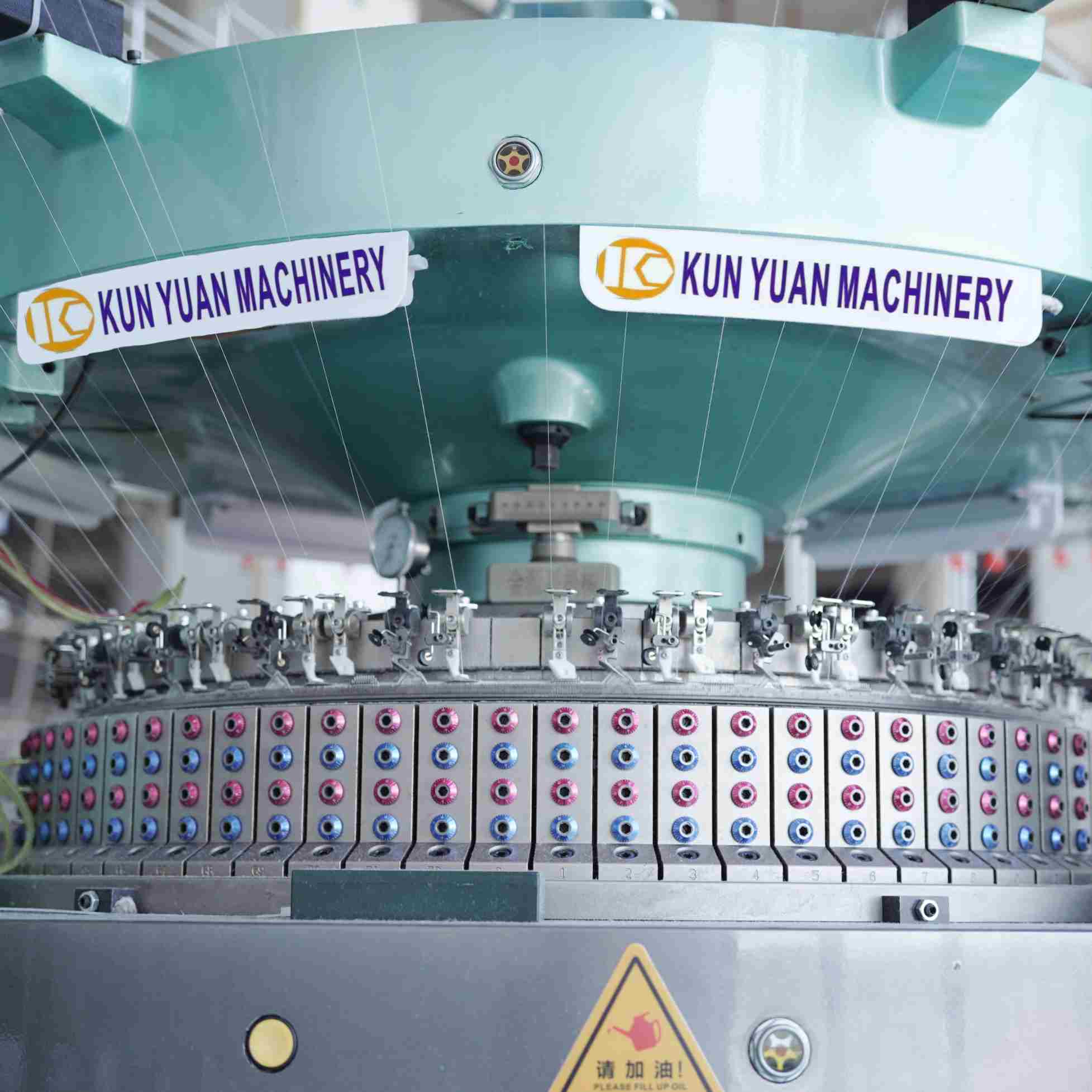
Trying to knit the same structure on both architectures is not always a fair test. Instead, run a representative single-jersey fabric on the proposed single machine and a representative rib or interlock fabric on the proposed double machine. Use the intended yarns and full finishing route. The question is whether each machine makes its commercial fabric repeatably, not whether two unlike structures produce the same GSM.
For each trial, retain the yarn identification, machine configuration, diameter and gauge, stitch settings, speed used, stop log, raw sample and finished sample. Measure usable width, GSM, appearance, dimensional change and the product-specific stretch or recovery requirement. Inspect enough running length to expose repeating feeder or needle-path faults.
Headline production is not saleable production. Build a simple model from stable output, efficiency, quality loss, changeover time, energy, labor, needles and system parts, oil, planned service and finishing consequences. A faster run with more defects or difficult roll handling can cost more per accepted kilogram than a conservative setting.
Keep separate cost models for the intended fabrics. Double-jersey complexity is justified when it enables the structures the mill sells. Single-jersey simplicity is valuable when it matches the order mix. Neither conclusion comes from the machine price alone.
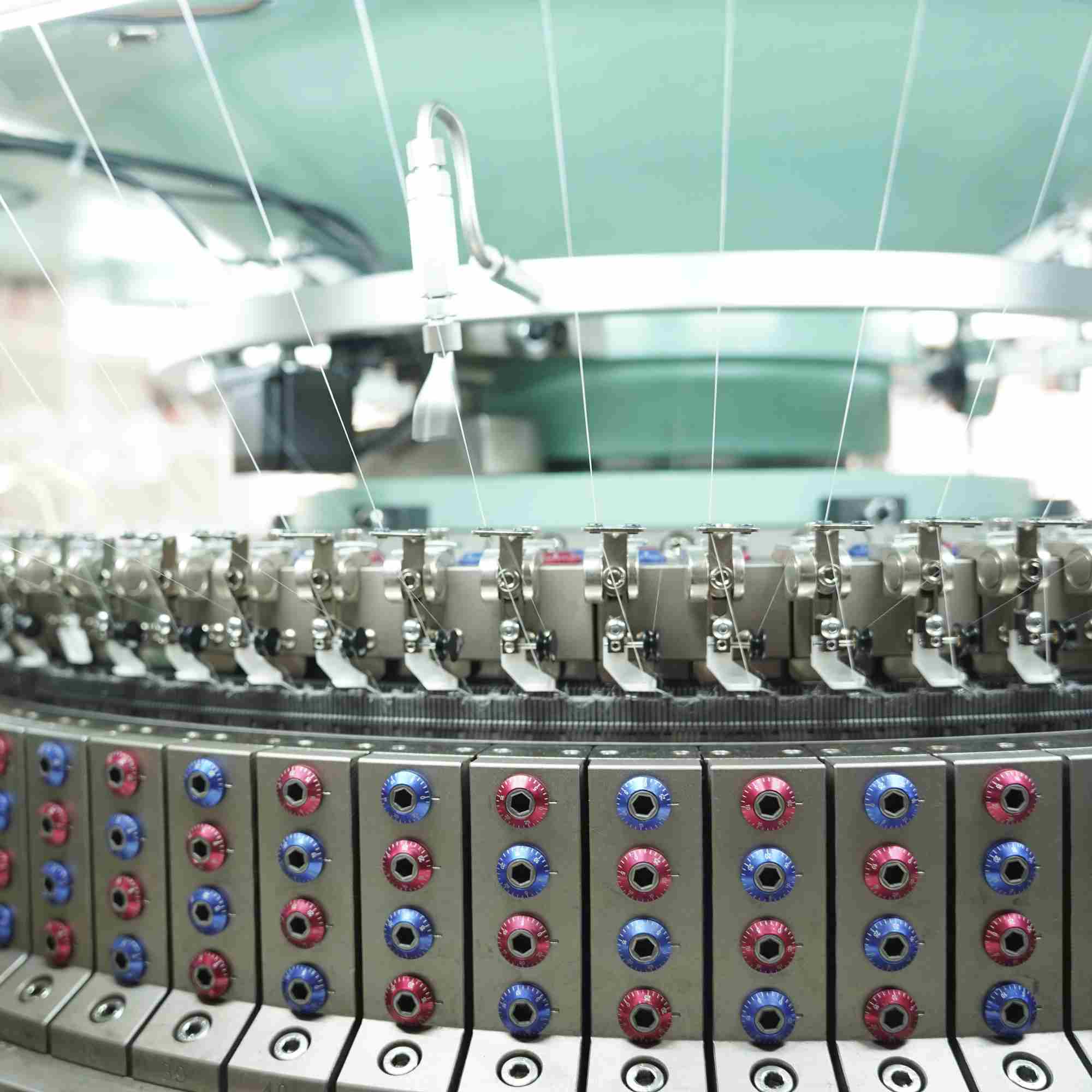
The structures often differ in thickness and stability, but finished GSM also depends on yarn, gauge, stitch length, construction and finishing. Compare the specified fabrics, not the category label.
A cylinder-only and a cylinder-and-dial architecture are fundamentally different. Ask the manufacturer about model-specific conversion options; do not assume a field conversion is practical.
Speed depends on model, diameter, gauge, structure, yarn and quality limit. Use the stable speed demonstrated during the proposed fabric trial.
Both need trained setters. Double-knit work adds cylinder-dial relationships and structure-specific setting; actual training needs depend on the plant's experience and model controls.
List the fabrics, yarns, finished GSM and width, diameter and gauge assumptions, production target, acceptance tests, training, spares, electrical standard and delivery boundary.
Choose a single-jersey circular machine when the planned range is built around one-bed structures and the offered model proves those fabrics. Choose a double-jersey machine when rib, interlock or another supported two-bed construction is central to sales. Freeze the decision with two fabric-specific trials and a cost model based on accepted output.

 Tel: +86-13859034518
 Email: info@kunyuanmachine.com
 MP/WhatsApp: +86-13859034518
 Manufacturer Address:Bacuo Village, Yonghe Town, Jinjiang City, Fujian Province