

Hot Keyword:

Plan a small-diameter machine installation by mapping hat crown, body, cuff and make-up work, then trial finished sizes instead of approving a bare tube....
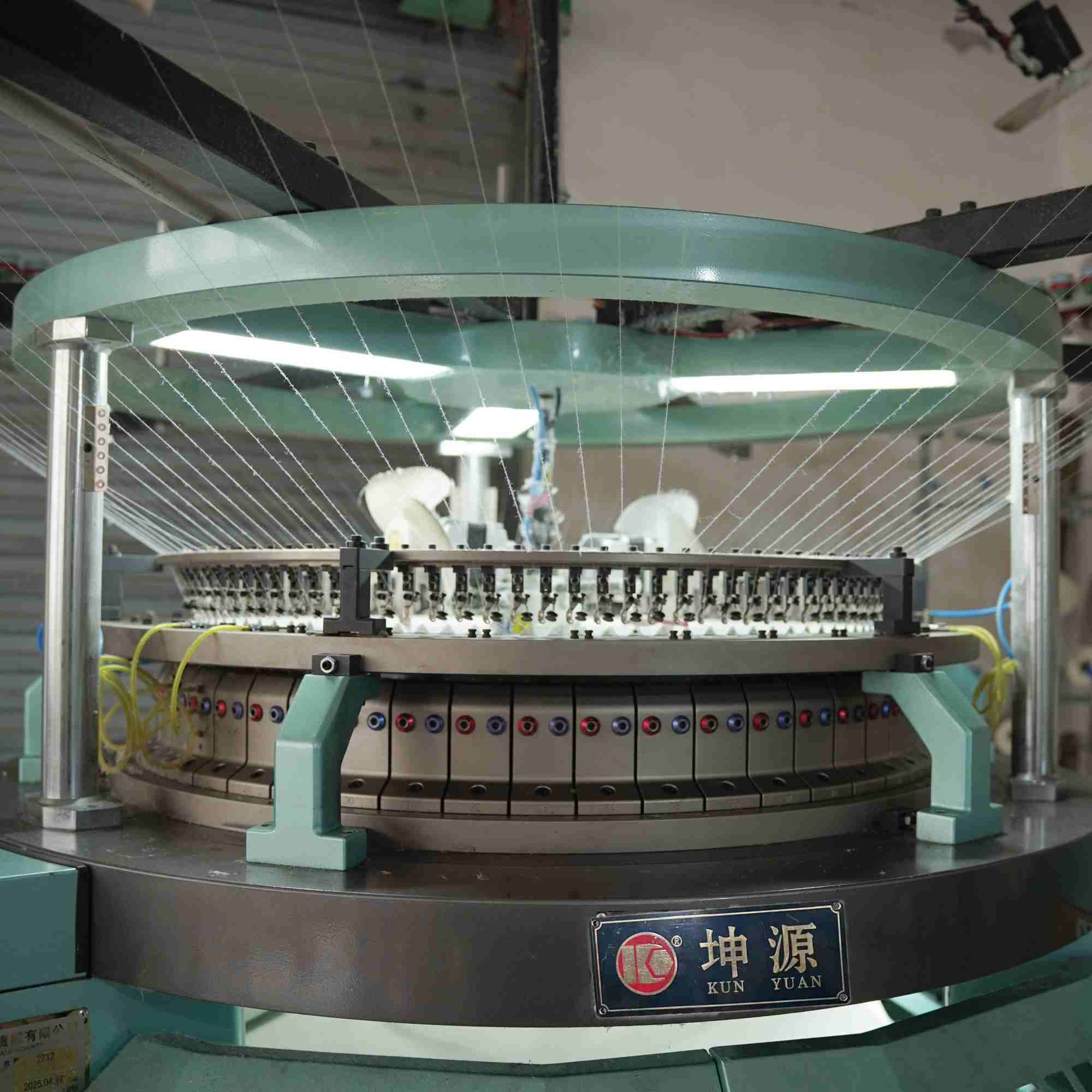
Compare body-size garments, cuffs, sleeves and narrow tubular products by geometry, structure and make-up before assigning a small-diameter knitting route....

Choose a small-diameter hat knitting route from crown construction, tube size, yarn, pattern and make-up work, then prove boundary styles in a buyer trial....

Maintain small-diameter machines with a symptom-led service log covering needle beds, yarn path, lubrication, cleaning and a marked restart sample....
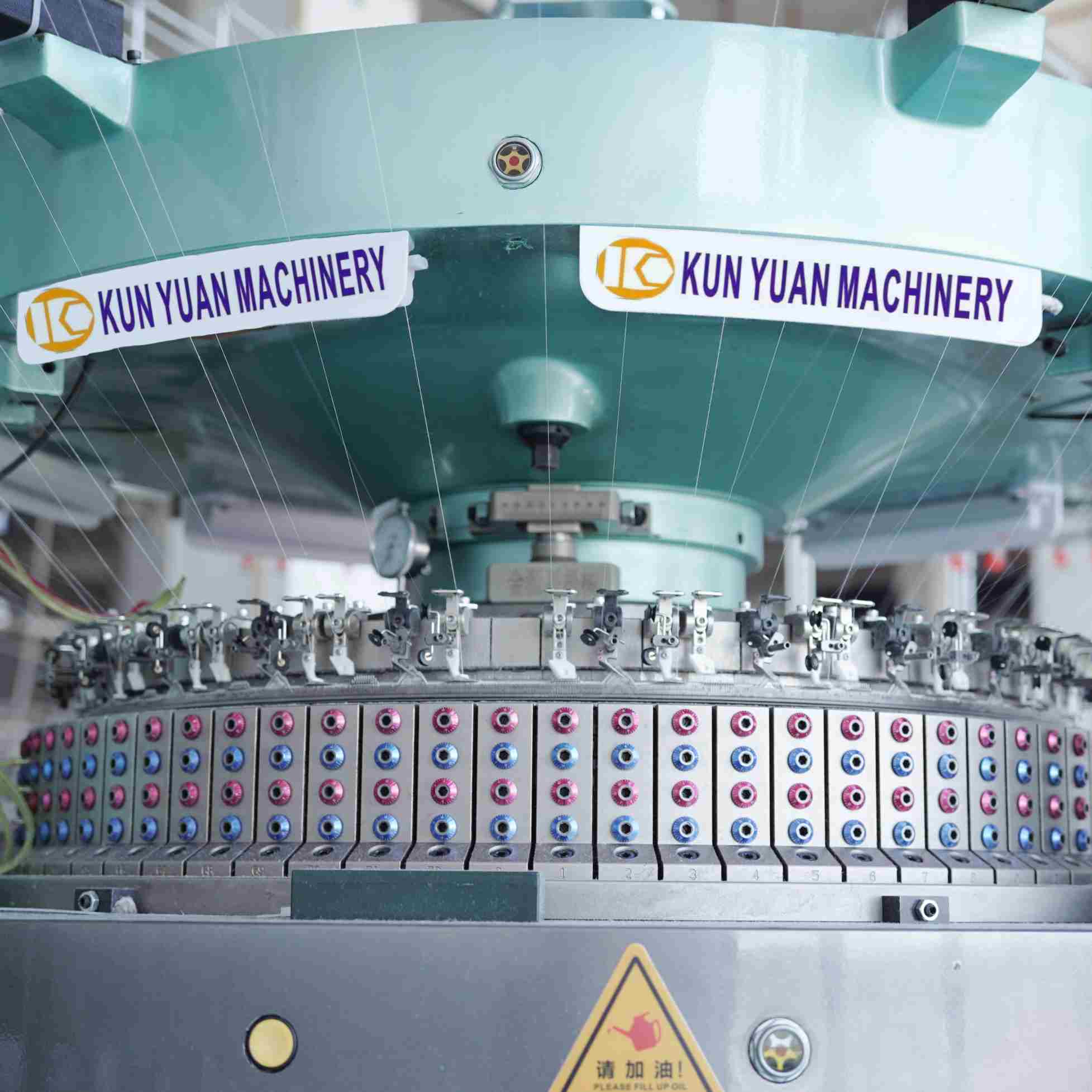
Practical Circular Knitting Machine for Hats guide covering specification, supplier evidence, factory trials and delivered scope for textile mill buyers....
Release a circular knitting machine through five recorded gates: identity, site and utilities, assembly, controlled start, fabric trial and operator handover....
Read gauge as one variable in rib and interlock design. Match yarn and loop density to cylinder/dial geometry, then confirm with finished samples....

 Tel: +86-13859034518
 Email: info@kunyuanmachine.com
 MP/WhatsApp: +86-13859034518
 Manufacturer Address:Bacuo Village, Yonghe Town, Jinjiang City, Fujian Province