Diameter narrows the tube; it does not define the product
Calling a machine a hat knitter can hide other technically possible uses, but calling it versatile creates the opposite problem. The sound way to discuss applications is to compare product geometry, loop structure, yarn handling, shaping and downstream make-up against the exact machine configuration.
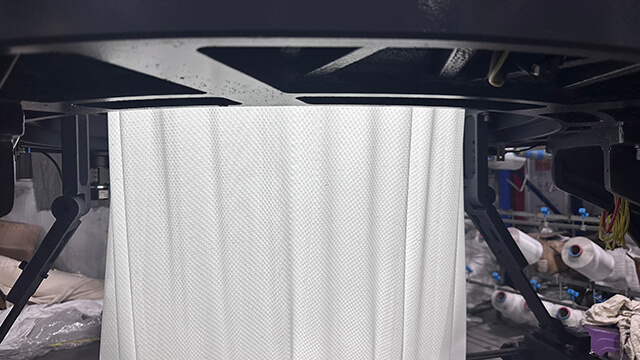
Begin with a finished or opened sample. Mark circumference, length, stretch direction, local zones, seams, closures and any cutting or linking. Then identify which operations the knitting platform must perform and which remain outside it. Similar-looking tubes can require different beds, needle selection, feeders or take-down.
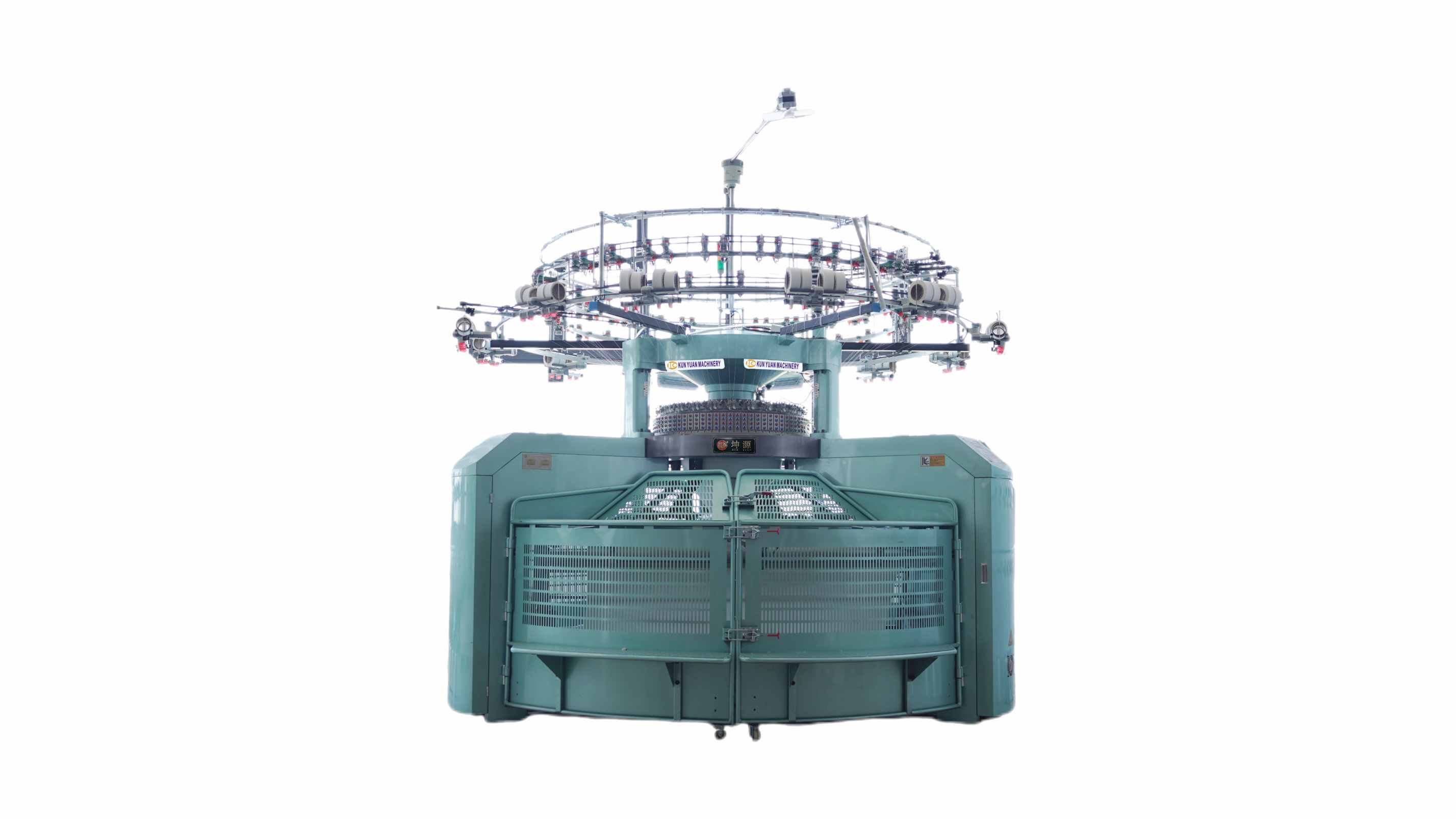
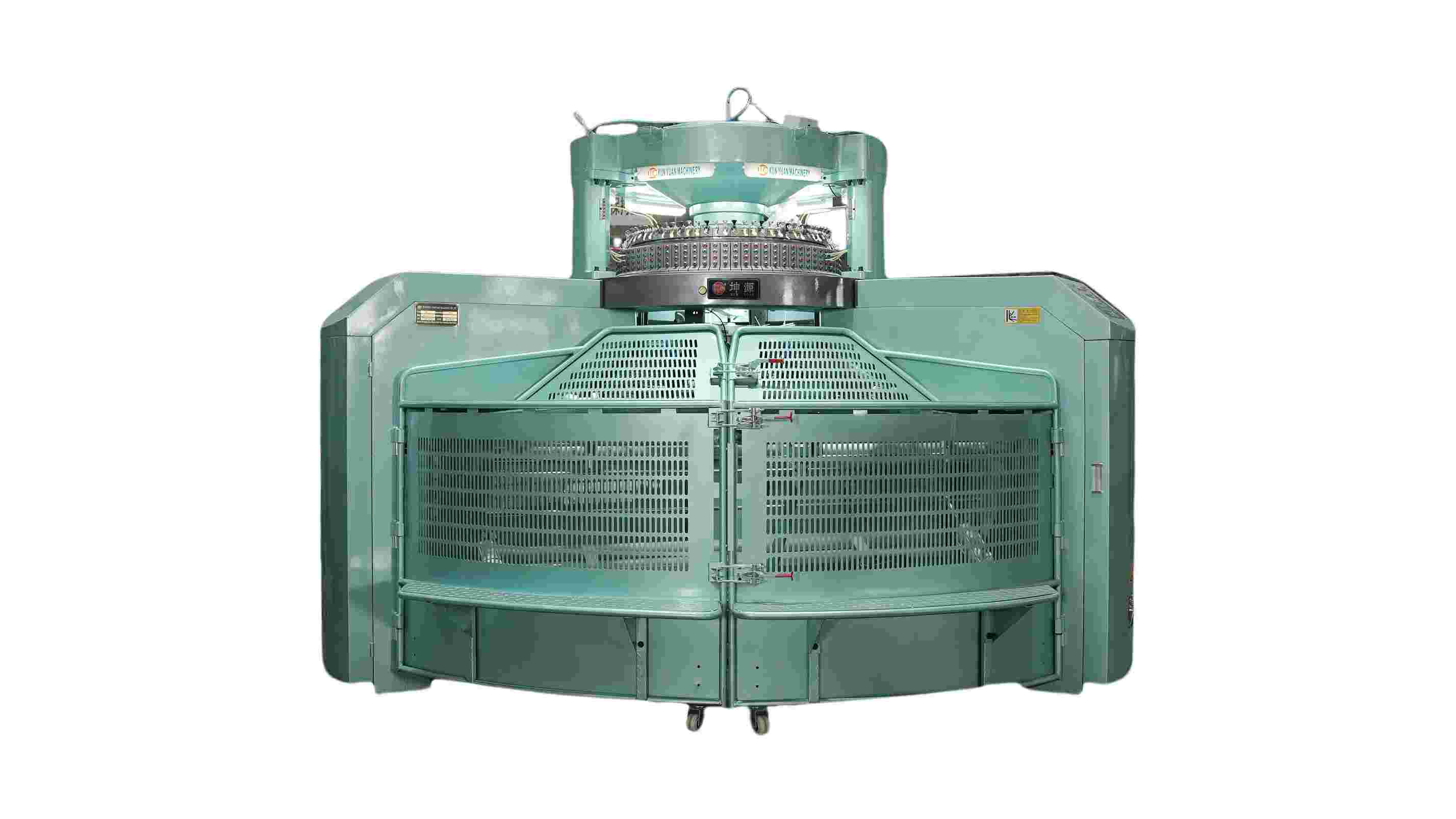
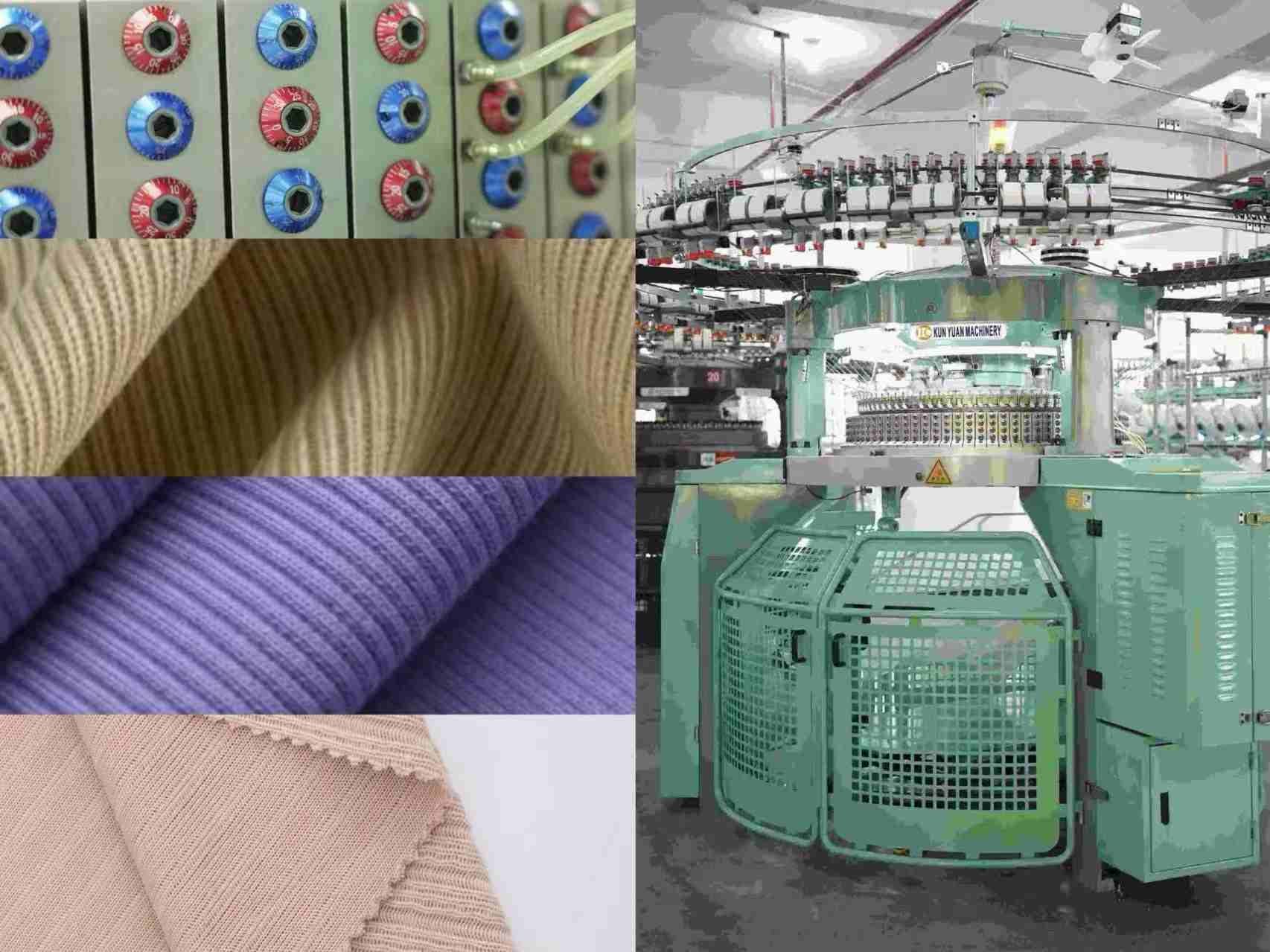
Official portfolios illustrate the range: body-size rib and interlock machines, seamless electronic single- and double-knit platforms, and larger circular systems overlap in some applications without becoming interchangeable. Use those categories to form questions, not to infer that one model covers every item below.
Body-size and seamless garments
Underwear, activewear, swimwear and other body-size garments may use a tube matched to the finished size, electronic zoning, or separated-piece production. The requirement should identify garment measurements, structure changes, elastic yarn, leg or arm openings and every remaining sewing operation.
Trial the smallest and largest planned sizes plus the style with the busiest zone map. Measure after the true relaxation or finishing route. A program that looks correct on the machine can move a support panel or opening once the fabric recovers.
Cuffs, waistbands and knitted trims
Small diameters can suit rib cuffs, collars or waist components when the required circumference, gauge and structure match the needle set-out and fabric handling. Specify whether the piece is continuous tube, cut length or separated item, and show how it will be attached.
Recovery deserves a finished test. Record relaxed opening, extension method, return after a stated interval and the effect of repeated handling. If elastic yarn is plated, preserve its feed route and setting separately from the ground yarn.
Sleeves, liners and narrow tubular components
A sleeve or liner may be a constant tube, a shaped component or material that is later cut. Draw the diameter change and identify whether shaping is knitted, achieved through stitch settings, or created during cutting and sewing. Do not assume a hat program can simply be lengthened.
Inspect spirality, wale alignment, end condition and usable length. When the tube becomes an industrial component, add dimensional tolerances and any downstream coating, bonding or assembly that can change the fit.
Medical, technical and specialty candidates
Compression, medical or technical claims require more than a smooth tube. Pressure, biocompatibility, durability, traceability or other end-use requirements may belong to regulated product systems outside the machine supplier's responsibility. Define who owns each test and which evidence the knitting trial can actually provide.
Use cautious language when the archive contains only general machine images. A supplier should confirm yarn compatibility, structure, diameter, change parts and sample scope on the exact offered model before a specialty use is treated as deliverable.
Machine identity and installed selection define the application boundary.Record circumference, length and end condition on a labelled tube.Finished performance belongs to the complete product route, not the knitting step alone.
Application screening field guide
Product family
Geometry question
Knitting question
Downstream question
Body-size garment
Which finished size and zones?
Single/double bed, selection and elastic?
Which seams and openings remain?
Cuff or trim
What relaxed and extended opening?
Rib set-out and feed plan?
How is it cut and joined?
Sleeve or liner
Constant or shaped tube?
Program, gauge and take-down?
Cut, bond, coat or sew?
Specialty item
Which end-use tolerance?
Can the model form the structure?
Who validates regulated performance?
Small-diameter application questions
Is a small-diameter machine the same as a sock machine?
No. Product categories may overlap in diameter, but needle beds, selection, feeders, take-down and product handling differ. Confirm the platform and sample.
Can one cylinder cover every garment size?
Do not assume it. Needle count, stretch, structure and program limits must be proven on boundary sizes, and change parts may be required.
What makes an application claim credible?
A construction drawing, yarn plan, exact model configuration and finished boundary sample are stronger than a generic list of end uses.
Should narrow technical tubes be accepted at the machine?
Only provisionally. Include coating, bonding, sterilization or assembly tests that belong to the actual product route.
How do we avoid buying too much versatility?
Rank products by annual demand and shared configuration, then price the change parts, programming and changeover time required for the real mix.
Conclusion
Small-diameter circular knitting is a geometry and process category, not a promise about hats or any other single product. By mapping each item across diameter, structure, shaping and make-up, a mill can see which candidates share one platform and which deserve a different machine or separate qualification route.




 Tel: +86-13859034518
 Email: info@kunyuanmachine.com
 MP/WhatsApp: +86-13859034518
 Manufacturer Address:Bacuo Village, Yonghe Town, Jinjiang City, Fujian Province