Similar circular motion does not make two machines production substitutes
A hand-crank Sentro tool and an industrial circular knitting machine can both form tubes, yet their needle scale, yarn systems, controls, product scope and operating obligations belong to different decisions.
First name the output: a craft tube or panel for personal projects, or stable industrial fabric made across shifts and supplied to a finishing route. Compare the two routes only against that shared requirement.
Sentro's product information describes small hand-crank machines with tube and panel modes for craft items. Industrial manufacturers publish dedicated single- and double-knit portfolios with configured feeders, gauges, diameters, take-down and control systems. Avoid transferring industrial fabric claims to the craft tool or using a craft demonstration to estimate mill capacity.
Sentro fits bounded craft tubes, panels and learning tasks
Choose the exact needle-count model and confirm the yarn range in its instructions. Make a full intended item, not only a few rows, because tension, take-down by hand and joining determine the result.
Record whether the user needs tube or panel mode and which finishing steps remain. A hobby tool can be useful for samples and personal projects without being represented as an industrial fabric platform.
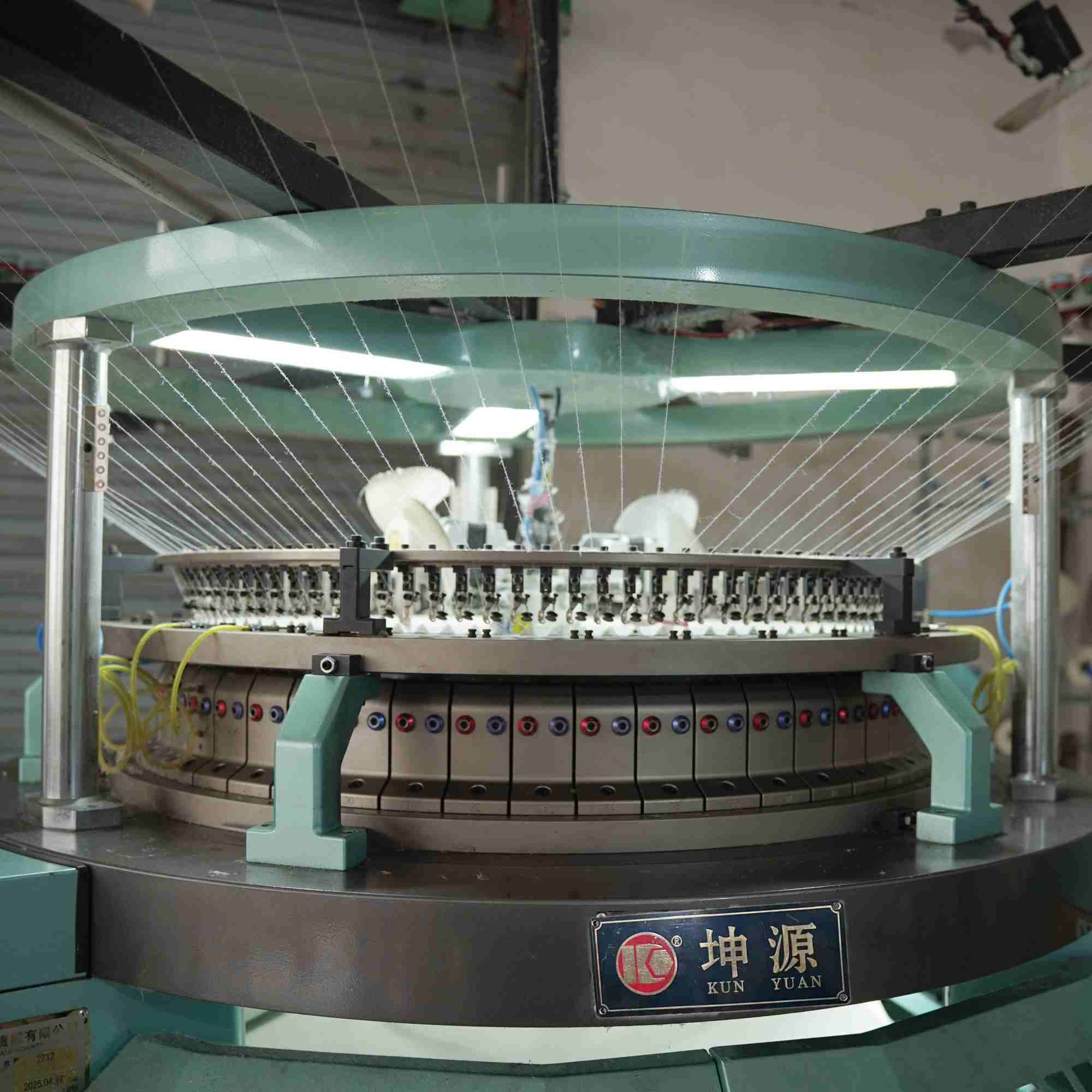
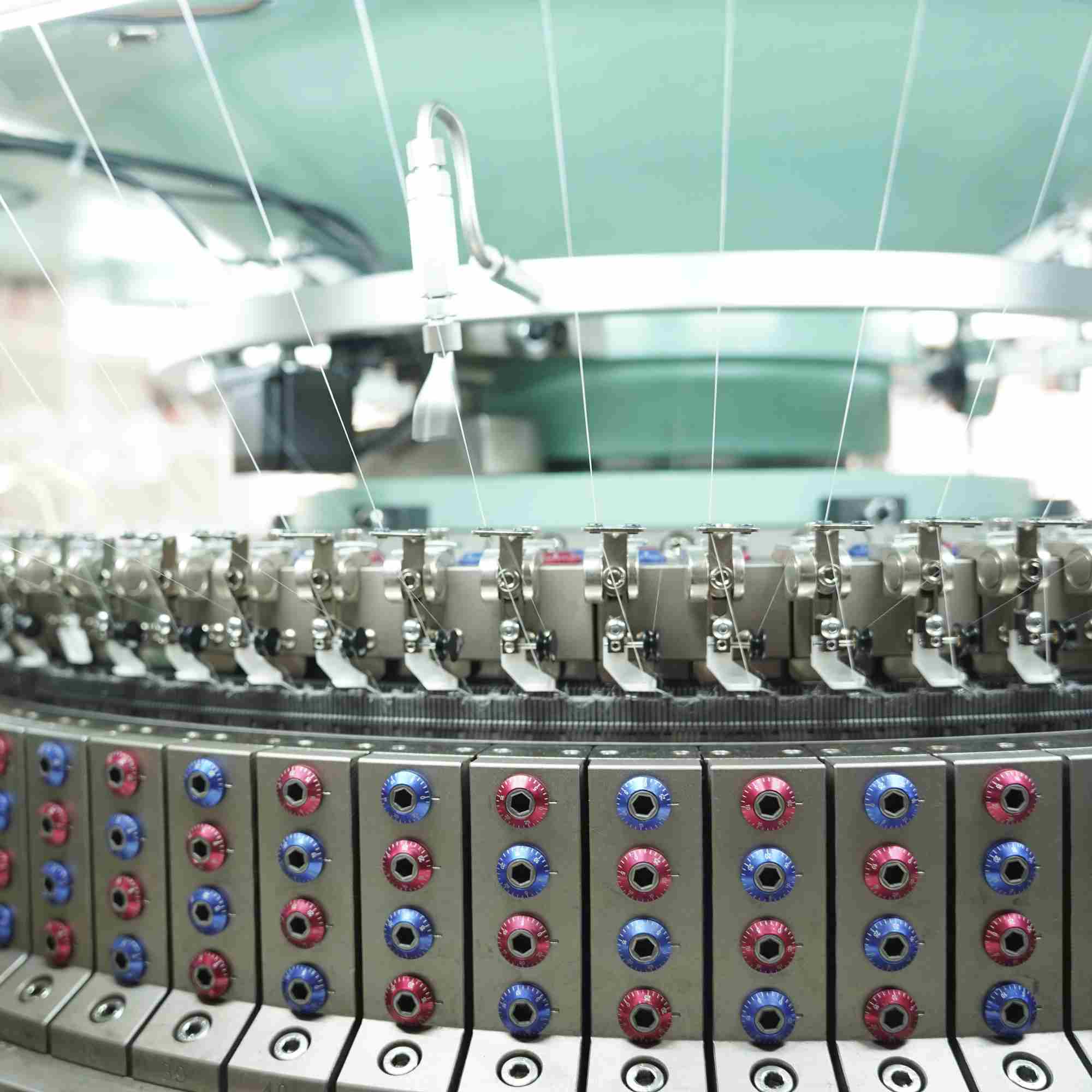
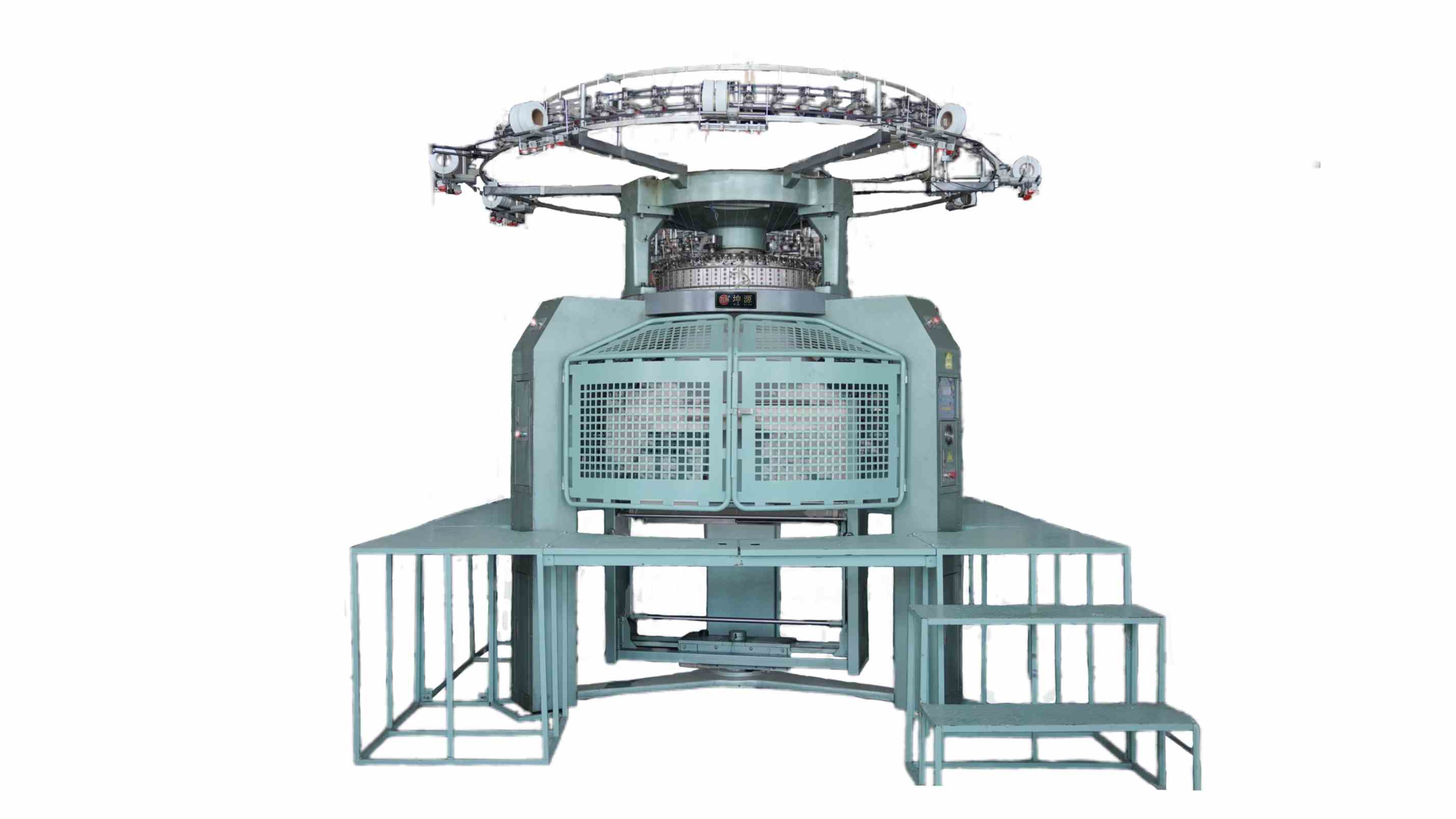
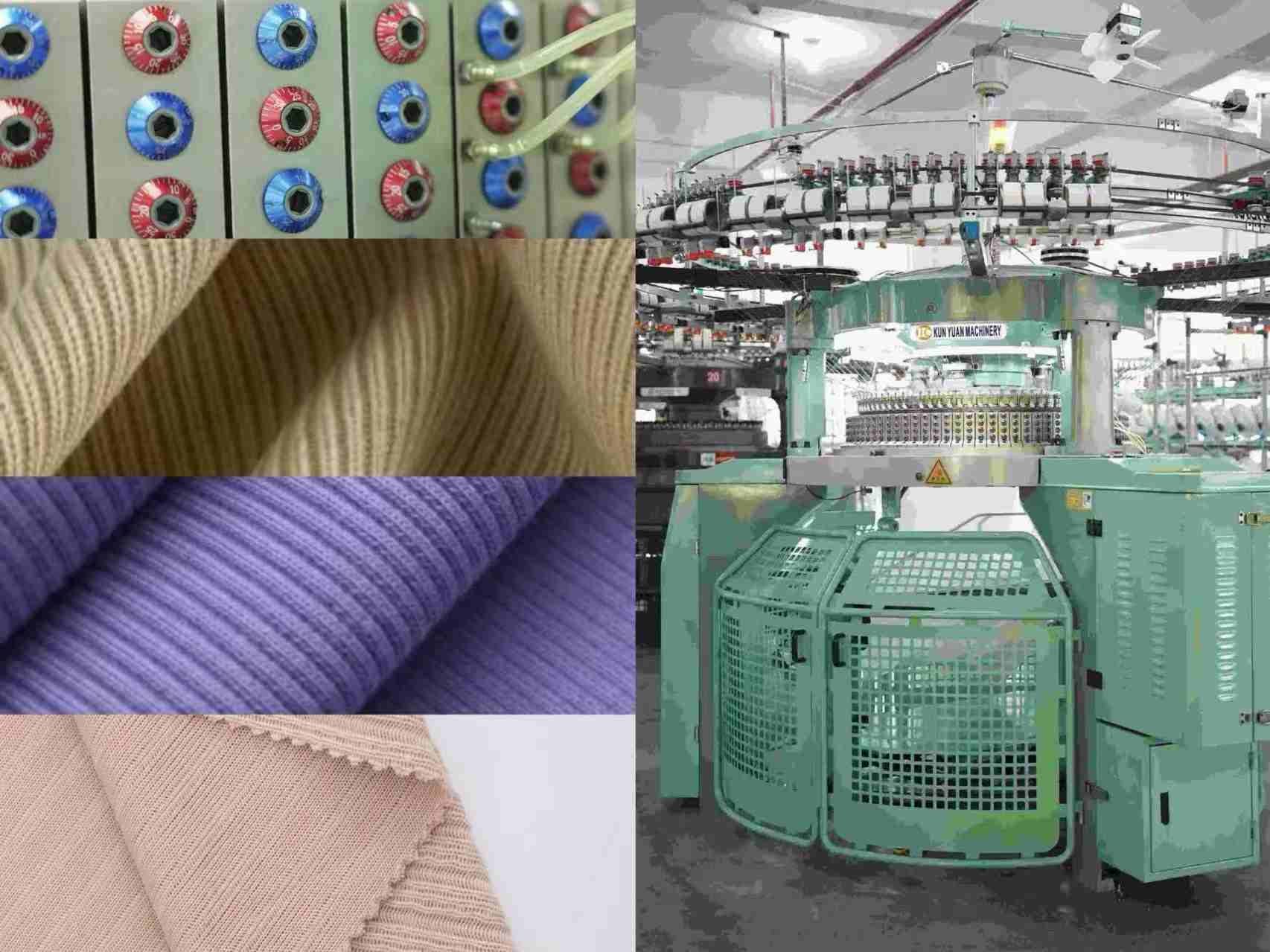
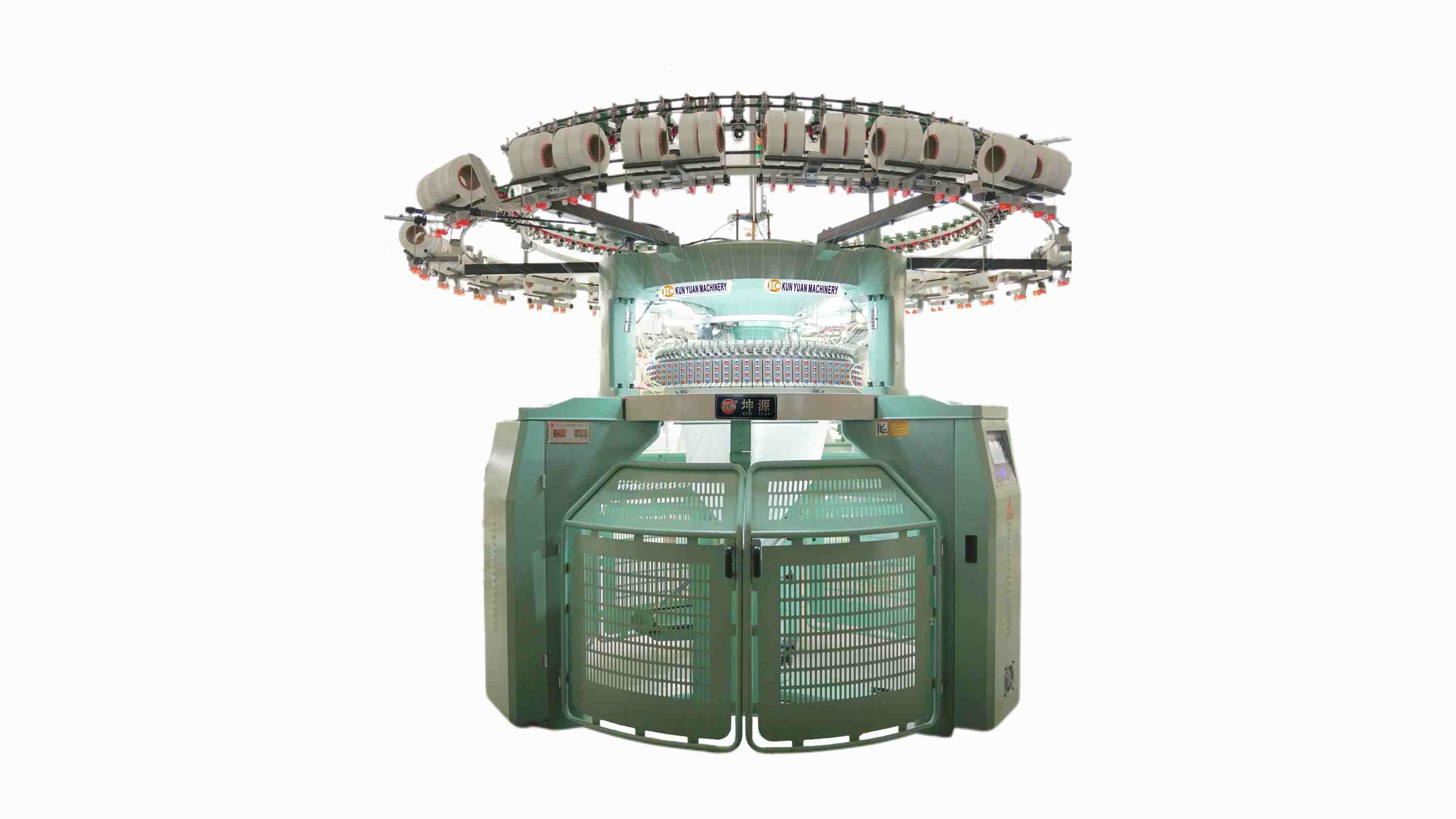
Kunyuan industrial reference; a Sentro craft machine is not pictured.
Industrial machines are configured around repeatable fabric production
An industrial RFQ should name fabric structure, yarn, diameter, gauge, feeders, selection, take-down, collection, utilities, guarding and shift pattern. The supplier must identify what is installed on the offered machine.
Run buyer yarn through normal events and inspect a marked roll after finishing. Stable accepted yield, operator workload and service readiness matter more than a short visual demonstration.
Treat industrial configuration as a separate engineering route.
Compare output form, repetition and evidence rather than headline speed
Use product dimensions, acceptable variation, daily volume and inspection method as the common basis. For a craft route, evidence may be several completed items. For an industrial route, evidence includes a controlled run, roll map, defect log and finished measurements.
Do not invent a direct payback comparison across these scales. Labour, training, utilities, maintenance and downstream processing are fundamentally different.
Select the smallest system that honestly meets the duty
A school, studio or home maker may value compact handling and accessible craft output. A mill supplying apparel fabric needs controlled configuration, documented safety, spares, service and repeatability across operators.
If the intended product moves between prototyping and production, define a transfer record: yarn, dimensions, structure and acceptance features. Do not assume the craft machine's settings translate mechanically to the industrial machine.
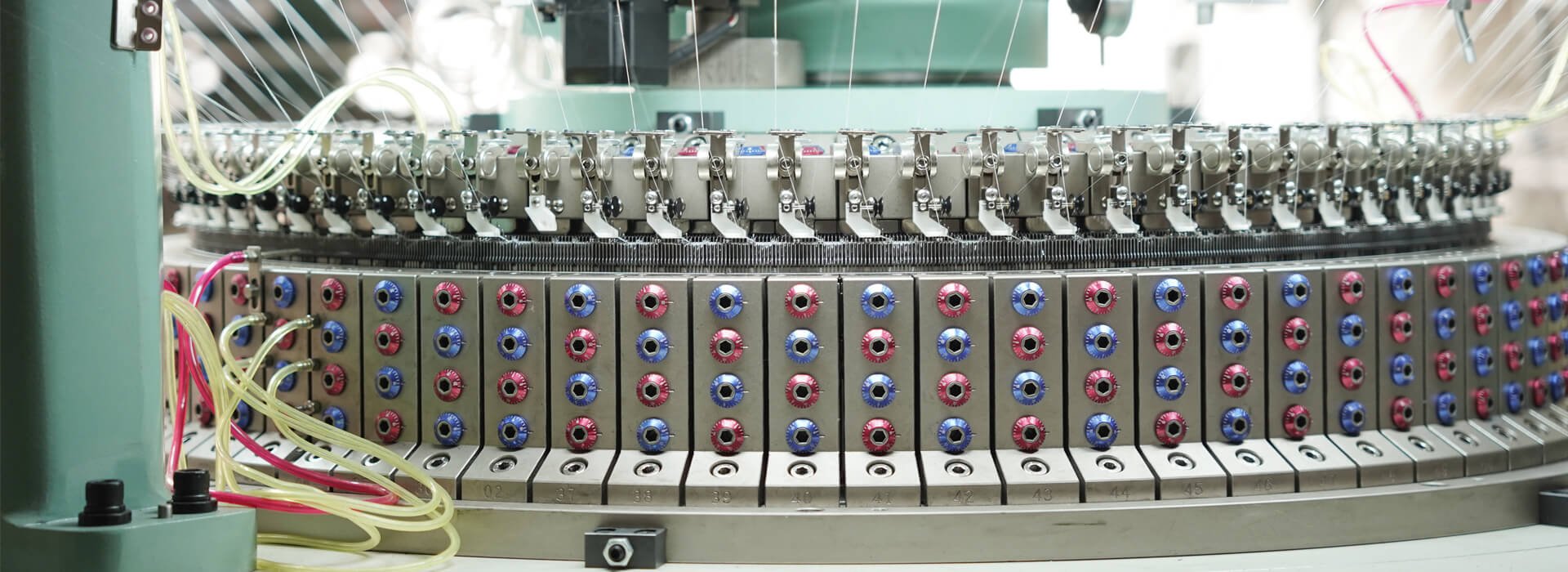
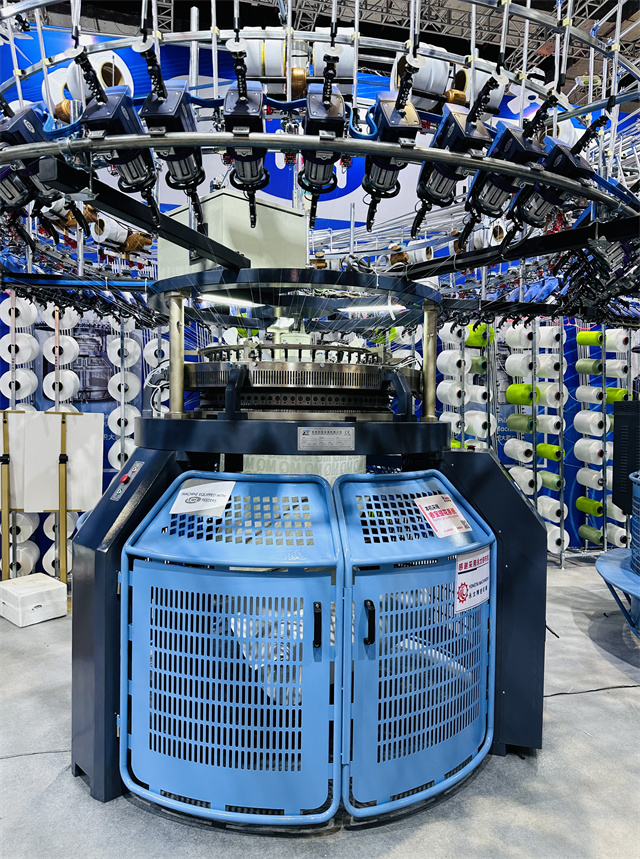
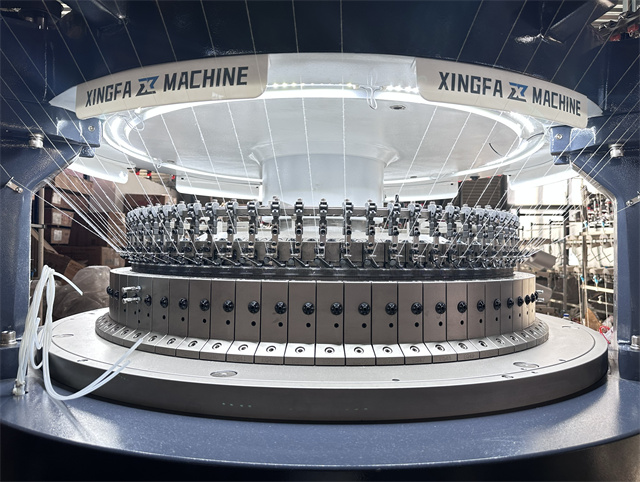
Use industrial images only as production-scale references in this comparison.
Sentro and industrial decision band
Requirement
Sentro craft route
Industrial circular route
Evidence to compare
Output
Small tube or panel
Configured fabric roll or tube
Completed product form
Control
Manual cranking and craft tension
Engineered feed, drive and take-down
Repeat under normal events
Scale
Personal or small project
Shift-based production
Accepted quantity and labour
Support
Model instructions and accessories
Technical service and spares
Named responsibility
Sentro and industrial machine questions
Is a Sentro an industrial circular knitting machine?
No. It is marketed as a compact hand-crank craft knitter; industrial machines have a different scale and configured production system.
Can both make tubes?
Yes in a broad geometric sense, but tube size, yarn handling, structure, control and repeatability differ.
Should RPM be compared?
No. Compare completed craft items or accepted industrial fabric under each route's real operating duty.
Can a craft sample specify an industrial machine?
It may communicate colour or approximate form, but the industrial structure and trial must be developed separately.
Which route is safer for a beginner?
Use the exact instructions and intended environment for either machine; industrial operation also requires site procedures, guarding and trained roles.
Conclusion
Sentro and industrial circular machines solve different levels of work. A neutral product-and-duty comparison lets a buyer choose a craft tool for bounded making or an industrial platform for controlled fabric production without blurring the two.
Compare the production-duty column before moving from a Sentro search to the industrial circular knitting machine range; require an industrial fabric brief and trial when the intended scale changes.




 Tel: +86-13859034518
 Email: info@kunyuanmachine.com
 MP/WhatsApp: +86-13859034518
 Manufacturer Address:Bacuo Village, Yonghe Town, Jinjiang City, Fujian Province