Prove the data path before admiring the commercial motif
A beautiful jacquard sample can be produced by an experienced technician under conditions the buyer cannot repeat. A purchase trial should therefore move through four gates: controlled pattern data, diagnostic selection, the difficult commercial motif, and an operator reload with retained evidence.
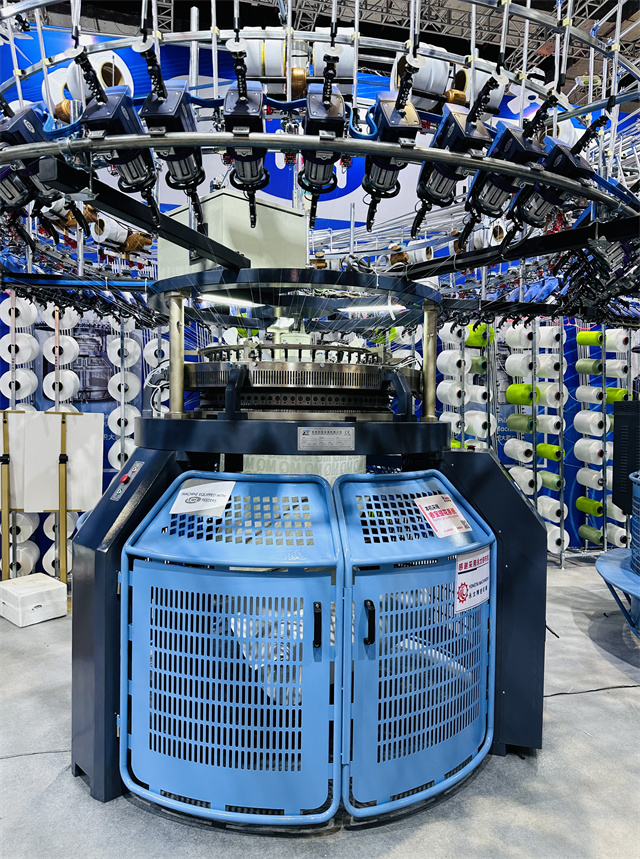
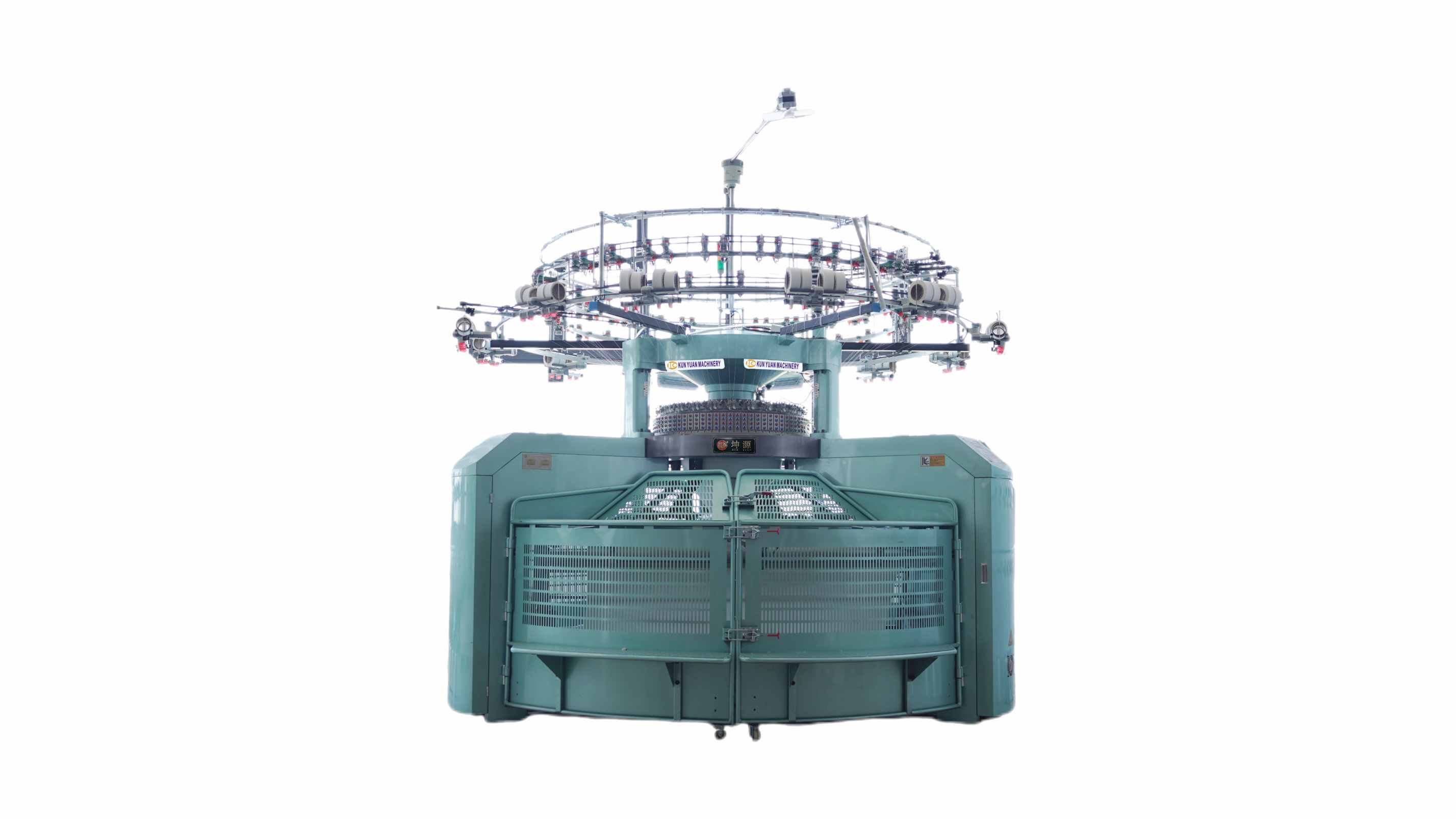
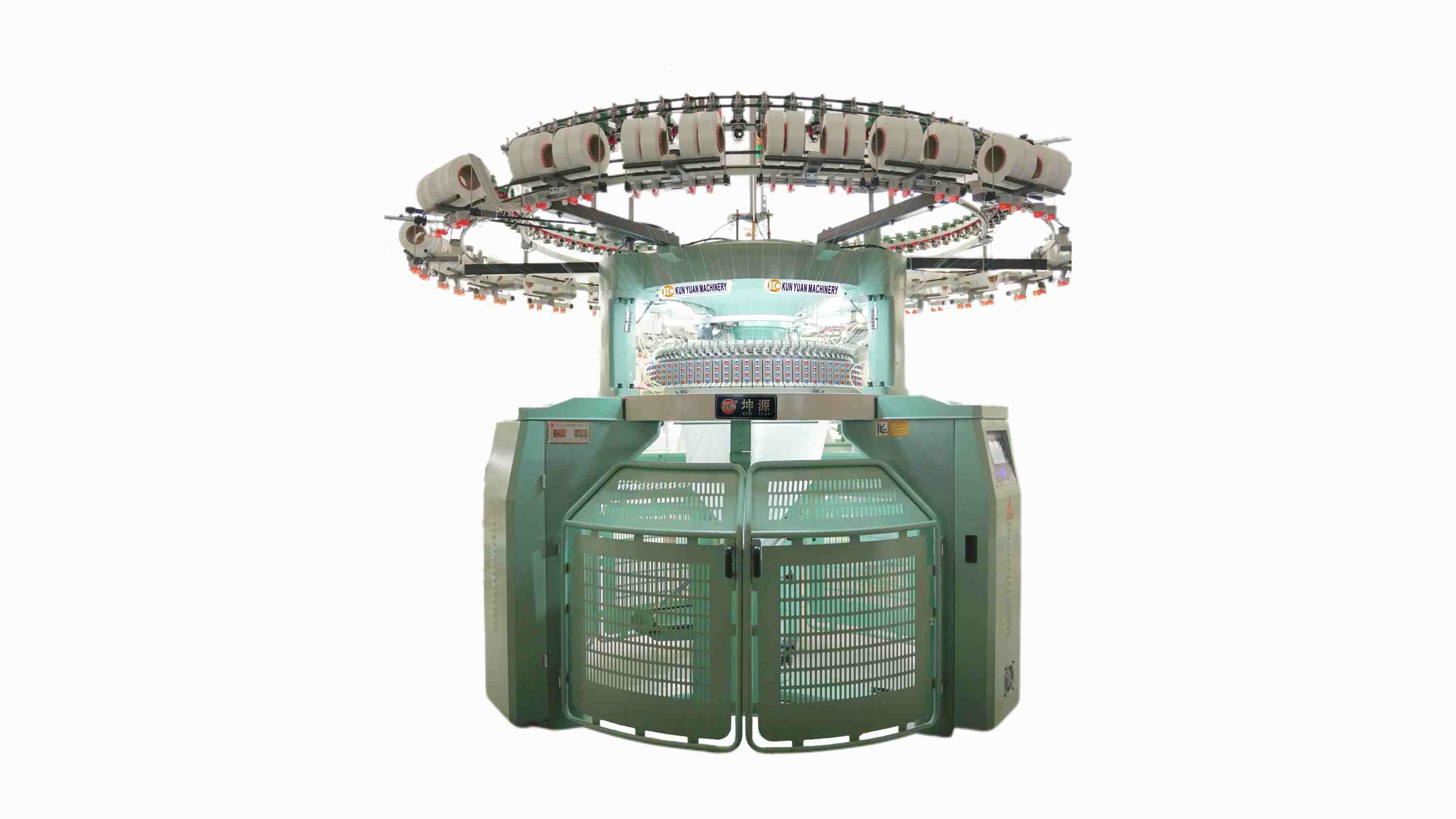
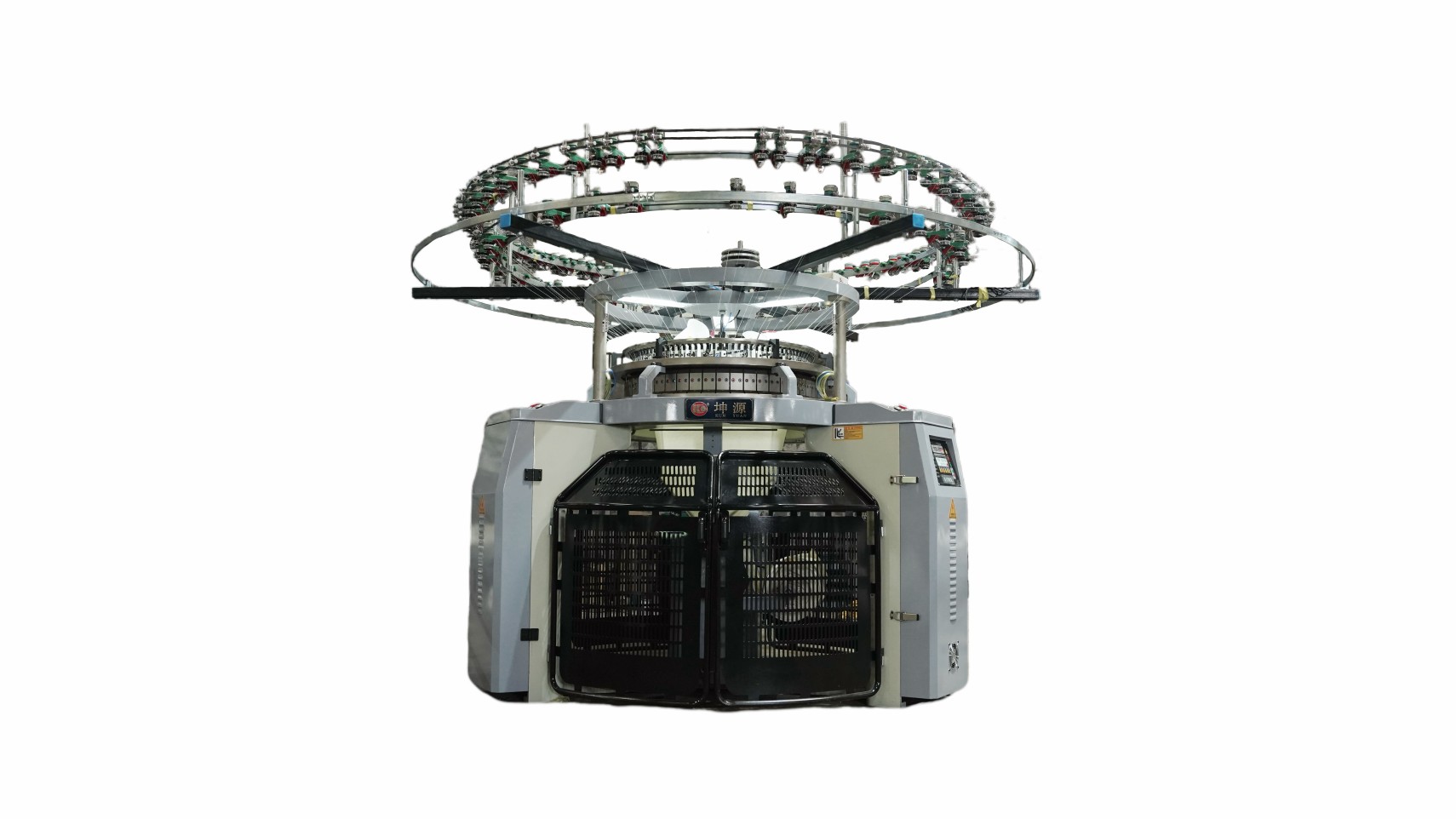
Supply artwork, construction intent, yarn roles, colour map and finished requirements in advance. Ask the supplier to identify the offered machine, selection on cylinder and dial, transfer if any, feeder and yarn-finger scope, software, license and data interface. Unavailable actions must be resolved before the commercial pattern is edited.
Modern design systems can simulate and generate pattern data using machine information, but simulation does not prove yarn presentation, selector condition, loop balance or finishing. Each gate below ends with physical or recorded evidence that can be reviewed later.
Gate 1 — freeze artwork, technical repeat and machine identity
Store the customer's original artwork separately from the technical design and machine-ready file. Record repeat dimensions, edge correction, palette, yarn map, software revision and the machine data used for generation. Name one person authorized to approve changes.
The gate remains closed when the only file is a final machine program with no traceable design basis, or when a supplier must simplify the motif without showing what changed.
Gate: revision package approved
Gate 2 — run a diagnostic pattern through every required action
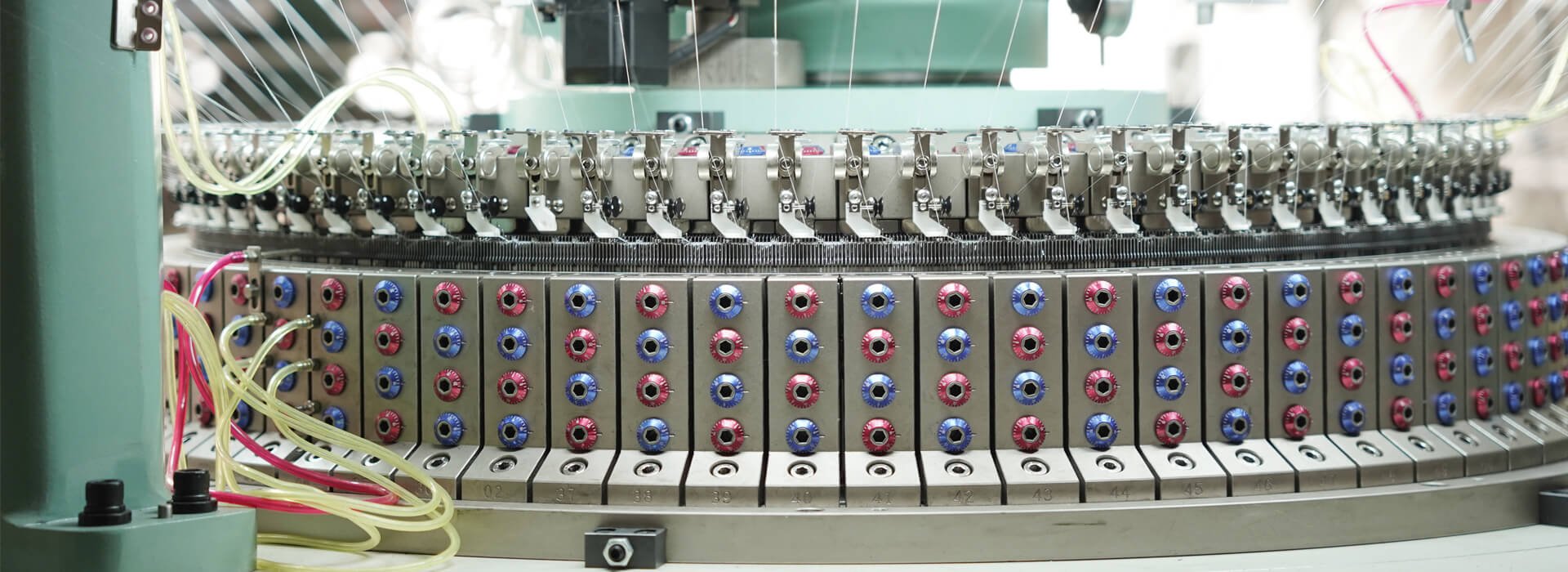
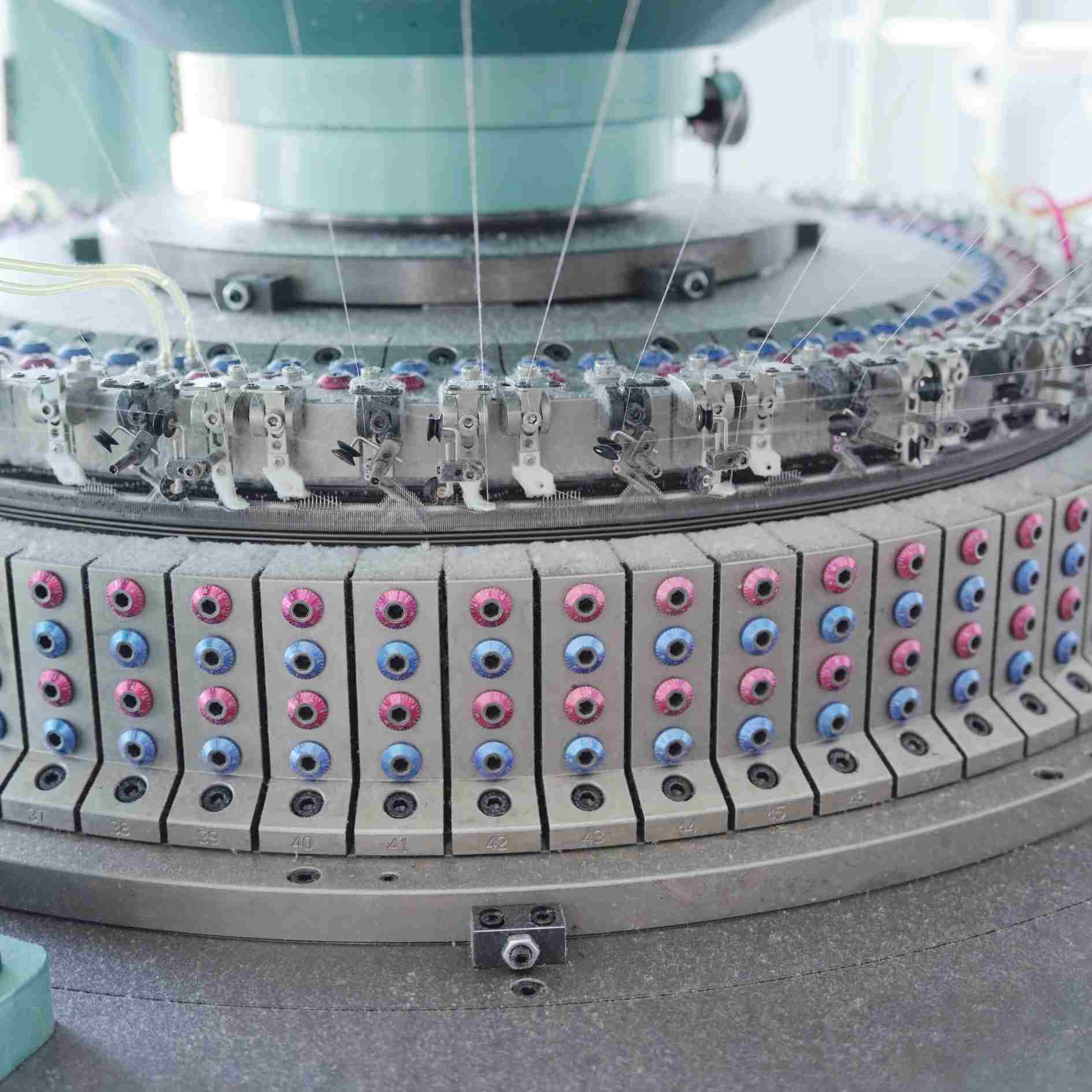
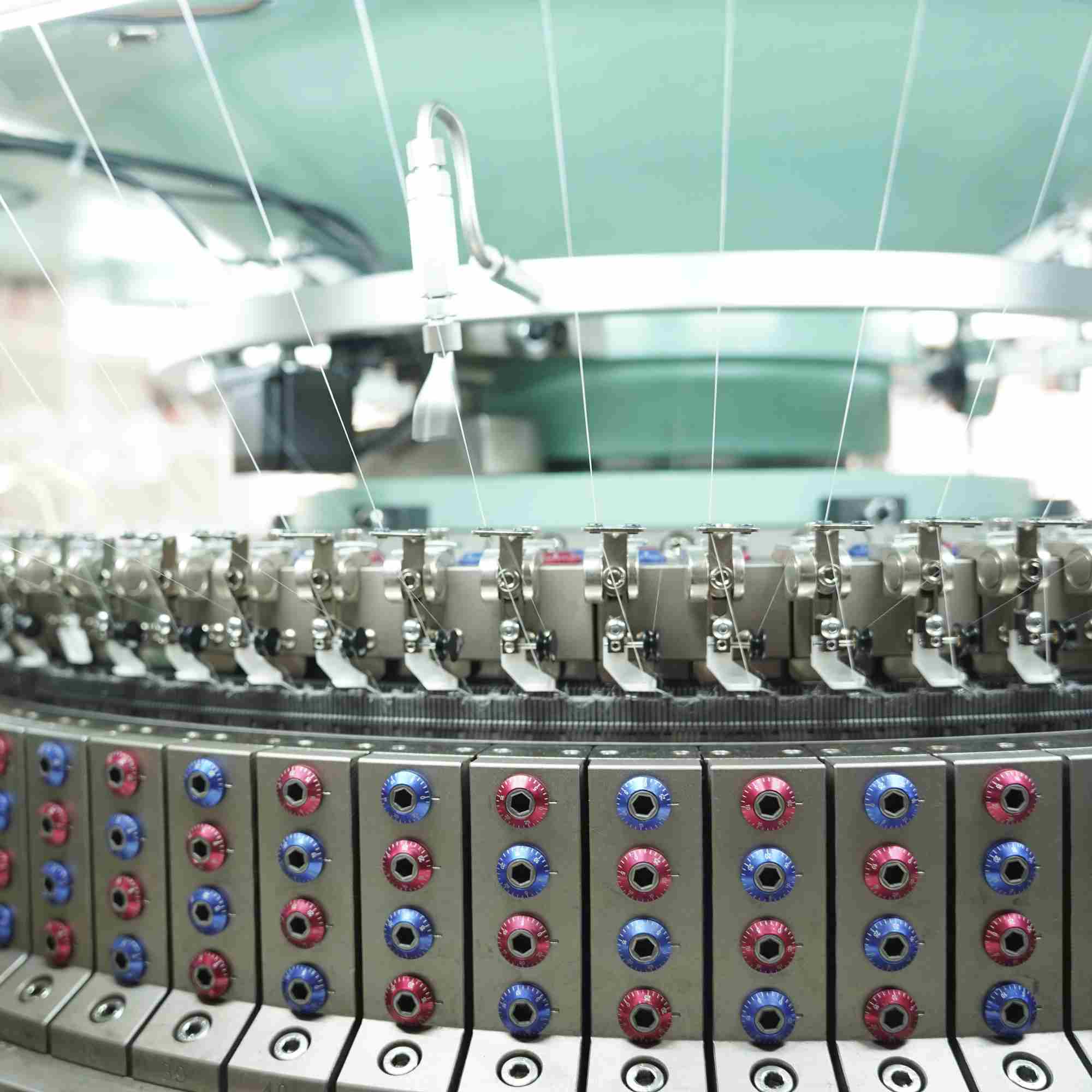
Use a simple pattern that deliberately calls each permitted selection state and feed or colour event. Inspect the response around the full cylinder and after a controlled stop. A sparse grid makes a wrong channel, inactive selector or mechanical position easier to locate than dense artwork.
Do not request knit, tuck, miss or transfer actions the offered bed cannot perform. The diagnostic gate proves the promised selection scope, not a generic catalogue category.
Gate: channel-to-needle map confirmed
Gate 3 — knit the commercial motif at its failure boundaries
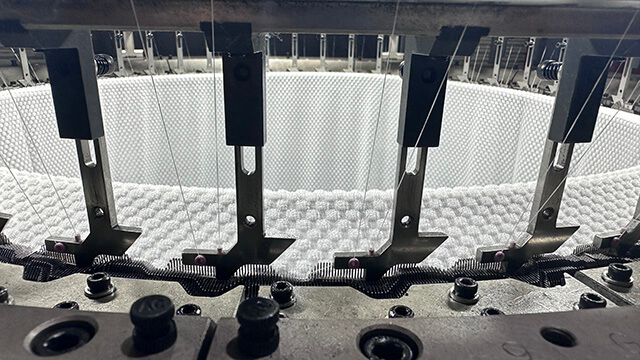
Choose the smallest detail, longest float, sharpest edge, busiest colour change and any relief or transfer area. Mark the roll and inspect face, reverse, registration around the tube, yarn tails and transitions. Record speed, stops and every manual intervention.
Finish a traceable piece through the intended route. Relaxation, dyeing or heat can change dimensional registration and surface appearance, so a greige photograph cannot close this gate.
Gate: face, reverse and finished sample accepted
Gate 4 — let the receiving operator reload and reproduce the result
The operator should load the approved file, map yarns, thread the machine, start safely, recover from one controlled stop and identify the saved settings without hidden technician edits. Record the training steps that needed assistance.
Preserve editable files, licenses, backups, sample labels and support contacts. A reproducible restart is stronger purchase evidence than a one-time demonstration run.
Gate: handover sample repeated
Identify the offered machine and pattern-data environment before testing.A diagnostic grid should exercise each promised selection state.Retain face, reverse and finished evidence from the boundary motif.
Jacquard trial responsibility ledger
Gate
Supplier prepares
Buyer supplies
Release evidence
Pattern data
Machine and software scope
Artwork and approval owner
Revision package
Selection diagnostic
Channel map and safe test
Required loop actions
Full-cylinder diagnostic sample
Commercial motif
Setup and recorded run
Yarn and boundary design
Greige/finished marked pair
Operator reload
Training and recovery method
Receiving operators
Repeated sample and handover record
Jacquard trial questions
Why not begin with the commercial pattern?
A diagnostic pattern isolates selection and channel mapping before artwork complexity hides the cause of an error.
Should the buyer provide production yarn?
Yes where practical. Yarn friction, elasticity, package and colour treatment can change feeding, floats and transitions.
What should be inspected on the reverse face?
Check floats, trapped or cut yarn, plating, missed selection and any sign that the visual face hides unstable construction.
Does a passed factory trial guarantee site output?
No. Installation, utilities, climate, yarn supply and operator practice can differ. Retain the factory baseline and repeat an agreed site-acceptance step.
Which files should be handed over?
Define artwork, technical design, editable and machine-ready files, software or license scope, backups and revision ownership in the contract.
Conclusion
The safest jacquard purchase decision is a chain of four reproducible proofs. Pattern data must fit the machine; selection must answer the diagnostic grid; the difficult motif must survive finishing; and the receiving operator must be able to reload the result. If one gate remains open, the limitation belongs in the offer.




 Tel: +86-13859034518
 Email: info@kunyuanmachine.com
 MP/WhatsApp: +86-13859034518
 Manufacturer Address:Bacuo Village, Yonghe Town, Jinjiang City, Fujian Province