


Hot Keyword:
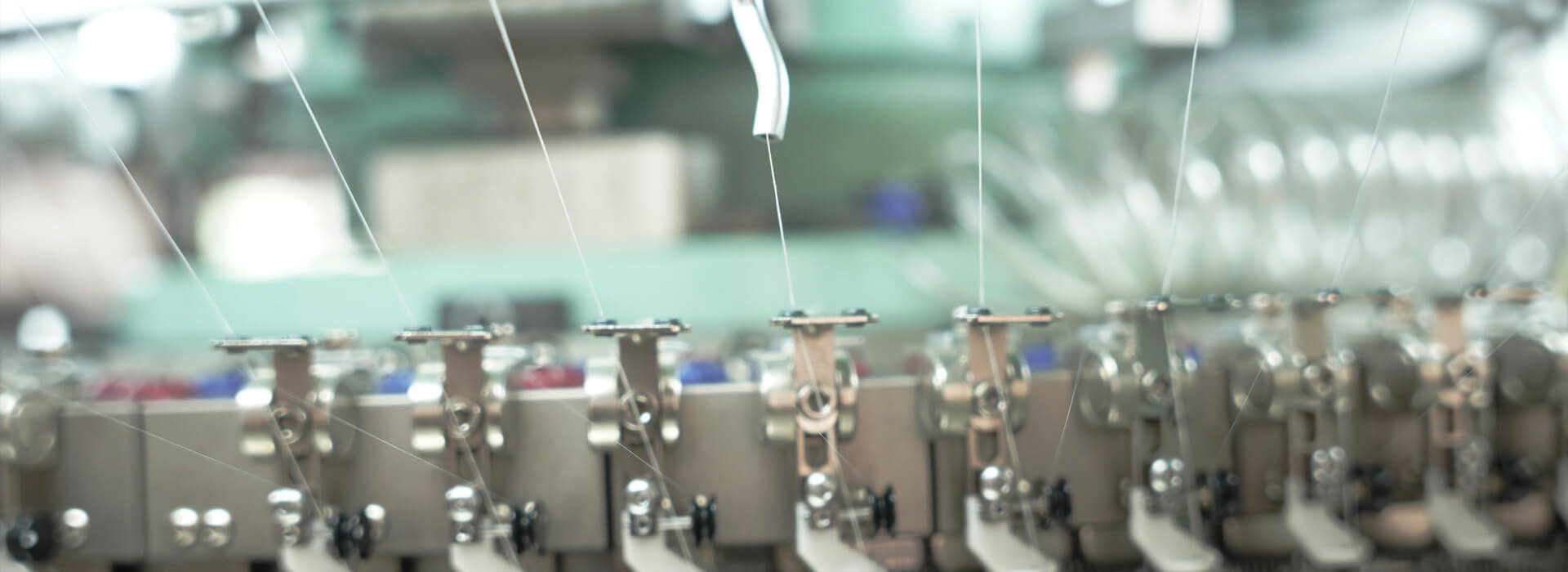
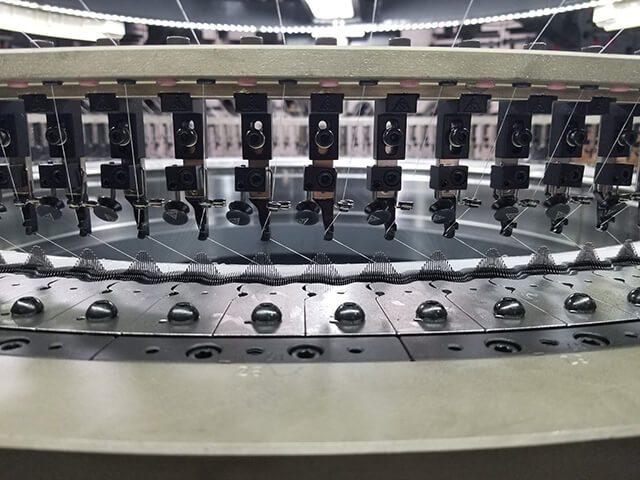
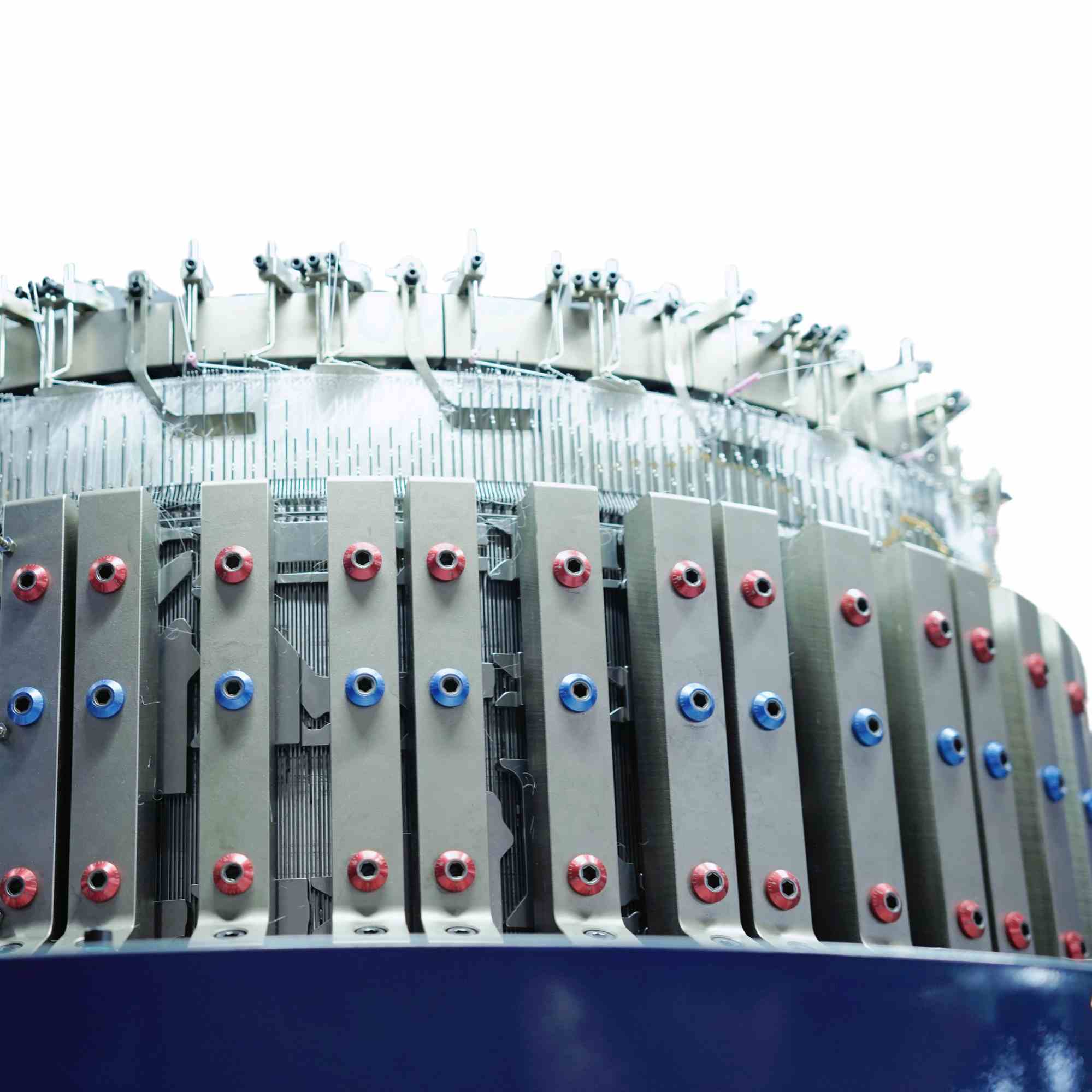
Compare automatic sweater routes by panel shaping, body-size tubes, whole-garment capability, sizing evidence and the make-up work that remains....
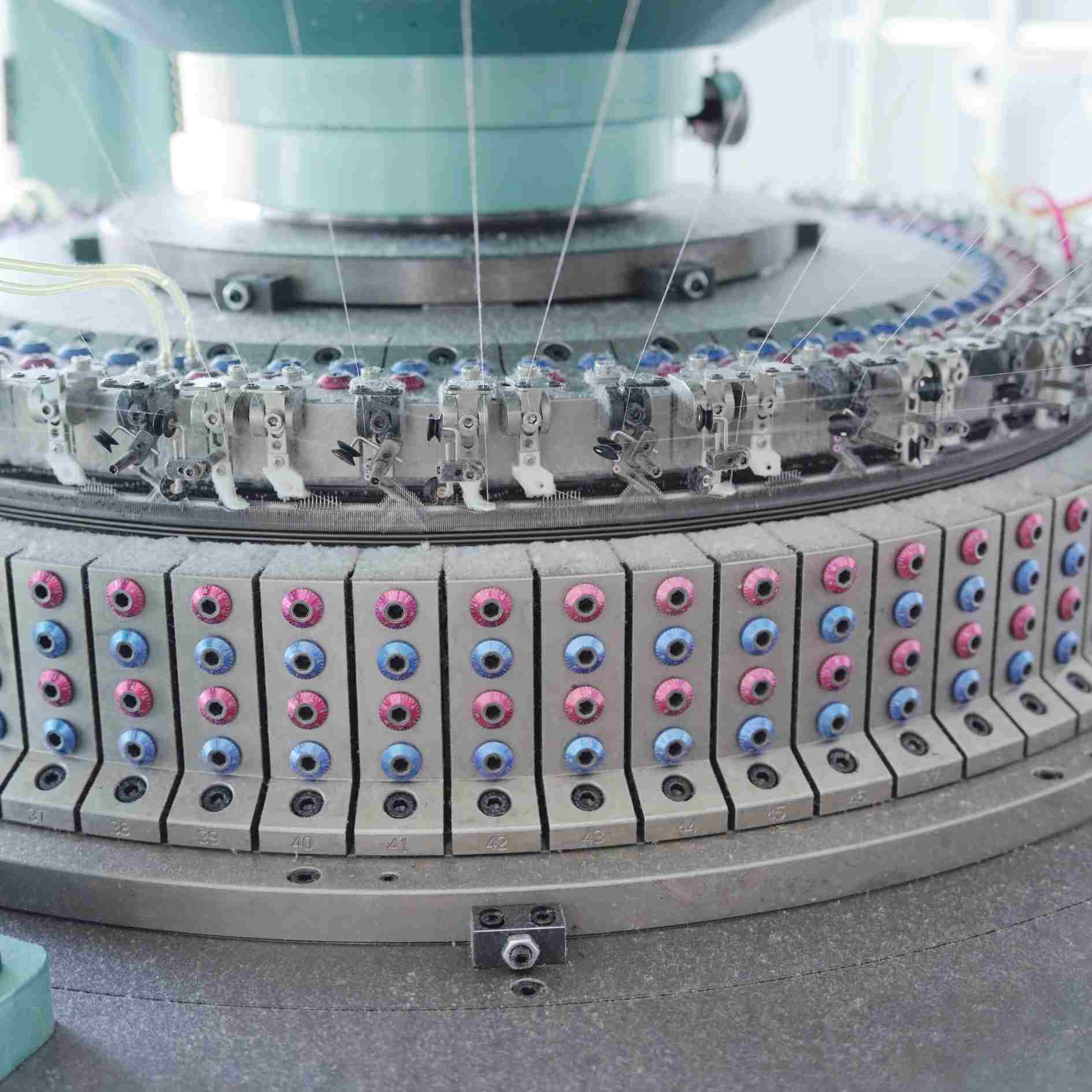
Separate fabric-tube, body-size and shaped-garment routes, then validate program versions, size boundaries, make-up work and accepted sweater output....
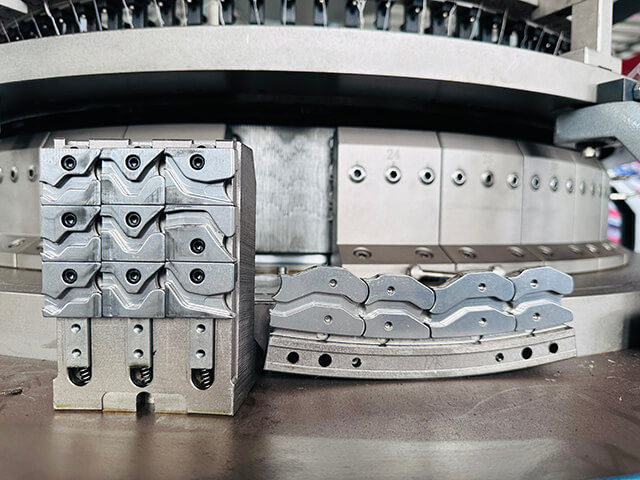
Practical Automatic Sweater Knitting Machine guide covering key subsystems, control points, trial evidence and lifecycle support for textile mill buyers....
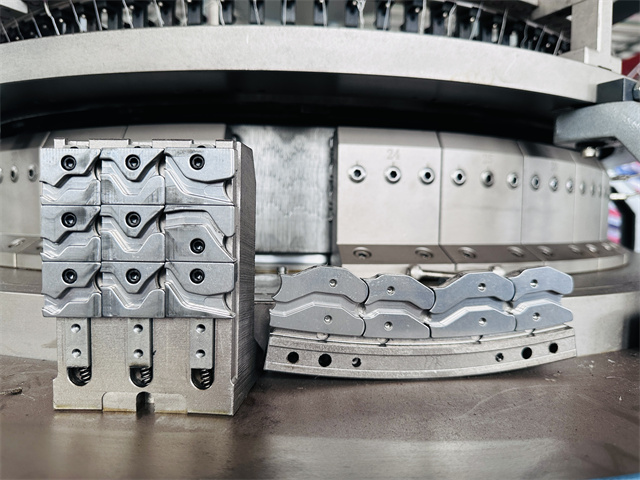
Practical Automatic Sweater Knitting Machine guide covering specification, supplier evidence, factory trials and delivered scope for textile mill buyers....
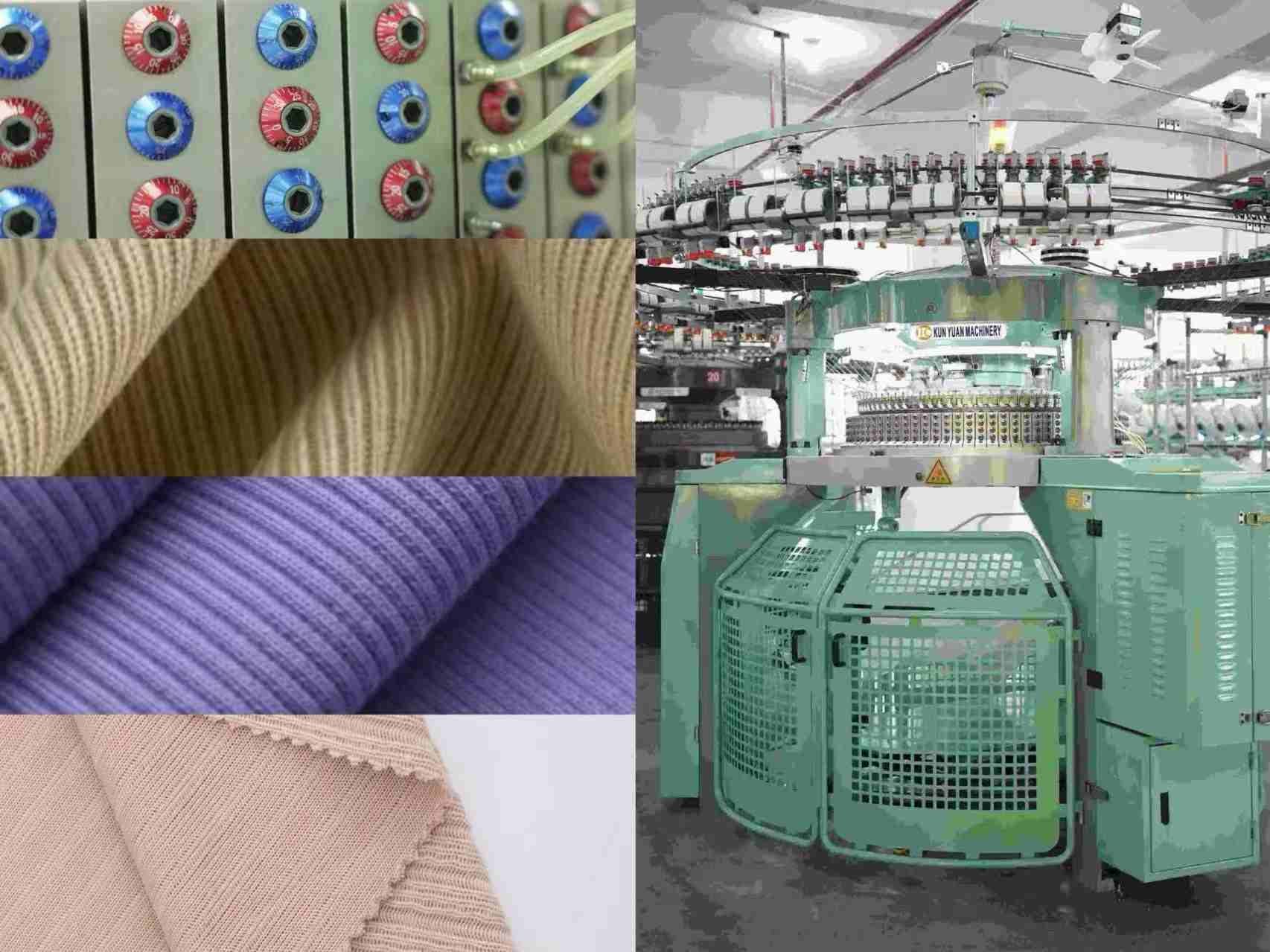
Assess a 38-Inch 24G 84-Feeder Double Jersey Circular Knitting Machine through cylinder/dial balance, roll-level defects and finished fabric measurements....
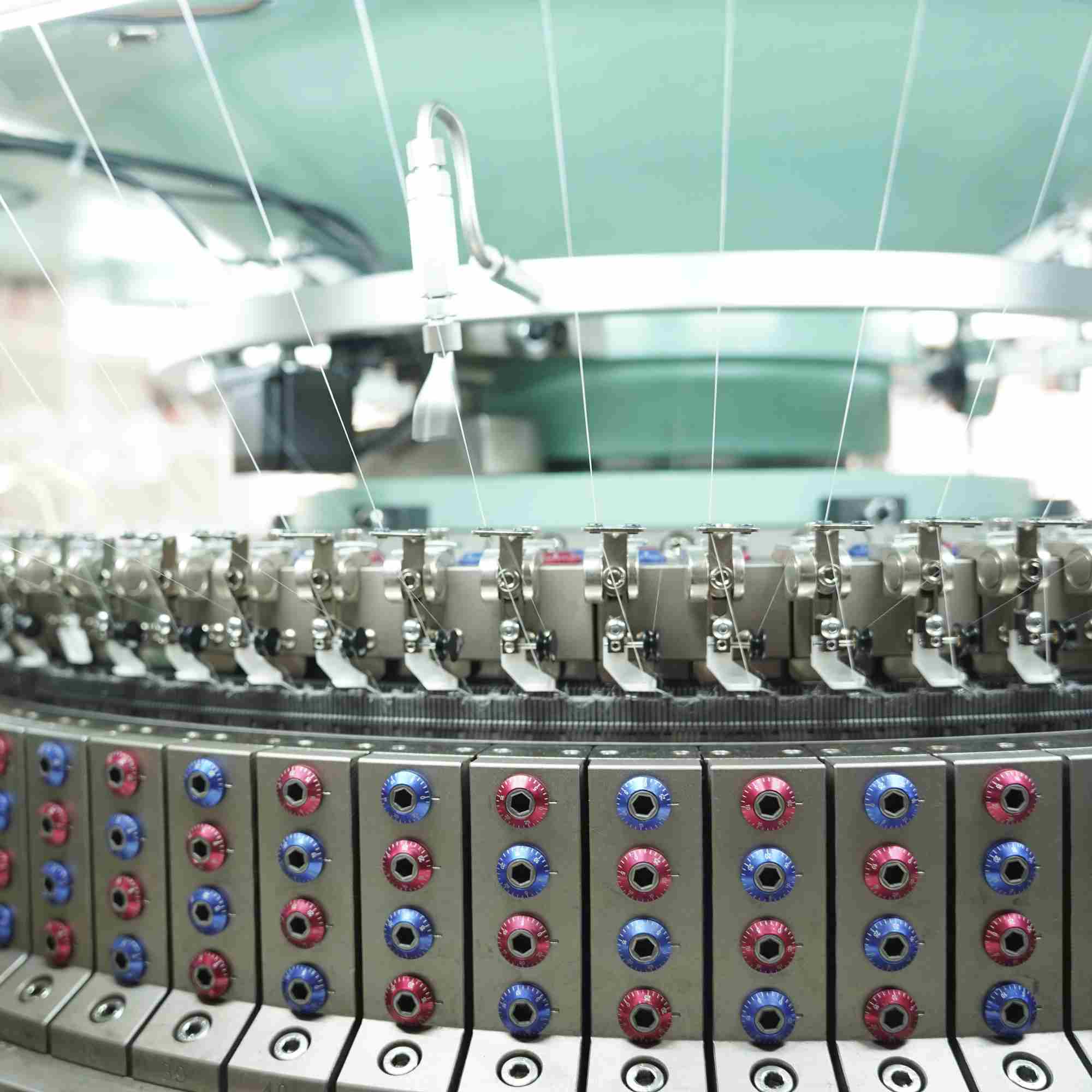
Evaluate a Double Jacquard Circular Knitting Machine by two-sided structure, electronic knit/tuck/miss selection, pattern registration and roll-level trials....
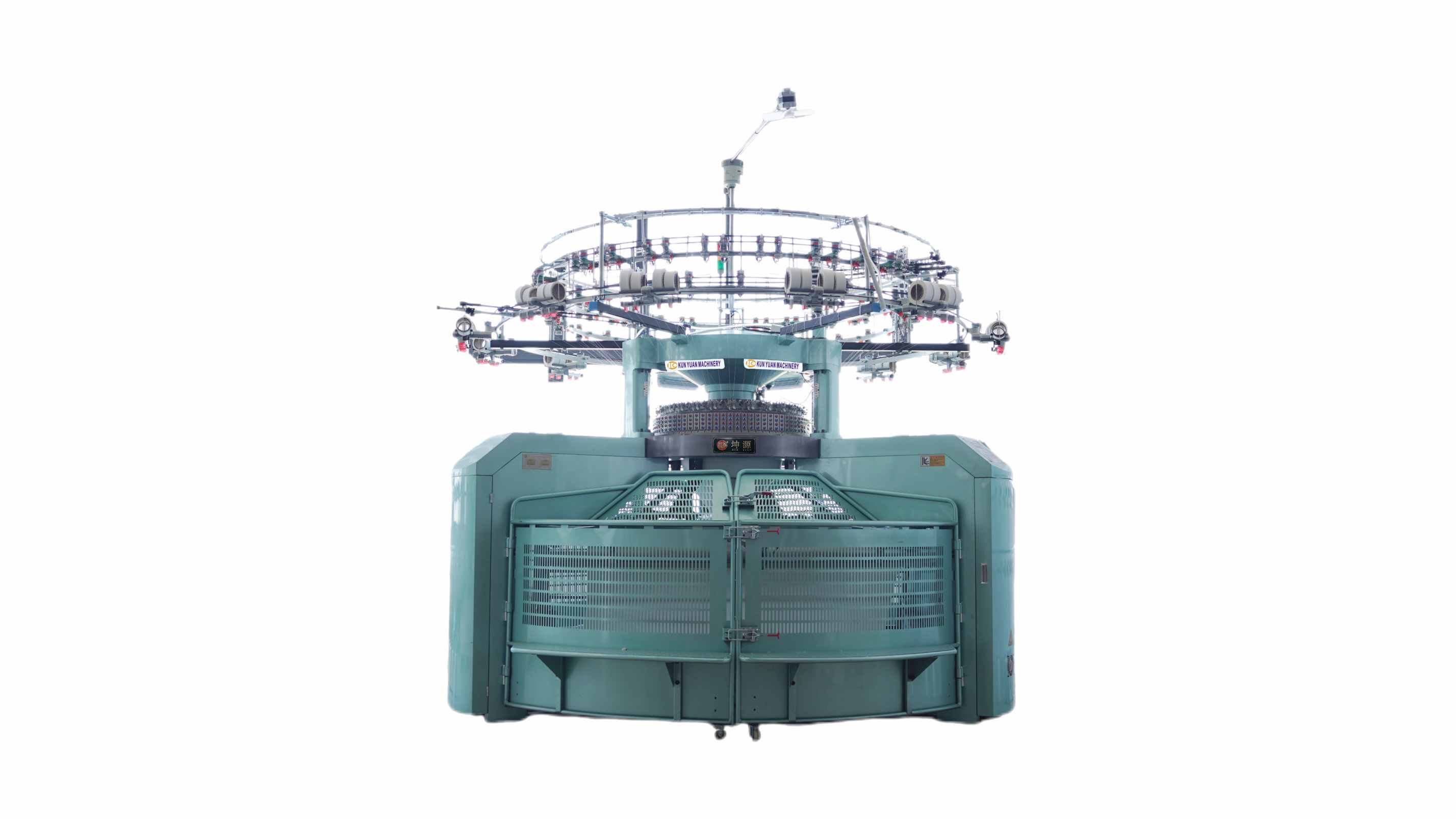
Evaluate a 34-Inch 28G 72-Feeder Pneumatic High-Foot Open-Width Knitting Machine by fabric structure, air system, slit edges and finished-roll handling....
The pneumatic double-jersey high-foot topic combines two separate decisions: the cylinder-and-dial knitting architecture required by the fabric and the......
The 34-inch interchangeable double-jersey topic should be judged by its defined conversion scope. Interchangeable does not mean every fabric can be......

 Tel: +86-13859034518
 Email: info@kunyuanmachine.com
 MP/WhatsApp: +86-13859034518
 Manufacturer Address:Bacuo Village, Yonghe Town, Jinjiang City, Fujian Province